

 Agriculture
 Aerospace and Defense
 Automation & Process Control
 Automotive and Transportation
 Banking & Finance
 Biotechnology
1.png) Chemicals and Materials
Chemicals and Materials Consumer Goods
 Energy and Power
 Food and Beverages
 Healthcare IT
 Information & Communications
 Manufacturing and Construction
 Packaging
 Healthcare
 Electronics and Semiconductor
 Medical Devices
10.png)
Market Overview
The global Pet Food market size was valued at USD 197.1 billion in 2025. The market is projected to grow from USD 209.7 billion in 2026 to USD 325.9 billion by 2033, exhibiting a CAGR of 6.5% during the forecast period.
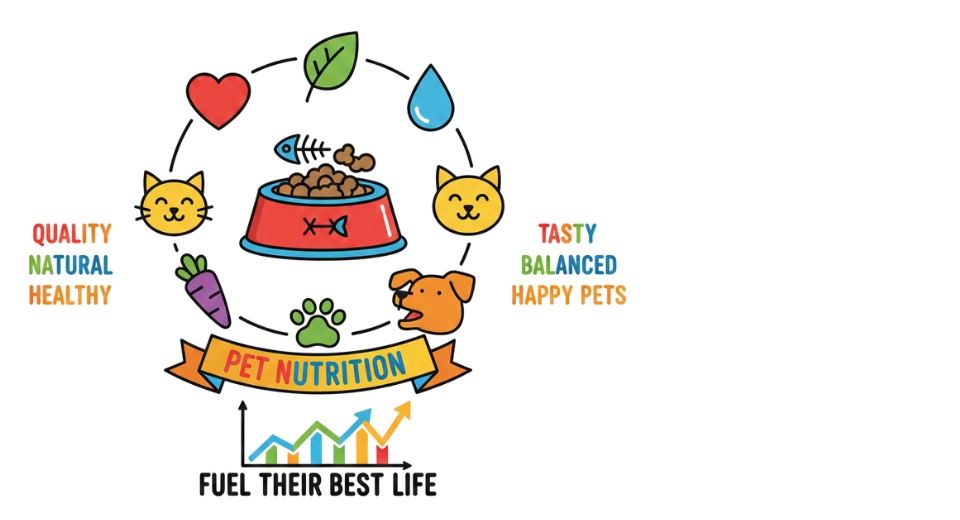
The global Pet Food Market will remain at the forefront of a rapidly changing consumer ecosystem as people learn more about the bond between pets and their owners and how to feed them in ways tailored to their needs. Millions of customers are using current products to meet their basic feeding needs and deal with simple health issues. However, the customer needs will propel the market beyond generic recipes to more specific, life-stage condition-specific product offerings. Moving forward, the progress will be made by examining each pet's age, breed, lifestyle, and sensitivities in greater detail to suit better pet food products. As the daily feeding schedule will become a structured tool to help with weight, digestion, mobility, and overall health of the pets, the market will experience a prominent shit from generic products to tailored solutions. As formulation science, digital monitoring tools, and veterinary diagnostics improve, the industry will focus on solutions that not only satisfy hunger and taste but also improve long-term health, lower the risk of disease, and enhance life in ways that can be measured. These solutions are still being developed in current product pipelines.
This change will prompt the brand owners and nutrition experts to think outside the box with traditional dry and wet formats and to develop portfolios based on functional, sustainable, and precisely formulated diets. New methods will be explored to step in earlier in a pet's life so people can proactively manage breed-specific risks and chronic conditions rather than waiting for problems to surface. People can also change feeding plans before difficulties become apparent. At the same time, the market is developing a taste for digital and direct-to-consumer platforms that help pet owners to track subtle changes in their pet's appetite, activity level, and body condition. These changes can then be translated into feeding suggestions, product changes, or vet visits. These data-driven ecosystems will help both pet owners and professionals make better choices. At the same time, flexible subscription models, personalized treat and supplement bundles, and transparent ingredient sourcing will change how pet food is produced, delivered, and used worldwide.
Global Pet Food Market Comprehensive Data-Driven Market Analysis & Strategic Outlook
- Global Pet Food market valued at USD 197.1 billion in 2025, growing at a CAGR of around 6.5% through 2033, with potential to exceed USD 325.9 billion.
- North America holds 38.7% in 2025 with US leading the market share in 2026.
- The dry pet food segment will have a 56.9% market share in 2025, which lead to new products and use cases through extensive research.
- Key trends driving growth: Rising pet ownership and humanization of pets boosting demand and Growth of premium, organic, and functional pet nutrition products
- Opportunities include expansion of e-commerce and personalized pet nutrition solutions.
- Key insight: The global pet food market is expected to grow significantly in value over the next 10 years owing to increased pet ownership and expensive pet diets. The science-backed nutrition, clear health benefits, and unique positioning across formats, price tiers, and distribution channels will provide new opportunities to the market players globally.
Market Dynamics
Growth Drivers:
Rising Pet Ownership and Humanization of Pets Boosting Demand.
The increasing pet ownership is driving up demand for complete and balanced pet food in North America and other parts of the world. The increased pet ownership is a result of growing modern stores, and pets are being marketed as family members. The owners are switching from table scraps and unbranded food to branded dry, wet, and treat formats earlier in their pets’ lives owing to increased understanding of the benefits, city-lifestyle, and better access to veterinary advice. These factors will positively impact the future volume and value needs of the global pet food market.
Growth of Premium, Organic, and Functional Pet Nutrition Products
By constantly adding new science-based recipes the nutrition management is becoming easier owing to the increased format options, solutions for specific life stages, and health benefits that are easier to see. Wider retail and e-commerce adoption, quicker acceptance of premium and organic positioning, and improved distribution into specialty and veterinary channels are paving the way for broader use of innovative pet food and treat concepts.
Restraints & Challenges:
Volatile Raw Material Prices Affecting Production Costs
Rising costs of key raw materials such as meat, grains, specialty proteins, and packaging will make it harder to raise prices in markets where pet care budgets remain tight. This will slow down the adoption of higher-value formulations. Uneven cost pass-through and limited margin support continue to affect consistent supply and brand investment. These factors will push the market to explore new economical and affordable way to source, formulate, and manufacture pet food to keep the market sustainability.
Stringent Safety and Quality Regulations Increasing Compliance Burden
Increased timelines for product development, testing, and regulatory approval make it harder to develop new recipes and add new products to existing lines, especially when safety, traceability, and labeling requirements are stricter. The need for ongoing audits, documentation, and testing, along with complicated compliance frameworks, makes it harder for companies to launch new products and reformulate the older products. These factors push manufacturers and research teams to create simpler, more reliable quality systems and standardized ingredient platforms that remain compliant while still meeting evolving consumer needs.
Opportunities:
Expansion of e-commerce and personalized pet nutrition solutions
Increased spending on digital platforms, data analytics, and connected devices will enable new ways to create personalized feeding plans, develop subscription models, and make product recommendations. Next-generation nutrition ecosystems will transform long-term care, engagement, and loyalty in the global pet food market.
Market Segmentation Analysis
The global Pet Food market is mainly classified based on Type, Ingredient Type, Distribution Channel, and End Users.
By Type, the market is further segmented into:
- Dry Pet Foods
The rise of dry pet food formats will continue to affect how consumers feed their pets every day. As kibble design improves, manufacturers will offer easier ways to store, serve, and measure pet food. This direction will draw more attention owing to future recipes and will focus on providing reliable nutrition without complicated preparation for various household routines.
- Wet Pet Foods
Increased availablity of wet pet food options will continue to affect taste and texture-driven segments. At the same time, recipes will continue to improve, pushing brands to offer easy-to-use single-serve and mixed-feeding options. This direction will receive more attention owing to future products that will focus on enabling pets to eat and drink without significant changes to their owners' daily lives.
- Veterinary Diets
As veterinary diet portfolios grow, it will help customers to choose foods that are suitable for their specific conditions. At the same time, steady progress in clinical nutrition will push developers to make more targeted formulations and clearer therapeutic outcomes. Veterinarians and pet owners will be more involved in this direction, as future diets will be formulated to achieve consistent results without complicating monitoring.
- Treats and Snacks
As treats and snacks continue to grow, they will change how pet owners reward and interact with their pets. Brands will have to come up with new ways to make things easier and offer more valuable benefits. This direction will interest customers for future products that will focus on reliable enjoyment and health support without requiring significant changes to core meal routines.
By Ingredient Type, the market is divided into:
- Animal-Derived
Growth in animal-derived ingredients will continue to shape core pet food formulations, with steady progress in sourcing and processing pushing producers to offer higher-quality proteins and better digestibility. This direction will attract greater interest, as future recipes will be designed to deliver consistent palatability and performance across varied life stages and breed profiles.
- Plant-Derived
Growth in plant-derived ingredients will progressively influence how brands balance nutrition, sustainability, and cost, with ongoing advances in alternative proteins encouraging broader use in complete diets and treats. This direction will draw increasing attention, as future formulations will target dependable nutrient delivery while addressing owner demand for cleaner labels and lower environmental impact.
- Cereals and Cereal Derivatives
Growth in cereals and cereal derivatives will continue to define energy and texture profiles in many mainstream products, with steady refinement in grain quality and processing supporting more consistent kibble structure and shelf life. This direction will attract sustained interest, as future blends will be designed to ensure reliable affordability and functional performance for diverse consumer segments.
By Distribution Channel, the market is further divided into:
- Supermarkets and Hypermarkets
Supermarkets and hypermarkets will continue to shape most customer shopping choices. As shelf space grows steadily, retailers will need to offer clearer category layouts, private-label products, and promotional bundles. This direction will receive more attention owing to future in-store experiences and product availability.
- Specialty Stores
As specialty stores grow, they will have a greater impact on consumers' choices of high-end and therapeutic products. This will drive in-store advice and curated assortments that are continually improving and encouraging customers to interact more with knowledgeable staff. This direction will get more attention owing to future specialty formats that will focus on providing reliable advice, niche brands, and personalized solutions for picky pet owners.
- Online Channels
As online channels grow, they will continue to change how people find, compare, and order pet food. Digital platforms are making it easier for providers to offer subscription models, easy ordering, and front door delivery. This direction will draw increasing interest owing to future e-commerce and direct-to-consumer ecosystems. The focus on ensuring supplies is always available, offering personalized recommendations, and enabling flexible delivery without frequent trips to the store will also propel the market growth.
By End Users, the global Pet Food market is divided as:
- Dogs
The increased dog ownership is expected to proper this market segment. Life-stage and breed-specific recipes will continue to improve, forcing brands to make feeding easier and the health benefits more transparent. This direction will get more attention because future dog diets will be made to work well for dogs of all sizes, ages, and activity levels.
- Cats
As the number of cats grows, especially in cities and smaller homes, preferences for highly palatable, portion-controlled products will continue to change. The new indoor, hairball, and urinary-care formulas are being developed to cater Cat segment within Pet Food Market. The cat nutrition will focus on taste acceptance and condition support without complicated feeding routines.
- Other Pets
The Other pets segment consists of small mammals, birds, and fish as pets, a niche segments of the market that is expected to grow. The greater use of complete and fortified feeds as species-specific formulations will improve and propel the segmental growth in the forecast years.
By Region:
- Based on geography, the global Pet Food market is divided into North America, Europe, Asia-Pacific, South America, and the Middle East & Africa.
- North America Pet Food Market is set to expand at a CAGR of 6.5% within the forecast period, reaching a market size (TAM) of USD 125.7 billion by the end of 2033.
- North American pet owners will continue to buy premium, natural, and functional food.
- The steady North American household income will allow increased per capita spending on pet foods. These factors will attract stronger interest, as future offerings focus on reliable health outcomes, clean labels, and advanced veterinary endorsements across multiple formats.
- Across Middle East, Africa, and South America, rising urbanization and gradual formalization of pet care will steadily expand the addressable base for branded pet food, even as price sensitivity and import exposure remain pronounced.
- The combined trajectory will attract cautious but growing interest, as future market development hinges on reliable local manufacturing, adaptive pack sizes, and channel strategies that balance modern trade, traditional outlets, and cross-border e-commerce to capture diverse demand pockets.
Competitive Landscape & Strategic Insights
The global pet food market will continue to grow, owing to increased research on pet nutrition, changing owner preferences, and strong participation from both large & smaller multinational companies, and flexible regional specialists. A steady rise in research and development of diets tailored to a dog's life stage, breed, and health condition is helping make better formulations readily available. These factors let retailers and veterinarians offer feeding options that focus on long-term health, digestibility, and visible benefits. All these factors are strengthening premiumization trends. The market is moving towards advanced, value-added solutions without changing the way people feed their pets with dry & wet staples every day.
As global brand owners and digitally native challengers become more active, the market has become very competitive. Legacy mass brands and new premium, fresh, and direct-to-consumer products are all available at the same time. Pet owners and veterinarians are looking for alternatives to traditional mid-market kibble as high-meat recipes, grain-free and limited-ingredient lines, functional treats, and refrigerated or gently cooked foods continue to be developed. As time goes on, this is changing the structure of portfolios and channel strategies in different regions. Mature markets are focusing more on health claims and subscription models, while emerging markets are balancing low prices with gradual improvements in quality. This will help the brands enter more markets, stand out more by format and benefit platform, and achieve more stable adoption that can demonstrate consistent safety, traceability, and performance.
The global pet food market has been shaped in large part by the strong participation of major companies. Mars Petcare Inc., Nestlé Purina PetCare, Hill's Pet Nutrition, The J.M. Smucker Co., Blue Buffalo, Diamond Pet Foods, United Pet Food, Simmons Pet Food, Wellness Pet Food, Merrick Pet Care, Freshpet Inc., The Farmer's Dog Inc., Deuerer GmbH, Affinity Petcare SA, Partner in Pet Food (PPF), Monge & C. S.p.A., Vafo Group, Saturn Petcare, MPM Products Ltd., Vitakraft Pet Care GmbH & Co. KG, C&D Foods, Unicharm Corporation, Inaba Petfood Co., Ltd., Perfect Companion Group Co., Ltd., Maruha Nichiro Corporation, BRF Pet, Premier Pet, Special Dog Company, Montego Pet Nutrition, and Real Pet Food Company are some of the most important companies.
The key market players work with a wide range of niche and private-label manufacturers. Market leaders and regional champions are facing intense competition amongst them, which will help them improve their recipe design, sourcing models, sustainability commitments, and go-to-market strategies. These factors will let them focus more on nutrition platforms that meet changing consumer needs. The global pet food market will continue to grow as the companies invest in new products, expand manufacturing capabilities, and improve their ability to sell through multiple channels. Increased participation from top groups and new local players will help keep things sustainable. This will ensure a steady flow of safe, trusted, and unique products, and as people become more confident in advanced nutrition ideas, they will make decisions about what to buy across different countries and consumer groups.
Forecast & Future Outlook
Market size is forecast to rise from USD 197.1 billion in 2025 to over USD 325.9 billion by 2033.
The future market will go beyond basic nutrition to include long-term pet health, preventive care, and peace of mind for pet owners. Increased lifestyle-based nutrition platforms, recipes tailored to a pet's condition or age, and feeding suggestions based on data will be added to the broader pet care ecosystem. As these changes unfold, the pet food industry will create a future where feeding is more consistent, responsive, and aligned with how people really care for their pets outside the vet's office. In this way, the Pet Food Market will go beyond its current limits and create a more connected environment that focuses on pets and their owners. This will be the next wave of value-driven growth for the market.
Pet Food Market Key Segments:
By Type:
- Dry Pet Foods
- Wet Pet Foods
- Veterinary Diets
- Treats and Snacks
By Ingredient Type:
- Animal-Derived
- Plant-Derived
- Cereals and Cereal Derivatives
By Distribution Channel:
- Supermarkets and Hypermarkets
- Specialty Stores
- Online Channels
By End Users:
- Dogs
- Cats
- Other Pets
Key Market Players
- Mars Petcare Inc.
- Nestlé Purina PetCare
- Hill’s Pet Nutrition
- The J.M. Smucker Co.
- Blue Buffalo
- Diamond Pet Foods
- United Pet Food
- Simmons Pet Food
- Wellness Pet Food
- Merrick Pet Care
- Freshpet Inc.
- The Farmer’s Dog Inc.
- Deuerer GmbH
- Affinity Petcare SA
- Partner in Pet Food (PPF)
- Monge & C. S.p.A.
- Vafo Group
- Saturn Petcare
- MPM Products Ltd.
- Vitakraft Pet Care GmbH & Co. KG
- C&D Foods
- Unicharm Corporation
- Inaba Petfood Co., Ltd.
- Perfect Companion Group Co., Ltd.
- Maruha Nichiro Corporation
- BRF Pet
- Premier Pet
- Special Dog Company
- Montego Pet Nutrition
- Real Pet Food Company
- Inspired Pet Nutrition (IPN)
Report Coverage
This research report divides the Pet Food market into key segments and regions, forecasts revenue growth, and examines trends in each submarket. The report analyzes the primary factors driving growth, the growth prospects, and the problems the Pet Food market faces. To show the market's competitive landscape, we have included recent changes and competitive strategies such as expansion, type launches, development, partnerships, mergers, and acquisitions.
The report strategically identifies and profiles the key market players, analyzing their core competencies across each sub-segment of the Pet Food market.
|
Report Attributes |
Details |
|
Study Period |
2021-2033 |
|
Base Year |
2025 |
|
Estimated Year |
2026 |
|
Forecast Period |
2026-2033 |
|
Historical Period |
2021-2025 |
|
Growth Rate |
CAGR 6.5% from 2026 to 2033 |
|
Revenue Unit |
USD billion |
|
Sales Volume Unit |
Kilotons |
|
Segmentation |
By Type, Ingredient Type, Distribution Channel, End Users, and Region |
|
By Type |
Dry Pet Foods |
|
Wet Pet Foods |
|
|
Veterinary Diets |
|
|
Treats and Snacks |
|
|
By Ingredient Type |
Animal-Derived |
|
Plant-Derived |
|
|
Cereals and Cereal Derivatives |
|
|
By Distribution Channel |
Supermarkets and Hypermarkets |
|
Specialty Stores |
|
|
Online Channels |
|
|
By End Users |
Dogs |
|
Cats |
|
|
Other Pets |
|
|
By Region |
North America (By Type, Ingredient Type, Distribution Channel, End Users, and Country) |
|
|
|
|
|
|
|
Europe (By Type, Ingredient Type, Distribution Channel, End Users, and Country) |
|
|
|
|
|
|
|
|
|
|
|
|
|
|
|
|
Asia Pacific (By Type, Ingredient Type, Distribution Channel, End Users, and Country) |
|
|
|
|
|
|
|
|
|
|
|
|
|
|
|
|
South America (By Type, Ingredient Type, Distribution Channel, End Users, and Country) |
|
|
|
|
|
|
|
|
Middle East and Africa (By Type, Ingredient Type, Distribution Channel, End Users, and Country) |
|
|
|
|
|
|
|
|
WHAT REPORT PROVIDES
- Full in-depth analysis of the parent Industry
- Important changes in market and its dynamics
- Segmentation details of the market
- Former, on-going, and projected market analysis in terms of volume and value
- Assessment of niche industry developments
- Market share analysis
- Key strategies of major players
- Emerging segments and regional growth potential

 US: +1 3023308252


