Global Rare Biological Sample Collection Market Size, Share, By Type (Isolation Kits and Reagent, Blood Collection Tubes and Others), By Application (Oncology, Transcriptomics, Pharmacogenomics and Others), By Sample Source (Human Samples, Animal Samples, Microbial Samples and Plant Samples), By Sample Type (Blood and Blood Derivatives, Tissue and Biopsy Specimens, Cells and Cell Fractions, Bone Marrow and Cord Blood, Urine, Saliva and Buccal Specimens, Swab Specimens and Other Biofluids), Industry Analysis, Growth, Trends, and Forecast, 2026-2033
Report ID
MSI-4884
Published
August 8, 2026
Pages
284 Pages
Format
Market Size 2021
USD 1,133.9 Million
Historical
Market Size 2025
USD 1,596.4 Million
Base year
Market Size 2033
USD 3,942.1 Million
Forecast
CAGR 2025-2033
12.1%
Forecast period
Report Details
Comprehensive Market Analysis And Insights
Market Overview
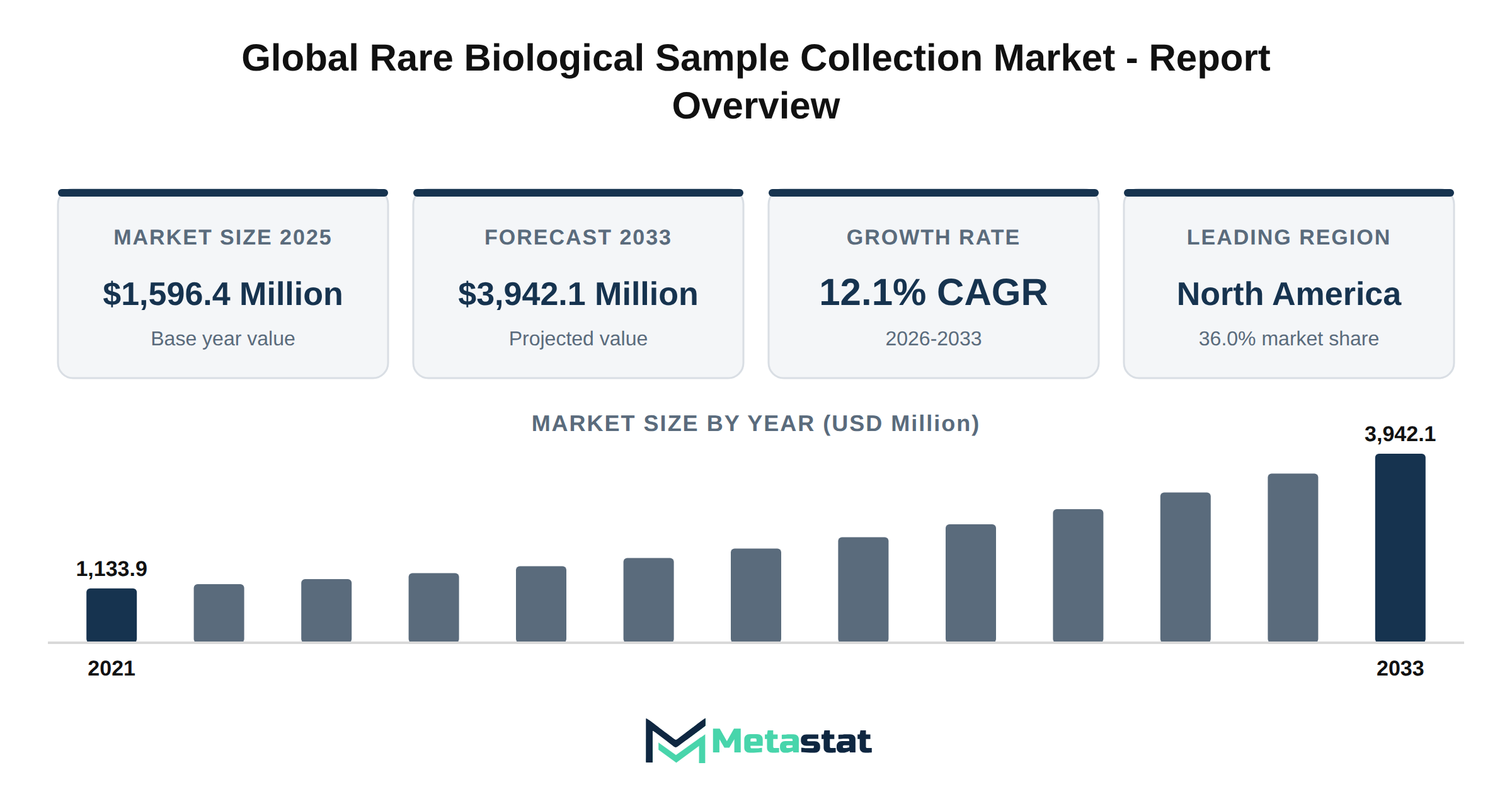
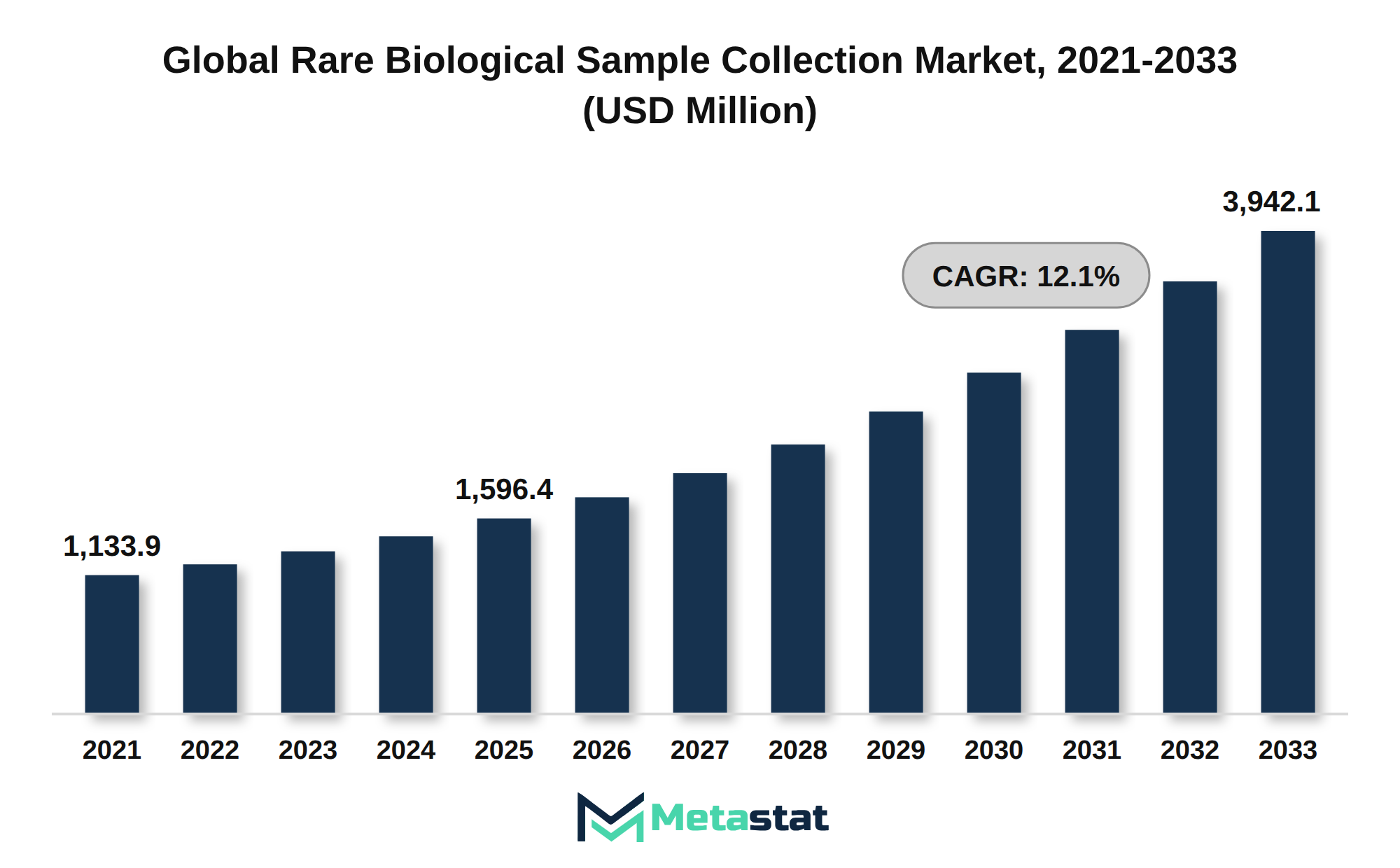
The global Rare Biological Sample Collection market was valued at USD 1,596.4 million in 2025 and is projected to reach USD 3,942.1 million by 2033, growing at a CAGR of 12.1% over the forecast period.
The Rare Biological Sample Collection market reached a value of USD 1,596.4 million in 2025, demonstrating significant growth since its historical value of USD 1,133.9 million in 2021. The market is projected to expand at a compound annual growth rate (CAGR) of 12.1%, reaching an estimated USD 3,942.1 million by 2033. This growth reflects increasing demand for biological samples across various applications, including oncology and pharmacogenomics.
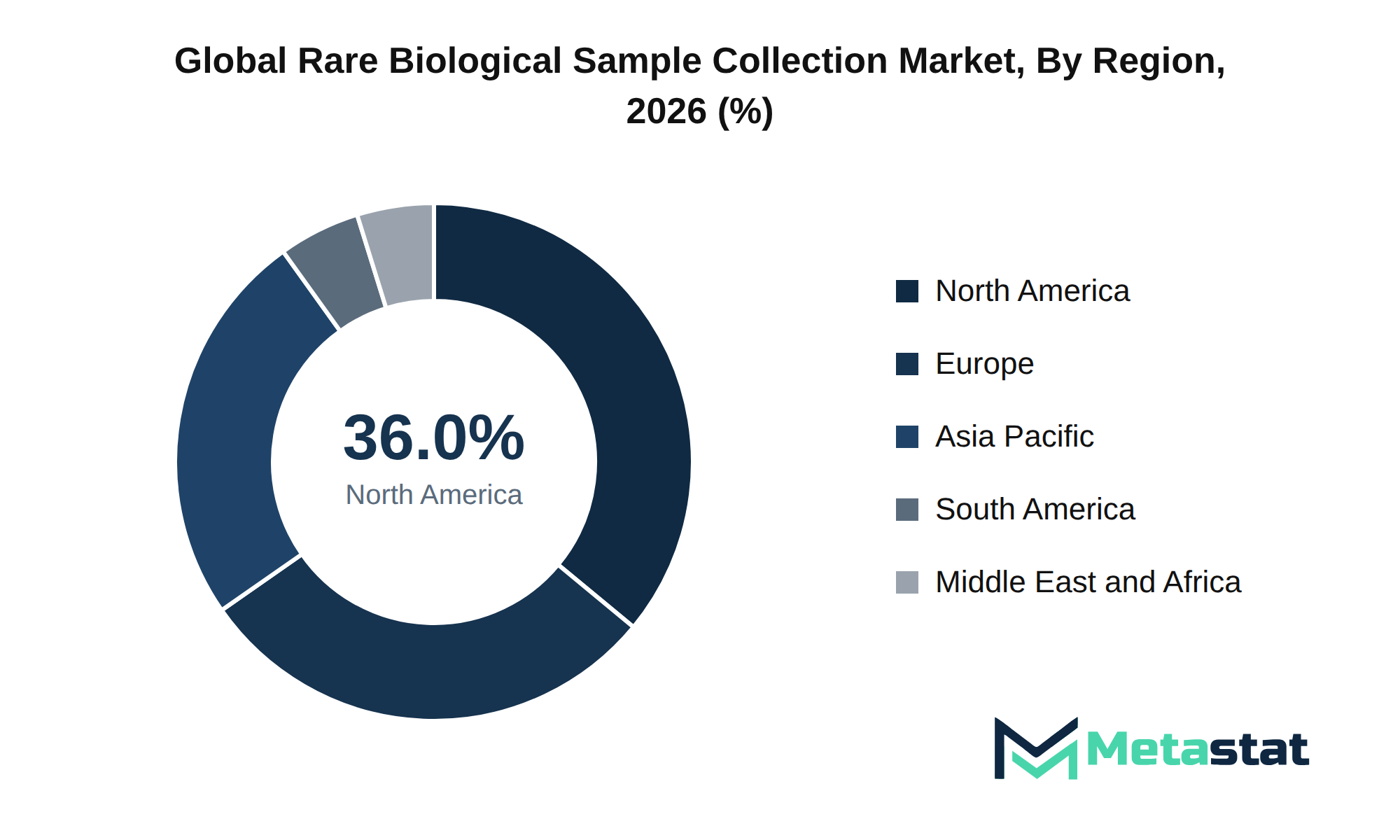
North America holds the largest share of the market at 36%, followed by Europe at 29.3% and Asia Pacific at 24.8%. The regional dynamics illustrate strong adoption of biological sample collection technologies in North America, where the market is expected to reach USD 1,408.4 million by 2033. Factors contributing to this growth include advancements in isolation kits and reagents, which are projected to increase from USD 1,042.8 million in 2026 to USD 2,332.7 million in 2033, reflecting a CAGR of 12.2%.
Blood collection tubes represent another significant segment, with a projected value of USD 1,154 million by 2033, exhibiting a CAGR of 11.8%. The segment categorized "Others" is anticipated to grow, reaching USD 455.3 million by 2033. These segments highlight the diverse applications and technology enhancements that drive the Rare Biological Sample Collection market.
The Rare Biological Sample Collection market experiences significant growth driven by advancements in research and development initiatives. Increased investments in biotechnology and pharmaceutical sectors contribute to expanding operational capacities and capabilities. This growth trajectory directly influences the demand for various sample collection types, especially in oncology and pharmacogenomics applications.
Regulatory compliance and adherence to quality standards present critical factors affecting market dynamics. Organizations emphasize the importance of meeting stringent regulations to ensure the integrity of biological samples. This focus on compliance drives innovation in collection methods and technologies, reinforcing the need for continuous improvement in operational processes.
Supply chain dynamics play an essential role in the Rare Biological Sample Collection market. The logistics architecture serves because a backbone for efficient sample handling and transportation, ensuring timely delivery to research facilities and laboratories. Market players invest in optimizing procurement strategies and enhancing distribution networks to meet growing demand and maintain competitive advantages.
Inflationary pressures and macroeconomic headwinds impact the market environment, influencing cost structures and pricing strategies. Companies navigate these challenges by implementing effective capital allocation strategies, balancing operational expenditures with investments in growth initiatives. This strategic approach strengthens market resilience and positions players for long-term success.
The future strategic outlook for the Rare Biological Sample Collection market remains positive, supported by ongoing innovations and increasing global health awareness. Companies prioritize sustainable transformation efforts, integrating decarbonization initiatives into their operational frameworks. This commitment to sustainability aligns with broader market trends, promoting a culture of responsibility and enhancing brand reputation.
The Rare Biological Sample Collection market experiences robust expansion driven by increasing healthcare expenditure across various regions. Rising government and private sector funding for healthcare facilities and research initiatives enhances demand for biological samples, supporting advancements in diagnostics, treatment, and research. This financial commitment leads to improved infrastructure, technology adoption, and research capabilities, creating a conducive environment for the market.
Healthcare expenditure influences several sectors, including pharmaceuticals, biotechnology, and clinical research organizations. These sectors require substantial quantities of biological samples for drug development, clinical trials, and personalized medicine approaches. The growing focus on precision medicine and data-driven healthcare necessitates high-quality biological samples, propelling demand for effective collection and preservation methods.
While the market expands, companies operating in the Rare Biological Sample Collection market benefit from increased revenue streams and opportunities for innovation. Investment in innovative collection and storage technologies is crucial for maintaining competitive advantages. The anticipated growth in healthcare funding and expenditure is expected to enhance market dynamics, driving advancements in sample collection processes and technologies.
Digital transformation fuels market advancement
The Rare Biological Sample Collection market experiences significant growth driven by advancements in digital transformation and technological integration. Increasing adoption of automation, artificial intelligence, and software solutions enhances operational efficiency and data management practices across various sectors. These developments allow companies to streamline processes, thereby improving sample handling and analysis capabilities. The integration of digital technologies reduces operational costs while maximizing productivity, contributing to a favorable investment environment.
The push towards digitizing legacy processes facilitates the adoption of innovative solutions in sample collection and management. Organizations prioritize modern technologies that optimize workflows, improve data accuracy, and enhance compliance with industry standards. This trend is particularly evident within sectors including healthcare and research, where demand for high-quality biological samples continues to rise.
While demand for precision and accuracy grows, the Rare Biological Sample Collection market stands to benefit from ongoing investments in digital infrastructure. Enhanced capabilities enable stakeholders to meet the needs of increasingly complex research requirements, ultimately driving revenue growth. The strategic focus on digital transformation creates opportunities for market participants to differentiate through improved service offerings and enhanced customer experiences.
Regulatory challenges restrict market growth
Regulatory challenges significantly impact the Rare Biological Sample Collection market. Stringent compliance hurdles arise from evolving legal mandates that impose strict guidelines on the handling and collection of biological samples. Organizations face substantial costs associated with ensuring adherence to these regulations, which limit operational flexibility and increase financial burdens. Smaller entities struggle to compete effectively, restricting overall market growth.
Macroeconomic headwinds, including inflationary pressures and rising operational costs, complicate the market landscape. Organizations encounter difficulties in maintaining profitability while managing escalating expenses tied to sample collection and processing. High capital investment requirements hinder new entrants, limiting competition and innovation within the field. Stagnation in capital investment results in slower technological advancements, undermining the market's potential for expansion.
Supply chain disruptions and geopolitical instability pose additional restraints, creating inconsistencies in the availability of essential materials and resources. These disruptions affect timelines and costs associated with sample collection, impacting service delivery and customer satisfaction. The cumulative effect of these factors contributes to market fragmentation, where inconsistencies in service offerings and capabilities create barriers to entry for potential market players.
Data security vulnerabilities and privacy concerns heighten the stakes for organizations involved in the Rare Biological Sample Collection market. While the digitization of sample data increases, the risk of data breaches rises, prompting firms to invest significantly in cybersecurity measures. These investments add to operational costs, straining resources in an already challenging environment. Overall, these constraints define a complex environment for stakeholders aiming to navigate the Rare Biological Sample Collection market effectively.
Geopolitical fragmentation significantly challenges the Rare Biological Sample Collection market by introducing complexities in trade relationships and regulatory compliance. Nations increasingly adopt protectionist policies, affecting cross-border biopharmaceutical collaborations and supply chains. Such actions create uncertainties for companies operating in multiple jurisdictions, complicating their market strategies and delaying product launches.
Trade deficits and tariff friction exacerbate the situation. Higher tariffs on imported materials and components lead to increased operational costs, impacting pricing strategies and profit margins. Companies face pressure to adapt to fluctuating trade conditions, hindering investment and innovation in the market.
Technological disruptions complicate the market landscape. Rapid advancements in research and development require significant capital investment, which poses challenges for smaller players. Companies that struggle with complex R&D integrations fall behind more agile competitors, affecting their market share and revenue potential.
Supply chain instability remains a critical challenge, particularly with recent global disruptions. Companies encounter rising logistics costs and delays, impacting their ability to deliver products on time. This situation creates a ripple effect, leading to customer dissatisfaction and a loss of market credibility.
Increasing compliance overhead and evolving legal liabilities impose additional burdens on companies. Stricter regulations surrounding biological sample collection necessitate enhanced quality control measures and documentation processes, diverting resources from core operational activities. These challenges limit the ability of firms to respond swiftly to market demands and affect overall competitiveness.
Workforce skill gaps and talent retention pressures pose significant challenges. The market requires specialized expertise in areas including biobanking and bioinformatics, yet the availability of qualified personnel remains limited. Companies struggle to attract and retain talent, hindering their ability to innovate and expand operations effectively.
Environmental sustainability demands introduce further complexity. Companies face pressure to minimize their environmental footprints while adhering to decarbonization mandates. Balancing operational efficiency with sustainability initiatives presents a formidable challenge, influencing market dynamics and growth trajectories.
Emerging regional demands reshape market dynamics
The Rare Biological Sample Collection market presents significant opportunities driven by emerging regional demands and evolving buyer behaviors. Regions including North America and Europe exhibit an increasing focus on advanced healthcare solutions, which heightens the need for innovative biological sample collection methods. The expansion of healthcare infrastructure in Asia Pacific signifies a growing market, fueled by investments in research and development, leading to greater access and enhanced capabilities in biomedical research.
Technological disruptions play a crucial role in shaping the market landscape. Innovations in automation and digital procurement shift traditional buying behaviors, resulting in streamlined processes and improved operational efficiency. These advancements enable suppliers to optimize value chains, thus enhancing the overall market growth trajectory. Consequently, the Rare Biological Sample Collection market benefits from a transition toward next-generation innovations that align with sustainability imperatives and eco-friendly compliance.
Strategic consolidation efforts, including cross-industry mergers and acquisitions, further reinforce market expansion. These initiatives facilitate product integration and diversification, allowing companies to offer comprehensive solutions that meet niche applications in various sectors. The market thrives on these collaborative efforts, driven by firms adapting to regulatory shifts and consumer preferences, consequently driving demand for advanced sample collection technologies.
Geographical expansion remains a key focus, with players strategically localizing supply chains to reduce dependency on imports. This localization enhances resilience and responsiveness to regional demands, positioning the market for continued growth. The Rare Biological Sample Collection market is expected to reach USD 3,942.1 million by 2033, representing a compound annual growth rate (CAGR) of 12.1% from 2026 to 2033, reflecting these market opportunities and emerging trends.
Market Segmentation Analysis
The Global Rare Biological Sample Collection market is segmented based on Type, Application, Sample Source, and Sample Type.
By Type, the market is further segmented into:
Isolation Kits & Reagent
Blood Collection Tubes
Others
Isolation Kits & Reagent
Significant growth characterizes the Isolation Kits & Reagent segment within the Rare Biological Sample Collection market. Valued at USD 1,042.8 million in 2026, this segment is projected to reach USD 2,332.7 million by 2033, reflecting a compound annual growth rate (CAGR) of 12.2% during the forecast period. Primary demand drivers include the increasing prevalence of chronic diseases and the rising need for efficient diagnostic tools, which boost the adoption of these kits in clinical and research settings.
Technological maturation in the development of isolation kits contributes to segment expansion. Innovations in reagent formulations enhance the efficiency and reliability of sample collection processes, attracting greater investment in research and development. The growing emphasis on personalized medicine and genomics increases the demand for advanced isolation kits, facilitating various downstream applications in oncology, transcriptomics, and pharmacogenomics.
Cost structures within the segment remain essential for driving profitability. Pricing volatility of raw materials influences the margins of manufacturers operating in this space, necessitating strategic sourcing and cost management approaches. Effective regulatory compliance standards, alongside certifications, ensure product quality and safety, enhancing consumer confidence and supporting market growth.
Supply chain resilience plays a critical role in maintaining consistent product availability, especially during fluctuations in demand. Potential substitution risks from alternative products exist but are mitigated by the unique advantages offered by isolation kits and reagents. Overall, the Isolation Kits & Reagent segment is poised for substantial growth, underpinned by innovation, regulatory adherence, and heightened demand in the Rare Biological Sample Collection market.
Blood Collection Tubes
Growth in the Blood Collection Tubes segment is driven by increasing demand for accurate diagnostic procedures and advancements in healthcare technologies. Rising prevalence of chronic diseases necessitates efficient blood collection methods, resulting in greater adoption of these tubes. Technological maturation in manufacturing processes enhances product reliability and user satisfaction, promoting segment expansion. The segment is projected to reach USD 1,154 million by 2033, at a CAGR of 11.8% during the forecast period.
End-use dynamics reflect a shift toward more efficient blood collection solutions across various healthcare settings. Hospitals, diagnostic laboratories, and research facilities increasingly prioritize high-quality blood collection tubes to ensure sample integrity and reliability. Regulatory compliance standards further influence market trends, with stringent guidelines driving manufacturers to innovate and enhance product offerings. While competition intensifies, strategic opportunity windows arise for companies to differentiate their products through technological advancements and superior customer service.
Cost structures and pricing volatility present challenges within this segment, impacting overall profit margins. Fluctuations in raw material prices affect production costs, necessitating effective risk management strategies. Companies focused on supply chain resilience and strategic sourcing practices mitigate these pressures, enhancing their competitive positioning. Overall, the Blood Collection Tubes segment represents a significant component of the Rare Biological Sample Collection market, characterized by steady growth and evolving consumer demands.
Others
Growth in the Others segment of the Rare Biological Sample Collection market stems from increasing applications across various biomedical fields. Advancements in biotechnology and the rising demand for rare biological samples in research and diagnostics drive this growth. These factors enable a wider array of industries to expand their research capabilities, particularly in areas including genomics and personalized medicine.
Technological maturation plays a critical role, facilitating next-generation upgrades for sample collection methods that enhance efficiency and accuracy. Innovations in sample preservation techniques further support product evolution, allowing for better storage and transportation solutions. End-use dynamics reflect a shift towards more specialized applications, emphasizing the need for tailored solutions to meet unique research requirements.
Regulatory compliance and evolving certifications influence the market, imposing stringent standards that ensure quality and safety in sample collection practices. This trend drives investment in advanced technologies, creating a competitive landscape where firms invest heavily in research and development to maintain compliance and meet market demands.
Cost structures and pricing volatility present challenges, influencing margin pressures that companies face in this segment. Effective supply chain resilience and strategic sourcing become essential to mitigate risks associated with raw material procurement. Firms navigate substitution risks and disruptive alternatives while continuing to invest in innovation and capacity expansion.
The Others segment is expected to reach USD 455.3 million by 2033. The combination of these factors positions this sub-segment for significant growth within the overall Rare Biological Sample Collection market.
By Application, the market is further segmented into:
Oncology
Transcriptomics
Pharmacogenomics
Others
Oncology
In the oncology application segment, demand for rare biological sample collection experiences significant momentum driven by the rising incidence of cancer worldwide. Enhanced diagnostic and treatment strategies drive the use of biological samples for research, particularly in personalized medicine approaches. Increased investment in oncology research and development contributes to the expansion of this segment, attributed to pharmaceutical and biotechnology companies seeking innovative therapies. The maturation of technologies related to sample processing and preservation facilitates greater adoption among researchers and clinicians, ensuring high-quality specimens for analysis.
Regulatory compliance remains an important aspect, with stringent guidelines governing the collection and handling of biological samples. Adherence to these standards enhances the credibility of research findings while ensuring patient safety. Cost structures within the oncology segment reflect the need for high-quality materials and advanced technologies, creating pricing volatility. The continuous evolution of products and methods helps mitigate these pressures, allowing for improved margins in the long term. The overall capital investment outlook indicates a strong focus on oncology, aligning with the growing demand for targeted therapies and novel treatment modalities.
Strategic opportunity windows arise from the increasing collaboration between academic institutions and industry players, driving innovation in sample collection techniques and applications. Investment in next-generation upgrades and disruptive alternatives strengthens the position of the oncology segment within the rare biological sample collection market. The focus on improving supply chain resilience enhances the capacity to meet demand while addressing potential logistics vulnerabilities in the procurement and distribution of biological samples.
Transcriptomics
Advancements in transcriptomics drive significant interest among researchers and institutions focused on gene expression analysis. The growing emphasis on personalized medicine and targeted therapies enhances demand for biological samples used in transcriptomic studies. Increasing investments in research and development, especially in genomics and biotechnology, drive growth within this segment. The rise of next-generation sequencing technologies allows for more efficient and comprehensive analysis of RNA samples, further propelling adoption across various applications.
Collaborations among academic institutions, biotechnology firms, and pharmaceutical companies enable a better understanding of gene expression dynamics and disease mechanisms. Regulatory compliance standards and certifications play a crucial role in ensuring the reliability and integrity of biological samples, supporting market growth. The focus on innovative technologies and methodologies in transcriptomics highlights the segment's expansion potential within the Rare Biological Sample Collection market.
Technological maturation leads to the emergence of novel methodologies, enabling researchers to obtain more accurate and reproducible results. The increasing acknowledgment of the importance of transcriptomic data in drug development and clinical research promotes a shift in consumption patterns toward high-quality biological samples. Strategic investments in sample collection and processing technologies position industry players to capitalize on emerging opportunities within this growing segment.
Pharmacogenomics
Key drivers for the growth of the pharmacogenomics segment stem from the increasing demand for personalized medicine, which enhances treatment efficacy and minimizes adverse drug reactions. Pharmaceutical companies and healthcare providers prioritize genetic testing to tailor medications based on individual genetic profiles. This trend accelerates the adoption of rare biological sample collection practices in clinical and research settings, leading to improved patient outcomes and optimized drug development processes.
Regulatory bodies advocate for pharmacogenomic testing, establishing guidelines that encourage its integration into clinical practice. Compliance with these regulations supports the segment's expansion, driven by healthcare institutions seeking to enhance their service offerings and align with the latest recommendations. This regulatory landscape promotes investment in innovative technologies and solutions, further driving demand within the market.
Technological advancements significantly impact the evolution of the pharmacogenomics sector. Innovations in genomic sequencing technologies and data analytics enhance the accuracy and efficiency of genetic testing. Such developments encourage healthcare providers to adopt pharmacogenomic testing, resulting in a more tailored approach to patient care. This technological maturation creates strategic opportunities for companies specializing in rare biological sample collection.
The segment influences downstream applications across various therapeutic areas, particularly oncology and cardiology, where genetic factors play a crucial role in treatment selection. This demand shift prompts healthcare practitioners to incorporate pharmacogenomic data into clinical decision-making processes, driving the utilization of rare biological samples for research and diagnostic purposes. Consequently, this shift enhances collaboration between stakeholders, including pharmaceutical companies and healthcare providers, in developing targeted therapies.
Cost structures within the pharmacogenomics segment warrant attention, particularly concerning the pricing volatility associated with genetic tests. The market experiences pressure on margins due to the need for advanced technology and compliance with stringent regulatory standards. However, increased demand for personalized healthcare solutions contributes to a more favorable investment climate, allowing companies to capitalize on emerging opportunities.
Supply chain resilience remains a critical factor in the pharmacogenomics segment, where reliable access to high-quality biological samples is essential for research and development. Companies face challenges related to raw material sourcing and logistics vulnerabilities, necessitating robust supply chain strategies to mitigate risks. The ability to secure and process rare biological samples efficiently enhances competitive positioning within the market.
The pharmacogenomics segment within the rare biological sample collection market presents numerous strategic opportunities. Through technological upgrades or enhanced regulatory compliance, organizations that leverage these trends stand to benefit from increased market penetration and revenue growth. Aligning with the evolving landscape reinforces the importance of pharmacogenomics in shaping the future of personalized medicine.
Innovation in the Rare Biological Sample Collection market drives demand for a variety of applications beyond the primary ones. The necessity for diverse biological samples arises in fields including environmental monitoring, biobanking, and personalized medicine. Increasing research in these areas makes the collection and analysis of rare biological samples essential for clinical and technological advancements.
Adoption of advanced collection techniques and technologies enhances the utility of rare biological samples across various applications. Institutions emphasize the importance of quality and integrity in sample collection, promoting stringent regulatory compliance and quality assurance in processes. Such practices enable robust application in diagnostics, drug discovery, and epidemiological studies.
Technological maturation in collection methods drives segment expansion, with innovations in non-invasive sampling techniques and better preservation methods emerging. The demand for high-quality samples encourages stakeholders to invest in advanced tools and methodologies, enhancing the overall capabilities within the market.
End-use dynamics reflect shifting consumption patterns, where researchers and institutions increasingly prefer reliable and versatile sample sources. This trend influences the requirement for comprehensive strategies focusing on downstream applications. Regulatory compliance standards further dictate the necessity for maintaining high-quality samples, impacting operational practices across the sector.
Strategic opportunity windows emerge due to market players investing in enhancing their product offerings tailored to meet the unique needs of varied applications. By expanding the availability and accessibility of rare biological samples, the market positions itself to capture growing demand across diverse fields, ultimately contributing to an upward trajectory in market growth.
By Sample Source, the market is further segmented into:
Human Samples
Animal Samples
Microbial Samples
Plant Samples
Human Samples
Human samples represent a critical component of the Rare Biological Sample Collection market, primarily driven by increasing demand from various research fields and clinical applications. This growing interest aligns with advancements in personalized medicine and biobanking initiatives, pushing researchers to seek diverse human samples for in-depth analysis.
Technological maturation enhances the collection and preservation of human samples, driving innovation and efficiency. Next-generation sequencing and other analytical techniques have evolved, enabling a deeper understanding of genetic variations and disease mechanisms. This evolution supports the need for high-quality human samples, encouraging research and development across multiple sectors, including pharmaceuticals and diagnostics.
End-use dynamics highlight the significance of human samples across oncology, pharmacogenomics, and transcriptomics. This diversity in application drives strategic partnerships among industry players to enhance their offerings and expand their market presence. Consumption shifts reflect an increase in demand for human samples, driven by the need for comprehensive datasets to inform clinical decisions and scientific research.
Regulatory compliance standards play a crucial role in shaping the landscape of human sample collection. Adherence to ethical considerations and protocols ensures that the collection processes align with legal and societal expectations, thereby enhancing trust among stakeholders. Comprehensive certifications further enhance the credibility of providers in the market.
Pricing volatility and margin pressures specific to human samples affect operational strategies for suppliers. Fluctuations in raw material sourcing and collection processes influence cost structures and pricing models, necessitating adaptability among market participants. Strategic opportunity windows emerge, allowing companies to innovate and capture emerging trends within the human sample segment.
Supply chain resilience remains vital for ensuring the availability of human samples, addressing vulnerabilities in logistics and distribution. Companies focusing on robust supply chain practices mitigate risks associated with disruptions, ensuring consistent access to essential biological materials. This resilience supports the overall growth trajectory of the Rare Biological Sample Collection market.
Animal Samples
Animal samples represent a vital component of the Rare Biological Sample Collection market, with demand driven by their critical applications in veterinary research, biomedical studies, and drug development. Increasing investments in animal health and the rising prevalence of zoonotic diseases further drive the adoption of these samples in scientific research. Enhanced regulations surrounding animal welfare and ethical sourcing guide the collection processes, ensuring compliance with stringent standards.
Technological maturation in sample preservation and processing techniques supports improved quality and reliability, making animal samples more desirable for researchers. The expansion of biobanks focused on animal samples enables greater accessibility and management of these vital resources. Downstream applications across various sectors, including pharmaceuticals and academic research, continue to influence the market dynamics positively.
Cost structures within the segment reflect the investment required for proper sourcing, storage, and handling of animal samples. Pricing volatility remains a consideration, affected by supply chain challenges and fluctuations in demand. Strategic opportunities exist owing to innovations in collection methodologies and processing techniques emerging, enhancing operational efficiencies and potentially lowering costs. While research progresses, the relationship between technological advancements and regulatory frameworks will significantly shape the future of the animal samples segment.
Microbial Samples
Increasing demand for microbial samples arises from their critical applications in research and diagnostics, particularly in the fields of microbiology and infectious diseases. These samples enable the study of microbial behavior, interactions, and genetics, playing a significant role in the development of new therapeutics and vaccines. Research institutions and biotechnology companies drive this demand, seeking to enhance their understanding of complex microbial ecosystems and their impacts on human health.
Technological maturation in sequencing and culturing methods supports segment expansion, enabling more efficient and accurate analysis of microbial samples. Next-generation sequencing technologies, for instance, provide high-throughput capabilities, allowing researchers to gather vast amounts of data from microbial communities. This advancement stimulates interest from a variety of end-users, including pharmaceutical companies, academic institutions, and public health organizations.
Regulatory compliance standards establish a framework for the collection and analysis of microbial samples, ensuring safety and quality. Stricter regulations encourage laboratories to invest in high-quality collection devices and methodologies, leading to improved market offerings. Competitive dynamics within the Rare Biological Sample Collection market drive innovation, resulting in the evolution of products tailored to specific research needs.
Consumption shifts towards personalized medicine and targeted therapies increase the relevance of microbial samples in pharmacogenomics and other applications. Increased awareness of the human microbiome's role in health and disease further strengthens this segment. Capital investment in advanced research initiatives creates an environment conducive to growth, positioning microbial samples because integral components of scientific inquiry and biotechnological advancement.
Plant Samples
Plant samples represent a critical element within the Rare Biological Sample Collection market. Demand for these samples arises from various sectors, including pharmaceuticals, agriculture, and biotechnology, primarily driven by the increasing need for genetic research and crop improvement. Adoption of plant samples in research advances understanding of plant genetics, disease resistance, and climate adaptability.
Segment expansion is driven by technological maturation, which streamlines the processes for collecting, processing, and analyzing plant samples. Next-gen upgrades in DNA sequencing and genetic analysis enhance the quality of results, attracting more researchers and institutions. Increased focus on sustainable agriculture and food security further fuels demand for plant samples to study various crop species and their genetic traits.
Downstream applications in genomics and horticulture drive significant interest in this segment, with end-use dynamics reflecting a shift toward integrating plant samples into various research methodologies. Regulatory compliance standards play a role in ensuring quality and ethical sourcing of samples, which influences the market positively by building trust among researchers.
Pricing volatility of plant samples varies based on availability and demand fluctuations, which create margin pressures for suppliers. Supply chain resilience becomes crucial, particularly owing to sourcing raw materials for sample collection becoming more competitive. Disruptive alternatives, including synthetic biology, threaten traditional methods of plant sample collection, pushing stakeholders to innovate and adapt.
Technological obsolescence impacts suppliers who do not upgrade their methodologies, leaving them vulnerable to competitors using advanced techniques. Strategic opportunity windows exist for companies willing to invest in innovative collection and analysis technologies, enhancing their market position. Untapped markets, particularly in regions with emerging research capabilities, position plant samples because a vital resource in the expanding Rare Biological Sample Collection market.
By Sample Type, the market is further segmented into:
Blood & Blood Derivatives
Tissue & Biopsy Specimens
Cells & Cell Fractions
Bone Marrow & Cord Blood
Urine
Saliva & Buccal Specimens
Swab Specimens
Other Biofluids
Blood & Blood Derivatives
Growing interest in blood and blood derivatives stems from advancements in personalized medicine and the increasing prevalence of chronic diseases. Research institutions and healthcare providers emphasize the importance of these biological samples for diagnostics and treatment development. Demand for blood and blood derivatives is closely linked to the rising need for effective therapeutic solutions, influencing investments in this area.
Technological maturation in blood collection and processing techniques supports the segment's expansion. Innovations in automation, preservation methods, and storage conditions enhance sample integrity and usability, making the market attractive for stakeholders. Next-generation upgrades in sample analysis tools lead to improved accuracy and efficiency, further driving adoption among laboratories and research facilities. This evolution in technology strengthens the overall appeal of the segment.
Segment evolution reflects changing downstream applications, especially in oncology and pharmacogenomics. The use of blood samples for genetic testing and biomarker discovery continues to rise, aligning with the overall trend towards precision medicine. This shift influences end-use dynamics, with healthcare providers seeking reliable sources of biological specimens for clinical applications.
Regulatory compliance remains a critical factor for the blood and blood derivatives segment. Organizations adhere to stringent standards to maintain quality and safety in sample collection and handling. This commitment to regulatory requirements enhances trust among consumers and helps sustain market growth.
Pricing volatility and margin pressures in sourcing raw materials impact operational costs. Suppliers face challenges in maintaining competitive pricing while ensuring high-quality standards. Addressing these cost structures is essential for sustaining profitability in the market. Companies actively explore strategies to mitigate these pressures.
Strategic opportunity windows arise from increasing global demand for biobanking and the need for diverse biological samples. The ability to source high-quality blood derivatives positions companies favorably within the broader rare biological sample collection market. Enhanced supply chain resilience and logistics capabilities further support growth, enabling stakeholders to meet evolving market expectations.
Tissue & Biopsy Specimens
Demand for tissue and biopsy specimens in the Rare Biological Sample Collection market aligns closely with advancements in personalized medicine and targeted therapies. The rising prevalence of chronic diseases and the need for precision diagnostics drive the adoption of these samples in various research and clinical settings. Innovation in diagnostic technologies enhances the utility of tissue and biopsy specimens, increasing their use in biomarker discovery and validation, thereby expanding their application across oncology and other medical fields.
Technological maturation plays a critical role in segment expansion. Enhanced imaging techniques and molecular profiling methods improve the analysis of tissue specimens, resulting in more accurate diagnoses and treatment plans. Collaboration between research institutions and healthcare providers increases the demand for high-quality samples, driven by shared resources that facilitate advancements in research and clinical practice.
Regulatory compliance standards surrounding the use of tissue and biopsy specimens necessitate adherence to stringent quality controls and ethical sourcing. This emphasis on compliance promotes the establishment of certified biobanks, ensuring the availability of reliable samples for research purposes. Consequently, growing awareness of ethical considerations in sample collection and handling influences the market landscape.
Cost structures associated with tissue and biopsy specimens fluctuate based on factors including sourcing, processing, and storage. Variations in pricing affect accessibility for researchers and institutions, especially in developing regions. Strategic opportunities arise from innovations in preservation and stabilization technologies, which aim to reduce costs while maintaining sample integrity.
Supply chain resilience remains a focal point in the market dynamics. Vulnerabilities related to raw material sourcing and logistical challenges necessitate robust strategies to ensure availability and timely delivery of tissue and biopsy specimens. Ongoing investment in supply chain infrastructure is essential to mitigate risks associated with disruptions, thereby supporting consistent market growth.
The tissue and biopsy specimens segment within the Rare Biological Sample Collection market demonstrates significant potential driven by factors including technological advancements, regulatory compliance, and strategic investments. Continued focus on quality and ethical standards will further enhance the relevance of this segment in the evolving landscape of biomedical research and clinical applications.
Cells & Cell Fractions
Cells and cell fractions play a crucial role in the Rare Biological Sample Collection market, driven by their applications in various research fields, including oncology, pharmacogenomics, and tissue engineering. Increased focus on personalized medicine and regenerative therapies fuels demand for these samples, enabling scientists to perform detailed analyses and develop targeted treatments.
Technological advancements in cell isolation and analysis techniques enhance the efficiency and effectiveness of sample collection. Innovations including automated cell sorting and advanced cryopreservation methods improve the quality and viability of collected samples, broadening their applicability across research disciplines.
End-use dynamics reflect a growing reliance on cells and cell fractions in drug discovery and development. Pharmaceutical companies and research institutions increasingly use these samples for high-throughput screening, disease modeling, and biomarker discovery, significantly impacting overall market growth.
Regulatory compliance standards drive the need for stringent quality control measures in the collection and processing of cells and cell fractions. Adherence to guidelines set by regulatory bodies ensures sample integrity and reproducibility, building trust among researchers and end-users.
Price volatility and margin pressures present challenges within this segment, stemming from fluctuations in raw material costs and increased competition among suppliers. Strategic opportunity windows arise for organizations willing to invest in innovative technologies and process improvements, allowing them to stand out in a competitive market.
The market faces potential threats from disruptive alternatives, including synthetic and engineered cell products. These options present a challenge to traditional cell and cell fraction sourcing while encouraging investments in research and development to maintain competitive advantages.
Bone Marrow & Cord Blood
Rising interest in regenerative medicine drives demand for bone marrow and cord blood collection. This segment serves critical roles in treating various hematological disorders and supports advances in cell therapy and transplantation. Institutions focused on oncology and stem cell research increasingly adopt these samples for clinical applications, enhancing treatment efficacy.
Technological maturation contributes significantly to the evolution of collection and preservation techniques. Innovations in processing and storage solutions improve the viability and quality of collected samples, meeting the rigorous standards of regulatory compliance. Continuous advancements in these areas enhance market confidence among stakeholders, including healthcare providers and research institutions.
Growing investment in research funding from both public and private sectors accelerates segment expansion. Competitive pressures push suppliers to enhance service offerings, with an emphasis on quality and reliability, further driving growth in the market. Strategic partnerships among biobanks, healthcare providers, and pharmaceutical companies facilitate greater access to these vital resources.
Regulatory frameworks governing the collection and use of biological samples shape operational dynamics within the segment. Compliance with stringent standards influences pricing structures and impacts margin pressures across the supply chain. Firms strategically invest in quality assurance processes to navigate these challenges, ensuring consistency and safety in sample collection.
Market shifts toward personalized medicine highlight the significance of bone marrow and cord blood samples in therapeutic applications. Treatment paradigms evolve, and the market is projected to experience a higher volume of samples to support emerging therapies, reflecting changing end-use dynamics. This transition emphasizes the segment's role in addressing unmet medical needs.
Urine
Strong demand for urine samples arises from their critical role in various diagnostic and research applications. Increasing awareness of personalized medicine and the need for non-invasive testing methods drive this demand, particularly in fields including pharmacogenomics and oncology. The adoption of urine samples by research institutions and clinical laboratories reflects a growing preference for less invasive procedures, improving patient compliance and comfort. Regulatory bodies emphasize the safety and ethical considerations associated with sample collection, contributing to the segment's expansion within the Rare Biological Sample Collection market.
Technological advancements in urine sample collection and analysis, including the development of novel isolation kits and reagents, significantly enhance the quality and efficiency of urine sample processing. Innovations in biomarker discovery and analytical techniques further facilitate advanced research applications. Competitive pressure among suppliers encourages continuous improvements, ensuring the availability of high-quality products. Strategic collaborations between research institutions and companies support the development of innovative solutions for urine sample collection, positioning the segment for sustained growth.
Shifts in consumption patterns indicate a growing preference for urine samples in clinical diagnostics, supported by the rising prevalence of chronic diseases. Healthcare providers increasingly recognize the value of urine analysis in disease prevention, diagnosis, and monitoring. This awareness creates a more favorable environment for urine sample adoption across various healthcare settings. The market is projected to experience further growth, driven by ongoing investments in research and development, which aim to enhance the capabilities and applications of urine samples within the Rare Biological Sample Collection market.
Saliva & Buccal Specimens
Growing focus on non-invasive diagnostic methods drives interest in saliva and buccal specimens within the Rare Biological Sample Collection market. These specimens support various applications, including genomic and biomarker studies, which contribute to the personalization of medicine. Enhanced accuracy and reliability in diagnostic testing fuel the adoption of these sample types, particularly in genomic research and clinical trials.
Technological advancements in collection, preservation, and analysis techniques support the segment’s expansion. Innovations in collection devices, which simplify sample collection from patients, increase acceptance among healthcare professionals and patients alike. This convenience encourages the use of saliva and buccal specimens, driven by reliable alternatives to invasive methods.
Demand for saliva and buccal specimens aligns with the increasing prevalence of chronic diseases and the growing emphasis on preventive healthcare measures. While healthcare providers seek to enhance patient engagement and compliance, saliva-based tests represent an attractive option due to their non-invasive nature. This trend expands opportunities for stakeholders involved in the collection and analysis of rare biological samples and influences market dynamics.
Regulatory compliance and certification standards play a crucial role in shaping the segment’s landscape. Adherence to guidelines established by regulatory bodies ensures the quality and safety of saliva and buccal specimens used in clinical settings. This compliance not only builds trust among end-users but enhances the market’s credibility.
Strategic partnerships and collaborations between research institutions and companies specializing in saliva collection technologies lead to innovative solutions. These alliances facilitate the development of next-generation products that meet the evolving demands of researchers and clinicians. Such initiatives enhance competition in the market, driving further advancements in the collection and analysis of saliva and buccal specimens.
Swab Specimens
Increasing adoption of swab specimens arises from their versatility in various diagnostic applications, including infectious diseases and molecular testing. The ease of collection and non-invasive nature of swabs enhance their appeal among healthcare providers and researchers. Enhanced precision in diagnostic methodologies fuels demand for these samples, particularly in epidemiological studies and outbreak responses.
Technological advancements contribute significantly to the segment's growth. Innovations in swab materials and designs improve sample integrity and reliability, driving further adoption within laboratories and clinical settings. The development of advanced swab kits equipped with specific reagents streamlines the testing process, enhancing workflow efficiency.
Regulatory compliance standards for sample collection and handling play a critical role in shaping the segment. Stringent regulations ensure high quality and safety standards, which ultimately influences end-user confidence in swab specimens. Suppliers striving for compliance often invest in certifications that strengthen their market position.
Shifts in consumption patterns reflect an increasing preference for minimally invasive diagnostic methods. This trend, supported by growing patient awareness and acceptance, increases the demand for swab specimens. Institutions emphasize user-friendly collection methods, promoting swabs because a preferred choice for various testing scenarios.
Market players are actively exploring strategic opportunities to expand their product offerings. Collaborations with research institutions and healthcare providers enhance access to diverse applications of swab specimens. This strategic alignment encourages innovation and positions companies favorably within the Rare Biological Sample Collection market.
Other Biofluids
Interest in other biofluids stems from their diverse applications across various fields, including biomarker discovery and disease diagnostics. Increasing utilization in clinical research enhances the significance of this sub-segment, driven by researchers seeking to explore novel methods for assessing health conditions. The Rare Biological Sample Collection market benefits from advancements in collection techniques and analysis technologies that improve the accuracy and reliability of biofluid samples.
Growing awareness of personalized medicine drives demand for other biofluids, attributed to these samples playing a crucial role in tailoring treatments to individual patient needs. Adoption across therapeutic areas including oncology and pharmacogenomics demonstrates the market's expansion potential, with ongoing research focusing on the efficacy of biofluid analysis in disease management. Regulatory compliance standards further promote the use of these samples, enhancing their appeal in research and diagnostics.
Investment in next-generation technologies supports the evolution of biofluid collection methods, which leads to improved sample handling and processing. Strategic opportunity windows arise owing to the market focusing on innovative solutions that address current limitations in biofluid utilization. Ongoing product evolution highlights the importance of continually adapting to the needs of researchers and clinicians, ensuring that biofluids remain a valuable asset in the Rare Biological Sample Collection market.
By Region
Based on geography, the Global Rare Biological Sample Collection market is divided into North America, Europe, Asia-Pacific, South America, Middle East, and Africa.
North America
North America is positioned because a significant player in the Rare Biological Sample Collection market, with a projected market size of USD 1,408.4 million by the end of 2033. This region accounts for 36.00% of the global market in 2025, highlighting its dominance and critical role in the industry.
The expansion of the market in North America is driven by several factors, including technological advancements in sample collection methods, an increase in research activities, and a rising emphasis on precision medicine. The healthcare sector in the United States, Canada, and Mexico has prioritized the incorporation of advanced biological sampling techniques, resulting in heightened demand for various sample types, including blood, tissue, and microbial samples.
Infrastructure modernization further supports the growth of the Rare Biological Sample Collection market in North America. Enhanced laboratory capabilities and the introduction of innovative solutions enable efficient sample processing and analysis. These improvements benefit pharmaceutical companies, research institutions, and diagnostic laboratories, allowing them to streamline their operations and enhance research outcomes.
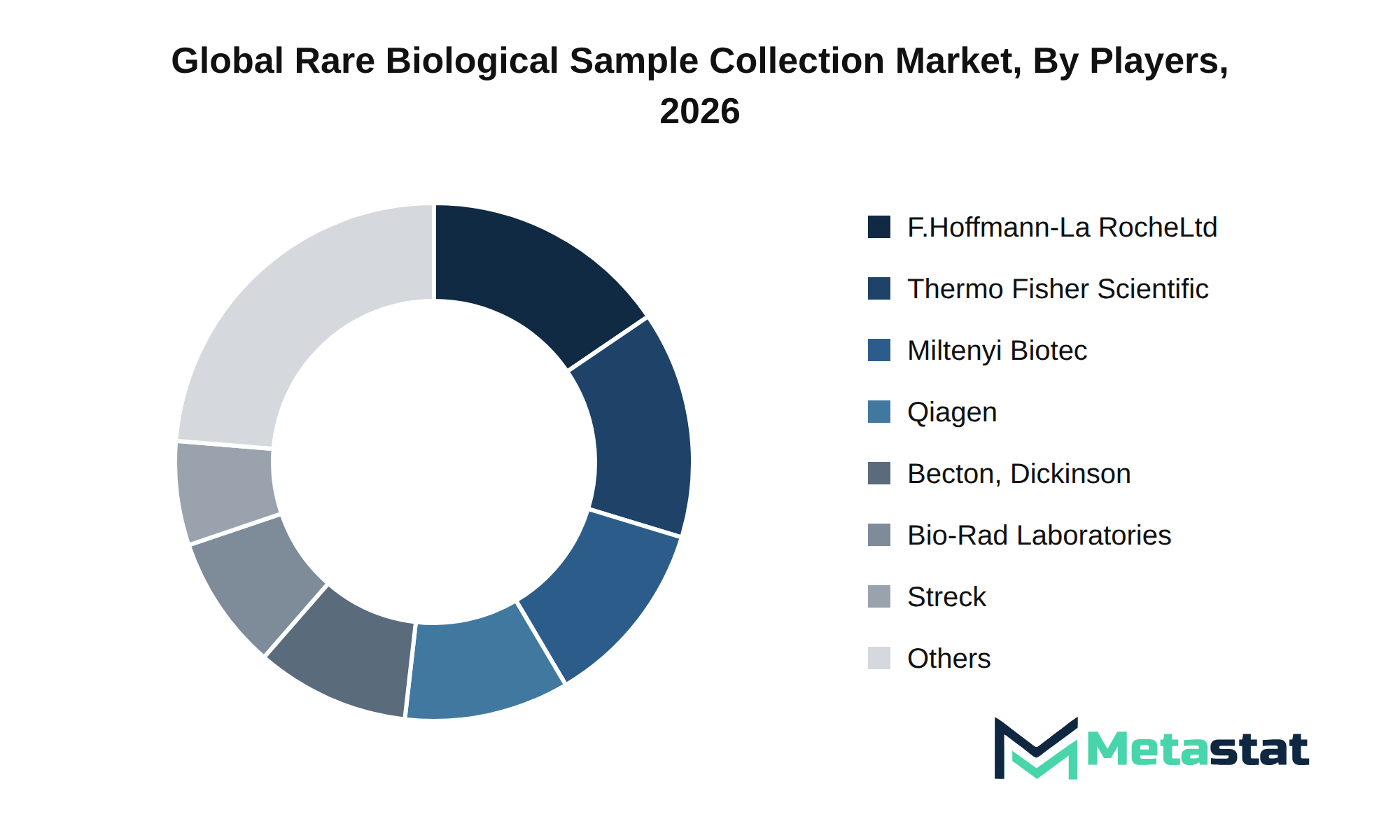
Competitive dynamics within the region are characterized by the presence of established players including Miltenyi Biotec, F. Hoffmann-La Roche Ltd., and Thermo Fisher Scientific Inc. These companies continuously invest in research and development to maintain their market positions while addressing evolving customer needs. This competitive landscape encourages innovation and further drives market growth.
Robust demand, infrastructure modernization, and a competitive environment position North America because a critical region for the Rare Biological Sample Collection market, poised for continued expansion throughout the forecast period.
Europe
Europe represents a significant portion of the Rare Biological Sample Collection market, accounting for 29.3% of the global share in 2025. Germany, France, the UK, Italy, Spain, and Russia emerge because key contributors to market growth, driven by advancements in healthcare and biotechnology. Increasing investments in research and development within these countries support the adoption of innovative collection methods and technologies.
The presence of established healthcare infrastructure and regulatory frameworks facilitates efficient sample collection and processing. Emerging market front-runners in Europe leverage localized manufacturing densities and strategic entry barriers to enhance their competitive positioning. Countries with robust research institutions and universities, including Germany and the UK, promote collaboration between academic and commercial sectors, further driving demand.
Mature market dynamics in Europe indicate a shift towards high-value replacement cycles, particularly in isolation kits and reagents, which are projected to grow significantly. Incremental growth vectors, including the adoption of advanced technologies for sample collection and handling, contribute to expanding the market landscape. Geopolitical fragmentation and cross-border trade corridors impact sourcing strategies, influencing procurement dynamics across the region.
Compliance with geographic regulatory frameworks, including local mandates, shapes market activities and aligns with broader healthcare objectives. Domestic market participants collaborate with vendors to consolidate their offerings, enhancing supply chain efficiencies. The diverse cultural nuances across European countries affect regional B2B buying behaviors, highlighting the importance of tailored marketing approaches in the Rare Biological Sample Collection market.
Overall, the combination of strong regional resource availability, energy grid resiliency, and local infrastructure readiness positions Europe for sustained growth in the Rare Biological Sample Collection market through the forecast period. The market is projected to reach USD 3,942.1 million by 2033, reflecting a compound annual growth rate of 12.1% from the base year 2025.
Asia-Pacific
The Asia-Pacific region accounts for an increasing share of the Rare Biological Sample Collection market. Rapid advancements in healthcare infrastructure and rising research activities in biotechnology and pharmaceuticals contribute to this growth. Countries including China and India emerge due to key players, driven by large populations and rising investments in healthcare. The region's diverse applications of biological samples in areas like oncology and pharmacogenomics further stimulate demand, enhancing market expansion.
Infrastructure modernization and heightened focus on precision medicine drive adoption rates across the region. Localized manufacturing densities in countries like South Korea and Japan improve availability and reduce lead times. Strategic entry barriers, including compliance with local regulations, encourage foreign direct investment, leading to a more competitive landscape. Domestic market participants, including Miltenyi Biotec and Thermo Fisher Scientific Inc., strengthen their positions through innovative product offerings tailored to regional needs.
Geographic regulatory frameworks and compliance mandates play an important role in shaping market dynamics. Countries actively work to streamline regulations, facilitating smoother operations for vendors and ensuring product availability. Cultural nuances influence regional B2B buying behaviors, with an increasing preference for locally sourced products. This trend highlights the importance of understanding specific market needs to capture growth opportunities.
Incremental growth vectors, including high-value replacement cycles for existing products, present additional avenues for revenue generation. With a projected compound annual growth rate of 12.1% from 2026 to 2033, the market is expected to exhibit robust expansion. Emerging market front-runners, particularly in Southeast Asia, will likely capture attention because healthcare priorities shift and funding becomes more readily available.
South America
Brazil and Argentina lead the South American market for Rare Biological Sample Collection. An increasing focus on research and development within the healthcare sector drives demand for biological samples, particularly in oncology and pharmacogenomics applications. The region's diverse demographics and evolving healthcare infrastructure act because catalysts for growth.
Infrastructure modernization enhances sample collection and processing capabilities. Investments in laboratory facilities and equipment expand the available resources for researchers, enabling more effective sample utilization. Local compliance mandates and regulatory frameworks shape vendor strategies, compelling them to adapt their offerings to meet regional standards.
The market benefits from a growing emphasis on cross-border trade corridors that facilitate the movement of biological samples. Strong relationships among domestic market participants and international vendors create a competitive environment where innovation thrives. Companies including Qiagen N.V., F.Hoffmann-La Roche Ltd., and Thermo Fisher Scientific Inc. actively engage in the region, contributing to a more robust supply chain.
Localized procurement dynamics highlight the importance of understanding cultural nuances in B2B purchasing behaviors. Tailored marketing strategies and partnerships with local entities help suppliers establish a foothold in the market. The potential for incremental growth vectors exists, particularly in underpenetrated territories, presenting opportunities for market expansion in the coming years.
Middle East and Africa
The Rare Biological Sample Collection market in the Middle East and Africa is projected to account for a notable share of the global market in 2025. Significant drivers for growth include increasing investments in healthcare infrastructure and the rising prevalence of chronic diseases, which fuel demand for biological samples. The region's diverse healthcare landscapes, with countries like Saudi Arabia and the UAE leading in modernization efforts, enhance the capabilities for biological sample collection and processing.
South Africa stands out because a key market, benefiting from a growing focus on research and development in biotechnology. Efforts to improve local compliance with international quality standards are evident, facilitating better procurement practices. The Rest of Middle East and Africa presents a mix of emerging and mature market dynamics, where investment in localized manufacturing and supply chain regionalization contributes to market expansion.
Geopolitical factors shape trade policies, influencing the availability and cost of biological samples. Localized manufacturing densities and foreign direct investment (FDI) flows are crucial in developing robust supply chains. These conditions create an environment conducive to the growth of the Rare Biological Sample Collection market, offering substantial opportunities for key players in the region.
Competitive Landscape and Strategic Insights
The Rare Biological Sample Collection market experiences notable competitive dynamics driven by strategic mergers, acquisitions, and partnerships. Companies including Miltenyi Biotec, F.Hoffmann-La Roche Ltd., and Thermo Fisher Scientific Inc. leverage collaborative initiatives to enhance their market positions, expand their product portfolios, and access new technologies. These alliances facilitate innovation within R&D pipelines, enabling participants to introduce differentiated offerings tailored to various applications, including oncology and pharmacogenomics.
Pricing architectures reflect varying commercial models adopted across the market, with bio-pharmaceutical firms emphasizing value-based pricing strategies. This approach aligns product offerings with clinical outcomes, enhancing brand equity and customer retention. Key players including Qiagen N.V. and Becton, Dickinson and Company actively engage in market differentiation through proprietary technologies and robust intellectual property portfolios, establishing barriers to entry for potential new entrants.
Given the evolving landscape, the threat of startup disruption dynamics remains significant. Emerging firms, including DNA Genotek Inc. and Zymo Research Corporation, introduce innovative solutions that challenge established players. The emphasis on supply chain dominance and procurement leverage enhances operational efficiencies, further influencing competitive strategies. In this environment, companies focus on integrating value chains to optimize resource allocation and sustain growth within the market.
The future competitive outlook indicates ongoing emphasis on defensive imperatives and strategic growth vectors. Firms continue to invest in research and development while exploring opportunities for expansion in underpenetrated regions, particularly in Asia Pacific and South America. This strategic focus drives the market toward anticipated growth, with projections estimating a value of USD 3,942.1 million by 2033.
Forecast and Future Outlook
Market size is forecast to rise from USD 1,596.4 million in 2025 to over USD 3,942.1 million by 2033, reflecting a compound annual growth rate (CAGR) of 12.1%. This growth trajectory arises from several factors, including increasing demand for advanced biotechnological applications, rising investments in research and development, and an expanding base of healthcare providers seeking high-quality biological samples for diagnostic and therapeutic purposes.
In the bull case scenario, heightened adoption of next-generation technologies, alongside accelerated regulatory approvals, could lead to even faster market growth. Conversely, in a bear case scenario, potential geopolitical tensions and supply chain disruptions could hinder market expansion, affecting the availability and distribution of biological samples. Nonetheless, the Rare Biological Sample Collection market is projected to experience significant growth, driven by ongoing advancements in medical research and the rising need for personalized medicine.
The report strategically identifies and profiles the key market players and analyses their core competencies in each sub-segment of the Rare Biological Sample Collection market.
Report Attributes
Details
Study Period
2021-2033
Base Year
2025
Estimated Year
2026
Forecast Period
2026-2033
Historical Period
2021-2025
Growth Rate
CAGR 12.1% from 2026 to 2033
Revenue Unit
USD million
Segmentation
By Type, Application, Sample Source, Sample Type, and Region
By Region
North America (By Type, Application, Sample Source, Sample Type, and Country)
United States
Canada
Mexico
Europe (By Type, Application, Sample Source, Sample Type, and Country)
Germany
France
UK
Italy
Spain
Russia
Rest of the Europe
Asia Pacific (By Type, Application, Sample Source, Sample Type, and Country)
China
Japan
India
South Korea
Australia
Southeast Asia
Rest of Asia Pacific
South America (By Type, Application, Sample Source, Sample Type, and Country)
Brazil
Argentina
Rest of South America
Middle East and Africa (By Type, Application, Sample Source, Sample Type, and Country)
Saudi Arabia
UAE
South Africa
Rest of Middle East and Africa
WHAT REPORT PROVIDES
Key Company Market Share, Revenue and Ranking for the Rare Biological Sample Collection Market
Key Market Leaders and Their Strategies in the Industry
Full In-Depth Analysis of the Parent Industry Trends
Industry Statistics and Important Changes in Market Dynamics
Segmentation Details of the Rare Biological Sample Collection Market
Historical, Ongoing, and Projected Market Analysis
Assessment of Niche Industry Developments and Opportunities
Company Profiles of Key Players and Unique Selling Propositions
Find answers to common questions about this report
The Rare Biological Sample Collection market size was valued at USD 1,596.4 million in 2025.
The Rare Biological Sample Collection market is projected to grow at a CAGR of 12.1% during the forecast period from 2026 to 2033.
The North America Rare Biological Sample Collection market size is estimated to reach USD 1,408.4 million by 2033.
Isolation Kits & Reagent lead the Rare Biological Sample Collection market, with a projected value of USD 2,332.7 million by 2033. This segment outpaces Blood Collection Tubes, which are expected to reach USD 1,154 million in the same year.
The Rare Biological Sample Collection market experiences growth driven by increasing healthcare expenditure across various regions. Rising government and private sector funding for healthcare facilities and research initiatives enhances demand for biological samples, supporting advancements in diagnostics, treatment, and research. This financial commitment leads to improved infrastructure and technology adoption, fostering a conducive environment for the market.
North America holds the dominant share of the Rare Biological Sample Collection market, accounting for USD 1,408.4 million in 2033, representing 36 percent of the total market. This region's significant share reflects its advanced healthcare infrastructure and strong research capabilities.
Regulatory challenges significantly impact the Rare Biological Sample Collection market due to stringent compliance requirements that increase operational costs and limit flexibility. Macroeconomic headwinds, including inflation and rising expenses, further complicate profitability, while supply chain disruptions and geopolitical instability create inconsistencies in resource availability, affecting service delivery. These factors collectively hinder market growth and innovation.
Increasing healthcare expenditure and rising government and private sector funding enhance demand for biological samples. The focus on precision medicine and digital transformation drives the need for efficient sample collection and management solutions, creating favorable conditions for product adoption in the Rare Biological Sample Collection market.
The Rare Biological Sample Collection market is estimated to reach a valuation of USD 3,942.1 million by 2033.
Key players in the Rare Biological Sample Collection market include Miltenyi Biotec, F. Hoffmann-La Roche Ltd., Qiagen N.V., Thermo Fisher Scientific Inc., Bio-Rad Laboratories, Inc., Becton, Dickinson and Company, and Charles River Laboratories International, Inc.
Fc Protein and Glycoengineered Antibodies Market Size, 2033
Global Fc Protein and Glycoengineered Antibodies market size: USD 39.3 million in 2025, forecast USD 93.9 million by 2033 at a 11.5% CAGR.
Fc Protein and Glycoengineered Antibodies market, Fc Protein and Glycoengineered Antibodies Market Size, Fc Protein and Glycoengineered Antibodies Market Share, Fc Protein and Glycoengineered Antibodies Market Analysis, Fc Protein and Glycoengineered Antibodies Market Growth, Fc Protein and Glycoengineered Antibodies Market Trends, Fc Protein and Glycoengineered Antibodies Market Research Report, Fc Protein and Glycoengineered Antibodies Market Forecast, Fc Protein and Glycoengineered Antibodies, Fc Protein and Glycoengineered Antibodies Market Research, Fc Protein and Glycoengineered Antibodies Industry, Fc Protein and Glycoengineered Antibodies Industry Report, Fc Protein and Glycoengineered Antibodies Market Data, Fc Protein and Glycoengineered Antibodies Statistics, Fc Protein and Glycoengineered Antibodies Market Statistics, Fc Protein and Glycoengineered Antibodies Industry Trends, Fc Protein and Glycoengineered Antibodies Market Report, Fc Protein and Glycoengineered Antibodies Market Trends, Fc Protein and Glycoengineered Antibodies Market News, Fc Protein and Glycoengineered Antibodies Forecasts, Fc Protein and Glycoengineered Antibodies Market Intelligence Report, Fc Protein and Glycoengineered Antibodies market outlook, Fc Protein and Glycoengineered Antibodies market segmentation, Fc Protein and Glycoengineered Antibodies market drivers, Fc Protein and Glycoengineered Antibodies market restraints, Fc Protein and Glycoengineered Antibodies market opportunities, Fc Protein and Glycoengineered Antibodies market CAGR, Fc Protein and Glycoengineered Antibodies suppliers, Fc Protein and Glycoengineered Antibodies manufacturers, Fc Protein and Glycoengineered Antibodies market by region, North America Fc Protein and Glycoengineered Antibodies market, Asia Pacific Fc Protein and Glycoengineered Antibodies market, Europe Fc Protein and Glycoengineered Antibodies market, Fc Protein and Glycoengineered Antibodies market competitive landscape, Fc Protein and Glycoengineered Antibodies market key players, Fc Amino Acid and Protein Engineering market, Fc Glycoengineering and Afucosylation market, Oncology Fc Protein and Glycoengineered Antibodies market, Commercialized Products Fc Protein and Glycoengineered Antibodies market.