Global Dietary Supplements Market Size, Share, By Product Type (Vitamins, Minerals, Herbal and Botanical Supplements, Protein and Amino Acid Supplements, Probiotics, Prebiotics and Digestive Health Supplements, Omega Fatty Acid Supplements, Collagen and Beauty Supplements), By Form (Tablets and Capsules, Gummies and Chewables, Powders, Softgels, Liquids, Drops and Sprays, Functional Foods and Fortified Confectionery), By Health Benefit (General Wellness and Immunity, Digestive and Gut Health, Sports Performance and Muscle Recovery, Bone and Joint Health, Beauty, Skin, Hair and Nails, Weight Management and Metabolic Health, Cognitive Health, Stress and Sleep), By Sales Channel (Pharmacies and Drug Stores, Supermarkets and Hypermarkets, Online Marketplaces and DTC Platforms, Health and Specialty Nutrition Stores, Practitioner and Direct Selling Channels), Industry Analysis, Growth, Trends, and Forecast, 2026-2033
Report ID
MSI-4836
Published
August 2, 2026
Pages
282 Pages
Format
Market Size 2021
USD 140.5 Billion
Historical
Market Size 2025
USD 202.6 Billion
Base year
Market Size 2033
USD 431.3 Billion
Forecast
CAGR 2025-2033
9.9%
Forecast period
Report Details
Comprehensive Market Analysis And Insights
Market Overview
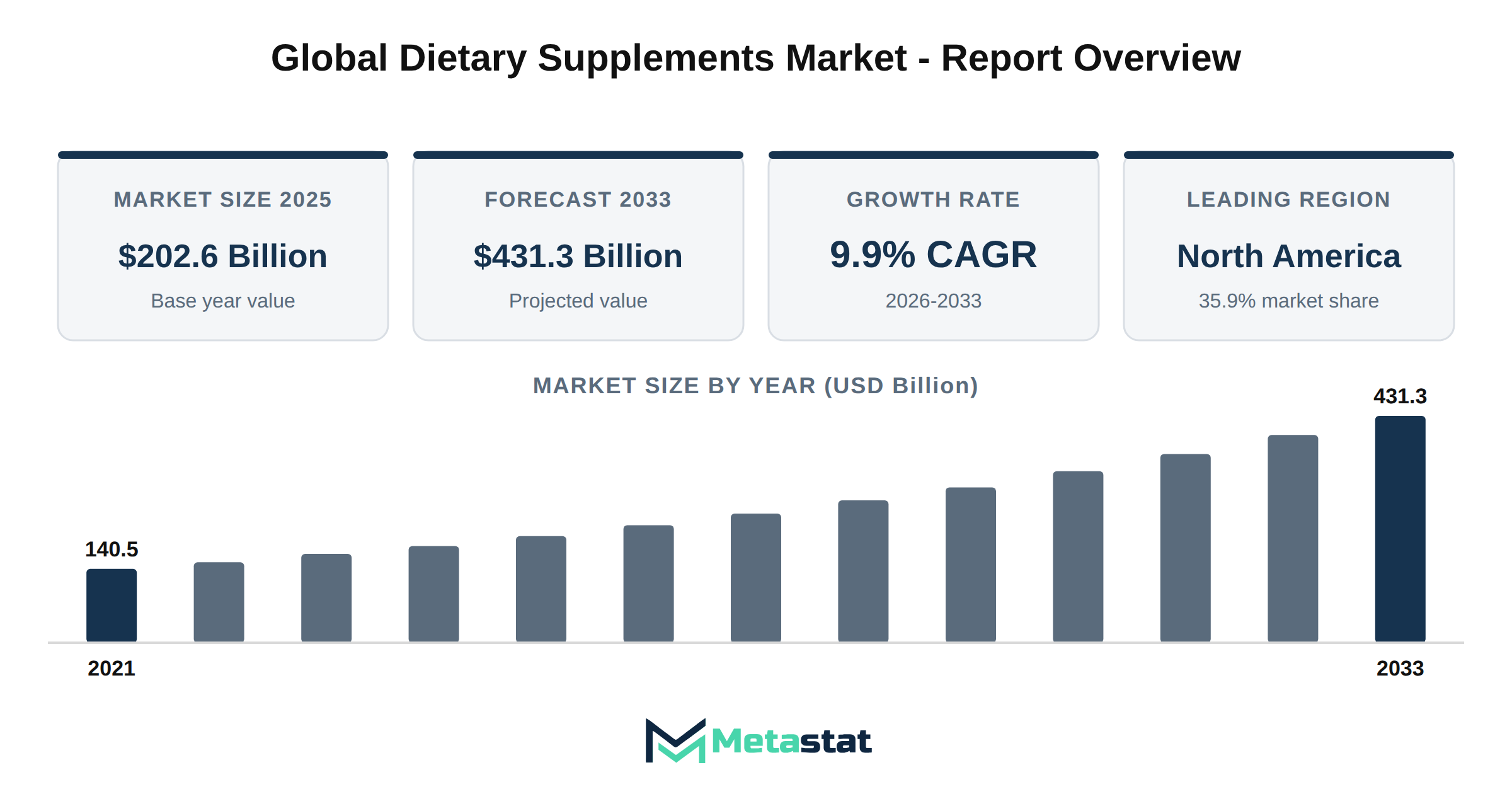
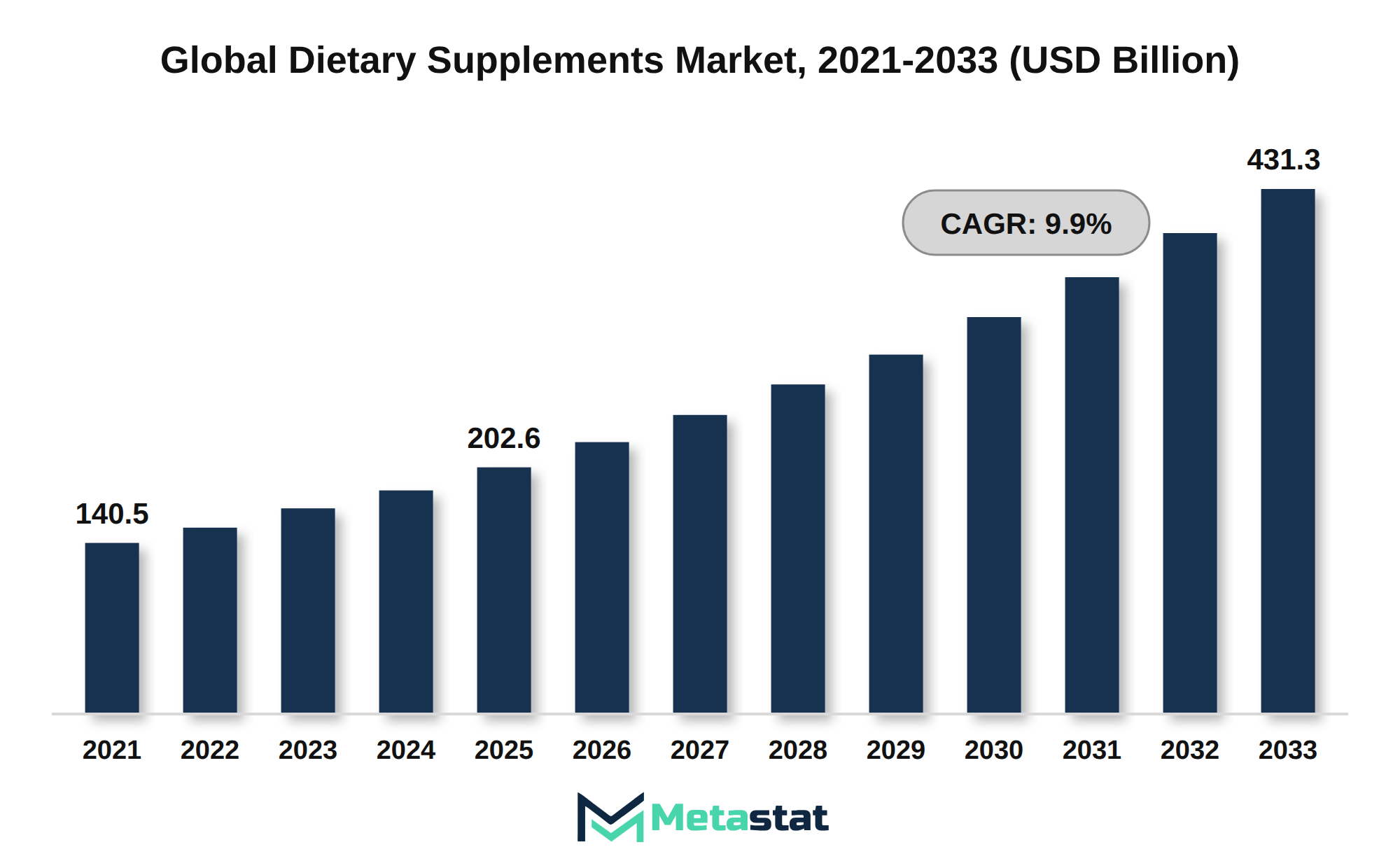
The global Dietary Supplements market was valued at USD 202.6 billion in 2025 and is projected to reach USD 431.3 billion by 2033, growing at a CAGR of 9.9% over the forecast period.
Market Dynamics Landscape
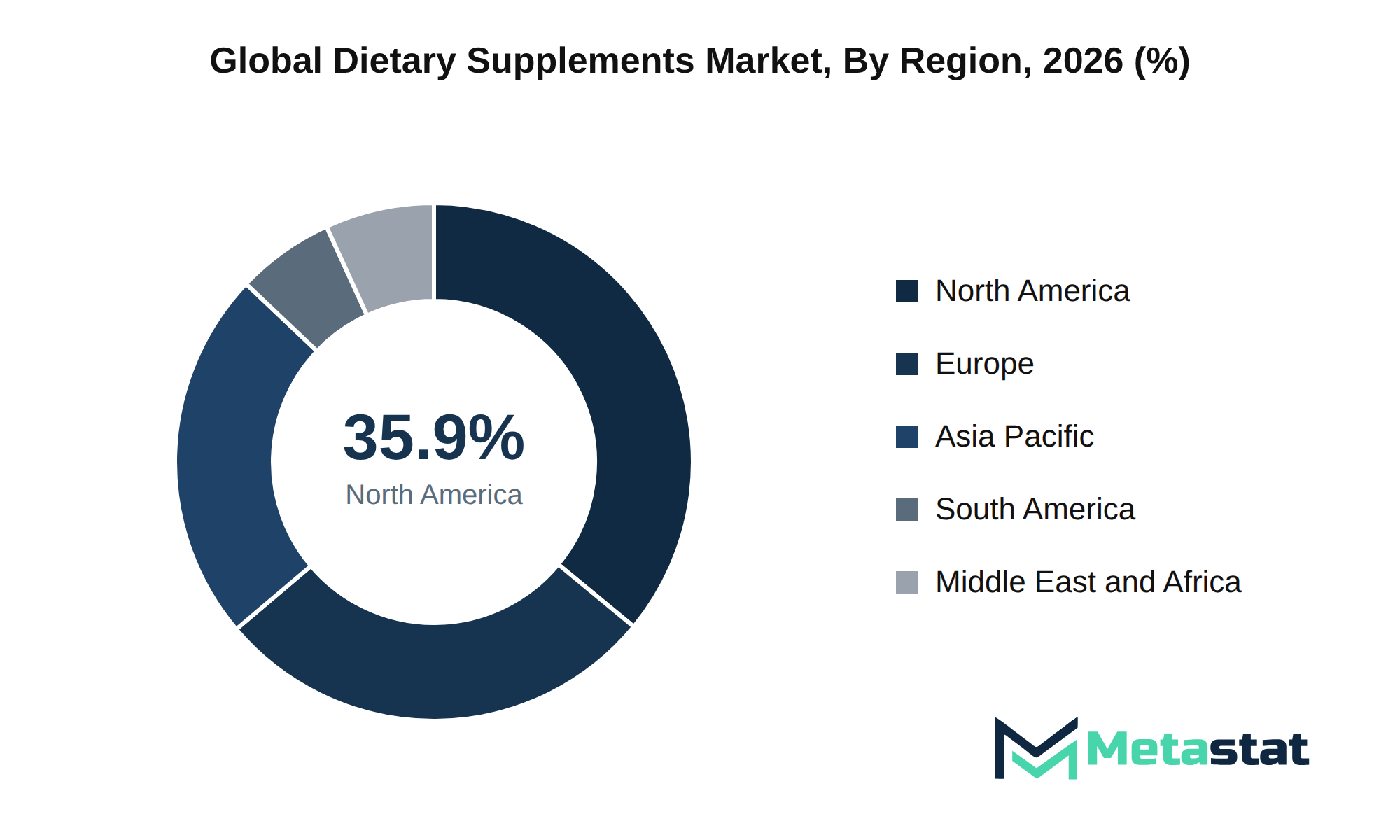
North America holds a share of 35.9% in 2025, with the United States leading the market share in 2026. This dominance results from growing consumer awareness regarding health and wellness, leading to an increased demand for dietary supplements. Rising disposable income among consumers supports spending on health-related products, driving market growth.
Europe follows closely with a share of 27.8%, where an emphasis on preventive healthcare continues to influence purchasing patterns. Regulatory compliance ensures product safety and efficacy, which builds consumer trust. The market in Europe is expected to experience steady growth driven by innovation and product development.
Asia Pacific accounts for 23.2% of the market, with rapid urbanization and changing lifestyles contributing to a surge in demand for dietary supplements. Increasing health consciousness, alongside a rising middle class, creates opportunities for market players to expand their presence in this region. Ongoing investments in research and development enhance product offerings and nutritional profiles, supporting the market's growth trajectory.
South America and the Middle East and Africa holds 6.1% and 6.8% of the market share respectively. The focus on health supplements is growing, albeit at a slower pace compared to other regions. Economic challenges and varying regulatory frameworks impact growth rates. However, an evolving consumer base interested in health and wellness products signals potential for future expansion in these markets.
Market Trends and Future Outlook in the Dietary Supplements Market
Regulatory compliance continues to shape the Dietary Supplements market, with increasing scrutiny on product safety and efficacy. Governments worldwide are implementing stricter guidelines, compelling manufacturers to enhance transparency and adhere to high-quality standards. This regulatory environment influences operational costs and product development timelines, impacting market dynamics and competitive positioning.
Geopolitical risk frameworks impact supply chains and sourcing strategies across the market. Political tensions and trade policies create uncertainties that affect the availability of raw materials and product distribution. Companies navigate these complexities to sustain their supply chains and maintain product accessibility, which directly influences pricing strategies and profit margins.
Research and development trajectories have accelerated, driving innovation in product formulations and delivery methods. Companies invest significantly in R&D to develop next-generation supplements that cater to evolving consumer preferences and health trends. This focus on innovation enhances market competitiveness and opens new revenue streams, positioning firms favorably for future growth.
Sustainable transformation is becoming a core focus within the market. Companies are adopting environmentally friendly practices, including sustainable sourcing and eco-friendly packaging, to align with consumer demand for responsible products. This shift enhances brand loyalty and contributes to overall market growth by attracting environmentally conscious consumers.
Supply chain dynamics are undergoing significant changes due to factors including inflationary pressures and currency volatility. Increases in transportation and manufacturing costs affect pricing strategies and profit margins. Companies are re-evaluating their logistics architecture to enhance efficiency and reduce operational costs, ensuring competitiveness in a challenging economic landscape.
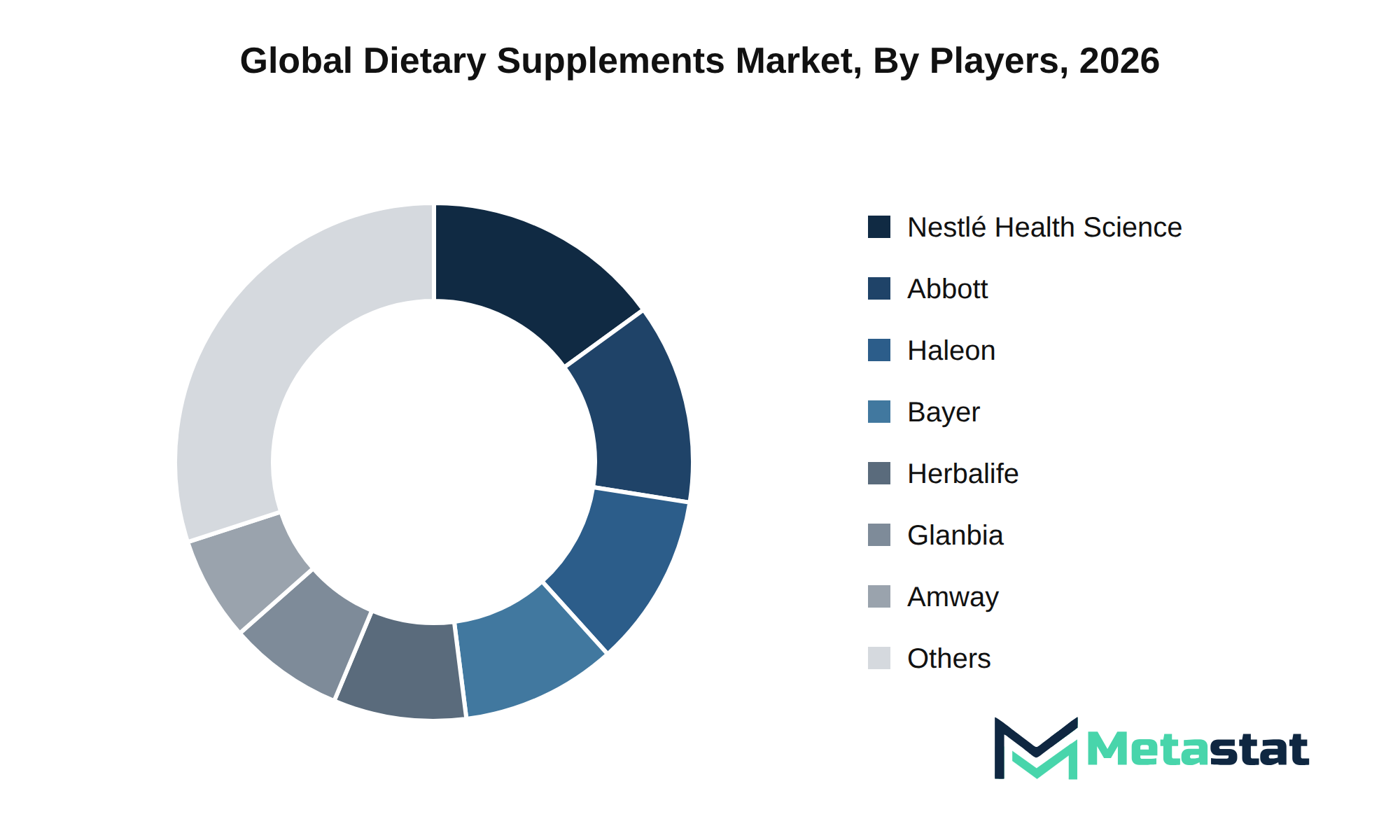
The competitive landscape of the Dietary Supplements market is marked by fragmentation, with numerous players striving for market share. Key companies include Nestlé Health Science, Bayer, Herbalife, and Amway, each implementing distinct strategies to differentiate themselves. M&A dynamics shape the market, with firms pursuing strategic partnerships and acquisitions to expand their portfolios and enhance market reach.
Future strategic outlook indicates significant growth potential, with the market projected to reach USD 431.3 billion by 2033, driven by increasing health awareness and demand for preventive healthcare solutions. Capital allocation towards innovation, sustainability, and enhanced customer engagement strategies is essential for companies to capitalize on emerging opportunities and navigate potential challenges in the evolving market landscape.
Growing awareness of health and wellness among aging populations fuels increased consumption in the Dietary Supplements market. Factors including lifestyle changes and urbanization contribute to evolving consumer behaviors, driving demand for various supplement forms and health benefits. The shift towards a health-conscious lifestyle encourages individuals to seek products that support overall wellness and immune health.
Increased life expectancy and the prevalence of chronic diseases among older adults create a stronger emphasis on preventive health measures. This demographic prioritizes dietary supplements that enhance immunity, support cognitive function, and promote bone and joint health. Consequently, manufacturers expand their product lines to cater to these needs, resulting in a more diverse market offering.
Urbanization influences dietary supplement consumption patterns. Busy lifestyles and limited access to healthy food options often lead consumers to seek convenient alternatives that provide essential nutrients. The trend of online shopping enhances market access, allowing consumers to easily explore and purchase dietary supplements tailored to their preferences.
Investment in product innovation remains critical for capturing the attention of health-focused consumers. Companies actively develop new formulations and leverage emerging technologies to create supplements that align with the preferences of a health-conscious demographic. Shifting demographic patterns impact the overall growth trajectory of the market, ensuring sustained demand for dietary supplements throughout the forecast period.
Digital transformation fosters dietary supplements market growth
Rapid digital transformation significantly impacts the dietary supplements market, driven by advancements in technology and changes in consumer behavior. Businesses increasingly adopt automation, artificial intelligence, and software solutions to streamline operations, improve customer engagement, and enhance product offerings. This shift allows companies to respond effectively to evolving consumer demands and preferences, expanding their market reach.
The integration of digital platforms, including online marketplaces and direct-to-consumer channels, provides consumers with greater access to dietary supplements. This trend aligns with the growing preference for convenience and personalized shopping experiences. Enhanced online visibility and targeted marketing capabilities enable suppliers to cater to diverse consumer segments, thereby increasing sales opportunities. Investment in e-commerce solutions is expected to contribute to the significant growth trajectory of the market.
Technological advancements in product development, distribution, and customer interaction enhance the overall efficiency of operations in the dietary supplements market. Companies leveraging digital tools optimize supply chain management, reduce operational costs, and improve product innovation. The focus on data analytics aids in identifying market trends, enabling businesses to make informed decisions regarding product formulations and marketing strategies.
The rising interest in health and wellness among consumers has intensified the demand for transparency and traceability of dietary supplements. Businesses employing digital technologies provide detailed product information, enhancing consumer confidence and loyalty. This ability to connect with consumers through digitized platforms not only drives sales but strengthens brand reputation in the competitive market.
Regulatory tightening represents a significant restraint on the dietary supplements market, impacting product formulation, labeling, and advertising practices. Compliance hurdles arise from the varying regulatory frameworks in different regions, leading to increased operational complexity for manufacturers. Adhering to stringent requirements results in higher costs for compliance, which manufacturers absorb. This situation affects pricing strategies and market competitiveness, limiting growth opportunities.
Macroeconomic headwinds, including inflationary pressures and rising operational costs, contribute to financial constraints for producers within the market. Increased material costs and labor overhead restrict profit margins, prompting several suppliers to delay product launches or scale back on innovation. This situation impedes the ability to meet evolving consumer preferences and demand for new dietary supplements, resulting in reduced market responsiveness.
Supply chain disruptions, stemming from geopolitical instability and resource scarcity, complicate the landscape for dietary supplements. These disruptions lead to delays in sourcing raw materials, affecting production timelines. Manufacturers face challenges in maintaining consistent product availability, impacting consumer trust and brand loyalty, which hinders long-term growth.
Technological obsolescence and the threat of substitution from alternative health products pose additional risks. Continuous advancements in health and wellness offerings require manufacturers to innovate consistently. Keeping pace with new developments is essential for maintaining market share and consumer interest, influencing competitive dynamics.
Infrastructure gaps and connectivity deficits in various regions hinder the growth potential of the dietary supplements market. Limited access to distribution channels and online platforms restricts market penetration and the ability to reach diverse consumer segments. This situation exacerbates market fragmentation, making it challenging for smaller players to compete with established brands, thereby limiting overall market expansion.
Geopolitical fragmentation and trade tensions disrupt market stability
The Dietary Supplements market faces significant challenges owing to geopolitical fragmentation and trade tensions. These factors lead to uncertainties in supply chains, affecting the availability and cost of key ingredients. Volatility in international relations often results in tariff impositions, increasing operational costs for suppliers relying on imported raw materials.
Technological disruptions pose challenges for the market. Rapid advancements in product formulation and delivery systems create pressures to continuously innovate. Companies integrate complex research and development processes to meet evolving consumer demands while managing associated costs and timeframes. Failure to adapt results in diminished market share, attributed to competitors introducing more advanced products.
Logistics disruptions stemming from global supply chain instability complicate market dynamics. Transportation delays and increased shipping costs erode profit margins for companies within the sector. These logistical challenges necessitate strategic adjustments in distribution networks, impacting the ability to maintain competitive pricing and product availability.
Rising input costs significantly affect the Dietary Supplements market. Inflationary pressures across various sectors lead to increased prices for raw materials and production processes. This cost escalation places additional strain on manufacturers, compelling them to explore cost-cutting measures while maintaining product quality and efficacy.
Workforce skill gaps represent another critical challenge. The sector requires specialized knowledge in nutrition, formulation science, and regulatory compliance. A shortage of skilled professionals hinders innovation and operational efficiency, ultimately limiting the market's growth potential.
The Dietary Supplements market navigates these multifaceted challenges to sustain growth and meet consumer expectations. Addressing geopolitical fragmentation, technological disruptions, and rising input costs plays a vital role in shaping the future of the sector.
The Dietary Supplements market experiences significant opportunities due to emerging regional demands and evolving consumer preferences. Increased health consciousness, particularly in regions including Asia Pacific and South America, drives growth owing to consumers seeking products that support wellness and immunity. This demand shift encourages companies to develop and introduce innovative supplement formulations tailored to local tastes and health priorities.
Infrastructure modernization contributes to improved distribution and accessibility of dietary supplements. Enhanced logistics networks and growing retail channels create a favorable environment for product availability, enabling consumers to access diverse offerings conveniently. The establishment of online marketplaces facilitates direct-to-consumer sales, expanding market reach and attracting tech-savvy consumers.
Technological disruptions reshape product development and marketing strategies within the market. Advances in formulation techniques, including bioavailability improvements and personalized nutrition, enhance product effectiveness and appeal. Digital transformation enables brands to engage with consumers more effectively through targeted marketing and e-commerce platforms, strengthening brand loyalty and customer retention.
Sustainability imperatives influence consumer purchasing decisions, prompting companies to adopt eco-friendly practices. Brands aligning their operations with environmentally sustainable initiatives attract environmentally conscious consumers, enhancing their competitive positioning. This shift toward sustainability encourages investment in green transformations and ESG-driven alignments, providing a strategic advantage in the market.
Downstream market diversification presents additional opportunities for growth within the Dietary Supplements market. Companies expanding their product lines to include functional foods and beauty supplements tap into new consumer segments, further driving revenue. Buying behaviors evolve, and organizations adapting their commercial models to incorporate digital procurement shifts and strategic consolidation leverage market dynamics to capture a broader audience.
Market Segmentation Analysis
The Global Dietary Supplements market is segmented based on Product Type, Form, Health Benefit, and Sales Channel.
By Product Type, the market is further segmented into:
Vitamins
Minerals
Herbal and Botanical Supplements
Protein and Amino Acid Supplements
Probiotics, Prebiotics and Digestive Health Supplements
Omega Fatty Acid Supplements
Collagen and Beauty Supplements
Others
Vitamins
Valued at USD 65.9 billion in 2026, the vitamins segment of the Dietary Supplements market is projected to reach USD 118.6 billion by 2033, experiencing a compound annual growth rate (CAGR) of 8.8% during the forecast period. Increasing consumer awareness of health and wellness drives demand for vitamins, particularly among health-conscious populations. This growing emphasis on preventative health measures encourages individuals to supplement their diets with essential vitamins to prevent deficiencies and support overall well-being.
Technological advancements play a significant role in the evolution of vitamin products, driven by manufacturers integrating innovative formulations and delivery methods to enhance bioavailability and convenience. The rise of personalized nutrition further fuels segment expansion, supported by consumers increasingly seeking tailored vitamin solutions that address their specific health needs. This trend reflects a broader shift in the market toward customized health products, leading to the development of specialized vitamin blends targeting particular demographics and health conditions.
Regulatory compliance remains a critical aspect for vitamin manufacturers, influenced by stringent guidelines governing product formulations and labeling. Adherence to these standards ensures consumer safety and confidence in product efficacy. Companies investing in certifications and transparency in sourcing practices gain a competitive edge in the market, reinforcing their commitment to quality and trustworthiness.
Pricing volatility affects margin pressures within the vitamins segment, particularly due to fluctuations in raw material costs. Manufacturers strive to optimize their supply chains and enhance sourcing strategies to mitigate these challenges. Strategic partnerships and long-term contracts with suppliers facilitate stability in pricing, allowing companies to maintain competitive pricing structures and profitability.
Overall, the vitamins segment is poised for significant expansion, driven by evolving consumer preferences, technological innovations, and a strong regulatory framework that supports product integrity within the Dietary Supplements market.
Minerals
Increased consumer awareness regarding the importance of mineral intake drives growth in the minerals segment of the Dietary Supplements market. Rising health consciousness and the prevalence of lifestyle-related health issues contribute significantly to this trend. Consumers actively seek supplements to fulfill their daily mineral requirements, which leads to heightened demand across various demographics, particularly among the aging population. The segment is estimated to reach USD 51.8 billion by 2033, at a CAGR of 8.9% during the forecast period.
Technological advancements in product formulation and delivery methods enhance the appeal of mineral supplements. Innovations including encapsulation technologies and enhanced bioavailability lead to more effective products, thereby increasing consumer trust and adoption rates. The growing prevalence of online sales channels further facilitates access to a wide range of mineral supplements, catering to diverse consumer preferences. The market experiences significant expansion opportunities driven by evolving consumer needs and a continuous push for product innovation.
Regulatory compliance remains crucial in ensuring product safety and efficacy, influencing market dynamics. Manufacturers invest in certifications and quality assurance processes, which increase operational costs. However, these investments ultimately enhance consumer confidence and brand loyalty. The minerals segment continues to evolve, with companies adapting their marketing strategies to highlight the health benefits of minerals, including immune support, bone health, and overall well-being, aligning with the increasing focus on preventive healthcare.
Herbal and Botanical Supplements
In the Herbal and Botanical Supplements segment, significant interest arises from consumers seeking natural alternatives for health and wellness. This trend stems from a growing preference for plant-based products, driven by perceptions of safety and efficacy over synthetic options. Demographic shifts, particularly among millennials and health-conscious consumers, contribute to increased demand. These groups actively pursue supplements that promise benefits including improved immunity, digestive health, and overall well-being.
Market expansion is supported by the rise of e-commerce platforms, which offer greater accessibility to a diverse range of herbal supplements. Consumers increasingly rely on online purchasing for convenience and the ability to access product information and reviews. The convenience of online shopping facilitates informed purchasing decisions, enhancing customer engagement and loyalty.
Regulatory compliance is essential in maintaining consumer trust within the market. Stringent regulations guiding labeling and safety standards ensure product transparency and efficacy. Manufacturers striving to meet these compliance standards invest in certifications and quality assurance processes, ultimately benefiting brand reputation and customer relations.
Innovation in product formulation and delivery methods significantly influences competitive dynamics. Companies continuously explore next-generation upgrades to enhance product effectiveness and consumer experience, including novel extraction techniques and combination formulations. The increasing integration of technology in product development supports segment growth by improving product quality and consumer satisfaction, which enhances market competitiveness.
By 2033, the Herbal and Botanical Supplements segment is expected to reach USD 74.6 billion, reflecting growth driven by evolving consumer preferences and market dynamics. This growth trajectory provides strategic opportunity windows for businesses to expand offerings and capture market share within the broader Dietary Supplements market.
Protein and Amino Acid Supplements
Significant growth within the Protein and Amino Acid Supplements segment stems from increasing consumer awareness surrounding fitness and health. Rising interest in protein-rich diets, particularly among athletes and fitness enthusiasts, fuels demand. The segment is projected to grow at a CAGR of 11.5% during the forecast period. Enhanced product formulations, including plant-based protein options, cater to diverse dietary preferences, further driving market penetration.
Technological advancements in supplement formulation and flavoring enhance product appeal, contributing to segment growth. The emergence of personalized nutrition trends drives investment in tailored protein solutions, attracting health-conscious consumers. Increased adoption in sports nutrition and dietary products highlights the importance of these supplements in muscle recovery and performance enhancement. This trend drives sustained growth in the segment.
Regulatory compliance standards impact the segment, necessitating adherence to safety and quality regulations. Enhanced certifications related to ingredient sourcing and product efficacy strengthen consumer trust, influencing purchasing decisions. This attention to quality and transparency drives expansion within the Dietary Supplements market.
Market evolution brings pricing volatility due to raw material sourcing and production costs, which influences profit margins. Strategic partnerships between manufacturers and ingredient suppliers enhance supply chain resilience, ensuring consistent product availability amid increasing demand. Long-term investments in research and development are anticipated to yield significant returns, optimizing product offerings and capturing new consumer segments.
Probiotics, Prebiotics and Digestive Health Supplements
Growing interest in gut health and digestive wellness increases demand for probiotics, prebiotics, and digestive health supplements. Rising consumer awareness regarding the benefits of these products enhances adoption across various demographics, particularly among health-conscious individuals and those experiencing digestive issues.
Advancements in fermentation technology and ingredient sourcing facilitate product innovation and expansion within this segment. Manufacturers increasingly focus on providing diverse formulations, including synbiotics that combine probiotics and prebiotics, catering to a broader range of consumer preferences and health goals.
Regulatory compliance and certifications significantly influence product development and marketing strategies. Brands that achieve certifications for quality and efficacy gain consumer trust, resulting in increased market penetration. Shifts in the market arise from changing consumer behaviors toward preventive health measures and natural solutions.
Pricing volatility and margin pressures reflect fluctuations in raw material sourcing and production costs. Companies actively seek to streamline operations and optimize supply chains to maintain competitive pricing structures. Strategic investments in research and development capture emerging opportunities and address evolving consumer needs.
Market players face competition from disruptive alternatives, including functional foods and beverages, which challenge traditional supplement formats. Continuous innovation and adaptation to consumer preferences position companies for growth in the dynamic dietary supplements market.
Omega Fatty Acid Supplements
Consumer interest in omega fatty acid supplements has strengthened owing to an increasing awareness of the health benefits associated with omega-3 and omega-6 fatty acids. Research highlights their contributions to cardiovascular health, cognitive performance, and anti-inflammatory effects, driving demand across various demographics, particularly among aging populations and fitness enthusiasts. The growing trend toward preventive health has influenced this demand surge, driven by consumers prioritizing nutritional supplements that support long-term wellness.
Technological advancements play a significant role in product evolution within this segment. Innovations in extraction and purification techniques enhance the quality and efficacy of omega fatty acid supplements, appealing to health-conscious consumers. The emergence of next-generation formulations, including plant-based and algae-derived options, caters to the rising vegan and vegetarian populations, expanding the market's reach.
Regulatory compliance and certifications impact product development and consumer confidence. Stringent quality standards enforced by regulatory bodies ensure that omega fatty acid supplements meet safety and efficacy requirements. Brands that secure certifications from recognized organizations strengthen their market position by demonstrating commitment to product integrity.
Cost structures and pricing strategies profoundly influence market dynamics. Fluctuations in raw material sourcing and supply chain resilience directly affect the production costs of omega fatty acid supplements. Companies that effectively manage these factors maintain competitive pricing, ensuring accessibility for consumers. This competitive pricing enhances market penetration and drives growth within the dietary supplements market.
Strategic opportunity windows emerge owing to consumer preferences shifting toward sustainable and clean-label products. Demand for omega fatty acids derived from environmentally friendly sources continues to rise, prompting brands to innovate in sourcing practices. This trend not only addresses consumer concerns regarding sustainability but opens avenues for new product offerings that appeal to eco-conscious buyers.
The omega fatty acid supplements segment demonstrates resilience amid challenges, positioning it favorably for sustained growth within the dietary supplements market. Innovations, regulatory compliance, and evolving consumer preferences create a conducive environment for continued expansion, attracting investment and increasing competition among industry players.
Collagen and Beauty Supplements
Growing consumer interest in skin health and beauty products drives demand for collagen and beauty supplements. Enhanced awareness regarding the benefits of collagen for skin elasticity, hydration, and overall appearance influences purchasing decisions among health-conscious consumers. This trend is particularly pronounced among aging populations seeking to combat visible signs of aging.
Innovations in product formulation and delivery methods drive segment expansion. Manufacturers introduce collagen in various forms, including powders, capsules, and liquid formats, to cater to diverse consumer preferences. The availability of vegan and plant-based collagen alternatives further broadens the market appeal, addressing the needs of consumers with dietary restrictions.
Regulatory compliance standards significantly shape product development within this segment. Companies invest in certifications to ensure quality and safety, thereby enhancing consumer trust. Adherence to stringent regulations facilitates market access and reflects the commitment to delivering effective and safe products.
Price sensitivity among consumers affects purchasing behaviors in the collagen and beauty supplements segment. Variations in pricing strategies impact market dynamics, with premium products often positioned for health-conscious consumers willing to invest in quality. This trend creates a competitive landscape where brands strive to balance quality and price to attract and retain customers.
Emerging trends in health and well-being substantially influence consumption shifts. Consumers increasingly seek products that integrate beauty benefits with overall health, leading to a rise in multifunctional supplements that target both skin health and other wellness aspects. This shift presents strategic opportunity windows for companies to innovate and diversify their product offerings.
Supply chain resilience ensures consistent availability of raw materials for collagen production. Sourcing high-quality collagen from reputable suppliers remains a priority for manufacturers, driven by fluctuations in raw material availability that impact production schedules and pricing strategies. Companies that establish strong supplier relationships mitigate potential disruptions, enhancing their competitive edge in the market.
Others
Consumer preferences in the dietary supplements market shift towards unique formulations and niche products, creating opportunities for the Others sub-segment. This shift reflects an increasing demand for specialized health solutions that address specific consumer needs, including cognitive health, weight management, and beauty enhancements. The emergence of innovative ingredients and formulations drives product evolution within this sub-segment, attracting health-conscious consumers looking for alternatives beyond traditional supplements.
Regulatory compliance standards play a crucial role in shaping the landscape for products within the Others category. Stringent regulations ensure product safety and efficacy, influencing manufacturers to invest in high-quality ingredients and transparent labeling practices. These factors enhance consumer trust and contribute to segment growth, driven by buyers increasingly seeking assurance regarding the supplements they consume.
Technological advancements facilitate the development of next-generation upgrades for products within this sub-segment. Enhanced extraction methods and formulation technologies allow manufacturers to produce more effective and bioavailable supplements, meeting growing consumer expectations for efficacy. This trend not only supports market expansion but increases competition among suppliers striving to differentiate their offerings.
Shifts in consumption patterns reflect changing lifestyles and health priorities among consumers. Increased awareness of health approaches encourages the incorporation of dietary supplements within overall wellness routines. This cultural shift drives demand for diverse products in the Others category, enabling brands to cater to evolving consumer preferences.
Strategic opportunity windows emerge for companies in the market, driven by their exploration of collaborations and partnerships to enhance their product portfolios. Engaging in research and development initiatives focused on innovative formulations results in the successful launch of new products that fulfill unmet consumer needs. This proactive approach positions companies to capitalize on emerging trends and maintain a competitive edge within the dietary supplements market.
By Form, the market is further segmented into:
Tablets and Capsules
Gummies and Chewables
Powders
Softgels
Liquids, Drops and Sprays
Functional Foods and Fortified Confectionery
Others
Tablets and Capsules
Valued at USD 98 billion in 2026, the Tablets and Capsules segment is projected to reach USD 168.2 billion by 2033, at a CAGR of 8% during the forecast period. Factors contributing to this substantial growth include the increasing consumer preference for convenient and easy-to-consume supplement forms. Tablets and capsules offer advantages including accurate dosing and longer shelf life, appealing to health-conscious consumers.
Technological maturation in manufacturing processes enhances production efficiency and product quality, driving adoption among consumers seeking reliable dietary supplements. Innovations in formulations, including slow-release and enteric-coated options, expand product offerings and meet specific consumer needs, further stimulating market growth. The evolving landscape surrounding health benefits, including immunity support and digestive health, contributes to rising consumer awareness and boosts the market.
Shifts in consumption patterns highlight the growing trend of preventive healthcare, with consumers investing in dietary supplements to support overall wellness. Regulatory compliance standards and certifications assure consumers of product safety and efficacy, building trust in brands. Pricing volatility and margin pressures persist owing to manufacturers navigating raw material costs, yet strategic opportunity windows arise for companies that innovate and differentiate their products effectively within the market.
Gummies and Chewables
Increasing consumer preference for convenient and enjoyable consumption formats drives growth in the Gummies and Chewables segment of the Dietary Supplements market. This segment caters to a wide demographic, particularly children and health-conscious adults, who seek alternatives to traditional tablets and capsules. The segment is estimated to reach USD 77.6 billion by 2033, at a CAGR of 13.9% during the forecast period.
Adoption of gummies and chewables continues to expand owing to innovative formulations that combine functionality with appealing flavors and textures. This evolution in product offerings aligns with the growing trend of personalized nutrition, where consumers increasingly seek tailored solutions for specific health needs. The influence of social media and digital marketing enhances brand visibility and encourages consumer engagement.
Regulatory compliance plays a critical role in shaping the market landscape. Emerging standards ensure product safety and efficacy, influencing formulation practices among manufacturers. Cost structures within the segment reflect the investment in high-quality ingredients and research and development, which are essential to meet evolving consumer demands.
The market outlook remains positive, driven by rising health awareness and the perception of dietary supplements because essential components of a proactive wellness approach. Strategic opportunities exist for brands that effectively leverage consumer trends while navigating regulatory challenges. Investment in marketing and product innovation will be crucial to capturing market share in this rapidly expanding segment.
Powders
Powdered dietary supplements experience a significant rise in demand driven by increasing consumer preferences for convenient and versatile nutrition options. This segment appeals to health-conscious individuals seeking easy-to-consume formats that integrate seamlessly into their daily routines. Powders offer enhanced flexibility, allowing consumers to incorporate them into various recipes, beverages, and meal replacements, thus promoting healthier lifestyles.
The Powders segment is projected to reach USD 75.5 billion by 2033, reflecting a strong growth trajectory within the Dietary Supplements market. Factors contributing to this expansion include technological advancements in formulation processes and rising awareness regarding the benefits of powdered supplements for fitness and wellness. Increased participation in fitness activities and growing interest in health and wellness trends further stimulate market growth, shifting preferences towards powdered products that cater to both performance enhancement and general wellness.
Adoption of powdered supplements is influenced by the expanding range of flavors and formulations, enhancing their appeal among diverse consumer demographics. Innovations in product development, including the introduction of plant-based and organic options, contribute to an enriched product portfolio, attracting a broader audience. Strategic investments by key players in marketing and distribution channels enhance accessibility and visibility among consumers, driving sales within this segment. This segment is expected to attract more consumers due to its diverse offerings.
Disruptive alternatives, including ready-to-drink formats, pose a competitive challenge within the market; however, the versatility and customization potential of powders maintain their attractiveness. Manufacturers focus on optimizing cost structures to address pricing volatility while maintaining premium quality, ensuring substantial profit margins. The growing inclination towards fitness and health-oriented products supports the Powders segment's position, reflecting a key contributor to the overall growth within the Dietary Supplements market.
Softgels
Significant growth in the softgels segment aligns with evolving consumer preferences for convenient and easy-to-swallow dietary supplements. The market expands owing to rising health consciousness among consumers and increasing awareness of the benefits associated with softgel formulations. These factors attract a diverse customer base, including those seeking supplements for general wellness, immune support, and specific health benefits.
Softgels provide advantages including enhanced bioavailability and better absorption of active ingredients, contributing to their popularity among consumers. Innovation in softgel technology, including the development of vegetarian and gelatin-based options, addresses varying dietary preferences and broadens the appeal of these products. The softgels segment is projected to grow at a CAGR of 8.2% during the forecast period, reflecting increasing demand and adoption across various demographics.
Regulatory compliance and certifications play crucial roles in establishing consumer trust in softgel products. Adherence to stringent quality standards ensures that manufacturers produce safe and effective supplements. Shifts in distribution channels, with a notable rise in online sales, facilitate greater access to softgel formulations. This increased availability supports market growth and enhances consumer engagement, contributing to a favorable outlook for the segment.
Overall, the softgels segment represents a dynamic and promising area within the Dietary Supplements market, with ongoing product evolution and adaptation to consumer needs driving its expansion. The focus on quality, innovation, and accessibility positions this segment favorably for sustained growth in the coming years, indicating a robust future for softgel products.
Liquids, Drops and Sprays
In recent years, the Liquids, Drops and Sprays sub-segment within the Dietary Supplements market has gained traction owing to evolving consumer preferences for fast-acting and convenient forms of nutritional intake. This format offers the advantage of rapid absorption, appealing to health-conscious individuals seeking effective solutions. The rise in demand aligns with an increasing awareness of health and wellness, driving consumers toward products that deliver nutrients efficiently.
Technological advancements influence the growth of this sub-segment. Innovations in formulation and delivery methods, including enhanced flavor profiles and improved bioavailability, attract more consumers. This trend encourages manufacturers to invest in next-gen upgrades, focusing on creating palatable and effective liquid formulations. The ability to offer targeted health benefits contributes to expanding product offerings in this format, catering to specific consumer health needs.
Regulatory compliance standards play a critical role in shaping the landscape of Liquids, Drops and Sprays. Adhering to safety and quality regulations ensures consumer trust and promotes product credibility. Certification processes further enhance the appeal of these products, allowing brands to differentiate themselves within a competitive market. These factors create a robust environment for market expansion, driven by consumers increasingly gravitating toward trusted brands.
Consumption shifts reflect a broader societal trend toward health, with many individuals seeking dietary supplements that align with their lifestyle choices. The Liquids, Drops and Sprays sub-segment benefits from this trend, appealing to consumers eager for easy incorporation of supplements into their daily routines. This convenience enhances market potential, drawing in new customers who prioritize health without complexity.
Pricing volatility influences consumer purchasing behavior. The strong perceived value of liquids, drops, and sprays allows brands to maintain competitive pricing while ensuring quality. Strategic pricing strategies, coupled with effective marketing, drive sales and attract diverse consumer segments looking for convenient health solutions. The resulting dynamics promote sustained growth, positioning this sub-segment because a critical player within the broader Dietary Supplements market.
Functional Foods and Fortified Confectionery
Growing interest in health-conscious eating habits significantly influences the demand for functional foods and fortified confectionery within the Dietary Supplements market. This demand arises from an increasing awareness of nutrition's role in maintaining overall health and preventing chronic diseases. Consumers increasingly seek products that offer added health benefits beyond basic nutrition, which drives the development of innovative formulations in this segment.
Technological advancements in food processing and fortification techniques enhance the appeal of functional foods and fortified confectionery. Innovations allow manufacturers to create products that combine convenience with nutritional benefits, catering to health-conscious consumers. Product evolution continues with the introduction of diverse options, including functional snacks and fortified sweets that align with consumer preferences for taste and health.
Shifts toward convenient consumption formats further support segment expansion. Busy lifestyles drive the demand for on-the-go snacks that provide essential nutrients, reinforcing growth in the functional foods and fortified confectionery market. This trend aligns with changes in consumer behavior, emphasizing quick, nutritious options over traditional meal formats.
Regulatory compliance standards play a crucial role in shaping product offerings within this segment. Manufacturers navigate various regulations governing the labeling and health claims of dietary supplements. Adhering to these standards ensures consumer safety while enabling products to reach broader markets.
Supply chain resilience remains vital in the context of raw material sourcing for functional foods and fortified confectionery. Ensuring a steady supply of high-quality ingredients directly impacts product availability and pricing strategies. Manufacturers face challenges from pricing volatility in raw materials, necessitating strategic planning to maintain profit margins. This situation emphasizes the importance of effective supply chain management.
Strategic opportunity windows present themselves owing to evolving consumer preferences. Companies investing in research and development leverage emerging trends, including plant-based ingredients and clean label products, to capture a larger market share. This proactive approach creates competitive advantage in a rapidly changing environment.
Capital investment outlook in the functional foods and fortified confectionery segment reflects growing confidence in market potential. Investors show increased interest in companies innovating within this space, anticipating robust returns because demand for functional products continues to rise. Overall, the functional foods and fortified confectionery segment holds significant promise, driven by evolving consumer preferences and technological advancements.
By Health Benefit, the market is further segmented into:
General Wellness and Immunity
Digestive and Gut Health
Sports Performance and Muscle Recovery
Bone and Joint Health
Beauty, Skin, Hair and Nails
Weight Management and Metabolic Health
Cognitive Health, Stress and Sleep
Others
General Wellness and Immunity
Valued at USD 61.5 billion in 2026, the General Wellness and Immunity segment is projected to reach USD 108.7 billion by 2033, achieving a CAGR of 8.5% during the forecast period. Increasing consumer awareness regarding health and well-being drives demand for supplements in this segment. Factors contributing to this growth include heightened interest in preventive healthcare and the desire for enhanced immunity, particularly in the wake of global health challenges.
The adoption of general wellness and immunity supplements spans various demographics, with consumers seeking products that support overall health. This demand expansion is particularly pronounced among the aging population, who prioritize health maintenance and disease prevention. Younger consumers exhibit a growing preference for supplements that boost immunity and overall wellness, seeking products that align with their active lifestyles.
Technological maturation influences the development of innovative formulations that cater to consumer preferences. Advances in extraction and formulation technologies enhance the bioavailability and effectiveness of ingredients used in these supplements. Continued product evolution, including the integration of natural and organic ingredients, aligns with consumer trends favoring clean label products.
End-use dynamics shift towards more convenient consumption formats, including gummies and chewables, appealing to a broader audience. This trend reflects changing consumption habits, with consumers favoring convenient and palatable delivery methods. Regulatory compliance standards ensure the safety and efficacy of supplements, which boosts consumer confidence in product selection.
Supply chain resilience becomes essential owing to manufacturers navigating sourcing raw materials during global disruptions. Strategic partnerships with reliable suppliers mitigate risks associated with raw material shortages, while proactive logistics management ensures product availability. The presence of established market players contributes to a competitive landscape, driving innovation and diverse product offerings in the dietary supplements market.
Investment in research and development remains critical for capturing strategic opportunity windows. Capital investment outlooks in the segment indicate a strong focus on enhancing product offerings and expanding market reach. The anticipated growth of the General Wellness and Immunity segment highlights its importance within the broader dietary supplements market, presenting opportunities for stakeholders across the supply chain.
Digestive and Gut Health
Growth in the digestive and gut health sector reflects heightened consumer awareness regarding the importance of gut health for overall well-being. Factors contributing to this trend include increased prevalence of gastrointestinal disorders and a rising preference for preventive healthcare solutions. Health-conscious consumers actively seek supplements that promote digestive health, leading to expanded product offerings from manufacturers aiming to meet this demand.
Investment in research and development drives product evolution, resulting in innovative formulations that enhance digestive health. Probiotics and prebiotics, for example, have gained traction due to their scientifically backed benefits for gut flora. The segment's growth is expected to gain momentum with the introduction of next-generation products that incorporate advanced delivery mechanisms and improved bioavailability.
Shifts in consumption patterns, particularly post-pandemic, have further fueled interest in digestive health supplements. Increased online purchasing channels facilitate access to a wider audience while adapting to changing shopping habits. Regulatory compliance and certifications play significant roles in establishing trust, influencing purchasing decisions in the market.
By 2033, the Digestive and Gut Health segment is estimated to reach USD 59.5 billion, at a CAGR of 11.6% during the forecast period. This growth trajectory highlights the importance of maintaining digestive health in the broader dietary supplements market, positioning it because a key area for investment and innovation.
Sports Performance and Muscle Recovery
Increasing awareness of fitness and wellness continues to stimulate demand for sports performance and muscle recovery supplements. Athletes and fitness enthusiasts prioritize effective recovery solutions to enhance their performance, leading to a significant rise in consumption. This segment is projected to reach USD 63.4 billion by 2033, reflecting growth driven by a combination of health trends and innovations in product formulations.
Technological advancements in nutritional science enhance the formulation of these supplements, providing consumers with more tailored solutions for muscle recovery. The integration of natural ingredients and scientific research into product development supports market expansion. Rising participation in sports and fitness activities contributes to a growing consumer base that seeks effective dietary supplements. Accessibility improves through various sales channels, particularly online platforms.
Shifts in consumer behavior toward proactive health management influence purchasing decisions. Regulatory compliance and certifications further enhance consumer trust in product efficacy and safety, reinforcing market stability. Increased availability of sports performance supplements improves convenience for consumers.
While the market evolves, competition intensifies among manufacturers striving to innovate and differentiate their products. Strategic partnerships and investments in research and development continue to shape the market, attracting new players. The sports performance and muscle recovery segment demonstrates a dynamic response to changing consumer needs, establishing a promising outlook for continued growth.
Bone and Joint Health
Increasing health awareness significantly contributes to the growth of the Bone and Joint Health segment within the Dietary Supplements market. Consumers prioritize maintaining bone strength and joint flexibility, particularly with aging populations experiencing higher incidences of related health issues. This consumer focus stimulates demand for supplements that support musculoskeletal health, leading to an expansion of product offerings in this category.
Market players develop innovative formulations that respond to this heightened awareness. The introduction of next-generation products, including those with added vitamins and minerals, enhances consumer adoption. Key ingredients, including glucosamine and chondroitin, have gained traction, further propelling segment growth. The interest in natural and organic supplements aligns with consumer preferences, driving brands to innovate towards cleaner label products.
Healthcare professionals increasingly recommend dietary supplements because adjuncts to traditional medical treatments for bone and joint health. This endorsement builds trust among consumers, encouraging consistent consumption patterns. The rapid growth of online marketplaces streamlines access to these products, enhancing visibility and availability for buyers.
The Bone and Joint Health segment is projected to grow at a CAGR of 8.5% during the forecast period. This figure demonstrates the segment's strong potential, attributed to health-conscious consumers actively seeking preventive solutions to joint and bone-related ailments. Competitive pressures exist, but the combination of rising demand and strategic innovations positions the market for sustained expansion.
Potential regulatory changes around supplement formulations and health claims could influence market dynamics. Adherence to quality standards and certifications remains crucial, ensuring consumer safety while maintaining brand credibility. The focus on regulatory compliance will likely shape product development strategies, affecting the overall health supplement landscape.
Beauty, Skin, Hair and Nails
Consumer interest in beauty, skin, hair, and nails supplements reflects a growing awareness of personal care and aesthetics. Key demand drivers include an increasing emphasis on self-care routines and the desire for natural, effective products that enhance appearance and overall well-being. This trend attracts a diverse demographic, particularly among millennials and Gen Z consumers who prioritize health and beauty solutions.
Technological advancements fuel innovation within the segment, leading to the development of next-generation products that incorporate advanced ingredients and formulations. Enhanced bioavailability, targeted delivery systems, and sustainable sourcing practices contribute to product evolution and cater to evolving consumer preferences. Transparency in ingredient sourcing and product efficacy is essential for building consumer trust.
Downstream applications for beauty, skin, hair, and nails supplements span various distribution channels, including online marketplaces and health and specialty nutrition stores. The shift towards e-commerce platforms allows for greater accessibility and convenience, particularly among younger consumers who prioritize easy shopping experiences. This digital transformation supports segment expansion and presents strategic opportunity windows for brands seeking to capitalize on evolving consumer purchasing behaviors.
Regulatory compliance standards and certifications impact product development and marketing strategies within the segment. Brands adhere to stringent guidelines to ensure safety and efficacy, influencing cost structures and pricing strategies. Volatility in raw material prices presents challenges for manufacturers, necessitating agile sourcing and supply chain management to maintain competitive pricing and margins.
Strategic investments in branding and marketing enhance visibility and reach, enabling companies to differentiate their offerings within a crowded marketplace. The presence of major players, including Nestlé Health Science, Bayer, and Herbalife, intensifies competition, driving innovation and further shaping consumer expectations within the dietary supplements market.
Weight Management and Metabolic Health
Growing consumer awareness regarding the importance of maintaining a healthy weight and metabolic function drives substantial interest in products within the Weight Management and Metabolic Health sub-segment. Lifestyle changes, sedentary habits, and dietary choices contribute to rising obesity rates, pushing consumers to seek dietary supplements that support weight loss and metabolic health. This demand encompasses a diverse range of products, including fat burners, appetite suppressants, and metabolism boosters. The increasing prevalence of chronic conditions associated with obesity, including diabetes and cardiovascular diseases, heightens the urgency for effective weight management solutions.
Innovation plays a critical role in shaping the landscape of this sub-segment. Advances in ingredient sourcing, formulation techniques, and delivery methods enable manufacturers to create more effective products that cater to consumer preferences. The rise of clean label trends and plant-based formulations aligns with a shift towards transparency and sustainability, enhancing consumer trust and engagement. Enhanced bioavailability and targeted delivery systems further optimize product efficacy, positioning these supplements because appealing options for health-conscious consumers.
Regulatory challenges present ongoing considerations for the industry. Adherence to compliance standards and obtaining appropriate certifications influence market entry and expansion strategies for suppliers. This scrutiny drives companies to invest in research and development, ensuring that products meet safety and efficacy standards while addressing consumer demands. The market benefits from a growing acceptance of supplements among healthcare professionals, facilitating their recommendation to patients seeking weight management solutions.
Raw material sourcing presents both opportunities and challenges. The reliance on specific ingredients, including herbal extracts and functional compounds, creates vulnerabilities in supply chains. Disruptions in sourcing lead to pricing volatility, impacting profit margins for manufacturers. Companies develop resilient supply chains capable of withstanding fluctuations in material availability while maintaining product quality.
While competition intensifies, strategic opportunity windows arise for brands that effectively leverage consumer insights and emerging trends. Companies that identify and address unmet needs through innovative product offerings capture market share and enhance their competitive position. This responsiveness to evolving consumer preferences is essential for sustainable growth in the Weight Management and Metabolic Health sub-segment of the Dietary Supplements market.
Cognitive Health, Stress and Sleep
Consumer interest in cognitive health, stress management, and sleep improvement supplements continues to rise, driven by increasing awareness of mental well-being. Heightened stress levels and the prevalence of sleep disorders prompt consumers to seek effective solutions. This trend reflects a shift in health priorities, with individuals prioritizing mental and emotional health alongside physical wellness.
Innovative formulations incorporating natural ingredients, including herbal extracts and amino acids, enhance the appeal of products targeting cognitive health and sleep quality. Advances in research support the efficacy of these ingredients, influencing consumer trust and adoption. Manufacturers focus on product evolution, ensuring that offerings align with emerging scientific evidence to enhance credibility in the market.
Downstream application of cognitive health supplements spans various sectors, including healthcare, wellness, and nutrition. Incorporating these supplements into daily routines enhances overall quality of life for consumers, resulting in increased demand across demographic groups. Health practitioners and wellness coaches increasingly recommend cognitive health products, further driving adoption in clinical and non-clinical settings.
Regulatory compliance remains a critical factor influencing product development and marketing strategies. Adhering to standards ensures product safety and efficacy, which is vital for maintaining consumer confidence. Certifications from recognized organizations enhance marketability and demonstrate commitment to quality, positioning brands favorably in a competitive environment.
Cost structures and pricing dynamics play a significant role in shaping product offerings. Fluctuations in raw material sourcing impact pricing strategies, necessitating strategic adjustments to maintain profitability. Companies that effectively manage these factors optimize margins while providing consumers with affordable options in the cognitive health, stress, and sleep segments of the Dietary Supplements market.
Strategic opportunity windows exist for brands focusing on next-generation upgrades, including personalized and targeted supplements based on individual health profiles. This trend aligns with the growing consumer preference for tailored solutions, enhancing deeper brand loyalty and expanding market reach. Continual investment in research and development is essential for keeping pace with evolving consumer expectations and remaining competitive in the market.
By Sales Channel, the market is further segmented into:
Pharmacies and Drug Stores
Supermarkets and Hypermarkets
Online Marketplaces and DTC Platforms
Health and Specialty Nutrition Stores
Practitioner and Direct Selling Channels
Private Label and Contract Manufacturing
Others
Pharmacies and Drug Stores
Valued at USD 68.3 billion in 2026, the Pharmacies and Drug Stores segment is projected to reach USD 116.4 billion by 2033, reflecting a CAGR of 7.9% during the forecast period. The growth stems from increased consumer reliance on pharmacies for health-related products, alongside the rising prevalence of chronic diseases, which heightens demand for dietary supplements. Pharmacies and drug stores serve because essential touchpoints for consumers seeking health supplements, driven by convenience and accessibility.
Technological advancements and digital innovations in pharmacies enhance customer experience, enabling better product availability and personalized recommendations. This segment benefits from strategic partnerships between pharmacies and dietary supplement brands, boosting visibility and accessibility of products. Regulatory compliance and adherence to health standards further enhance consumer trust in this sales channel, positioning it favorably within the broader dietary supplements market.
Growing health consciousness among consumers contributes to shifts in purchasing behavior, with increasing emphasis on preventive healthcare. Pharmacies are evolving into wellness hubs, offering a wider range of dietary supplements to meet this demand. This transformation supports the segment's expansion, ensuring alignment with evolving consumer preferences and market dynamics.
Investment in marketing initiatives and educational campaigns regarding the benefits of dietary supplements supports consumer engagement and drives sales. Continuous product evolution within pharmacies and drug stores enhances competitiveness, allowing retailers to cater to diverse consumer needs effectively. Overall, the Pharmacies and Drug Stores segment contributes significantly to the growth trajectory of the dietary supplements market.
Supermarkets and Hypermarkets
The increasing prevalence of health consciousness among consumers impacts the Supermarkets and Hypermarkets segment within the Dietary Supplements market. This segment benefits from the convenience and accessibility that large retail chains provide, enabling consumers to purchase dietary supplements alongside their regular grocery shopping. Retailers continuously enhance their product offerings to include a diverse range of dietary supplements, driving sales and meeting evolving consumer preferences.
Market dynamics indicate that brand loyalty influences consumer purchasing decisions. Prominent brands that offer high-quality products experience a greater share of consumer attention, which influences their market positions. Competitive pricing strategies adopted by supermarkets and hypermarkets facilitate the expansion of their customer base, particularly among price-sensitive shoppers.
Increased marketing efforts and promotional campaigns contribute to rising awareness of dietary supplements. Retailers maximize this opportunity by prominently displaying their offerings in-store and online, attracting health-conscious consumers actively seeking wellness solutions. The positive reception of dietary supplements supported by scientific research further enhances credibility and demand.
This segment is estimated to reach USD 56.1 billion by 2033, at a CAGR of 8.1% during the forecast period. Overall, the Supermarkets and Hypermarkets segment stands well-positioned for sustainable growth owing to consumer behaviors increasingly aligning with health and wellness priorities.
Online Marketplaces and DTC Platforms
Growth in the Online Marketplaces and DTC Platforms segment of the Dietary Supplements market reflects a shift in consumer purchasing behavior toward more convenient and accessible methods of obtaining health products. Increased internet penetration and smartphone usage facilitate this transition, enabling consumers to easily access a variety of dietary supplements from home. This segment is projected to reach USD 116.4 billion by 2033, highlighting the increasing reliance on digital platforms for supplement purchases.
Technological advancement enhances the online shopping experience, contributing to the segment's expansion. Innovations including personalized recommendations and user-friendly interfaces drive consumer engagement, translating into higher sales volumes. The growing trend of direct-to-consumer (DTC) models allows brands to build stronger relationships with customers, enabling tailored marketing strategies and enhanced brand loyalty.
Changing consumer preferences toward health and wellness products further fuel demand within this segment. A heightened focus on preventive healthcare and self-care practices leads to increased consumption of dietary supplements. The ability to compare products and read reviews online influences purchasing decisions, making consumers more informed and confident in their choices. Consequently, the market experiences significant growth driven by more individuals prioritizing health and wellness.
Regulatory compliance and quality assurance remain critical factors in the online marketplace environment. Consumers increasingly seek products that meet safety and quality standards, prompting brands to invest in certifications and transparent labeling. This focus on compliance not only builds consumer trust but positions companies favorably in a competitive environment. While regulatory frameworks evolve, brands adapting to these changes are set to capture greater market share in the years ahead.
Health and Specialty Nutrition Stores
Growth in the Health and Specialty Nutrition Stores segment reflects a strong consumer focus on health and wellness products. This trend is driven by increased awareness of nutrition and dietary supplements among consumers, leading to higher foot traffic in specialized stores. Customers seek personalized advice and tailored solutions, which health and specialty nutrition stores provide, creating a competitive advantage over other sales channels.
The segment is projected to grow at a CAGR of 8.4% during the forecast period. This growth aligns with the rising demand for vitamins, minerals, and herbal supplements available in health-focused retail environments. The increasing trend toward comprehensive health and preventive care supports the expansion of this segment, attracting a diverse customer base.
Rapid product evolution within this sub-segment enhances market engagement. Health and specialty nutrition stores frequently introduce innovative formulations and delivery forms, catering to specific health needs and preferences. This strategy builds loyalty among health-conscious consumers, resulting in sustained revenue growth.
Consumption shifts toward plant-based and organic supplements contribute to the attractiveness of health and specialty nutrition stores. Regulatory compliance and certification of products further enhance consumer trust, reinforcing the segment's appeal in the broader Dietary Supplements market.
The strategic opportunity window within this segment allows for significant capital investment into expanding retail networks and enhancing product offerings. This approach aims to capture the growing share of health-centric consumers who prioritize quality and efficacy in their dietary supplement choices.
Practitioner and Direct Selling Channels
Consumer preferences for personalized health solutions significantly drive demand within practitioner and direct selling channels. This segment attracts health-conscious individuals seeking tailored dietary supplements, often accompanied by professional guidance from healthcare practitioners. Increased health awareness and the desire for wellness solutions push consumers towards these channels, where education and consultation play critical roles in the purchasing process.
Technological maturation enhances the accessibility of practitioner and direct selling channels, promoting growth through online consultations and telehealth services. The rise of digital platforms facilitates the connection between consumers and practitioners, enabling direct selling of dietary supplements. This shift towards digital interaction creates a more streamlined experience for consumers, aligning with evolving shopping behaviors.
Product evolution within this segment emphasizes the development of innovative dietary supplements that cater to specific health needs, including immune support and digestive health. The introduction of next-generation upgrades, including enhanced bioavailability and evidence-based formulations, supports consumer trust and encourages repeat purchases. Enhanced formulations improve efficacy and align with consumer expectations for higher-quality products.
Regulatory compliance standards play a crucial role in shaping the landscape of practitioner and direct selling channels. Adherence to stringent regulations ensures product safety and efficacy, building consumer confidence in dietary supplements. Certifications from reputable bodies reinforce quality assurance, influencing purchasing decisions significantly.
Pricing volatility remains a challenge within this segment, influenced by fluctuating raw material costs and production expenses. Maintaining competitive pricing while ensuring product quality poses a critical challenge for suppliers. Effective cost management strategies are essential for sustaining profitability while addressing consumer expectations for affordable yet high-quality dietary supplements.
Substitution risks arise due to the increasing availability of alternative health solutions and self-care products. The emergence of disruptive alternatives, including functional foods and plant-based supplements, poses competitive pressure on practitioner and direct selling channels. A clear understanding of consumer preferences and ongoing market trends is crucial for suppliers to maintain market relevance and drive growth in the dietary supplements market.
Private Label and Contract Manufacturing
Growing trends in health and wellness stimulate interest in private label and contract manufacturing within the Dietary Supplements market. Retailers increasingly recognize the benefits of offering branded products without the need for large investments in production facilities. This strategy enables brands to focus on marketing and distribution while leveraging the expertise of contract manufacturers for product development and compliance with regulatory standards.
Adoption of private label products reflects shifting consumer preferences toward personalized and affordable supplement options. Retailers leverage private labels to address niche markets and cater to specific health concerns, enhancing their product portfolios. This approach builds customer loyalty while allowing retailers to maintain competitive pricing, which is crucial amid rising costs in raw materials and production.
Technological advancements further enhance contract manufacturing capabilities, allowing for greater flexibility and efficiency. Automation and innovative processes improve production timelines, facilitating quicker market entry for new products. The evolution of digital tools for tracking and managing supply chains supports transparency and efficiency, crucial for maintaining quality standards and regulatory compliance.
Increased investment in research and development drives product evolution within the segment. Companies focus on developing new formulations that address emerging health trends, including gut health and immunity support. This commitment to innovation positions private label and contract manufacturing because a vital component of the overall market strategy, enabling players to adapt to changing consumer demands.
Cost structures in this segment are influenced by fluctuations in raw material prices and regulatory compliance costs. While private label products often offer higher margins compared to national brands, managing these costs effectively remains essential for maintaining profitability. Strategic partnerships with suppliers mitigate risks associated with price volatility, further enhancing the competitiveness of private label offerings.
Overall, the private label and contract manufacturing segment within the Dietary Supplements market presents significant opportunities for growth. Continued investment in technology, coupled with a focus on product innovation and consumer preferences, positions this segment for expansion in the coming years.
Others
Growing consumer demand for dietary supplements increasingly drives the Others segment within the sales channel classification. Factors contributing to this demand include rising interest in diverse health benefits and innovative product formulations that cater to specific consumer preferences. This evolving landscape reflects a shift towards personalized nutrition and wellness solutions.
Adoption in the Others segment is influenced by the expansion of retail channels, particularly niche and boutique stores that offer specialized products. These channels attract customers seeking unique formulations or alternative health solutions, enhancing market visibility. The continued maturation of e-commerce platforms supports product accessibility, enabling consumers to explore a broader range of options in the dietary supplements market.
Competitive pricing strategies shape the dynamics within this segment. Suppliers focus on cost structures and value propositions to attract price-sensitive consumers, creating a more competitive environment. This pricing volatility reflects broader market trends, where innovative marketing approaches highlight the benefits of unique offerings, leading to increased consumer engagement and sales.
Maintaining adherence to varying regulatory standards remains essential for suppliers in the Others segment. Many consumers prioritize quality and safety, prompting companies to seek certifications that assure product integrity. Regulatory frameworks impact product development and marketing strategies, shaping consumer perceptions and influencing purchasing decisions.
The Others segment in the dietary supplements market presents strategic opportunities for growth and innovation. Companies that leverage these dynamics effectively enhance competitive positioning, invest in product development, and cater to evolving consumer preferences, ultimately driving market expansion.
By Region
Based on geography, the Global Dietary Supplements market is divided into North America, Europe, Asia-Pacific, South America, Middle East, and Africa.
North America
North America represents a significant portion of the global Dietary Supplements market. This region anticipates robust expansion, projected to reach a total addressable market size of USD 148.8 billion by the end of 2033, with a compound annual growth rate (CAGR) of 9.9% during the forecast period.
The increasing health consciousness among consumers in the United States, Canada, and Mexico acts because a primary demand driver in this market. Awareness regarding the benefits of dietary supplements contributes to higher adoption rates, with consumers actively seeking products that support general wellness, immunity, and specific health needs. The growing trend of preventive healthcare leads to an increase in product offerings, particularly in vitamins and herbal supplements.
Canada and Mexico are experiencing a rise in localized manufacturing densities and strategic entry barriers due to evolving regulatory frameworks. Compliance with health and safety standards remains essential for market players looking to establish a footprint in these territories. Foreign Direct Investment (FDI) flows into North America highlight the attractiveness of this market, increasing competition among domestic and international vendors.
The Dietary Supplements market in North America comprises several established players, including Nestlé Health Science, Bayer, and Herbalife. These companies employ diverse strategies, including product innovation and acquisitions, to enhance their market positions. This competitive landscape encourages incremental growth vectors that drive advancements in product formulations and delivery mechanisms, catering to changing consumer preferences.
Europe
Europe represents 27.8% of the global Dietary Supplements market in 2025, indicating a substantial share that reflects the region's strong consumer health orientation. The increasing emphasis on preventive healthcare among consumers drives demand for dietary supplements across several countries, including Germany, France, the UK, Italy, Spain, and Russia.
Germany leads the market in terms of revenue, supported by a robust infrastructure for health and wellness products. France and the UK exhibit significant growth rates, driven by the rising popularity of plant-based and natural supplements. Italy and Spain show emerging trends in demand for specialized health products, particularly among younger demographics focused on wellness.
Russia's market for dietary supplements is expanding rapidly, driven by shifting consumer preferences toward health improvement and disease prevention. The Rest of Europe segment includes a variety of smaller markets that contribute to an overall positive trend within the region, characterized by increasing local production and distribution capabilities.
Regulatory frameworks across Europe influence market dynamics, with stringent compliance mandates shaping product offerings and consumer trust. Local competition drives innovation, leading to the introduction of diverse formulations and delivery methods. The growth of e-commerce and online marketplaces further accelerates accessibility to dietary supplements, enhancing market penetration.
The anticipated growth of the market aligns with evolving consumer behaviors and increasing investment in health and wellness sectors. Incremental growth vectors arise from ongoing trends in personalized nutrition and the demand for immune-boosting supplements, creating opportunities for market players to expand their product portfolios effectively.
Asia-Pacific
The Asia-Pacific region accounts for a notable share of the Dietary Supplements market. This strong performance results from rising health consciousness among consumers across countries including China, Japan, India, South Korea, and Australia. Increased awareness of health benefits drives demand for dietary supplements, particularly those focused on general wellness, immunity, and specific health issues.
Factors driving market growth include the expansion of e-commerce platforms and health-focused retail outlets, which enhance accessibility to dietary supplements. The region's diverse population and varying dietary needs create opportunities for product differentiation and targeted marketing strategies. Countries like India and Southeast Asia exhibit underpenetrated territories, presenting avenues for market expansion through localized offerings and tailored health solutions.
Infrastructure modernization is significant, with improved logistics and distribution networks facilitating cross-border trade. This trend enables local manufacturers to compete effectively and capitalize on the growing demand for health products. Regional supply chain dynamics reflect a shift towards localized manufacturing and procurement, reducing reliance on imports and aligning products with consumer preferences.
Competitive landscapes in the Asia-Pacific area feature a mix of domestic and international players, with established brands and emerging local firms vying for market share. Companies like Nestlé Health Science, Amway, and Herbalife operate in product innovation and customer engagement, focusing on enhancing brand loyalty through quality and effective marketing practices. This competitive intensity drives innovation and incremental growth vectors within the market.
South America
In South America, the Dietary Supplements market illustrates a notable presence within the region. Brazil and Argentina serve because the primary markets, driven by a growing consumer focus on health and wellness. Increasing awareness of the benefits of dietary supplements, coupled with an aging population, supports demand for various product types.
Infrastructure modernization in Brazil and Argentina facilitates distribution, enabling easier access to supplements through pharmacies, health stores, and online platforms. The market expands, reflecting a rise in local manufacturing capabilities, which reduces dependency on imports and strengthens supply chain resilience. Investment in marketing efforts promotes educational initiatives, helping consumers understand the value of dietary supplements.
Cultural nuances significantly influence purchasing behaviors, with preferences for natural and organic products increasingly shaping market offerings. Vendors adapt their strategies to meet local tastes, enhancing product formulations to cater to specific dietary needs. Competitive dynamics intensify, driven by both multinational and local companies vying for market share, creating an environment ripe for innovation and growth.
Overall, the South America region presents a growing opportunity in the Dietary Supplements market, characterized by evolving consumer preferences, expanding distribution channels, and increased local production capabilities. The combination of these factors is projected to drive market growth, creating a robust competitive landscape in the years leading up to 2033.
Middle East and Africa
The Middle East and Africa region contributes a notable share of the global Dietary Supplements market. Factors contributing to market growth include rising health awareness among consumers, increased disposable incomes, and a greater emphasis on preventive healthcare. In Saudi Arabia and the UAE, a young demographic increasingly seeks dietary supplements for wellness and fitness, driving demand in the Vitamins and Herbal and Botanical Supplements segments.
South Africa displays a growing trend towards natural and herbal supplements, supported by local cultural practices. The Rest of Middle East and Africa presents opportunities for expansion in underpenetrated territories, where local compliance mandates shape product offerings and branding strategies. Infrastructure modernization, including improved distribution networks, supports the accessibility of products across the region.
Competitive dynamics are influenced by both local players and international brands, with a focus on adapting to regional preferences. Investments in localized manufacturing densities enhance supply chain resilience and cater to specific market needs. The Dietary Supplements market in this region is projected to experience steady growth, driven by evolving consumer preferences and a commitment to health and wellness.
Competitive Landscape and Strategic Insights
Competitive Landscape and Strategic Insights
The competitive landscape of the Dietary Supplements market presents a diverse array of players employing various strategic approaches. Key companies, including Nestlé Health Science, Pharmavite / Otsuka Pharmaceutical, and Haleon, focus on product differentiation through innovative formulations and research and development pipelines. This emphasis on R&D enhances their technological defensibility, enabling the introduction of unique offerings that meet evolving consumer demands.
Strategic alliances and partnerships among players, including Bayer and Herbalife, facilitate access to broader distribution networks and enhance brand visibility. These collaborations leverage cross-industry expertise, creating a robust ecosystem that drives market growth. Companies like Abbott and Unilever prioritize customer retention strategies and brand equity dynamics, strengthening their market positions and promoting long-term consumer loyalty.
Entry barriers, including regulatory compliance and established brand loyalty, challenge new entrants in the market. Innovative startups continue to emerge, employing disruptive business models to capture niche segments. This dynamic prompts established firms to enhance their competitive strategies, ensuring relevance in a changing marketplace.
The Dietary Supplements market reflects a competitive environment characterized by continuous innovation, strategic consolidation, and adaptive strategies aimed at maintaining market share and driving growth.
Forecast and Future Outlook
The Dietary Supplements market size is forecast to rise from USD 202.6 billion in 2025 to over USD 431.3 billion by 2033, representing a compound annual growth rate (CAGR) of 9.9%. This growth trajectory hinges on various macroeconomic factors, including evolving consumer preferences toward health and wellness, advancements in nutritional science, and a broadening acceptance of dietary supplements across demographics.
In the bull case scenario, heightened awareness of preventive healthcare and personalized nutrition leads to accelerated adoption rates. Rising disposable incomes and increasing health consciousness influence consumers, driving greater demand for innovative products. Conversely, the bear case scenario could stem from potential regulatory challenges and shifts in consumer attitudes toward supplement efficacy, which hinder growth.
Key industries driving downstream demand include pharmaceuticals, fitness, and wellness sectors, which increasingly integrate dietary supplements into their offerings. Strategic capital allocation and infrastructure commitments from major players in the market enhance product development timelines, ensuring the introduction of next-generation solutions. Regulatory evolution will shape compliance frameworks, impacting timelines for product approvals and market entry.
The Dietary Supplements market faces structural consumption shifts, with increased online shopping behaviors impacting sales channels. While consumers turn to digital platforms for their purchasing needs, companies adjust their strategies, allocating resources to improve online presence. This shift represents significant growth opportunities, particularly in underserved markets where traditional retail does not meet demand.
Emerging white-space opportunities highlight unmet enterprise needs, specifically targeting niche markets including plant-based and specialty supplements. Companies focusing on research and development commercialization timelines are likely to gain a competitive edge, aligning their offerings with evolving consumer trends. The framework of strategic imperatives will continually evolve, emphasizing the importance of adaptability in capitalizing on future growth avenues.
Dietary Supplements Market Key Segments
By Product Type:
Vitamins
Minerals
Herbal and Botanical Supplements
Protein and Amino Acid Supplements
Probiotics, Prebiotics and Digestive Health Supplements
The report strategically identifies and profiles the key market players and analyses their core competencies in each sub-segment of the Dietary Supplements market.
Report Attributes
Details
Study Period
2021-2033
Base Year
2025
Estimated Year
2026
Forecast Period
2026-2033
Historical Period
2021-2025
Growth Rate
CAGR 9.9% from 2026 to 2033
Revenue Unit
USD billion
Segmentation
By Product Type, Form, Health Benefit, Sales Channel, and Region
By Region
North America (By Product Type, Form, Health Benefit, Sales Channel, and Country)
United States
Canada
Mexico
Europe (By Product Type, Form, Health Benefit, Sales Channel, and Country)
Germany
France
UK
Italy
Spain
Russia
Rest of the Europe
Asia Pacific (By Product Type, Form, Health Benefit, Sales Channel, and Country)
China
Japan
India
South Korea
Australia
Southeast Asia
Rest of Asia Pacific
South America (By Product Type, Form, Health Benefit, Sales Channel, and Country)
Brazil
Argentina
Rest of South America
Middle East and Africa (By Product Type, Form, Health Benefit, Sales Channel, and Country)
Saudi Arabia
UAE
South Africa
Rest of Middle East and Africa
WHAT REPORT PROVIDES
Key Company Market Share, Revenue and Ranking for the Dietary Supplements Market
Key Market Leaders and Their Strategies in the Dietary Supplements Market
Full In-Depth Analysis of the Dietary Supplements Industry
Industry Statistics and Important Changes in Market Dynamics
Segmentation Details of the Dietary Supplements Market
Historical, Ongoing, and Projected Market Analysis for Dietary Supplements
Assessment of Niche Developments in the Dietary Supplements Market
Company Profiles of Key Players in the Dietary Supplements Market
Find answers to common questions about this report
The Dietary Supplements market size was valued at USD 202.6 billion in 2025.
The Dietary Supplements market is projected to grow at a CAGR of 9.9% during the forecast period from 2026 to 2033.
The North America Dietary Supplements market size is estimated to reach USD 148.8 billion by 2033.
Vitamins lead the Dietary Supplements market with a projected value of USD 118.6 billion by 2033. This segment's growth reflects increasing consumer focus on health and wellness.
Growing awareness of health and wellness among aging populations drives increased consumption in the Dietary Supplements market. Factors including lifestyle changes, urbanization, and the demand for preventive health measures significantly influence consumer behavior, resulting in a diverse array of supplement offerings tailored to specific health needs.
North America holds the dominant share of the Dietary Supplements market, accounting for USD 148.8 billion in 2033. This region represents 35.9 percent of the total market share.
Regulatory tightening significantly restrains the Dietary Supplements market by imposing stringent requirements on product formulation, labeling, and advertising. Compliance with varying regional regulations increases operational complexity and costs for manufacturers, affecting their pricing strategies and competitiveness. macroeconomic headwinds, including inflation and rising operational costs, further constrain producers' financial capabilities.
Growing awareness of health and wellness among aging populations drives product adoption in the Dietary Supplements market. Urbanization and lifestyle changes lead consumers to seek convenient alternatives that support overall wellness, while increased access to online shopping enhances market reach and consumer engagement.
The Dietary Supplements market is estimated to reach a valuation of USD 431.3 billion by 2033.
Key players operating in the Dietary Supplements market include Nestlé Health Science, Bayer, Amway, Herbalife, Abbott, GNC, and The Vitamin Shoppe.
India Human Dermal and Amniotic Tissue Market Size, Share, Trends, 2033
India Human Dermal and Amniotic Tissue market size is valued at USD 119.1 million in 2025 and is projected to reach USD 351.1 million in 2033, at a CAGR of 14.5% from 2026 to 2033
India Human Dermal and Amniotic Tissue Market, India Human Dermal and Amniotic Tissue Market Size, India Human Dermal and Amniotic Tissue Market Share, India Human Dermal and Amniotic Tissue Market Analysis, India Human Dermal and Amniotic Tissue Market Growth, India Human Dermal and Amniotic Tissue Market Trends, India Human Dermal and Amniotic Tissue Market Research Report, India Human Dermal and Amniotic Tissue Market Forecast, India Human Dermal and Amniotic Tissue, India Human Dermal and Amniotic Tissue Market Research, India Human Dermal and Amniotic Tissue Industry, India Human Dermal and Amniotic Tissue Industry Report, India Human Dermal and Amniotic Tissue Market Data, India Human Dermal and Amniotic Tissue Statistics, India Human Dermal and Amniotic Tissue Market Statistics, India Human Dermal and Amniotic Tissue Industry Trends, India Human Dermal and Amniotic Tissue Market Report, India Human Dermal and Amniotic Tissue Market Trends, India Human Dermal and Amniotic Tissue Market News, India Human Dermal and Amniotic Tissue Forecasts, India Human Dermal and Amniotic Tissue Market Intelligence Report
Undenatured Type II Collagen Market Size, Share, Trends, 2033
Global Undenatured Type II Collagen market size is valued at USD 1,449.4 million in 2025 and is projected to reach USD 2,397.3 million in 2033, at a CAGR of 6.5% from 2026 to 2033
Undenatured Type II Collagen Market, Undenatured Type II Collagen Market Size, Undenatured Type II Collagen Market Share, Undenatured Type II Collagen Market Analysis, Undenatured Type II Collagen Market Growth, Undenatured Type II Collagen Market Trends, Undenatured Type II Collagen Market Research Report, Undenatured Type II Collagen Market Forecast, Undenatured Type II Collagen, Undenatured Type II Collagen Market Research, Undenatured Type II Collagen Industry, Undenatured Type II Collagen Industry Report, Undenatured Type II Collagen Market Data, Undenatured Type II Collagen Statistics, Undenatured Type II Collagen Market Statistics, Undenatured Type II Collagen Industry Trends, Undenatured Type II Collagen Market Report, Undenatured Type II Collagen Market Trends, Undenatured Type II Collagen Market News, Undenatured Type II Collagen Forecasts, Undenatured Type II Collagen Market Intelligence Report
Pure EPA Active Pharmaceutical Ingredient (API) Market Size, Share, Trends, 2033
Global Pure EPA Active Pharmaceutical Ingredient (API) market size is valued at USD 358.9 million in 2025 and is projected to reach USD 820.8 million in 2033, at a CAGR of 10.9% from 2026 to 2033
Pure EPA Active Pharmaceutical Ingredient (API) Market, Pure EPA Active Pharmaceutical Ingredient (API) Market Size, Pure EPA Active Pharmaceutical Ingredient (API) Market Share, Pure EPA Active Pharmaceutical Ingredient (API) Market Analysis, Pure EPA Active Pharmaceutical Ingredient (API) Market Growth, Pure EPA Active Pharmaceutical Ingredient (API) Market Trends, Pure EPA Active Pharmaceutical Ingredient (API) Market Research Report, Pure EPA Active Pharmaceutical Ingredient (API) Market Forecast, Pure EPA Active Pharmaceutical Ingredient (API), Pure EPA Active Pharmaceutical Ingredient (API) Market Research, Pure EPA Active Pharmaceutical Ingredient (API) Industry, Pure EPA Active Pharmaceutical Ingredient (API) Industry Report, Pure EPA Active Pharmaceutical Ingredient (API) Market Data, Pure EPA Active Pharmaceutical Ingredient (API) Statistics, Pure EPA Active Pharmaceutical Ingredient (API) Market Statistics, Pure EPA Active Pharmaceutical Ingredient (API) Industry Trends, Pure EPA Active Pharmaceutical Ingredient (API) Market Report, Pure EPA Active Pharmaceutical Ingredient (API) Market Trends, Pure EPA Active Pharmaceutical Ingredient (API) Market News, Pure EPA Active Pharmaceutical Ingredient (API) Forecasts, Pure EPA Active Pharmaceutical Ingredient (API) Market Intelligence Report
Global Shaking Incubators market size is valued at USD 1,322.6 million in 2025 and is projected to reach USD 2,357.4 million in 2033, at a CAGR of 7.5% from 2026 to 2033