Global Central Nervous System (CNS) Therapeutics Market
Global Central Nervous System (CNS) Therapeutics Market Size, Share, By Therapeutic Indication (Epilepsy, Depression, Schizophrenia, Bipolar Disorder, Anxiety Disorders, Alzheimer's Disease, Parkinson's Disease, Multiple Sclerosis, Migraine, and Others), By Pharmacological Class (Antiepileptic Drugs (AEDs), Antidepressants, Antipsychotics, Anxiolytics, Anti-Parkinson Drugs, Alzheimer's Disease Therapeutics, Multiple Sclerosis Disease-Modifying Therapies (DMTs), Migraine Therapeutics, and Others), By Molecule Type (Small Molecules, Monoclonal Antibodies, Gene Therapies, Cell Therapies, RNA-Based Therapeutics, and Others), By Distribution Channel (Hospital Pharmacies, Retail Pharmacies, Online Pharmacies, and Specialty Pharmacies), Industry Analysis, Growth, Trends, and Forecast, 2026-2033
Report ID
MSI-4857
Published
August 5, 2026
Pages
261 Pages
Format
Market Size 2021
USD 96.6 Billion
Historical
Market Size 2025
USD 139.3 Billion
Base year
Market Size 2033
USD 296.6 Billion
Forecast
CAGR 2025-2033
9.9%
Forecast period
Report Details
Comprehensive Market Analysis And Insights
Market Overview
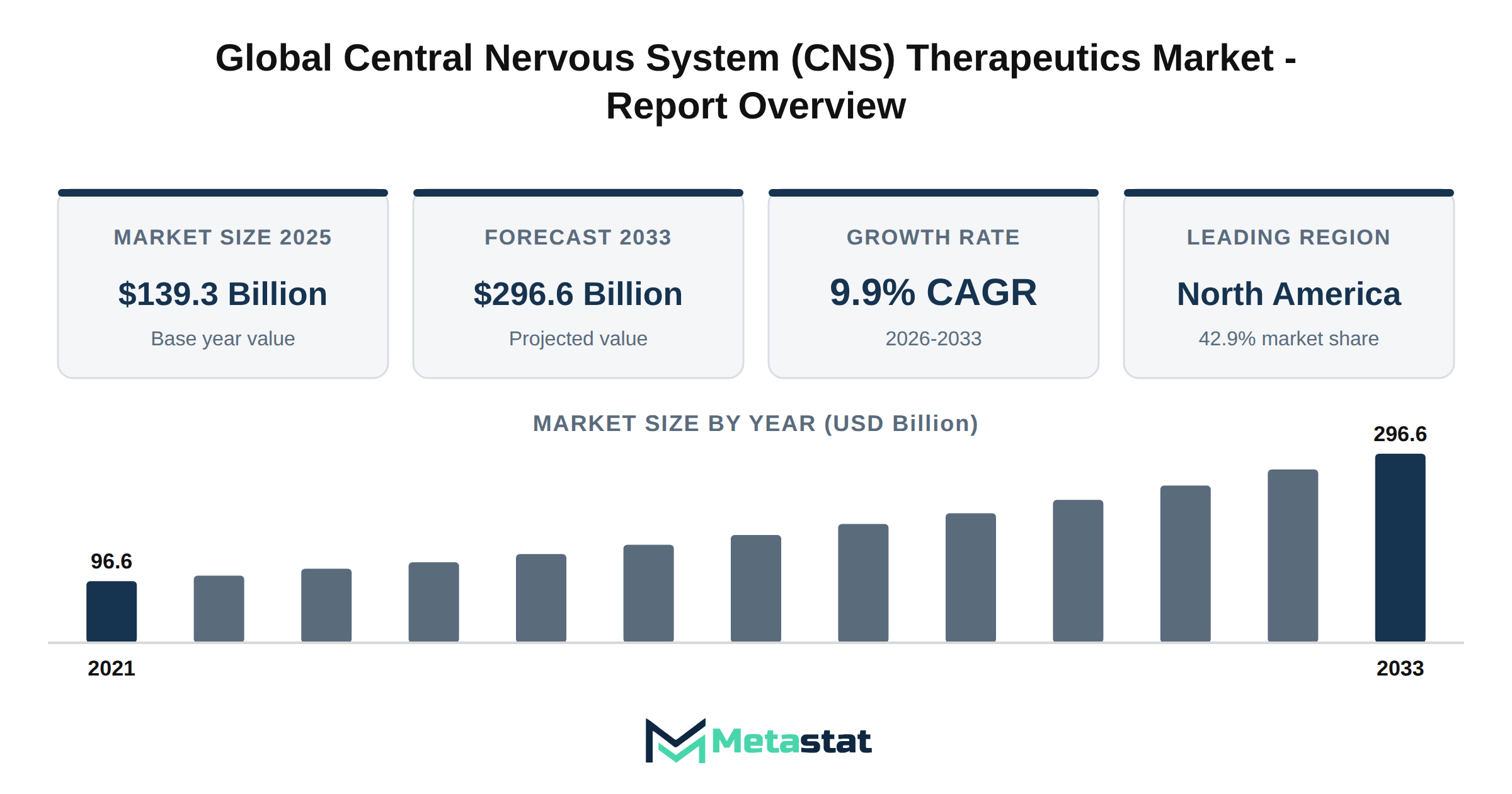
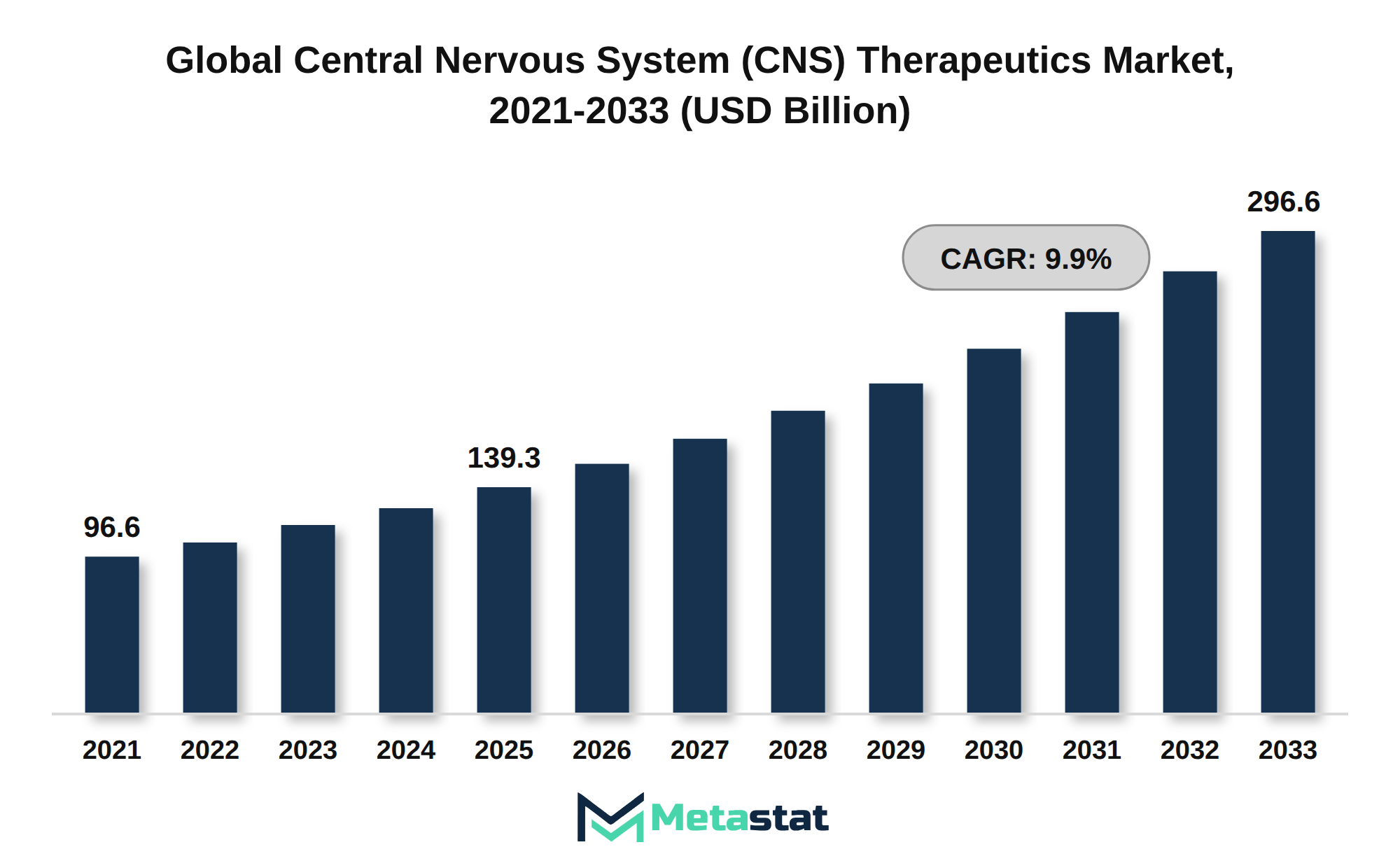
The global Central Nervous System (CNS) Therapeutics market was valued at USD 139.3 billion in 2025 and is projected to reach USD 296.6 billion by 2033, growing at a CAGR of 9.9% over the forecast period.
The Central Nervous System (CNS) Therapeutics market is poised for substantial growth, with the base value projected at USD 139.3 billion in 2025 and an estimated value of USD 296.6 billion by 2033. This growth trajectory reflects a compound annual growth rate (CAGR) of 9.9%. Historical data shows a steady increase from USD 96.6 billion in 2021 to USD 126.4 billion in 2024, demonstrating a consistent upward trend in demand and innovation within the sector.
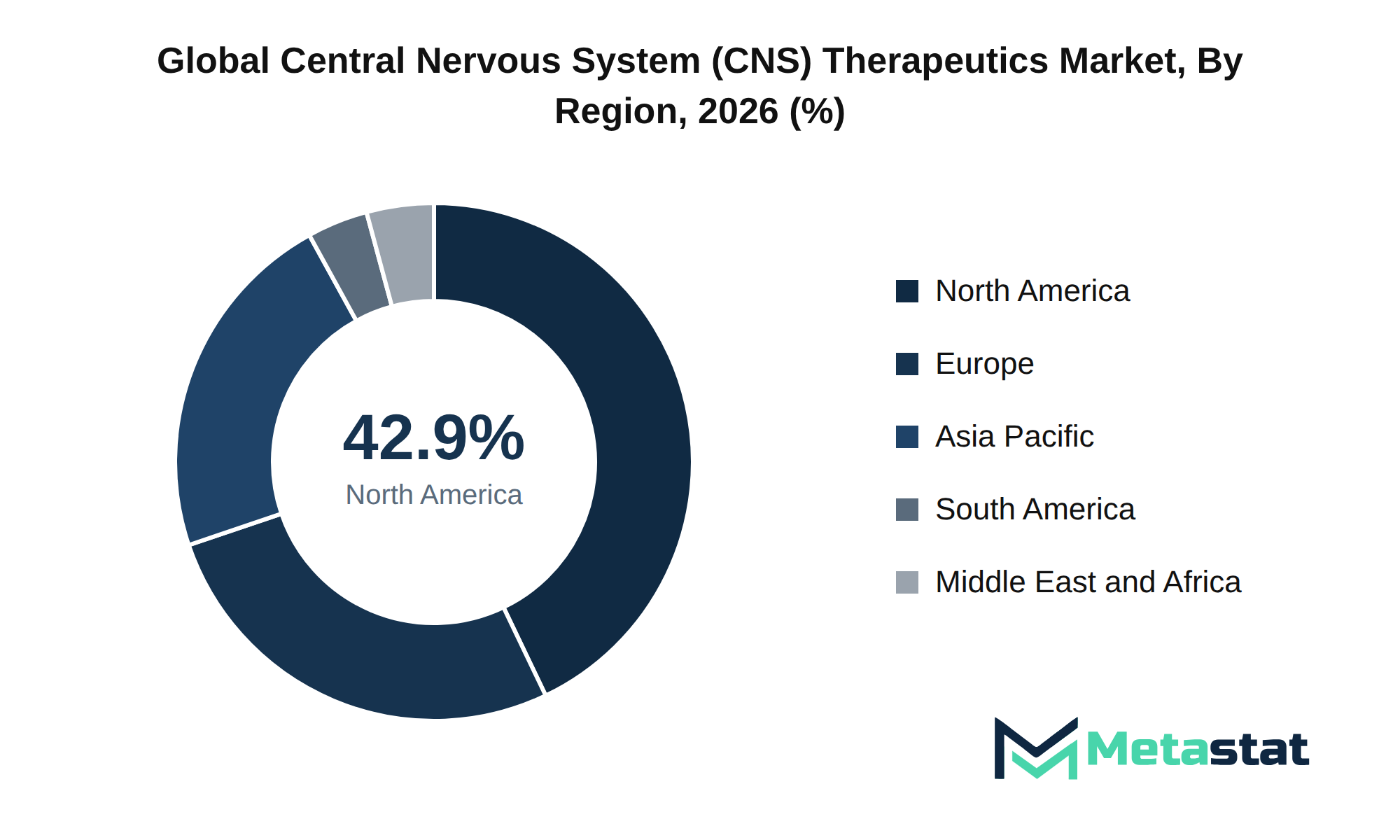
Key drivers of this expansion include pipeline innovation, regulatory developments, and partnerships across various therapeutic areas including epilepsy, mental health, and other neurological disorders. The market landscape features significant activity in licensing and collaborations aimed at enhancing treatment options and expanding market access. North America leads the regional market share with 42.9%, followed by Europe at 26.9% and Asia Pacific at 22.2%. This regional distribution highlights diverse demand, with each region presenting unique opportunities and challenges for stakeholders.
Within the therapeutic indications, epilepsy is projected to grow from USD 23 billion in 2026 to USD 43.3 billion by 2033, reflecting a CAGR of 9.5%. Other segments including depression and schizophrenia demonstrate strong potential, indicating a robust pipeline of therapies addressing these conditions. The pharmacological class segment, particularly antiepileptic drugs, is expected to see significant advancements, with values rising from USD 24.1 billion in 2026 to USD 44.8 billion in 2033.
Investment in research and development (R&D) is critical for driving innovation and addressing unmet medical needs. Companies operating within the Central Nervous System (CNS) Therapeutics market focus on next-generation therapies and sustainable transformation initiatives, which align with broader trends in decarbonization and circular economy dynamics. The evolving supply chain landscape presents challenges and opportunities, necessitating strategic decisions regarding sourcing and logistics architecture.
Pipeline innovation continues to shape the Central Nervous System (CNS) Therapeutics market, driving the development of novel therapies for epilepsy, mental health conditions, and other neurological disorders. Licensing and partnership activities among key players enhance research capabilities and expedite product development. Regulatory developments impact market dynamics, influencing the introduction of new therapeutics and the expansion of existing treatment options.
Research and development (R&D) trajectories reflect a shift towards next-generation innovations, focusing on personalized medicine and biologics. Sustainable transformation gains traction, aligning with decarbonization initiatives and circular economy dynamics, which encourage environmentally friendly practices throughout the supply chain and logistics architecture.
Market fragmentation presents challenges and growth opportunities within the sector. Mergers and acquisitions (M&A) activity among pharmaceutical companies aims to consolidate resources and expand market reach. Understanding the value chain, procurement processes, and customer journey dynamics is essential for stakeholders seeking to optimize operational strategies.
Capital allocation and infrastructure investments will play a critical role in shaping the future of the market. Companies adapt to macroeconomic headwinds, including inflationary pressures and currency volatility, which influence operational costs and pricing strategies. The strategic outlook for the Central Nervous System (CNS) Therapeutics market emphasizes the importance of corporate imperatives and high-value recommendations to navigate these challenges successfully.
Market Dynamics
Economic factors drive Central Nervous System (CNS) therapeutics growth
The Central Nervous System (CNS) Therapeutics market experiences significant growth momentum from various macroeconomic factors, including GDP growth and increased capital investment. Factors like venture funding and public-private spending power contribute to the expansion of the market, driven by stakeholders seeking to invest in innovative therapeutics and enhance care delivery. Rising GDP levels correlate with improved healthcare spending, facilitating access to advanced treatment options for neurological disorders.
Technological integration boosts operational efficiency within the market. Automation and software adoption streamline legacy processes, enabling pharmaceutical companies to accelerate research and development efforts. This integration supports the introduction of novel therapies, meeting the rising demand from healthcare providers and patients alike.
Shifting demographic patterns, particularly the aging population, significantly influence market dynamics. Increased prevalence of neurological disorders among older individuals generates heightened demand for CNS therapeutics. This change in consumer behavior drives investments towards developing targeted therapies aimed at managing chronic conditions including epilepsy, depression, and schizophrenia.
Overall, the combination of these economic drivers positions the Central Nervous System (CNS) Therapeutics market for substantial growth, with a projected value increase from USD 139.3 billion in 2025 to USD 296.6 billion by 2033, translating to a compound annual growth rate of 9.9 percent during the forecast period.
Technological integration significantly influences the Central Nervous System (CNS) Therapeutics market. Innovations in automation, artificial intelligence, and software adoption streamline processes and enhance research and development capabilities. This integration enables pharmaceutical companies to improve efficiencies in drug discovery and patient management systems, directly impacting therapeutic outcomes.
Investment in advanced technologies accelerates development timelines for new treatments, particularly in complex CNS disorders, where traditional methods often fall short. The shift toward digitizing legacy processes allows firms to respond rapidly to emerging market needs, thus aligning product offerings with evolving consumer demands.
Technological advancements facilitate real-time monitoring and data collection, leading to more personalized treatment plans. This capability enhances patient engagement and adherence to therapies, ultimately improving clinical results. The market for CNS therapeutics is expected to expand, with projections indicating a rise from USD 139.3 billion in 2025 to USD 296.6 billion by 2033.
Incorporating advanced technologies enhances operational productivity, reduces costs, and drives competitive advantage among market participants. The continuous evolution in this arena positions companies to better meet the challenges posed by an increasing prevalence of CNS disorders, thereby accelerating the market's growth trajectory.
Regulatory compliance and macroeconomic constraints
The Central Nervous System (CNS) Therapeutics market faces significant challenges due to regulatory compliance and macroeconomic constraints. Regulatory tightening, particularly in various regions, introduces hurdles that impact the approval and commercialization processes for new therapies. Compliance with evolving regulations demands substantial investments in quality assurance and documentation, delaying product launches and increasing operational costs for developers.
Macroeconomic headwinds, including inflationary pressures and resource scarcity, complicate the market landscape. Escalating costs of raw materials and labor affect the pricing strategies of pharmaceutical companies, reducing profit margins. Resource scarcity limits the availability of essential components required for drug formulation and production, leading to supply chain disruptions.
Geopolitical instability creates uncertainty in global markets, affecting investment decisions and leading to fluctuations in demand for CNS therapeutics. Companies operating in the market navigate these complexities while striving to maintain competitive advantages. The market’s ability to adapt to these challenges influences its growth trajectory and impacts overall demand for CNS therapeutics.
Geopolitical fragmentation and supply chain instability
The Central Nervous System (CNS) Therapeutics market faces significant challenges due to geopolitical fragmentation, which disrupts trade relationships and creates uncertainty for manufacturers. This fragmentation results in tariff friction and trade deficits that increase costs for producers. Companies experience increased prices for raw materials and components, affecting profit margins and complicating product development timelines.
Supply chain instability introduces additional hurdles, including logistics disruptions that hinder the timely delivery of necessary inputs. These conditions force companies to invest in contingency plans, escalating operational costs. Tightening global regulatory standards enforce compliance overhead, requiring firms to allocate resources for meeting evolving legal liabilities, further straining budgets.
Pricing compression and rising input costs contribute to heightened financial pressures. Producers within the market confront the challenge of maintaining competitive pricing while managing increased production expenses. Workforce skill gaps present obstacles to operational efficiency, with talent retention pressures exacerbating the situation. The pursuit of sustainability demands and environmental lifecycle footprints complicates the operational landscape, compelling firms to innovate without sacrificing profitability.
The Central Nervous System (CNS) therapeutics sector navigates these multifaceted challenges to sustain growth and meet the needs of a diverse patient population. Addressing these issues requires strategic investments, collaboration across the supply chain, and a commitment to adaptability in an increasingly complex environment.
The Central Nervous System (CNS) Therapeutics market experiences heightened opportunities driven by emerging regional demands and infrastructure modernization. Investment in healthcare infrastructure across various regions supports the expansion of therapeutic options, improving patient access and treatment outcomes. Rapid urbanization in developing economies promotes increased healthcare spending, creating a favorable environment for new therapeutic innovations. This shift enhances market penetration and drives revenue growth.
Geographical expansion remains a significant opportunity within the market, particularly in Asia Pacific and Latin America. These regions exhibit rising incidences of CNS disorders, highlighting unmet medical needs. Strategic partnerships and localized manufacturing initiatives enhance supply chain efficiency, positioning companies to respond to the specific needs of these markets. Such adaptations improve accessibility and optimize costs associated with distribution.
Technological disruptions and digital transformation create further avenues for growth within the sector. The adoption of digital health solutions, including telemedicine and mobile health applications, reshapes patient interactions and treatment adherence. Integrating artificial intelligence into drug development streamlines processes, reducing time-to-market for novel therapies. These advancements enhance the efficiency of clinical trials and accelerate the introduction of next-generation innovations.
Market players engage in strategic consolidation and cross-industry mergers to strengthen their competitive positioning. Collaborations between biotechnology firms and pharmaceutical companies enhance the development of innovative treatments, enabling diversification of product portfolios. This strategic alignment enhances market resilience, allowing firms to navigate evolving market dynamics effectively.
Changing buying behaviors and digital procurement shifts necessitate adaptation by market participants. Buyers increasingly prefer comprehensive solutions, opting for integrated treatment options rather than standalone therapies. Companies responding to this trend through value-chain optimization and process automation achieve operational excellence, further driving market growth.
The Central Nervous System (CNS) Therapeutics market presents a multitude of opportunities. Emerging regional demands, technological advancements, and evolving consumer preferences collectively shape a dynamic environment conducive to sustained growth and innovation.
Market Segmentation Analysis
The Global Central Nervous System (CNS) Therapeutics market is segmented based on Therapeutic Indication, Pharmacological Class, Molecule Type, and Distribution Channel.
By Therapeutic Indication, the market is further segmented into:
Valued at USD 23 billion in 2026, the epilepsy segment is projected to reach USD 43.3 billion by 2033, illustrating a compound annual growth rate (CAGR) of 9.5% during the forecast period. Primary demand drivers for this segment include the increasing prevalence of epilepsy worldwide and the growing awareness of treatment options among both patients and healthcare providers. Advances in antiepileptic drug formulations contribute to enhanced efficacy and reduced side effects, promoting adoption among consumers.
Technological maturation in drug delivery systems supports segment expansion, with innovations including long-acting injectables and smart drug delivery devices enhancing patient compliance. The evolution of products, including next-generation antiepileptic medications, caters to diverse patient needs, further stimulating market growth. Specific end-use dynamics, particularly within hospitals and specialty pharmacies, drive consumption shifts, driven by healthcare providers increasingly favoring advanced therapeutic solutions for managing epilepsy.
Regulatory compliance standards and certifications significantly influence market operations, ensuring that products meet safety and efficacy requirements. Cost structures related to research and development create pricing volatility, impacting market dynamics. Margins face pressure from competition, prompting players to invest in innovative solutions that enhance their market position.
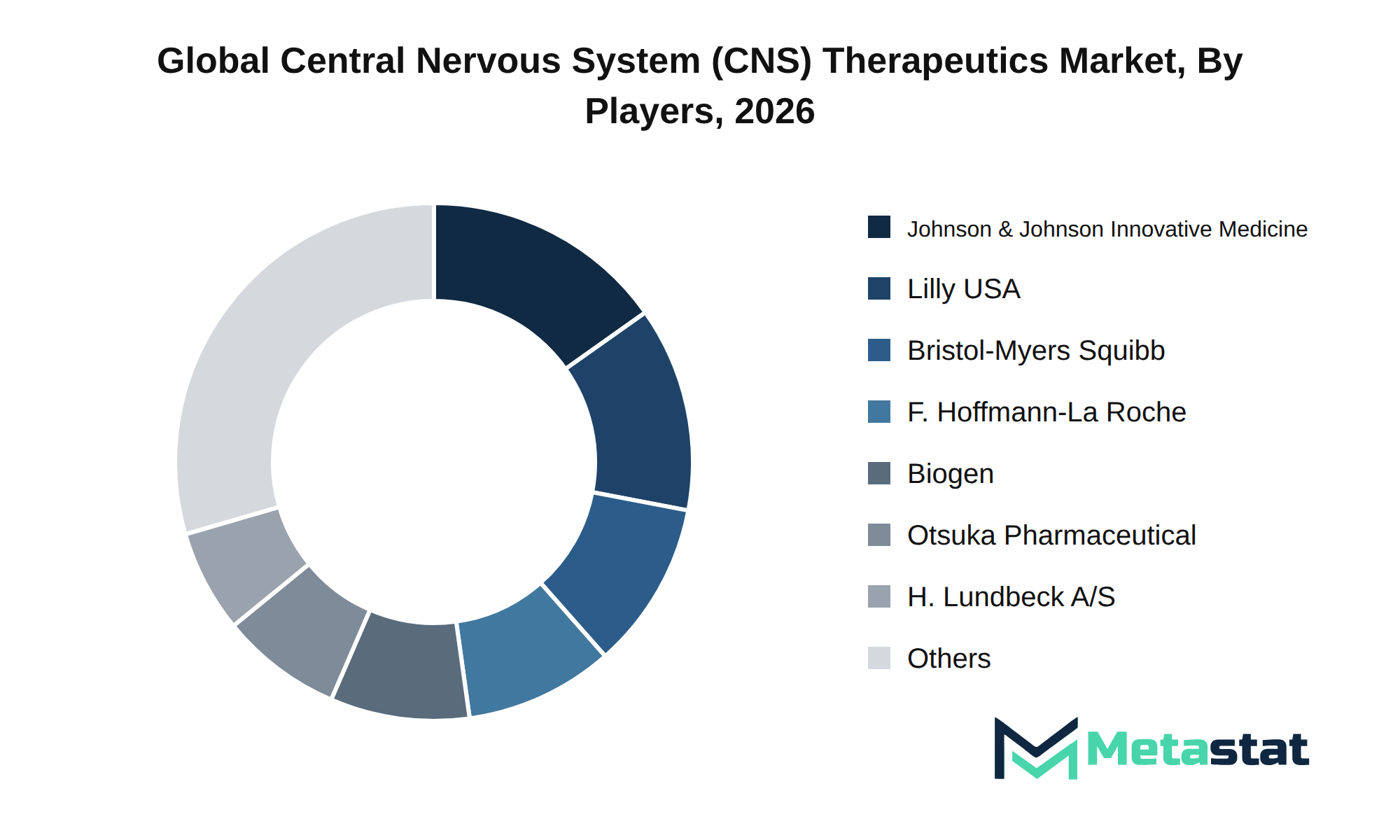
Investment in epilepsy therapeutics is expected to rise, reflecting strategic opportunity windows for pharmaceutical companies. Players in the Central Nervous System (CNS) Therapeutics market, including Lilly USA, LLC, and Johnson & Johnson Innovative Medicine, actively engage in developing novel therapies and expanding their portfolios to capture emerging market segments. While the epilepsy segment experiences significant growth, it positions itself because a critical component of the broader CNS therapeutics landscape.
Depression
Significant growth in the depression segment of the Central Nervous System (CNS) Therapeutics market results from increasing awareness of mental health issues and the rising incidence of depression globally. Enhanced understanding of mental health conditions drives demand for effective treatment options, resulting in a surge of investment in research and development for new therapies. Ongoing efforts to destigmatize mental health and increase access to treatment contribute to expanding market potential.
Technological maturation in treatment options strengthens market growth. Advances in pharmacological research lead to the development of next-generation antidepressants with improved efficacy and fewer side effects. This evolution reflects a shift towards personalized medicine, enhancing treatment adherence and patient outcomes.
Projected market value for the depression segment is USD 48.9 billion by 2033, at a CAGR of 8.9% during the forecast period. This growth trajectory highlights the urgent need for innovative solutions in mental health care, encouraging more players to enter the market and intensifying competition. Regulatory compliance and policy support for mental health initiatives further enhance the market landscape, promoting awareness and accessibility.
Strategic opportunities exist within the market, particularly in underserved populations and geographical regions. Investments in awareness campaigns and mental health resources significantly impact treatment access. Evolving demand for effective therapies, coupled with a supportive regulatory environment, positions the market for sustained growth in the coming years.
Schizophrenia
Significant growth in the schizophrenia segment of the Central Nervous System (CNS) Therapeutics market reflects increasing prevalence rates of the disorder and the ongoing need for effective treatments. Proactive measures by healthcare providers and policymakers focus on improving patient access to innovative therapies. Enhanced awareness and education around mental health encourage higher diagnosis rates, contributing to a growing patient population requiring therapeutic interventions.
Investment in research and development drives advancements in treatment modalities, with current trends emphasizing the development of next-generation antipsychotics. The movement toward personalized medicine enables better-targeted therapies, improving treatment outcomes and patient adherence. Regulatory compliance and standards surrounding drug approval processes support the introduction of innovative products, enhancing market dynamics.
Cost structures within this segment are influenced by the high price of new therapies and the competition among pharmaceutical companies. While pricing volatility impacts margins, strategic collaborations and partnerships create stability and resilience in supply chains. Market participants continuously adapt to evolving consumer preferences and regulatory requirements, which shapes their product offerings and marketing strategies.
By 2033, the schizophrenia segment is projected to reach USD 28.2 billion, demonstrating significant growth potential amid the evolving landscape of CNS therapeutics. This growth trajectory highlights the importance of ongoing investment and innovation within the segment to meet patient needs and improve therapeutic outcomes.
Bipolar Disorder
The projected growth of the bipolar disorder segment at a CAGR of 9.1% during the forecast period reflects growing recognition of the disorder's impact on patients and healthcare systems. Increasing prevalence rates of bipolar disorder generate heightened demand for effective therapeutic options, with significant investment directed toward research and development of innovative treatments. Pharmaceutical companies operate in this segment, recognizing both the clinical necessity and the potential for substantial return on investment.
Technological maturation in drug development processes enhances the ability to deliver next-generation treatments specifically targeting bipolar disorder. Advances in pharmacological research enable the creation of more effective medications with improved side-effect profiles, addressing critical patient needs. Regulatory compliance standards facilitate the entry of these products into the market, supporting rapid adoption by healthcare providers and patients.
End-use dynamics exhibit a shift toward integrated treatment approaches, combining pharmacotherapy with psychotherapy. This multifaceted strategy contributes to better patient outcomes and encourages healthcare providers to embrace comprehensive care models. Evolving consumption patterns position market players focusing on innovative treatment modalities to capitalize on growing demand.
Pricing volatility remains a factor, impacting market access and affordability for patients. Strategic opportunity windows emerge for companies that effectively navigate cost structures while maintaining product quality and efficacy. The bipolar disorder segment expands, and the Central Nervous System (CNS) Therapeutics market is expected to witness a continued influx of investment and innovation aimed at addressing unmet patient needs.
Anxiety Disorders
Rising prevalence of anxiety disorders drives demand for effective treatments in the Central Nervous System (CNS) Therapeutics market. Factors including increased awareness, better diagnosis, and destigmatization of mental health issues contribute to higher treatment rates, encouraging more patients to seek therapeutic interventions. The expansion of personalized medicine and innovative drug formulations further boosts adoption rates, enhancing the efficacy and tolerability of anxiety disorder treatments.
Technological maturation has facilitated advancements in drug delivery systems and treatment modalities, resulting in more effective and convenient options for patients. Continuous research and development efforts focus on next-generation upgrades that improve patient outcomes, making these therapies more appealing to both healthcare providers and patients. Increased investments in clinical trials and research for novel agents play a critical role in advancing product evolution within this segment.
Downstream applications in various healthcare settings, including outpatient care and primary care facilities, significantly influence end-use dynamics. Shifts in consumption patterns towards integrated care models and comprehensive approaches to mental health treatment promote the adoption of anxiety disorder therapeutics. Regulatory compliance standards and policy headwinds shape the development of new treatments, necessitating strict adherence to safety and efficacy guidelines.
Growing concerns regarding cost structures and pricing volatility impact market players, necessitating a balance between affordable access and profitability. Margin pressures from generic competition and the high cost of research and development challenge even established companies within this segment. Strategic opportunity windows appear for innovative players who navigate these complexities while delivering value-driven solutions.
Supply chain resilience remains crucial, especially concerning raw material sourcing and logistics vulnerabilities. The threat of substitution risks from alternative therapies, including behavioral interventions and lifestyle modifications, encourages pharmaceutical players to innovate continuously. Awareness of disruptive alternatives and technological obsolescence drives companies to refine their offerings and maintain competitive advantages in the evolving environment.
Overall, the anxiety disorders segment presents significant opportunities for growth within the Central Nervous System (CNS) Therapeutics market, highlighting a space where innovation, demand, and adherence to regulatory standards converge to enhance patient care.
Alzheimer's Disease
Significant advancements in the understanding of Alzheimer's disease drive increased demand for effective treatment options within the Central Nervous System (CNS) Therapeutics market. Rising awareness of the disease's prevalence, attributed to an aging global population, prompts healthcare providers and families to seek innovative therapies to manage symptoms and improve quality of life for affected individuals.
Adoption of novel treatment modalities, including disease-modifying therapies, enhances the segment's growth potential. The segment benefits from ongoing research and development efforts that focus on identifying new therapeutic targets and refining existing treatment strategies. These advancements create a competitive environment among pharmaceutical companies, encouraging investments in clinical trials and marketing of breakthrough products.
Regulatory compliance significantly shapes the market landscape. Stringent requirements for clinical efficacy and safety necessitate comprehensive data collection and analysis, impacting development timelines and associated costs. Success in navigating these regulations results in lucrative market entry opportunities for innovative therapies, while failures hinder product launches.
Pricing volatility remains a critical factor influencing market dynamics. High research and development costs associated with Alzheimer's therapeutics create margin pressures, compelling companies to adopt strategic pricing models. Balancing affordability with the need for profitable returns becomes essential for sustaining growth.
The Alzheimer's disease therapeutics segment experiences continuous evolution through technological maturation. Innovations in drug delivery systems and advancements in biomarker identification enhance treatment efficacy and patient outcomes. This evolution aligns with shifting consumer preferences toward personalized medicine, presenting strategic opportunity windows for companies investing in next-generation therapies.
Supply chain resilience is crucial for ensuring consistent access to raw materials necessary for therapeutic production. Disruptive alternatives and substitution risks present ongoing challenges, highlighting the importance of robust sourcing strategies. Companies that effectively manage these vulnerabilities strengthen their competitive positions in the market.
Overall, the Alzheimer's disease segment within the Central Nervous System (CNS) Therapeutics market stands at a critical juncture, influenced by a combination of demand drivers, regulatory frameworks, and competitive dynamics. Continued investments in innovation, strategic adaptation to market pressures, and effective navigation of compliance standards will shape the segment's trajectory over the forecast period.
Parkinson's Disease
Growing awareness of Parkinson's disease and its impact on patients fuels demand for effective therapeutic options. Increased incidence rates, particularly among aging populations, drive the need for innovative treatments that enhance quality of life. The market experiences significant expansion due to advancements in drug development and the introduction of new pharmacological classes. Technological maturation facilitates the production of targeted therapies, enhancing treatment efficacy and patient adherence.
Investment in research and development remains crucial for the evolution of Parkinson's disease treatments. Companies prioritize next-generation upgrades, including combination therapies and personalized medicine approaches to address diverse patient needs. Regulatory compliance standards promote the adoption of safer and more effective treatments, while certifications from healthcare authorities further strengthen market confidence. Pricing volatility and margin pressures arise from the competitive landscape, compelling manufacturers to optimize cost structures without compromising quality.
Strategic opportunity windows emerge owing to unmet needs in patient care becoming apparent. Efforts to improve supply chain resilience and raw material sourcing enhance product availability. Disruptive alternatives, including gene therapies and digital health solutions, present potential shifts within the market. Continued focus on addressing substitution risks ensures that healthcare providers maintain access to effective therapies, driving sustained demand for Parkinson's disease medications within the Central Nervous System (CNS) Therapeutics market.
Multiple Sclerosis
Rising awareness of Multiple Sclerosis (MS) and its impact on quality of life drives demand for innovative therapies. This condition affects millions globally, creating a pressing need for effective treatment options that address both symptoms and disease progression. Increased research funding and advancements in biotechnology enhance the development of disease-modifying therapies (DMTs). These advancements improve patient outcomes and support the market's expansion by attracting investments in clinical trials and research programs.
Technological maturation influences the evolution of MS treatments. New drug formulations and delivery methods, including oral medications and injectables, cater to diverse patient preferences. This variety increases patient adherence and satisfaction, thereby contributing to market growth. Next-generation therapies, including monoclonal antibodies and gene therapies, leverage advanced science to target the underlying mechanisms of MS, representing significant advancements in treatment approaches.
Regulatory compliance standards significantly impact the introduction of new therapies into the market. Stringent regulations ensure that only safe and effective treatments receive approval, thereby enhancing trust among healthcare providers and patients. However, these regulations present challenges for companies seeking to navigate complex approval processes. Pricing volatility remains a concern, influenced by healthcare policies, patent expirations, and market competition. Effective pricing strategies are essential for maintaining profitability in this competitive environment.
The supply chain for Multiple Sclerosis therapies demonstrates resilience, although it faces certain vulnerabilities. Dependence on specific raw materials poses risks, particularly if disruptions occur in sourcing or manufacturing processes. Strategic opportunity windows arise due to manufacturers exploring alternative sourcing options and innovative production methods to mitigate these risks. Overall, the demand for effective MS therapies, driven by patient needs and technological advancements, continues to shape the Central Nervous System (CNS) Therapeutics market.
Migraine
Recent trends in the migraine segment of the Central Nervous System (CNS) Therapeutics market reflect an increasing prevalence of migraine disorders, driving demand for effective therapeutic options. Key factors contributing to this demand include rising awareness around migraine management and the growing number of individuals seeking treatment. Advances in pharmaceutical research and development have resulted in the introduction of innovative therapies, including acute and preventive options. Consequently, healthcare providers increasingly adopt these new treatments, enhancing patient outcomes and satisfaction.
Market expansion for migraine therapeutics benefits from technological maturation, which leads to improved formulations and delivery methods. Regulatory compliance standards play a vital role in ensuring the safety and efficacy of new products, thereby supporting market growth. Continuous investment in research and development enables companies to explore next-generation upgrades, addressing unmet needs in the treatment landscape.
Pricing dynamics remain an important factor in the migraine segment, with fluctuating costs impacting both manufacturers and consumers. Companies experience margin pressures due to increasing competition and the need for ongoing innovation. Strategic opportunities exist for businesses that focus on developing unique and differentiated migraine therapies, ultimately enhancing their market position.
Examining consumption shifts shows a trend towards personalized treatment approaches, with patients increasingly seeking options tailored to their specific needs. This evolution in end-use dynamics influences the overall landscape of the Central Nervous System (CNS) Therapeutics market, reinforcing the importance of addressing the diverse requirements of migraine patients.
Supply chain resilience is essential for companies operating in this segment, with raw material sourcing and logistics vulnerabilities posing potential risks. Businesses that cultivate strong partnerships and maintain flexible supply chains will be better positioned to navigate challenges and leverage growth opportunities in the migraine therapeutics market.
Interest in Huntington's disease, ALS, narcolepsy, and Tourette syndrome treatments has surged owing to rising patient populations and increased awareness of these conditions. Healthcare providers recognize the challenges associated with these diseases, prompting efforts to develop effective therapies. Pharmaceutical companies focus on innovative solutions to address unmet medical needs, leveraging advancements in research and technology. The potential for expanding treatment options drives investments in this segment, targeting diverse patient demographics and improving quality of life.
Technological maturation in drug development enhances the potential for next-generation therapies. Collaborations among industry players facilitate the exchange of knowledge and resources, leading to breakthroughs in treatment modalities. Increased funding for research initiatives accelerates the discovery of new therapeutic approaches. Stakeholders actively pursue strategic opportunities to capture market share, focusing on the unique characteristics of each condition within this sub-segment. Strong competition among pharmaceutical companies intensifies efforts to innovate and deliver effective solutions to patients.
Regulatory compliance remains critical in bringing new therapies to market. Adhering to stringent guidelines ensures safety and efficacy, contributing to successful product launches. Pricing volatility poses challenges, requiring careful cost management strategies to maintain profitability. While competition escalates, companies confront margin pressures, compelling them to optimize operational efficiencies while delivering high-quality therapeutics. Supply chain resilience will be essential in addressing potential vulnerabilities, ensuring consistent access to raw materials necessary for production.
Investment outlook remains positive, with numerous strategic opportunities identified within this segment. Companies explore white-space analysis to uncover unmet needs, focusing on innovative therapies that cater to specific patient populations. The evolving environment of the Central Nervous System (CNS) Therapeutics market continues to present avenues for growth through the development of targeted solutions for Huntington's disease, ALS, narcolepsy, and Tourette syndrome.
By Pharmacological Class, the market is further segmented into:
Projected growth in the Antiepileptic Drugs (AEDs) segment reflects increasing demand for effective treatment options for epilepsy and related conditions. Valued at USD 24.1 billion in 2026, this segment is anticipated to reach USD 44.8 billion by 2033, achieving a CAGR of 9.3% during the forecast period. The rise in epilepsy prevalence globally drives market expansion. Advancements in drug formulations and delivery methods enhance patient compliance and treatment outcomes.
Technological maturation significantly influences the evolution of AEDs, focusing on next-generation upgrades and novel therapeutic targets. Innovations improve efficacy and reduce side effects, attracting healthcare providers and patients to newer treatment options. Increased awareness of epilepsy, fueled by educational campaigns and improved access to healthcare, strengthens demand for AEDs across diverse demographics.
Regulatory compliance standards shape the market landscape. Manufacturers navigate complex approval processes for new drugs. Compliance with stringent safety and efficacy benchmarks ensures that only effective therapies reach the market, promoting consumer confidence and driving sales. Strategic investments in research and development enhance product offerings, enabling companies to capture emerging opportunities within the segment.
Market dynamics in the Central Nervous System (CNS) Therapeutics market reflect ongoing shifts in consumption patterns. Patient and caregiver preferences for treatment influence these dynamics. Increasing reliance on telemedicine and digital health solutions facilitates greater access to AEDs, particularly in remote areas. These shifts contribute to a resilient supply chain, ensuring that effective therapies reach those in need promptly.
Competitive pressures compel companies to focus on cost structures, pricing volatility, and margin pressures specific to AEDs. Firms managing production costs while maintaining high-quality standards achieve sustained growth. The continuous evolution of treatment paradigms, alongside the emergence of disruptive alternatives, necessitates vigilance and adaptability from market participants.
Antidepressants
Significant growth in the Antidepressants segment reflects increasing awareness surrounding mental health conditions, particularly depression and anxiety disorders. A rising global prevalence of these conditions drives demand for effective treatments, contributing to the segment's expansion. Innovations in drug formulations and delivery methods enhance the therapeutic options available, providing patients with improved outcomes. The aging population, particularly in developed regions, further fuels this demand. Older adults are more susceptible to mental health issues.
Regulatory approvals for new antidepressant medications support market growth, with an emphasis on developing safer and more effective treatments. These advancements attract investment from pharmaceutical companies, prompting robust competition and driving innovation in the market. The Antidepressants segment is projected to reach USD 50.4 billion by 2033, at a CAGR of 8.8% during the forecast period.
Cost structures related to research and development for new antidepressants remain a crucial aspect of this market. Pricing volatility arises from fluctuating raw material costs and regulatory compliance, impacting profit margins and pricing strategies. Strategic opportunities exist for companies that leverage technological advancements to streamline development processes and bring new therapies to market efficiently.
Consumer preferences shift towards personalized medicine, leading to increased demand for targeted therapies that address specific patient needs. This evolution in consumption patterns compels companies to adapt their product offerings, focusing on efficacy and safety profiles to meet the expectations of healthcare providers and patients. The Antidepressants segment integrates these trends, positioning itself for sustained growth within the broader Central Nervous System (CNS) Therapeutics market.
Antipsychotics
Strong demand for innovative treatments drives growth in the antipsychotics segment of the Central Nervous System (CNS) Therapeutics market. Increasing rates of mental health disorders, including schizophrenia and bipolar disorder, generate substantial pressure on healthcare systems, necessitating effective therapeutic options. Regulatory bodies advocate for better access to mental health treatments, enhancing provider compliance and adoption of antipsychotic medications.
Technological advancements in drug development and delivery mechanisms contribute to product evolution within this segment. Novel formulations, including long-acting injectable antipsychotics, improve patient adherence, ultimately increasing demand. Increased awareness among patients and healthcare professionals regarding the importance of mental health further supports market expansion.
Cost structures remain a critical factor influencing the overall market dynamics. Pricing volatility of active pharmaceutical ingredients and fluctuations in manufacturing costs create margin pressures for suppliers. These factors challenge producers in maintaining competitive pricing while ensuring product quality. Strategic partnerships and collaborations among key players enhance supply chain resilience, addressing vulnerabilities and securing raw material sourcing.
By 2033, the antipsychotics segment is expected to reach USD 35.9 billion, reflecting its significant position within the overall CNS market. Investors are likely to view this sector because a strategic opportunity window, driven by the growing prevalence of mental health disorders and the ongoing pursuit of innovative treatment solutions. The continued focus on regulatory compliance and certification standards will further shape the market landscape, ensuring that advancements align with patient needs and safety requirements.
Anxiolytics
Growth in the anxiolytics segment stems from rising anxiety disorder prevalence and increasing awareness of mental health issues. The demand for effective anxiolytic treatments drives pharmaceutical companies to innovate and expand their product offerings. This segment is projected to grow at a CAGR of 8.9% during the forecast period, illustrating substantial market potential.
Technological maturation in formulation and delivery methods enhances the efficacy and convenience of anxiolytic medications. Advances in drug development, including extended-release formulations and novel delivery systems, contribute to improved patient compliance and outcomes. These innovations attract investment from pharmaceutical companies, further enhancing competition and product availability within the Central Nervous System (CNS) Therapeutics market.
Regulatory compliance standards and certifications play a crucial role in shaping the anxiolytics market. Stringent approval processes ensure the safety and efficacy of new drugs, impacting time-to-market and overall development costs. This environment influences strategic planning for companies operating in the market, urging them to align their research and development efforts with regulatory expectations.
Pricing volatility remains a concern for the anxiolytics segment, driven by fluctuating raw material costs and the competitive landscape. Companies compete on both price and innovation, affecting profit margins. Strategic opportunity windows arise for firms capable of optimizing production processes and minimizing costs while maintaining product quality.
Investment in research and development remains vital for sustaining growth in the anxiolytics segment. Companies are channeling resources toward novel therapeutic approaches, which capture unmet patient needs and enhance market penetration. This trend reinforces the position of anxiolytics, attributed to a significant contributor to the overall growth of the Central Nervous System (CNS) Therapeutics market.
Anti-Parkinson Drugs
Interest in the treatment of Parkinson's disease demonstrates significant momentum within the Central Nervous System (CNS) Therapeutics market. The aging global population correlates with an increased prevalence of this neurodegenerative disorder, driving demand for effective therapeutic options. Enhanced awareness surrounding the disease and its symptoms encourages patients and caregivers to seek medical advice, leading to higher diagnosis rates. Consequently, this rise in diagnosed cases fuels the market for Anti-Parkinson Drugs.
Technological maturation within the pharmaceutical sector contributes to the development of novel anti-Parkinson therapies. Recent advancements in drug formulation and delivery systems lead to improved patient outcomes and experiences. Next-generation upgrades in existing products enhance efficacy and safety profiles, appealing to both healthcare providers and patients. These ongoing innovations stimulate a competitive environment among manufacturers, prompting further investment in research and development.
Regulatory compliance standards impact the Anti-Parkinson Drugs segment significantly. Stringent requirements necessitate substantial investment and thorough testing, affecting the speed at which new products reach the market. Successful navigation of these regulations often results in robust market entry, allowing companies to establish a foothold in the evolving landscape.
Pricing volatility poses challenges in the segment, influenced by fluctuating raw material costs and competitive pricing strategies. Manufacturers actively explore opportunities for cost reduction while maintaining quality and safety. This balancing act impacts profit margins and influences consumer pricing, requiring strategic decision-making to ensure market viability.
Strategic opportunity windows arise from unmet medical needs within the Parkinson's disease population. The introduction of innovative therapies targeting various patient demographics and symptom profiles offers avenues for growth. The expansion of treatment options enhances market penetration, allowing companies to address diverse patient needs effectively.
Overall, the Anti-Parkinson Drugs segment reflects a dynamic environment characterized by evolving treatment paradigms and growing demand within the Central Nervous System (CNS) Therapeutics market. Continued research investment and innovation are expected to drive future expansion, ultimately improving patient care in this critical area of healthcare.
Alzheimer's Disease Therapeutics
Growing recognition of Alzheimer's disease because a major public health challenge drives demand for effective therapeutics targeting cognitive decline. Increased prevalence of this neurodegenerative disorder, particularly among aging populations, intensifies the urgency for innovative treatment options. Ongoing research and development efforts focus on enhancing understanding of disease mechanisms, which leads to advancements in therapeutic approaches.
Technological maturation within the sector facilitates the introduction of next-generation therapies, including novel small molecules and monoclonal antibodies designed to address underlying pathophysiology. These advancements reflect a shift toward personalized medicine, aligning treatments more closely with patient-specific characteristics and needs. Continuous collaboration between research institutions and pharmaceutical companies accelerates product evolution and enhances market positioning.
Regulatory compliance remains critical, with stringent approval processes shaping the landscape for new drug entrants. Demonstrating safety and efficacy through robust clinical trials is vital for gaining regulatory approval, influencing market dynamics significantly. Pricing volatility in the market poses challenges, because emerging therapies compete against established treatment options while navigating reimbursement landscapes.
Strategic opportunity windows arise because companies invest in research and development, targeting unmet needs within the Alzheimer's disease therapeutics category. Capital investment focuses on leveraging emerging technologies and innovative platforms to develop more effective therapies. Supply chain resilience becomes essential because firms seek to mitigate risks associated with raw material sourcing and logistics vulnerabilities, ensuring consistent product availability.
Overall, the Alzheimer's disease therapeutics segment within the Central Nervous System (CNS) Therapeutics market reflects a complex set of factors driving growth and innovation. Continuous advancements and a focus on patient-centric solutions position the segment for future expansion because healthcare landscapes evolve.
Growing interest in Multiple Sclerosis Disease-Modifying Therapies (DMTs) aligns with the rising incidence of multiple sclerosis globally. Increasing awareness regarding the condition and its impact on patients fuels demand for effective and innovative therapies. The market responds to this need through ongoing research and development aimed at improving treatment outcomes.
Technological maturation advances DMTs. Innovations in drug delivery systems and the development of novel therapeutic agents facilitate enhanced efficacy and patient compliance. This evolution in treatment options strengthens adoption rates among healthcare providers and patients alike.
End-use dynamics significantly influence the market, with hospitals and specialty pharmacies serving because primary distribution channels for DMTs. The demand in these settings arises from the need for reliable and efficient treatment options, leading to increased collaboration between pharmaceutical companies and healthcare providers.
Regulatory compliance standards and policies surrounding the approval of new therapies shape the market for DMTs. Stringent guidelines ensure safety and effectiveness, promoting trust among healthcare professionals and patients. Compliance with these standards is crucial for market players looking to introduce new products.
Pricing volatility remains a critical challenge specific to DMTs, often influencing market access and reimbursement dynamics. Fluctuations in production costs lead to varying price points, affecting affordability for patients and healthcare systems. This aspect highlights the importance of strategic pricing models for market players.
Investments in research and development continue to drive the evolution of DMTs, with a focus on next-generation therapies that address unmet medical needs. The potential for significant advancements offers strategic opportunity windows for companies looking to enhance their portfolios and capture market share.
The Multiple Sclerosis Disease-Modifying Therapies (DMTs) segment of the Central Nervous System (CNS) Therapeutics market presents a market characterized by increasing demand, technological advancements, and evolving regulatory frameworks. Continuous investment and innovation will shape the future of this segment.
Migraine Therapeutics (Acute & Preventive)
Demand for migraine therapeutics in the Central Nervous System (CNS) Therapeutics market arises from the high prevalence of migraine disorders, which affects millions globally. Increased awareness regarding the debilitating nature of migraines drives patients to seek effective acute and preventive treatments. The segment benefits from ongoing research and development efforts focused on innovative therapies, providing new options for patients and healthcare providers.
Technological advancements play a crucial role in the segment's expansion, with the introduction of novel drug delivery systems and formulations enhancing patient compliance and treatment outcomes. Ongoing clinical trials for next-generation therapies highlight the commitment to developing improved preventive measures that address the underlying mechanisms of migraine. Increased collaboration between pharmaceutical companies and academic institutions drives innovation within migraine therapeutics.
Adoption of migraine treatments is influenced by evolving healthcare policies and reimbursement strategies, which facilitate patient access to newer therapies. This shift towards value-based care impacts the pricing strategies of pharmaceutical companies, compelling them to optimize cost structures while maintaining treatment efficacy. The competitive landscape includes prominent players in the sector, including Lilly USA, LLC, Johnson & Johnson Innovative Medicine, and Bristol-Myers Squibb Company, each focusing on enhancing their market position through strategic partnerships and product differentiation.
Consumption patterns reflect a growing preference for preventive therapies, which aim to reduce the frequency and intensity of migraine episodes. Patients increasingly seek long-term solutions over short-term relief, prompting manufacturers to innovate in this area. Regulatory compliance and adherence to safety standards are critical, ensuring that new treatments meet the required efficacy and safety profiles, thereby facilitating market entry and adoption.
Overall, the migraine therapeutics segment of the Central Nervous System (CNS) Therapeutics market is positioned for significant growth. Ongoing investment in research and development, coupled with favorable regulatory frameworks, creates numerous strategic opportunities for stakeholders looking to address unmet medical needs within this therapeutic area.
CNS Stimulants
Increasing interest in CNS stimulants stems from a growing prevalence of attention-deficit hyperactivity disorder (ADHD) and narcolepsy, driving demand for effective therapeutic options. Rising awareness surrounding these conditions encourages more patients to seek treatment, which subsequently expands market opportunities. Advancements in drug formulations and the development of new stimulant medications enhance treatment efficacy and patient adherence.
The ongoing evolution of CNS stimulants includes the introduction of novel delivery systems and formulations that improve patient experience. Enhanced pharmacokinetic profiles allow for better dosing regimens, leading to improved therapeutic outcomes. This product evolution creates competitive differentiation among manufacturers, impacting market dynamics and growth.
Regulatory compliance remains a critical factor in the CNS stimulants segment. Adhering to safety and efficacy standards ensures that products maintain market approval and consumer trust. Stringent regulations pose challenges for new entrants, while established players benefit from extensive experience in navigating these requirements.
Pricing volatility presents a challenge for market participants, influenced by factors including production costs, raw material sourcing, and competitive pricing strategies. Fluctuations in pricing affect profit margins, necessitating strategic adjustments from manufacturers. Effective cost management and value-based pricing approaches become essential in sustaining profitability within the segment.
The competitive landscape in the CNS stimulants segment features several key players, including Lilly USA, LLC, Johnson & Johnson Innovative Medicine, and Bristol-Myers Squibb Company. These companies operate in the market, leveraging robust research and development capabilities to introduce innovative products and enhance their market position.
Capital investment outlook for the CNS stimulants segment remains strong, driven by ongoing research initiatives and a focus on developing next-generation therapies. Strategic opportunity windows arise from unmet patient needs, encouraging companies to explore new therapeutic applications and enhance market penetration. Overall, the segment contributes to the broader Central Nervous System (CNS) Therapeutics market, driven by evolving patient needs and advancements in treatment modalities.
Others (Muscle Relaxants, Anti-Chorea Agents)
Rising interest in muscle relaxants and anti-chorea agents contributes to the evolving market of the Central Nervous System (CNS) Therapeutics sector. Increasing prevalence of neurological disorders, including spinal cord injuries and dystonia, drives demand for effective muscle relaxants. These treatments play a crucial role in alleviating muscle spasms and improving patient mobility, creating opportunities for market players to expand their product offerings.
Technological maturation facilitates the development of next-generation formulations that enhance efficacy and reduce side effects. Ongoing research focuses on innovative delivery systems, which optimize treatment regimens for patients. This evolution aligns with the growing emphasis on personalized medicine, enabling tailored therapies to meet diverse patient needs.
End-use dynamics indicate a shift towards outpatient care and home-based therapies, providing new avenues for muscle relaxants and anti-chorea agents. Healthcare providers increasingly prioritize patient-centric approaches that promote quality of life. This trend influences product adoption, driven by patients seeking more convenient and accessible treatment options.
Regulatory compliance standards play a significant role in shaping market dynamics, influencing the approval processes for new therapies. Companies investing in robust clinical trials and adhering to stringent guidelines gain a competitive edge. This focus on compliance not only ensures product safety but enhances market credibility, building trust among healthcare professionals and patients alike.
Supply chain resilience remains critical, particularly in sourcing raw materials for pharmaceutical production. Fluctuations in ingredient availability impact production timelines and cost structures. Strategic partnerships with suppliers and investment in sustainable sourcing practices help mitigate risks, ensuring steady access to essential components.
Overall, the segment for muscle relaxants and anti-chorea agents presents significant growth potential within the Central Nervous System (CNS) Therapeutics market. Companies that capitalize on evolving treatment paradigms, technological advancements, and patient-centric strategies are well-positioned to thrive in this competitive sector.
By Molecule Type, the market is further segmented into:
Small Molecules
Monoclonal Antibodies
Gene Therapies
Cell Therapies
RNA-Based Therapeutics
Others (Peptides, Protein Therapeutics)
Small Molecules
Significant market growth in the Small Molecules segment highlights the increasing demand for innovative CNS therapeutics. Valued at USD 129.3 billion in 2026, this segment is projected to reach USD 226.6 billion by 2033, achieving a CAGR of 8.4% during the forecast period. Key drivers of this demand include the surge in neurological disorder prevalence and the ongoing development of advanced treatment modalities targeting conditions including epilepsy, depression, and schizophrenia.
Adoption of small molecule therapies continues to expand due to established efficacy and the ability to penetrate the blood-brain barrier effectively. This aspect enhances treatment outcomes for patients with CNS disorders. Advancements in drug delivery systems and formulation technologies facilitate improved patient compliance, driving market growth. The increasing exploration of small molecules in previously underserved therapeutic areas leads to further investment in research and development, creating strategic opportunity windows for stakeholders in the market.
Regulatory compliance and stringent approval processes influence market dynamics, driving companies to focus on innovations that meet evolving standards. Pricing volatility remains a challenge, impacting revenue streams for pharmaceutical companies involved in small molecule production. Nevertheless, strong demand coupled with strategic capital investment is expected to stabilize pricing and enhance margins within the segment.
Supply chain resilience plays a critical role in ensuring the availability of raw materials necessary for small molecule synthesis. Challenges in logistics and raw material sourcing disrupt production timelines and affect market availability. Strategic partnerships and local sourcing initiatives mitigate these risks, allowing firms to maintain competitive positioning in the Central Nervous System (CNS) Therapeutics market.
Monoclonal Antibodies
Rapid advancements in monoclonal antibody development significantly influence the Central Nervous System (CNS) Therapeutics market. Innovations in drug design and manufacturing processes enhance therapeutic efficacy and safety profiles, driving demand among healthcare providers. Increased prevalence of neurological disorders, including Alzheimer’s disease and multiple sclerosis, correlates with heightened interest in monoclonal antibodies due to viable treatment options.
The segment is estimated to reach USD 49.5 billion by 2033, at a CAGR of 16% during the forecast period. Competitive pressure among pharmaceutical companies fuels investment in research and development of monoclonal antibodies, ensuring a continuous pipeline of novel therapies entering the market. Regulatory support for these therapies increases confidence among stakeholders, promoting faster approvals and market access.
Growing awareness of personalized medicine further drives the adoption of monoclonal antibodies, allowing for tailored treatment strategies that improve patient outcomes. Increased healthcare expenditure, particularly in developed regions, provides a conducive environment for market expansion. The integration of monoclonal antibodies into treatment protocols enhances their role in managing chronic conditions, influencing consumption patterns across various demographics.
Market players, including several pharmaceutical firms, actively pursue strategic partnerships and collaborations to advance monoclonal antibody technologies. This collaborative approach optimizes resource allocation, facilitating breakthroughs that address unmet medical needs in the CNS therapeutics landscape. Overall, the monoclonal antibodies segment exhibits significant growth potential, reflecting a shift towards innovative therapeutic solutions within the Central Nervous System (CNS) Therapeutics market.
Gene Therapies
Innovations in gene therapy are reshaping the Central Nervous System (CNS) Therapeutics market, driven by advancements in genetic engineering and a growing understanding of genetic conditions affecting the CNS. These therapies offer targeted approaches for disorders that have limited treatment options, appealing to both healthcare providers and patients seeking effective solutions. Significant investments from biopharmaceutical companies support development efforts focused on diseases including spinal muscular atrophy and various neurodegenerative conditions, expanding the therapeutic landscape.
Market projections indicate that the Gene Therapies segment is projected to reach USD 6.8 billion by 2033. This growth reflects intensified research and development activities, regulatory approvals for novel therapies, and increasing adoption of personalized medicine. Manufacturers face challenges related to pricing and reimbursement but find opportunities in addressing unmet medical needs and improving patient outcomes, which enhances the segment's attractiveness within the broader market.
While the landscape evolves, ongoing collaboration among stakeholders, including academic institutions, pharmaceutical companies, and regulatory bodies, drives technological maturation. This coalition supports the development of next-generation upgrades and innovative treatment paradigms, reinforcing the position of gene therapies in the Central Nervous System (CNS) Therapeutics market.
Cell Therapies
Rapid advancements in the Cell Therapies segment of the Central Nervous System (CNS) Therapeutics market align with increasing investments in research and development. These advancements contribute to enhanced treatment options for various neurological disorders, driving demand from healthcare providers and patients seeking innovative therapeutic solutions. The segment is projected to grow at a CAGR of 18.7% during the forecast period, reflecting growing recognition of the potential of cell-based therapies in addressing unmet medical needs.
Technological maturation is essential in the expansion of this segment, driven by breakthroughs in cell engineering and regenerative medicine that enable the development of more effective treatments. Increased adoption of these therapies by hospitals and specialized clinics leads to improved patient outcomes, further emphasizing the segment's importance within the larger market. Demand for cell therapies is expected to rise, driven by enhanced efficacy and reduced side effects compared to traditional treatments.
Regulatory compliance standards significantly influence the market dynamics, resulting from approval processes for innovative therapies becoming more stringent. Manufacturers invest in robust clinical trial frameworks to ensure compliance, which results in increased costs but ultimately supports long-term growth and investment in the sector. The market reflects a growing commitment to developing safe and effective cell-based therapies that align with evolving regulatory expectations.
Strategic opportunity windows emerge for companies focused on developing cell therapies, particularly for conditions previously deemed difficult to treat. Increased collaboration between biotechnology firms and academic institutions encourages innovation and accelerates the development cycle. While competition intensifies, maintaining a strong pipeline of next-generation therapies will be essential for players within this segment.
RNA-Based Therapeutics
Interest in RNA-based therapeutics within the Central Nervous System (CNS) Therapeutics market aligns with advancements in genetic research and the increasing prevalence of neurological disorders. Ongoing developments in RNA technologies, including RNA interference and messenger RNA therapies, enhance treatment options for conditions like Alzheimer's disease and Parkinson's disease. The rising focus on targeted therapies promotes the adoption of RNA-based solutions, appealing to healthcare providers seeking to improve patient outcomes.
Regulatory support increases confidence in RNA-based therapeutics, with agencies recognizing the potential of these innovative treatments. While clinical trials yield positive results, market participants anticipate accelerated approvals, facilitating broader market penetration. This evolving regulatory landscape encourages investment in RNA-based research and development, driving collaboration among biotechnology firms and academic institutions.
Cost structures associated with RNA-based therapeutics remain a consideration for manufacturers and healthcare providers. While the initial investment in technology and development is significant, the long-term benefits of effective treatments offset these costs. The potential for improved patient outcomes and reduced healthcare burdens highlights the economic value of incorporating RNA-based therapies into treatment protocols.
The RNA-based therapeutics sub-segment demonstrates substantial growth potential driven by technological maturation, regulatory support, and evolving treatment paradigms in the Central Nervous System (CNS) Therapeutics market. Focus on strategic investments and continued innovation positions this segment for expansion in the coming years.
Others (Peptides, Protein Therapeutics)
Growing interest in peptides and protein therapeutics is shaping the segment within the Central Nervous System (CNS) Therapeutics market. This trend arises from advancements in biotechnology and increasing understanding of protein-based treatments' roles in various neurological disorders. The emphasis on biologically derived compounds highlights their potential for targeted therapies, contributing to demand from healthcare providers and patients alike.
Adoption accelerates due to successful clinical trials demonstrating efficacy and safety in treating conditions including Alzheimer’s disease, Parkinson’s disease, and epilepsy. Regulatory agencies focus on establishing frameworks for approval, enhancing confidence in new treatments and facilitating entry into the market. Pharmaceutical companies invest in research and development to create next-generation therapies that leverage the unique properties of peptides and proteins.
The segment experiences expansion catalysts through collaborations between pharmaceutical companies and research institutions. These partnerships drive innovation and streamline the development of new therapeutics, further enhancing the segment's growth potential. Increased funding for research initiatives and the commercialization of breakthrough therapies emphasize the strategic importance of this area in the broader CNS market.
Shifts in consumption patterns demonstrate a growing preference for advanced therapeutics that offer improved efficacy and safety profiles. Patients increasingly seek innovative treatments with fewer side effects, driving demand for products derived from peptides and proteins. Healthcare providers advocate for these options, recognizing their potential to improve patient outcomes.
Cost structures in this segment continue to evolve, influenced by raw material sourcing and logistics dynamics. Companies face pressures to balance production costs while maintaining quality, which affects pricing strategies. Nevertheless, the ability to deliver effective therapies enhances market competitiveness and positions firms favorably for sustained growth.
The presence of key players in the CNS market enables the strategic opportunity for leveraging existing expertise and resources to drive advancements in peptide and protein therapeutics. These companies are well-equipped to navigate regulatory landscapes and capitalize on emerging trends, reinforcing their positions within the segment.
By Distribution Channel, the market is further segmented into:
Hospital Pharmacies
Retail Pharmacies
Online Pharmacies
Specialty Pharmacies
Hospital Pharmacies
Valued at USD 60.3 billion in 2026, the Hospital Pharmacies segment is projected to reach USD 110.9 billion by 2033, with a compound annual growth rate (CAGR) of 9.1% during the forecast period. Growth in this segment results from the increasing prevalence of neurological disorders, leading to heightened demand for effective Central Nervous System (CNS) therapeutics. Hospital pharmacies play a critical role in the distribution of these therapies, ensuring that patients receive timely access to necessary treatments.
Technological advancements in drug formulations and delivery methods contribute significantly to segment expansion. Innovations in packaging and compounding processes enhance the efficiency of hospital pharmacies, enabling them to cater to an increasing patient population. The growing emphasis on personalized medicine drives the need for tailored CNS therapeutics, prompting hospital pharmacies to adapt their offerings accordingly.
Regulatory compliance standards regarding the distribution of CNS drugs create opportunities for hospital pharmacies to differentiate themselves from other distribution channels. The ability to provide specialized services, including medication management and patient education, positions hospital pharmacies favorably within the healthcare system. This strategic advantage is expected to drive revenue growth and enhance market share.
Cost structures and pricing volatility continue to influence segment dynamics. Hospital pharmacies are challenged to balance competitive pricing with maintaining quality and compliance standards. Increased operational efficiency and strategic procurement practices will prove essential for navigating this landscape while ensuring robust service delivery.
Overall, the Hospital Pharmacies segment in the Central Nervous System (CNS) Therapeutics market presents significant growth potential attributed to its adaptation to evolving healthcare demands and seizing opportunities stemming from technological and regulatory advancements.
Retail Pharmacies
Adoption of therapeutics through retail pharmacies significantly influences the Central Nervous System (CNS) Therapeutics market. Increasing awareness of CNS disorders among the population drives demand for prescription medications available at these pharmacies. Retail pharmacies provide convenient access to various CNS therapeutics, enhancing patient compliance and helping manage ongoing treatments.
Projected growth in the retail pharmacies segment is expected to reach USD 113.6 billion by 2033, at a CAGR of 8.8% during the forecast period. This growth stems from improved healthcare infrastructure and the expanding range of CNS therapeutics. Availability of diverse treatment options caters to an evolving patient base.
Regulatory compliance and policy frameworks significantly impact the operations of retail pharmacies. Strict adherence to safety and efficacy standards for CNS therapeutics ensures that patients receive high-quality medications. Cost pressures associated with sourcing and managing inventory of these therapeutics require pharmacies to optimize supply chain strategies.
Strategic partnerships with pharmaceutical companies enhance product offerings in retail pharmacies and allow them to stay competitive in the market. Focusing on next-generation upgrades in therapeutic options positions retail pharmacies because crucial players in the distribution of CNS therapeutics, ultimately influencing market expansion and patient outcomes.
Online Pharmacies
Growth in the Online Pharmacies segment of the Central Nervous System (CNS) Therapeutics market results from increasing consumer preference for convenience and accessibility in medication procurement. Online platforms provide an efficient solution for patients seeking to manage their health conditions without the need for in-person visits. This shift in purchasing behavior aligns with broader trends in e-commerce, where consumers increasingly favor online channels for various goods, including pharmaceuticals.
Technological advancements, including enhanced telehealth services and secure online payment options, facilitate the rise of online pharmacies. These platforms leverage digital tools to streamline the user experience, ensuring that patients easily refill prescriptions, access consultations, and receive medications promptly. The integration of telemedicine further enhances the appeal of online pharmacies, allowing patients to consult healthcare professionals from the comfort of their homes.
Regulatory compliance shapes the landscape of online pharmacies. Stricter regulations regarding the sale of prescription medications online promote patient safety and build trust in these platforms. Adherence to these standards encourages legitimate online pharmacies to thrive while deterring fraudulent operations that could pose risks to consumers.
Consumer demand for mental health medications significantly drives the expansion of the Online Pharmacies segment. Increased awareness and destigmatization of mental health issues encourage patients to seek treatment, with online pharmacies serving because a discreet and accessible option for obtaining necessary medications. This demand is expected to elevate the segment to reach USD 31.7 billion by 2033.
Investments in logistics and supply chain management enhance the operational resilience of online pharmacies. Efficient delivery systems ensure timely access to medications, which is crucial for patients relying on consistent treatment plans. The strategic focus on improving logistical capabilities will strengthen the competitive position of online pharmacies within the market.
Specialty Pharmacies
Significant growth in the Specialty Pharmacies segment is anticipated during the forecast period, with an expected CAGR of 10.9%. This segment is essential in the Central Nervous System (CNS) Therapeutics market, driven by increasing demand for specialized medications that require careful management and sustained patient adherence. Specialty pharmacies provide comprehensive pharmaceutical care, which enhances patient outcomes through personalized treatment plans and coordination with healthcare providers.
Regulatory compliance and evolving therapeutic guidelines contribute to the expansion of this segment. Specialty pharmacies ensure that medications are dispensed according to stringent regulations, addressing the complexities associated with CNS therapeutics. The growing prevalence of various CNS disorders, including epilepsy, depression, and schizophrenia, further drives demand within specialty pharmacies, resulting from patients requiring targeted therapies that these channels uniquely provide.
Technological advancements in delivery mechanisms and patient monitoring systems enhance the efficiency of specialty pharmacies. These innovations allow for improved management of complex drug regimens, leading to better patient adherence and outcomes. Investments in digital health solutions and telepharmacy services facilitate greater accessibility to specialty medications, attracting a broader patient base.
While the market landscape evolves, competition among specialty pharmacies intensifies. Strategic partnerships with pharmaceutical companies and healthcare providers enable these pharmacies to expand their service offerings and improve their market positioning. The increasing focus on value-based care within the healthcare system emphasizes the importance of specialty pharmacies, allowing them to capture a larger share of the CNS therapeutics market.
Overall, the Specialty Pharmacies segment presents a significant growth opportunity within the Central Nervous System (CNS) Therapeutics market, driven by demand for specialized care, regulatory compliance, and technological advancements that enhance patient engagement.
By Region
Based on geography, the Global Central Nervous System (CNS) Therapeutics market is divided into North America, Europe, Asia-Pacific, South America, Middle East, and Africa.
North America
Expansion of the North America Central Nervous System (CNS) Therapeutics market is set at a CAGR of 9.9% within the forecast period, reaching a market size (TAM) of USD 115.7 billion by the end of 2033. The region represents 42.9% of the global market in 2025, reflecting strong demand and robust infrastructure in healthcare delivery.
In the United States, an increase in healthcare expenditure and advanced research capabilities contribute to the growth of the market. Investments in innovative therapeutic approaches and a strong pipeline of CNS drugs enhance treatment options for various indications, including epilepsy, depression, and schizophrenia. Canada and Mexico benefit from growing healthcare investments, focusing on mental health initiatives and improved access to CNS therapies.
Demand for specific therapeutic indications, including antiepileptic drugs and antidepressants, is expected to drive the market's expansion. The segment dedicated to antiepileptic drugs (AEDs) is projected to experience significant growth, supported by advancements in drug formulations and patient management strategies. The presence of established domestic market participants creates competitive dynamics, enabling continuous improvements in drug development and distribution.
Regulatory frameworks across North America emphasize compliance with safety and efficacy standards, ensuring that new CNS therapeutics meet the necessary requirements for market entry. Localized manufacturing densities and nearshoring initiatives enhance supply chain resilience while optimizing production costs. Cultural nuances influence regional B2B buying behaviors, leading to tailored marketing strategies for healthcare providers and patients.
Europe
Europe accounts for a substantial 26.9% share of the global Central Nervous System (CNS) Therapeutics market in 2025. The prevalence of neurological disorders including epilepsy and depression drives demand for innovative therapeutic solutions across the region. Countries including Germany, France, the UK, Italy, Spain, and Russia show a growing focus on research and development, enhancing the availability of effective treatments.
Germany emerges because a leader in CNS therapeutics, supported by a strong healthcare infrastructure and significant investment in biotechnology. The UK follows closely, with a robust clinical research environment driving advancements in therapeutic methodologies. France and Italy contribute through increasing patient awareness and access to innovative therapies, while Spain and Russia experience rising demand due to a growing aging population.
Shifts in regulatory frameworks encourage market expansion by streamlining approval processes for new drugs. Localized manufacturing capabilities enhance supply chain efficiency, allowing for quicker delivery of therapies to healthcare providers. Emerging market front-runners invest heavily in addressing unmet medical needs, positioning themselves strongly within the competitive landscape of the CNS therapeutics domain.
Market dynamics reflect the incremental growth vectors driven by high-value replacement cycles and localized procurement strategies. Established players in the region, including Lilly USA, LLC, Johnson & Johnson Innovative Medicine, and Bristol-Myers Squibb Company, compete for market share through innovative product offerings and strategic collaborations. The presence of multiple therapeutic options facilitates enhanced patient outcomes.
The European market for Central Nervous System (CNS) Therapeutics presents significant growth opportunities, driven by demographic factors, regulatory support, and competitive strategies. The commitment to improving patient outcomes through innovative treatments indicates a promising outlook for the market through 2033.
Asia-Pacific
The Asia-Pacific region holds a significant position within the Central Nervous System (CNS) Therapeutics market. A growing population, alongside an increasing prevalence of neurological disorders, drives demand for CNS therapeutics across countries including China, Japan, India, South Korea, and Australia. The region's rising healthcare expenditure enhances access to advanced treatment options, promoting market expansion.
China and India emerge because front-runners, supported by extensive investments in healthcare infrastructure and a focus on research and development. The aging population in Japan contributes to heightened demand for therapies addressing age-related CNS conditions. South Korea features a robust framework for innovative drug development, catering to the local population's medical needs.
Modernization efforts in healthcare infrastructure, particularly in Southeast Asia, present opportunities for growth. Countries in this region experience underpenetration in CNS therapeutics, creating a fertile ground for market players to introduce their offerings. The expansion of localized manufacturing capabilities and nearshoring initiatives further enhances the market's potential.
Competitive dynamics within the region feature a mix of domestic market participants and global players seeking to establish their presence. Vendor consolidation trends enhance product offerings and operational efficiencies, positioning firms to capitalize on emerging growth vectors. Cultural nuances and regional B2B buying behaviors impact procurement strategies, influencing how therapeutics are marketed and distributed.
The Asia-Pacific region represents a dynamic environment for the Central Nervous System (CNS) Therapeutics market, driven by demographic shifts, increasing investment in healthcare, and evolving market dynamics. The region's trajectory indicates substantial growth, supported by strategic initiatives and targeted local engagement.
South America
The South America region holds a significant share in the global Central Nervous System (CNS) Therapeutics market in 2025. Brazil and Argentina stand out because the primary contributors to the market, supported by increasing investments in healthcare infrastructure and research in therapeutic advancements. High prevalence rates of neurological disorders including epilepsy, depression, and schizophrenia drive demand for innovative treatments, including antiepileptic drugs and antidepressants.
Investment in localized manufacturing facilities and strategic partnerships among domestic and international players enhance market accessibility. Companies including Lilly USA, LLC and Johnson & Johnson Innovative Medicine actively expand their presence in this region, tapping into the growing patient population. Enhanced regulatory frameworks and compliance mandates facilitate smoother market entry for emerging therapies, contributing to the overall growth trajectory.
In Brazil, significant efforts to improve healthcare access and affordability contribute to market expansion, while Argentina focuses on increasing patient awareness and education regarding CNS disorders. These developments position South America because a vital market for CNS therapeutics, with a significant opportunity for growth driven by unmet medical needs and a rising demand for comprehensive treatment options.
The competitive landscape includes both established players and new entrants, promoting innovation and driving pricing strategies. Continuous engagement with healthcare professionals and key stakeholders will strengthen market positions, ensuring a robust pipeline of CNS therapeutics in the upcoming years.
Middle East and Africa
The Middle East and Africa region represents a growing segment of the Central Nervous System (CNS) Therapeutics market. Significant drivers include the increasing prevalence of neurological disorders and rising awareness of therapeutic options among healthcare professionals and patients. Countries including Saudi Arabia, UAE, and South Africa experience heightened demand for innovative CNS treatments due to improving healthcare infrastructure and government initiatives aimed at enhancing accessibility to advanced therapies.
Emerging market front-runners, particularly Saudi Arabia and the UAE, benefit from investments in healthcare modernization and the establishment of specialized medical facilities. These developments create an environment conducive to the adoption of CNS therapeutics. South Africa, with its diverse population and growing healthcare needs, reflects increasing investment in research and development, supporting localized manufacturing of CNS therapeutics.
Challenges within the region, including variability in healthcare regulations and compliance mandates, impact the competitive landscape. Domestic market participants including H. Lundbeck A/S and Biogen Inc. navigate these complexities while addressing regional procurement dynamics and cultural nuances influencing B2B buying behaviors. The market demonstrates potential for incremental growth through high-value replacement cycles and strategic entry barriers, further supported by foreign direct investment flows into the sector.
Competitive Landscape and Strategic Insights
The competitive landscape of the Central Nervous System (CNS) Therapeutics market exhibits significant activity driven by mergers, acquisitions, and strategic consolidation. Companies including Johnson & Johnson Innovative Medicine and Bristol-Myers Squibb Company engage in partnerships that enhance their R&D pipelines and improve product differentiation, contributing to sustained market presence.
Pricing architectures play a critical role, with firms like Novartis AG and Pfizer Inc. employing innovative commercial models to attract diverse customer bases. This strategic approach supports customer retention by emphasizing value-based pricing and brand equity, which is essential in navigating the competitive dynamics of the market.
Barriers to entry for new market entrants remain substantial due to established intellectual property portfolios held by key players, including Biogen Inc. and F. Hoffmann-La Roche Ltd. Patent landscapes and proprietary technology moats contribute to technological defensibility, safeguarding market shares against potential disruptors.
The future competitive outlook indicates a focus on strategic alliances, with firms including Takeda Pharmaceutical Company Limited and Astellas Pharma Inc. exploring cross-industry partnerships. Such collaborations aim to leverage combined strengths in research and development, driving innovation in therapeutic solutions.
Value chain integration becomes increasingly important, with companies like UCB S.A. and Acadia Pharmaceuticals Inc. emphasizing supply chain dominance and procurement leverage. This strategy enhances operational efficiency while positioning these firms favorably within the market.
The Central Nervous System (CNS) Therapeutics market continues evolving through strategic maneuvers, with players focusing on partnerships, pricing innovations, and robust R&D activities to enhance their competitive posture.
Forecast and Future Outlook
Market size is forecast to rise from USD 139.3 billion in 2025 to over USD 296.6 billion by 2033, reflecting a compound annual growth rate (CAGR) of 9.9%. This growth trajectory aligns with several macroeconomic factors influencing the Central Nervous System (CNS) Therapeutics market. Advancements in R&D, increasing rates of CNS disorders, and the integration of next-generation technologies are driving demand for innovative therapies.
The bull case suggests strong growth driven by accelerated regulatory approvals and increased investment in CNS research. Enhanced collaboration among pharmaceutical companies, academia, and regulatory bodies could expedite the commercialization of breakthrough therapies, further fueling market expansion. In contrast, the bear case highlights potential challenges including stringent regulatory environments, supply chain disruptions, and geopolitical tensions that impede growth prospects.
Regional dynamics significantly impact the market's outlook. North America, accounting for 42.9% of the market share, is projected to reach USD 115.7 billion by 2033. Europe and Asia Pacific contribute substantial shares, driven by rising healthcare expenditures and expanding access to CNS therapeutics. The market's future hinges on strategic capital allocation and infrastructure commitments by stakeholders aiming to address unmet medical needs and capture emerging growth pockets.
Overall, navigating the evolving environment requires an understanding of regulatory evolution timelines, compliance milestones, and market demands. Investment in innovative therapeutic solutions and a focus on high-growth segments will shape the future of the Central Nervous System (CNS) Therapeutics market.
Central Nervous System (CNS) Therapeutics Market Key Segments
The report strategically identifies and profiles the key market players and analyses their core competencies in each sub-segment of the Central Nervous System (CNS) Therapeutics market.
Report Attributes
Details
Study Period
2021-2033
Base Year
2025
Estimated Year
2026
Forecast Period
2026-2033
Historical Period
2021-2025
Growth Rate
CAGR 9.9% from 2026 to 2033
Revenue Unit
USD billion
Segmentation
By Therapeutic Indication, Pharmacological Class, Molecule Type, Distribution Channel, and Region
By Region
North America (By Therapeutic Indication, Pharmacological Class, Molecule Type, Distribution Channel, and Country)
United States
Canada
Mexico
Europe (By Therapeutic Indication, Pharmacological Class, Molecule Type, Distribution Channel, and Country)
Germany
France
UK
Italy
Spain
Russia
Rest of the Europe
Asia Pacific (By Therapeutic Indication, Pharmacological Class, Molecule Type, Distribution Channel, and Country)
China
Japan
India
South Korea
Australia
Southeast Asia
Rest of Asia Pacific
South America (By Therapeutic Indication, Pharmacological Class, Molecule Type, Distribution Channel, and Country)
Brazil
Argentina
Rest of South America
Middle East and Africa (By Therapeutic Indication, Pharmacological Class, Molecule Type, Distribution Channel, and Country)
Saudi Arabia
UAE
South Africa
Rest of Middle East and Africa
WHAT REPORT PROVIDES
Key Company Market Share, Revenue and Ranking for the Central Nervous System (CNS) Therapeutics Market
Key Market Leaders in the Central Nervous System (CNS) Therapeutics Market
Full In-Depth Analysis of the Parent Industry
Industry Statistics and Important Changes in Market Dynamics
Segmentation Details of the Central Nervous System (CNS) Therapeutics Market
Historical, Ongoing and Projected Market Analysis
Assessment of Niche Industry Developments and Emerging Segments
Key Strategic Recommendations and Competitive Benchmarking
Find answers to common questions about this report
The Central Nervous System (CNS) Therapeutics market size was valued at USD 139.3 billion in 2025, according to the Metastat Insights study.
The Central Nervous System (CNS) Therapeutics market is projected to grow at a CAGR of 9.9% during the forecast period from 2026 to 2033.
The North America Central Nervous System (CNS) Therapeutics market size is estimated to reach USD 115.7 billion by 2033.
The leading segment in the Central Nervous System (CNS) Therapeutics market is the Pharmacological Class of Antidepressants, projected to reach USD 50.4 billion by 2033. This figure surpasses other segments based on revenue potential.
Significant drivers for the Central Nervous System (CNS) Therapeutics market include rising GDP levels, increased venture funding, and technological integration. The aging population contributes to a higher prevalence of neurological disorders, driving demand for innovative therapies and enhancing operational efficiencies within pharmaceutical companies.
North America holds the dominant share of the Central Nervous System (CNS) Therapeutics market, with a regional share of 42.9% in 2025. This position reflects the region's significant investment in healthcare infrastructure and research initiatives.
The Central Nervous System (CNS) Therapeutics market experiences significant challenges due to regulatory compliance and macroeconomic constraints. Regulatory tightening increases operational costs and delays product launches, while inflation and resource scarcity raise pricing pressures, complicating profit margins for pharmaceutical companies. Geopolitical fragmentation disrupts trade relationships, adding complexity to maintaining competitive pricing.
Multiple factors favor product adoption in the Central Nervous System (CNS) Therapeutics market, including rising GDP levels that enhance healthcare spending and technological integration that improves operational efficiency. The aging population drives demand for targeted therapies, while innovations in automation and artificial intelligence streamline drug discovery and patient management, ultimately supporting market growth.
The Central Nervous System (CNS) Therapeutics market is estimated to reach a valuation of USD 296.6 billion by 2033.
Key players operating in the Central Nervous System (CNS) Therapeutics market include Lilly USA, LLC, Johnson & Johnson Innovative Medicine, Bristol-Myers Squibb Company, Otsuka Pharmaceutical Co., Ltd., H. Lundbeck A/S, Biogen Inc., and F. Hoffmann-La Roche Ltd.
Choose Your License
Global Central Nervous System (CNS) Therapeutics Market
India Human Dermal and Amniotic Tissue Market Size, Share, Trends, 2033
India Human Dermal and Amniotic Tissue market size is valued at USD 119.1 million in 2025 and is projected to reach USD 351.1 million in 2033, at a CAGR of 14.5% from 2026 to 2033
India Human Dermal and Amniotic Tissue Market, India Human Dermal and Amniotic Tissue Market Size, India Human Dermal and Amniotic Tissue Market Share, India Human Dermal and Amniotic Tissue Market Analysis, India Human Dermal and Amniotic Tissue Market Growth, India Human Dermal and Amniotic Tissue Market Trends, India Human Dermal and Amniotic Tissue Market Research Report, India Human Dermal and Amniotic Tissue Market Forecast, India Human Dermal and Amniotic Tissue, India Human Dermal and Amniotic Tissue Market Research, India Human Dermal and Amniotic Tissue Industry, India Human Dermal and Amniotic Tissue Industry Report, India Human Dermal and Amniotic Tissue Market Data, India Human Dermal and Amniotic Tissue Statistics, India Human Dermal and Amniotic Tissue Market Statistics, India Human Dermal and Amniotic Tissue Industry Trends, India Human Dermal and Amniotic Tissue Market Report, India Human Dermal and Amniotic Tissue Market Trends, India Human Dermal and Amniotic Tissue Market News, India Human Dermal and Amniotic Tissue Forecasts, India Human Dermal and Amniotic Tissue Market Intelligence Report
Undenatured Type II Collagen Market Size, Share, Trends, 2033
Global Undenatured Type II Collagen market size is valued at USD 1,449.4 million in 2025 and is projected to reach USD 2,397.3 million in 2033, at a CAGR of 6.5% from 2026 to 2033
Undenatured Type II Collagen Market, Undenatured Type II Collagen Market Size, Undenatured Type II Collagen Market Share, Undenatured Type II Collagen Market Analysis, Undenatured Type II Collagen Market Growth, Undenatured Type II Collagen Market Trends, Undenatured Type II Collagen Market Research Report, Undenatured Type II Collagen Market Forecast, Undenatured Type II Collagen, Undenatured Type II Collagen Market Research, Undenatured Type II Collagen Industry, Undenatured Type II Collagen Industry Report, Undenatured Type II Collagen Market Data, Undenatured Type II Collagen Statistics, Undenatured Type II Collagen Market Statistics, Undenatured Type II Collagen Industry Trends, Undenatured Type II Collagen Market Report, Undenatured Type II Collagen Market Trends, Undenatured Type II Collagen Market News, Undenatured Type II Collagen Forecasts, Undenatured Type II Collagen Market Intelligence Report