Global Casino Market Size, Share, By Type (Land-Based Casino Gaming and Online Casino Gaming), By Gaming Offering (Electronic Gaming Machines (Slot Machines), Table Games, Poker Rooms, Sports Betting, Race Wagering, Bingo & Keno, Skill-Based & Electronic Table Games, and Others (Lottery Gaming and Specialty Games)), By End-user (Dabblers, Gambling Enthusiasts, Lottery Loyalists, Social Exuberant, and Unengaged Audience), Industry Analysis, Growth, Trends, and Forecast, 2026-2033
Report ID
MSI-4858
Published
August 5, 2026
Pages
264 Pages
Format
Market Size 2021
USD 259.4 Billion
Historical
Market Size 2025
USD 328.6 Billion
Base year
Market Size 2033
USD 540 Billion
Forecast
CAGR 2025-2033
6.4%
Forecast period
Report Details
Comprehensive Market Analysis And Insights
Market Overview
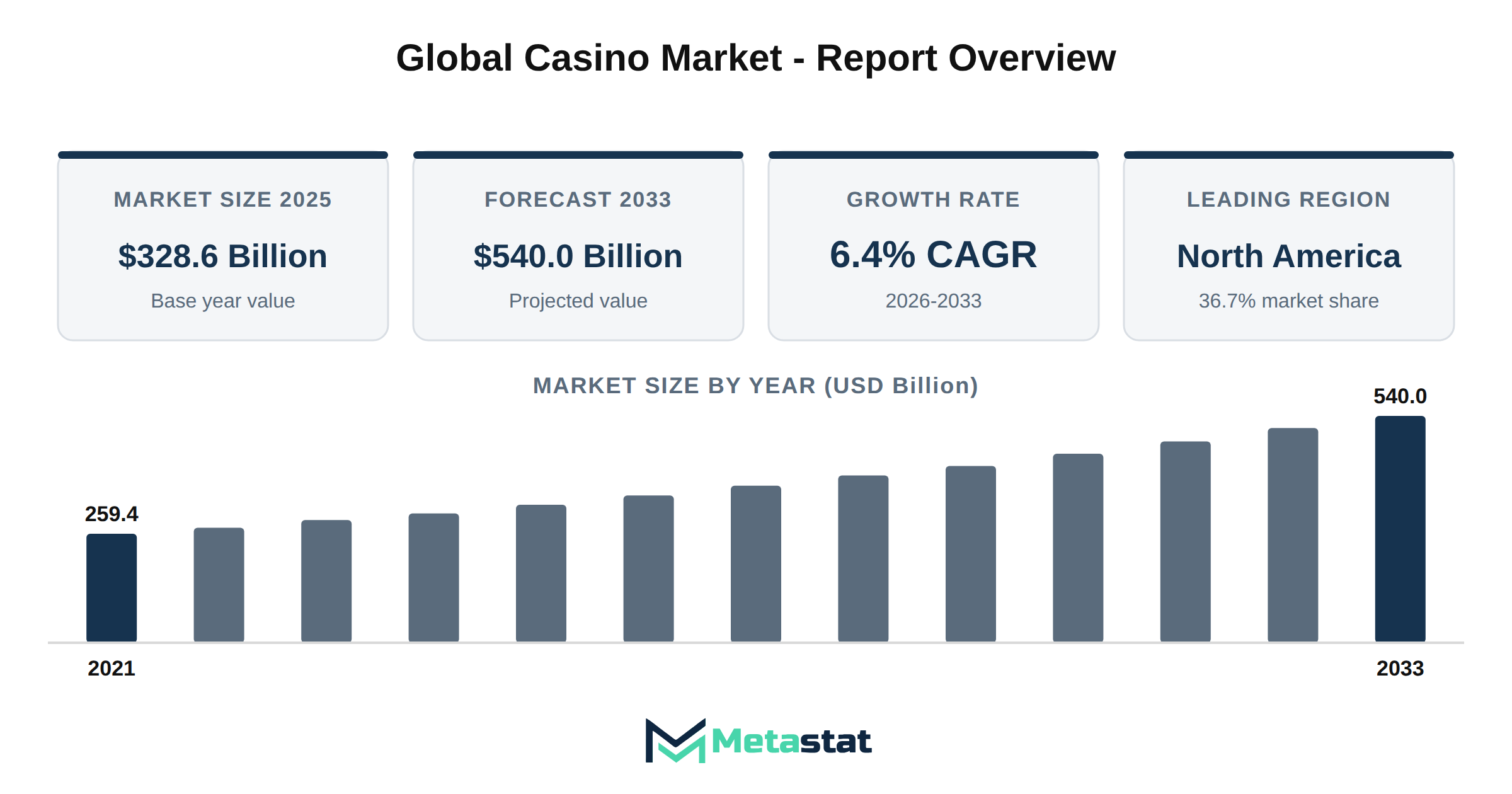
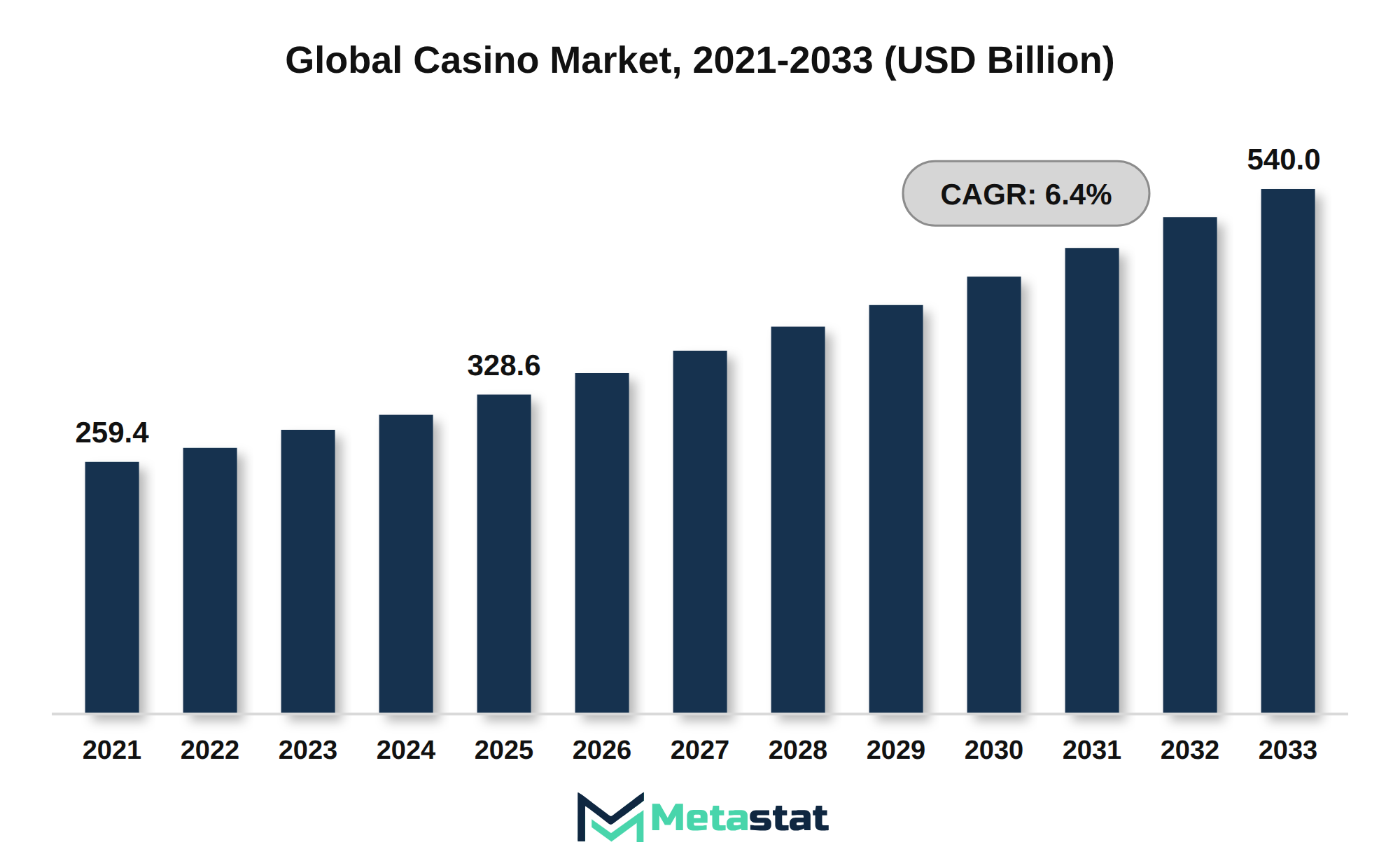
The global Casino market was valued at USD 328.6 billion in 2025 and is projected to reach USD 540 billion by 2033, growing at a CAGR of 6.4% over the forecast period.
The global casino market reached a valuation of USD 328.6 billion in 2025 and is projected to expand to USD 540 billion by 2033, reflecting a compound annual growth rate (CAGR) of 6.4 percent. Historical data indicates that the market began at USD 259.4 billion in 2021, demonstrating consistent growth over the years. Specifically, the market size increased to USD 273.7 billion in 2022 and further to USD 292.3 billion in 2023. The upward trajectory continued with a valuation of USD 307.8 billion in 2024, culminating in the USD 328.6 billion figure for 2025.
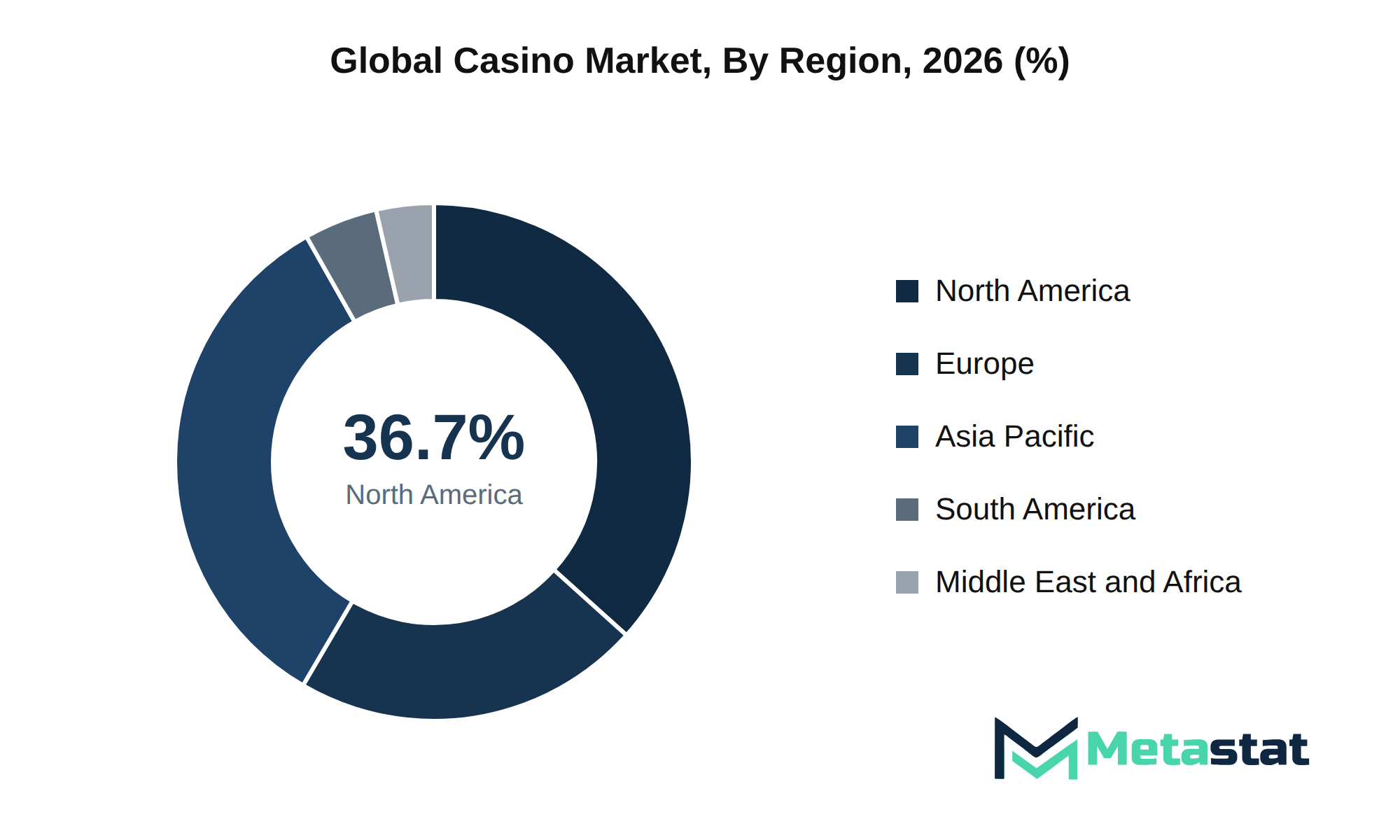
Geographically, North America holds the largest share of the casino market at 36.7 percent, followed by Asia Pacific at 33.4 percent and Europe at 21.8 percent. South America and the Middle East and Africa represent smaller segments, with shares of 4.6 percent and 3.6 percent, respectively. By 2033, North America's market value is projected to reach USD 181.2 billion, maintaining a CAGR of 6.4 percent. This regional dominance reflects the strong presence of integrated casino and entertainment destinations, which drive customer engagement and loyalty initiatives.
Market dynamics reflect significant trends within the gaming sector, focusing on customer engagement strategies and the evolution of loyalty programs. The rise of online casino gaming indicates a growing preference for digital platforms, with a projected value of USD 244.2 billion by 2033 and a CAGR of 11.3 percent. This shift towards online offerings highlights the importance of adapting to consumer preferences and technological advancements.
The casino market experiences significant transformations driven by evolving gaming industry trends. Customer engagement strategies have shifted towards personalized experiences, enhancing player retention and satisfaction. The evolution of loyalty programs emphasizes rewards that appeal to diverse customer segments, creating stronger connections with both new and existing patrons. Integrated casino and entertainment destinations are emerging because hubs for capturing consumer interest, effectively blending gaming with leisure and hospitality offerings.
Regulatory compliance remains a critical focus for operators. Adapting to standards across different jurisdictions ensures uninterrupted operations and mitigates geopolitical risks. The supply chain landscape is essential for sustaining operational efficiency, with logistics architecture tailored to meet the demands of a dynamic market. Strategic procurement practices align with customer journey dynamics, enhancing the overall experience for patrons.
Investment in research and development drives next-generation innovations within the casino market. Sustainable transformation initiatives emphasize decarbonization and circular economy dynamics, aligning with global sustainability goals. Capital allocation strategies prioritize infrastructure investments that support long-term growth, while macroeconomic headwinds introduce challenges including inflationary pressures and currency volatility. These factors influence operational costs and consumer spending patterns.
The future strategic outlook for the market highlights the importance of corporate imperatives focused on customer-centric approaches. Companies are expected to prioritize high-value recommendations that drive profitability while adapting to changing consumer behaviors. Addressing these aspects positions the casino market for sustained growth and resilience in an evolving environment.
Market Dynamics
Capital investment environments drive revenue growth
The casino market experiences significant growth fueled by favorable capital investment environments. Increased interest in gaming opportunities stimulates public-private spending, enhancing infrastructure development and modernization across the sector. With GDP growth trajectories projected to improve, investor confidence strengthens, resulting in heightened venture funding for casino projects and expansions.
North America stands out with a share of market activity, driven by a combination of regional policies and high consumer spending power. Enhanced capital investments support the development of innovative gaming technologies and improved customer experiences in land-based and online casino operations. This focus on modernization improves operational efficiency and revenue-generating capabilities.
Investment in digital transformation further influences the market, with casino operators adopting advanced technologies including AI and automation. These initiatives streamline processes and enhance operational productivity. Consequently, consumers are more likely to engage with both online and land-based gaming platforms, leading to sustained revenue growth.
While these dynamics unfold, the casino market is expected to expand significantly, with a projected market value of USD 540 billion by 2033. The compound annual growth rate of 6.4 percent indicates a strong trajectory, ensuring continued investment opportunities for stakeholders in this evolving market.
Consumer behavior shifts drive market evolution
The casino market experiences notable advancements driven by evolving consumer preferences and demographic patterns. A growing interest in entertainment options among younger demographics influences the demand for diverse gaming experiences, including online platforms and innovative gaming technologies. The expansion of the online casino segment reflects this trend, with revenue in this sector projected to reach USD 244.2 billion by 2033, reflecting a compound annual growth rate (CAGR) of 11.3%. This growth is attributed to the increasing adoption of mobile gaming and the convenience offered by digital platforms.
An aging population contributes to changing consumer behaviors, leading to increased participation in gaming activities among older adults. This demographic shift creates opportunities for casinos to cater to a broader audience by enhancing their service offerings and tailored experiences. The rising focus on lifestyle changes, including urbanization and social gaming, further influences the evolution of the casino market, prompting operators to innovate and diversify their product lines.
Investment in technology integration, including automation and artificial intelligence, enhances operational productivity. Streamlined processes and improved overall customer experience position casinos for sustained growth and competitiveness in the market. This technological advancement, combined with a commitment to meet evolving consumer demands, creates a dynamic environment conducive to increased market penetration and revenue generation.
Regulatory compliance and economic pressures
The casino market faces significant challenges stemming from regulatory compliance and economic pressures. Stricter regulations increase operational costs for gaming establishments, requiring substantial investments in compliance measures and technology upgrades. These financial burdens particularly impact smaller operators, limiting their ability to compete effectively against larger firms. Macroeconomic headwinds, including inflationary pressures and rising interest rates, create a challenging environment for market growth. Higher costs of goods and services reduce disposable income for consumers, leading to diminished spending on gaming activities.
Resource scarcity contributes to operational inefficiencies. Limited access to skilled labor and rising workforce overhead hinders service quality and customer experience in casinos. These issues create barriers for new players entering the market, resulting in a fragmented competitive landscape. The combined effects of economic challenges and regulatory hurdles slow market expansion and create uncertainty for investors. The market’s growth trajectory experiences setbacks due to these compounding factors, highlighting the complex dynamics at play in the casino sector.
Geopolitical fragmentation and trade deficits
The casino market encounters significant challenges due to geopolitical fragmentation, which disrupts trade and complicates international market access. Countries experience rising tariffs and trade barriers, creating cost pressures for operators and reducing market potential across regions. Trade deficits exacerbate these issues, limiting the availability of essential resources and components needed for casino operations.
Technological disruptions, including advancements in online gaming, introduce competitive pressures on traditional land-based casinos. Operators face increased competition from digital platforms, requiring them to enhance their offerings and invest in technological upgrades. This shift in consumer preference toward online casino gaming necessitates a reallocation of resources and adaptation of business strategies.
Supply chain instability presents additional challenges, with logistics disruptions impacting the timely delivery of gaming machines and other critical equipment. Operators experience delays that hinder operational efficiency and customer satisfaction. The combined effects of these operational challenges contribute to rising input costs, which squeeze profit margins.
Workforce skill gaps significantly impact the ability of operators to implement new technologies and maintain service quality. Recruitment and retention of skilled labor pose ongoing challenges, particularly in regions facing high competition for talent. Attracting and retaining skilled professionals is crucial for maintaining a competitive edge.
Pricing compression in the casino market results from intense competition and shifting consumer expectations. Operators navigate these pressures while managing compliance overhead associated with evolving legal liabilities. Adapting to tightening global regulatory standards complicates operational processes and increases the cost of compliance.
Overall, the combination of geopolitical fragmentation, technological disruptions, and operational challenges creates a complex environment for the casino market. These factors necessitate strategic adjustments and continuous innovation to thrive in a changing environment.
Emerging technologies drive market opportunity
The casino market presents significant opportunities arising from the integration of emerging technologies and digital transformation initiatives. Rapid advancements in online casino gaming, including the proliferation of mobile applications and virtual reality experiences, drive increased engagement among consumers. Geographic expansion into underpenetrated markets enhances access and revenue potential, leading to heightened competition among operators.
Infrastructure modernization plays a crucial role in attracting a new generation of players. Investments in eco-friendly developments and sustainable practices align with growing consumer preferences for responsible gaming environments. This shift toward sustainability not only enhances brand reputation but meets the evolving expectations of investors and stakeholders.
The rise of cross-industry mergers and strategic consolidations contributes to an increasingly competitive market. Collaborative efforts facilitate product integration and diversification of offerings, which strengthens market position. The focus on niche application growth allows operators to cater to specific consumer segments, enhancing overall market penetration.
Changes in buying behaviors and the transition to digital procurement shift industry dynamics, necessitating a reevaluation of traditional commercial models. Operators adopting innovative approaches maximize operational yields and optimize the value chain, further strengthening their market presence. The casino market is projected to experience significant growth, driven by technological advancements and evolving consumer demands.
Market Segmentation Analysis
The Global Casino market is segmented based on Type, Gaming Offering, and End-user.
By Type, the market is further segmented into:
Land-Based Casino Gaming
Online Casino Gaming
Land-Based Casino Gaming
Valued at USD 235.3 billion in 2026, the Land-Based Casino Gaming segment is projected to reach USD 295.7 billion by 2033, growing at a CAGR of 3.3% during the forecast period. Factors driving demand include a robust consumer base attracted to the social aspects of in-person gaming experiences and the increasing establishment of casinos in emerging markets. The expansion of this segment relies heavily on the integration of advanced technologies, including cashless payment solutions and interactive gaming experiences, which enhance customer engagement and satisfaction.
Technological maturation facilitates the introduction of next-gen upgrades that improve operational efficiency and customer experiences. This segment experiences the evolution of product offerings, with a growing variety of games tailored to diverse consumer preferences. Downstream applications in entertainment, tourism, and hospitality industries support the segment's growth, creating synergies that encourage casino development in popular travel destinations.
Consumption shifts towards unique and immersive gaming experiences continue to shape demand dynamics within the market. Regulatory compliance standards ensure fair play and safety, reinforcing consumer trust in land-based casinos. Cost structures and pricing volatility remain critical considerations, influencing operational margins, driven by casinos responding to fluctuating consumer demand and economic conditions.
Strategic opportunity windows arise through collaboration with technology providers and entertainment companies, opening avenues for innovative gaming solutions. The forecast period highlights significant capital investment potential, driven by the modernization of existing facilities and enhancement of the overall customer experience. Overall, the Land-Based Casino Gaming segment demonstrates resilience and adaptability, positioning itself for sustained growth within the evolving casino market.
Online Casino Gaming
Online Casino Gaming experiences strong growth, driven by increasing consumer interest in digital platforms. This segment benefits from technological advancements, including improved user interfaces and mobile accessibility, leading to enhanced player engagement. The integration of innovative gaming technologies, including live dealer games and virtual reality, significantly influences user experience, attracting a broader audience.
The segment is estimated to reach USD 244.2 billion by 2033, at a CAGR of 11.3% during the forecast period. This growth results from shifting consumer preferences towards online gaming options, particularly during periods of reduced physical access to land-based casinos. Regulatory changes in various jurisdictions further facilitate market entry for new operators while enhancing consumer protections.
Consumer behavior trends indicate a growing willingness to explore online gaming, with younger generations driving demand through digital platforms. The segment's evolution includes expanded payment options and loyalty programs that encourage sustained participation. Enhanced security measures and responsible gaming initiatives contribute to increased consumer trust, further strengthening the segment's position within the broader casino market.
Competitive pressures compel operators to innovate continuously, introducing unique game offerings and user engagement strategies. This environment encourages partnerships with technology providers to enhance gaming experiences. Ongoing investment in marketing and promotional activities increases brand visibility, enabling operators to capture market share effectively.
By Gaming Offering, the market is further segmented into:
Electronic Gaming Machines (Slot Machines)
Table Games
Poker Rooms
Sports Betting
Race Wagering
Bingo & Keno
Skill-Based & Electronic Table Games
Others (Lottery Gaming, Specialty Games)
Electronic Gaming Machines (Slot Machines)
Significant demand drivers for electronic gaming machines, particularly slot machines, originate from their popularity among diverse demographics. These machines attract players with their engaging gameplay, lively graphics, and the potential for substantial winnings, contributing to increased foot traffic in casinos.
Adoption of electronic gaming machines is supported by the evolving environment of casino offerings, where operators continually seek to enhance player experiences. Innovations in technology, including improved user interfaces and advanced game mechanics, facilitate the appeal of these machines, prompting more individuals to participate in gaming activities.
Segment expansion drives growth through diversification of game themes and formats. Operators introduce various new themes, appealing to different player preferences, which enhances overall market penetration. This approach addresses the diverse interests of consumers, thereby driving additional revenue streams for casinos.
Technological maturation is important in the development of next-generation electronic gaming machines. Advanced technologies, including artificial intelligence and machine learning, optimize gameplay dynamics and personalize player interactions, creating a more engaging environment. These upgrades enhance player satisfaction and contribute to retention rates.
Product evolution remains integral to maintaining competitive advantage within the casino market. Continuous innovation in electronic gaming machines ensures that offerings remain fresh and appealing. This evolution captures the interest of existing players and attracts new demographics looking for unique gaming experiences.
Consumption shifts indicate a growing preference for electronic gaming machines over traditional table games. Factors influencing this shift include convenience, accessibility, and the ability to engage in solo play. This trend reflects changing consumer behavior, with players seeking entertainment that aligns with modern lifestyles.
Regulatory compliance standards heavily influence the operation of electronic gaming machines. Compliance with local gaming regulations and certifications ensures the integrity of gaming operations and builds consumer trust. Adherence to these standards is essential for market participants to maintain their licenses and uphold brand reputation.
Pricing volatility affects the overall profitability of electronic gaming machines. Fluctuations in costs related to technology, maintenance, and regulatory compliance influence operators' pricing strategies. Balancing these costs while offering competitive pricing structures remains a challenge for casino operators.
Margin pressures continue to shape the financial landscape for electronic gaming machines. The necessity to invest in technological advancements, coupled with operational costs, impacts overall profitability. Operators navigate these pressures to maintain sustainable business models while meeting market expectations.
Supply chain resilience is critical for the efficient operation of electronic gaming machines. Ensuring a steady flow of materials and components mitigates risks associated with disruptions. Strategic partnerships and robust supply chain management practices enhance stability and contribute to market confidence.
Raw material sourcing directly impacts the manufacturing processes of electronic gaming machines. Access to quality materials influences product quality and longevity. Strategic sourcing initiatives strengthen relationships with suppliers, ensuring consistent availability while optimizing cost structures.
Logistics vulnerabilities pose challenges for operators within the casino market. Effective logistics management is essential to mitigate risks associated with delays or disruptions in the supply chain. Investment in logistics infrastructure enhances operational efficiency and ensures timely delivery of gaming machines to various locations.
Substitution risks exist in the area of entertainment options available to consumers. The emergence of online gaming platforms and mobile applications presents competition to traditional electronic gaming machines, compelling operators to continuously innovate and enhance their offerings to retain player interest.
Disruptive alternatives in the gaming landscape, including skill-based gaming and interactive experiences, impact the traditional slot machine segment. Operators adapt to these shifts by integrating new gaming formats and experiences, ensuring relevance in an evolving market.
Technological obsolescence remains a concern for electronic gaming machines. Continuous advancements in gaming technology necessitate regular upgrades to remain competitive. Investing in next-gen technologies ensures that machines meet current player expectations and industry standards.
Strategic opportunity windows arise from emerging trends and consumer preferences within the casino market. Identifying and capitalizing on these opportunities allows operators to enhance their offerings and strengthen market positioning. Flexibility and responsiveness to market dynamics are essential for success.
White-space analysis highlights potential areas for growth within the electronic gaming machine segment. Exploring underserved demographics or untapped markets drives expansion and increases overall market share. Operators focusing on innovation and targeted marketing strategies leverage these opportunities effectively.
Capital investment outlook signals confidence in the electronic gaming machine sector. Ongoing investments in technology, infrastructure, and marketing initiatives reflect a commitment to long-term growth. Operators that prioritize strategic investments are likely to enhance their competitive advantage and contribute to overall market expansion.
Table Games
Table games represent a vital component within the casino market, catering to various player preferences and enhancing the overall gaming experience. Increasing consumer interest fuels demand for table games, driven by the social interaction and excitement they offer. Players often favor these games for their strategic elements, creating a competitive atmosphere that electronic gaming machines do not replicate. This unique appeal contributes to the sustained growth of the segment.
Technological advancements play a significant role in the evolution of table games, integrating features including electronic interfaces and augmented reality. These innovations attract a younger demographic, expanding the market's reach and enhancing gameplay experiences. Adaptation to emerging trends, including the rise of hybrid gaming solutions, further positions table games favorably within the broader gaming landscape.
End-use dynamics influence consumption patterns, with varying player segments engaging in table games differently. Gambling enthusiasts gravitate toward traditional experiences, while dabblers explore casual options, indicating diverse market strategies for providers. Regulatory compliance remains critical, driven by jurisdictions enforcing standards that affect game offerings and operational practices.
Cost structures linked to table game operations involve staffing and maintenance, impacting profitability. Providers actively seek to optimize pricing strategies, balancing competitive offerings with operational expenses. The ongoing pursuit of efficiency contributes to margin pressures faced by operators, necessitating strategic adjustments to remain viable in the market.
Supply chain resilience becomes essential in maintaining the availability of table game products. Challenges including raw material sourcing and logistics vulnerabilities impede timely offerings. Identifying disruptive alternatives and strategies to mitigate these risks will strengthen market positioning and ensure sustained growth.
Overall, table games form an essential segment within the casino market, characterized by evolving consumer preferences, technological integration, and regulatory dynamics. Strategic opportunity windows arise because operators adapt to market shifts, ensuring continued relevance and engagement with diverse player demographics.
Poker Rooms
Growing interest in poker among consumers drives demand in the Poker Rooms segment. The rise of online platforms enhances accessibility, attracting a broader audience. Competitive tournaments and promotions increase player engagement and participation, creating a dynamic community around this gaming offering. Regulatory developments in various regions encourage the establishment of poker rooms in casinos, ensuring a compliant environment that supports growth. Innovations in technology, including enhanced gaming software and real-time analytics, improve the player experience, leading to higher retention rates. Such advancements promote strategic opportunities for new investments, thereby enhancing the overall structure of the casino market.
Adoption of poker games within casinos reflects shifting consumer preferences toward more interactive and skill-based gaming experiences. Operators focus on creating immersive environments to distinguish their offerings, further driving segment expansion. The introduction of mobile and digital solutions allows for integration of poker games, reaching players beyond traditional casino settings. Market participants actively explore partnerships and collaborations to leverage emerging technologies, aligning their strategies with evolving consumer expectations. These initiatives contribute to sustained growth and increased revenue generation within the Poker Rooms segment.
Sports Betting
Growing interest in sports events drives demand for sports betting, enhancing its significance within the casino market. Consumers seek interactive and engaging experiences, propelling the expansion of this segment. Technological advancements in mobile applications and online platforms enhance accessibility and convenience for bettors, attracting a wider audience.
Regulatory changes across various jurisdictions facilitate the growth of sports betting by creating legal frameworks that support its operation. This trend encourages operators to invest in infrastructure and technology, improving user experience through features including live betting and real-time analytics. The ongoing evolution of consumer preferences leads to heightened competition among providers, pushing them to innovate continuously.
Market players focus on strategic partnerships and collaborations to broaden their reach and enhance service offerings. Investments in marketing and promotional activities strengthen brand presence and attract new customers. The dynamic nature of sports betting aligns with shifting consumer behaviors, particularly among younger demographics who prefer digital engagement over traditional gambling methods. This shift influences the strategies employed by operators.
Challenges arise from pricing volatility and margin pressures, affecting profitability across the segment. Nevertheless, opportunities persist through the introduction of new betting options and features that cater to diverse consumer interests. Adaptation to market demands and regulatory landscapes will determine the long-term success of the sports betting segment within the broader casino market.
Race Wagering
Race wagering represents a distinctive segment within the casino market, catering to a niche audience passionate about horse racing events. Increasing interest in horse racing and related betting activities drives demand, particularly in well-established markets including North America and parts of Europe. This segment experiences growth through the integration of mobile wagering applications and online platforms, enhancing accessibility for consumers. Technological advancements contribute to a more streamlined betting experience, allowing users to engage with real-time data and statistics that inform their wagering decisions. Regulatory compliance plays a critical role in shaping the race wagering landscape, with jurisdictions implementing strict standards to ensure fair play and protect consumers.
Developments in race wagering products evolve alongside consumer preferences, with increased focus on offering diverse betting options, including exotic wagers and live betting. This product evolution aligns with a broader trend of personalization in gaming, where operators strive to deliver tailored experiences to attract avid bettors. Operational challenges, including pricing volatility and margin pressures, impact operators. These challenges compel operators to optimize their pricing strategies to maintain competitiveness. Strategic investments in marketing and technology enhancement are critical for operators aiming to expand their market share within the race wagering space.
End-use dynamics indicate a shift towards younger demographics, who embrace technology-driven solutions for their wagering activities. This consumption shift encourages operators to invest in engaging marketing campaigns and user-friendly platforms that appeal to this audience. Disruptive alternatives, including virtual racing and eSports betting, pose competition to traditional race wagering, prompting operators to innovate continuously. Overall, the race wagering segment within the casino market demonstrates resilience and adaptability, positioning itself for sustained growth in the evolving gaming environment.
Bingo & Keno
Consumer interest in Bingo and Keno has strengthened owing to their accessibility and social aspects, attracting a diverse player base. This segment appeals to a wide range of participants, from casual players to more dedicated enthusiasts. The integration of technology into traditional gaming experiences has enhanced engagement, particularly through online platforms that offer live games and interactive features.
Technological advancements drive segment expansion, introducing innovative gameplay and immersive experiences that appeal to younger demographics. Enhanced graphics, mobile accessibility, and integration with social media platforms facilitate user interaction and retention. The evolving gaming environment encourages operators to adopt next-generation upgrades, focusing on user-friendly interfaces and engaging content.
Regulatory compliance remains a critical factor, influencing operational strategies and market dynamics. Adherence to local gaming laws ensures a robust framework for player protection and fair play, benefiting both operators and consumers. This regulatory landscape provides stability and builds consumer trust, essential for sustainable growth within the segment.
Cost structures within Bingo and Keno operations vary based on technological investment and regulatory requirements. Operators face pricing volatility influenced by competition and changing consumer preferences. Strategic pricing approaches, combined with effective marketing initiatives, enhance revenue generation and margin optimization within the segment.
Supply chain resilience is essential for the successful operation of Bingo and Keno offerings. Maintaining strong relationships with technology providers and game developers ensures consistent access to high-quality content and innovative features. This strategic alignment supports the adaptation of offerings to meet evolving consumer demands.
Disruptive alternatives, including emerging online gaming platforms, present both challenges and opportunities for Bingo and Keno. Adapting to these trends through strategic partnerships and technological investments strengthens market positioning. The segment's ability to innovate and respond to market dynamics positions it for sustained relevance within the broader casino market.
Skill-Based & Electronic Table Games
Innovations in the gaming sector contribute significantly to the growth of skill-based and electronic table games within the casino market. Increasing interest in interactive and immersive gaming experiences drives demand among consumers, particularly younger demographics seeking engaging alternatives to traditional gaming options. These elements enhance adoption among casinos aiming to attract a diverse audience and improve customer retention.
Technological advancements play a critical role in segment expansion. The proliferation of high-definition graphics, augmented reality, and gamification strategies enhances the player experience, making these games more appealing. Enhanced product features and next-generation upgrades help operators differentiate their offerings, creating competitive advantages in a crowded market.
Consumer behavior trends indicate a shift towards skill-based gaming, where players actively engage in gameplay strategies rather than relying solely on chance. This evolution aligns with a broader trend of personalized entertainment, prompting casinos to invest in innovative game designs that cater to varied preferences and enhance player satisfaction.
Regulatory compliance shapes the operational landscape for skill-based and electronic table games. Ensuring adherence to local gaming regulations while integrating new technologies remains a complex challenge for operators. Compliance standards vary across regions, influencing how companies develop and deploy their gaming offerings, which ultimately affects market dynamics.
Strategic investment in marketing and player education supports consumption shifts towards skill-based games. Casinos leveraging targeted campaigns to educate potential players about these innovative offerings drive adoption rates and generate interest. This proactive approach creates a more informed audience and facilitates growth within the segment.
Overall, the skill-based and electronic table games segment demonstrates strong growth potential within the casino market. Continued investment in technology, regulatory adaptation, and consumer-focused marketing strategies is expected to shape the future of this segment, driving its evolution and integration into the broader gaming landscape.
Others (Lottery Gaming, Specialty Games)
Interest in lottery gaming and specialty games contributes to a diverse gaming offering within the casino market. Unique experiences and engaging formats appeal to a wide range of consumers, driving demand across various demographics. The integration of innovative technologies facilitates new gameplay options, enhancing player interaction and satisfaction, while ensuring compliance with regulatory standards. These developments enhance segment expansion, attracting both veteran players and newcomers seeking novel experiences.
Strategic opportunities arise from shifts in consumption patterns. Players increasingly seek unique gaming experiences that extend beyond traditional formats. The market's adaptability in responding to evolving player preferences results in a promising outlook for innovative offerings within this sub-segment. Continued investment in product evolution will shape the competitive landscape, creating an environment conducive to player engagement and revenue growth.
Regulatory compliance and certification standards significantly impact operations within the lottery gaming and specialty games segment. Understanding and navigating these regulations is essential for maintaining market access and ensuring operational resilience. The presence of established players enhances supply chain stability, while effective cost management strategies help mitigate pricing volatility and other financial pressures. Overall, the segment stands poised for ongoing growth, supported by strategic investment and a commitment to innovation.
By End-user, the market is further segmented into:
Dabblers
Gambling Enthusiasts
Lottery Loyalists
Social Exuberant
Unengaged Audience
By, the market is further segmented into
Dabblers
Interest in casual gaming drives engagement within the Dabblers segment of the Casino market. This demographic includes individuals who participate in gaming activities sporadically, often driven by social influences or special events. The appeal of gaming is heightened by the integration of technology, which enhances user experience and accessibility. Innovations including mobile gaming platforms and interactive gaming options expand the segment's reach, attracting new consumers who appreciate convenience and novelty.
Social dynamics play a significant role in the growth of this segment. Gatherings and events provide opportunities for casual participation. Marketing strategies targeting social contexts and enjoyable experiences connect with Dabblers, encouraging their involvement without the commitment seen in more dedicated gambling segments. This segment's fluid nature, where individuals dip in and out of gaming experiences, presents unique challenges for operators in terms of customer retention and loyalty.
Regulatory environments impact participation levels, with compliance influencing operational strategies. Adapting to these regulations while maintaining engaging offerings remains essential for capturing the attention of Dabblers. The market's ability to innovate while navigating these complexities directly affects the attractiveness of gaming options to this audience. Overall, the combination of technology, social engagement, and regulatory navigation shapes the future dynamics of the Dabblers segment within the Casino market.
Gambling Enthusiasts
Gambling enthusiasts represent a passionate segment within the casino market, characterized by a deep engagement with various gaming offerings. This group demonstrates strong loyalty and frequent participation in gaming activities, contributing significantly to market dynamics. Primary demand drivers for gambling enthusiasts include the thrill of competition, social interaction, and the pursuit of entertainment. These factors create a strong community and drive continuous participation across diverse gaming formats, including electronic gaming machines, table games, and online platforms.
Technological maturation influences the preferences and habits of gambling enthusiasts. The introduction of advanced gaming technologies enhances user experiences, offering innovative features and improved accessibility. Next-gen upgrades, including augmented reality and virtual reality applications, create immersive environments that appeal to this audience. Consequently, the market anticipates increased investments in technology to meet the evolving demands of gambling enthusiasts.
Product evolution remains a focal point, driven by developers adapting offerings to align with the preferences of this dynamic segment. The incorporation of gamification elements and skill-based gaming options appeals to the desire for interactive experiences. Downstream applications of these innovations enhance user engagement and retention, driving consistent revenue for operators within the market.
Consumption shifts among gambling enthusiasts indicate a growing preference for online gaming platforms. This trend reflects broader shifts in consumer behavior, driven by convenience and the ability to engage with gaming experiences from home or on-the-go. Regulatory compliance standards in various jurisdictions influence the adaptability of online platforms, shaping how operators approach user acquisition and retention strategies.
Cost structures and pricing volatility pose challenges within the market. Operators face pressure to balance competitive pricing while maintaining quality service and innovative offerings. Margin pressures impact the ability to invest in new technologies and customer engagement initiatives. Addressing these challenges requires strategic planning and investment in marketing and technology to retain the loyalty of gambling enthusiasts.
Strategic opportunity windows emerge, driven by gaming companies seeking to capture the attention of gambling enthusiasts. By analyzing consumption patterns and preferences, operators tailor marketing strategies and introduce targeted promotions. This approach enhances customer acquisition efforts and strengthens brand loyalty in a competitive environment.
Lottery Loyalists
Lottery Loyalists exhibit a distinct inclination toward lottery games, driven by factors including personal affinity for chance-based entertainment and the potential for substantial winnings. This segment prioritizes convenience and accessibility, with many players gravitating toward digital platforms for purchasing tickets and engaging with lottery content. The expanding availability of online lottery options enhances participation, catering to a tech-savvy audience that values user-friendly interfaces and mobile accessibility.
Consumer behavior shifts in this segment reflect a growing trend toward casual gaming experiences, where Lottery Loyalists engage less frequently yet with heightened enthusiasm during promotional events or jackpot escalations. This sporadic engagement pattern generates significant spikes in ticket sales during high-stakes draws, reflecting the segment's responsiveness to marketing campaigns and prize enhancements.
Regulatory frameworks heavily influence the Lottery Loyalists segment, with compliance standards shaping game offerings and promotional strategies. Participants in this segment exhibit a strong preference for transparency and fairness, driving operators to implement stringent measures to ensure game integrity. Consequently, adherence to regulatory guidelines builds consumer trust and enhances market stability.
Technological advancements lead to the evolution of lottery offerings, with interactive and gamified experiences gaining traction. Innovations, including the integration of augmented reality and personalized marketing strategies, enhance engagement and deepen player loyalty. The ongoing development of next-generation platforms positions the Lottery Loyalists segment for sustained growth within the broader Casino market.
Insights derived from consumer preferences uncover strategic opportunity windows for operators to tailor their offerings. Emphasizing user experience, including efficient ticket purchasing processes and personalized content, aligns with the desires of Lottery Loyalists. This segment's unique characteristics present avenues for targeted marketing initiatives, ultimately contributing to the overall expansion of the market.
Social Exuberant
Consumer engagement within the Casino market is shaped by diverse motivations, with the Social Exuberant segment displaying distinct characteristics. This segment thrives on the social aspects of gaming, where individuals seek enjoyment and entertainment rather than focusing solely on financial gains. The growing trend of social gaming is driven by increased connectivity and the rise of mobile platforms, enabling users to engage in gameplay with friends and family. This shift encourages participation among a broader audience, expanding the customer base within the market.
Technological advancements play a crucial role in enhancing the Social Exuberant segment. Integration of immersive experiences, including augmented reality and virtual reality, increases user engagement, creating interactive environments. These innovations attract new players, creating a dynamic gaming culture that encourages repeat visits and prolonged participation. In addition, the convenience of online platforms allows for easy access, further driving the appeal of social gaming experiences.
Regulatory compliance remains critical for operators targeting the Social Exuberant demographic. Adherence to local gaming laws and regulations ensures a safe and secure environment, which enhances consumer confidence in participating in various gaming activities. Maintaining transparency and responsible gaming practices enables operators to effectively cater to the needs of this audience, enhancing brand loyalty and building long-term relationships.
Consumption shifts within the Social Exuberant segment indicate a preference for casual gaming experiences. Players increasingly gravitate towards games that offer social interactions and community features. This trend reflects a broader cultural movement towards socializing through gaming, which highlights the importance of creating engaging content that connects with users. Operators prioritizing user experience and community-building opportunities are likely to capture greater market share.
Strategic opportunity windows arise from the evolving preferences of consumers in the Casino market. Identifying trends and adapting offerings to align with audience expectations enables operators to effectively position themselves within the market. Continuous investment in technology and innovative gaming solutions will support sustained growth and accessibility among the Social Exuberant demographic.
Unengaged Audience
Market dynamics reflect the challenges faced by the unengaged audience within the casino market. This segment encounters barriers in terms of awareness and interest in gaming options, resulting in lower participation rates. Targeting strategies aimed at increasing engagement are critical factors for enhancing involvement from this segment. Advertising and promotional initiatives play important roles in capturing the attention of potential consumers by highlighting the benefits and excitement associated with gaming.
Technology advancements significantly influence the unengaged audience's experience. Innovations in gaming platforms, offering user-friendly interfaces and immersive experiences, attract new participants. The presence of mobile gaming applications facilitates access to casino offerings, allowing for convenience and flexibility, which appeals to a broader demographic. Increased marketing efforts focusing on these technological features drive interest and participation from this audience.
Consumer behavior trends demonstrate a shift towards social interactions in gaming experiences. Collaborations with social media platforms and influencer marketing enable casino operators to reach untapped audiences. Effective engagement strategies that incorporate social dynamics promote participation, making gaming more appealing and relatable to the unengaged audience. The casino market's ability to adapt marketing approaches to capture this segment is essential for strengthening long-term demand.
Regulatory compliance standards impact the unengaged audience's perceptions of the gaming environment. Ensuring transparent operations and responsible gaming practices builds trust and encourages participation among potential consumers. Addressing concerns regarding regulatory issues provides an opportunity to attract individuals who have previously been hesitant to engage with casino offerings.
By, the market is further segmented into
Engagement from various user types drives the Casino market's growth. The Dabblers segment, representing casual gamers, shows interest in low-stakes gaming options. These consumers participate for entertainment rather than profit, contributing to increased foot traffic in casinos. Gambling Enthusiasts demonstrate a deeper commitment to gaming, frequently engaging in a variety of offerings, including table games and slots. Their loyalty enhances revenue for operators, encouraging innovations and promotions tailored to retain this audience.
Lottery Loyalists demonstrate a strong preference for lottery systems, driven by the excitement of potential large payouts. Their consistent participation supports market stability, while Social Exuberants engage primarily for social interaction and entertainment value. These consumers influence their peers and contribute to a lively gaming culture within casinos. The Unengaged Audience, consisting of individuals with minimal exposure to gambling, presents a growth opportunity. Targeted marketing strategies entice this group, broadening the Casino market's consumer base.
Each segment influences market dynamics, affecting trends and investment strategies. While segments evolve, operators adapt their offerings and engagement strategies to capture and retain diverse consumer preferences, ensuring sustained growth within the Casino market.
By Region
Based on geography, the Global Casino market is divided into North America, Europe, Asia-Pacific, South America, Middle East, and Africa.
North America
North America stands because a significant player within the global Casino market, accounting for a share of 36.7% in 2025. The market is set to expand at a CAGR of 6.4% within the forecast period, reaching a market size (TAM) of USD 181.2 billion by the end of 2033. The United States, Canada, and Mexico contribute to this growth through increasing consumer engagement and the expanding popularity of both land-based and online casino gaming.
Land-based casino gaming remains a key component of the market, with a projected growth from USD 235.3 billion in 2026 to USD 295.7 billion by 2033, reflecting a CAGR of 3.3%. Online casino gaming exhibits more dynamic growth potential, anticipated to reach USD 244.2 billion by 2033, with a CAGR of 11.3%. This shift indicates a strong preference among consumers for digital gaming experiences alongside traditional offerings.
Infrastructure modernization enhances the growth of the Casino market in North America. Investments in technology and facility upgrades improve customer experiences and operational efficiencies. Emerging market front-runners leverage these improvements to attract diverse consumer segments, thereby increasing market penetration.
Local compliance mandates shape the regulatory environment, impacting operational strategies for domestic market participants. Adaptation to these regulations drives competition among vendors, further consolidating the market landscape. A focus on localized procurement dynamics ensures that supplies align with regional consumer preferences, enhancing overall market responsiveness.
Strategic barriers to entry remain significant, particularly for new entrants looking to navigate the established competitive terrain. Foreign direct investment (FDI) flows into the region continue to support development initiatives, enabling geographic expansion windows. This influx reinforces the importance of regional resource availability and infrastructure readiness in supporting sustained growth within the Casino market.
Europe
Europe represents a significant portion of the global Casino market. The growth of this market in the region derives from various factors, including increasing disposable income and a shift in consumer sentiment towards entertainment experiences. Major countries including Germany, France, the UK, Italy, and Spain contribute to robust demand for both land-based and online casino gaming. The online segment shows particularly strong potential, with a projected CAGR of 11.3% through the forecast period, indicating increasing digital engagement among consumers.
Infrastructure modernization enhances the gaming experience across Europe. Investments in technology and customer service improvements have elevated the overall quality of gaming venues, attracting a more diverse demographic. The presence of established players like Playtech PLC, 888 Holdings, and Evolution Gaming Limited influences competitive dynamics and drives innovation within the sector.
Cultural nuances further influence local gaming preferences and consumer behavior, shaping the offerings within the Casino market. Countries exhibit varying popularity for specific gaming segments, with the UK showing strong engagement in sports betting, while France has a notable interest in online casino platforms. This localization of offerings drives sustained interest and engagement, enhancing market growth.
Emerging markets within Europe, particularly in Eastern regions, show underpenetrated territories that present new opportunities for expansion. While foreign direct investment (FDI) flows into these areas, local compliance mandates and regulatory frameworks prompt new entrants to adapt their strategies. This influx of investment is projected to stimulate incremental growth vectors, benefiting both consumers and operators.
Asia-Pacific
The Casino market in the Asia-Pacific region is characterized by a diverse range of gaming options and a growing consumer base. Rapid urbanization in countries including China, India, and South Korea drives interest in both land-based and online casino gaming. Increasing disposable income among the middle class in these nations encourages spending on entertainment, including casino activities. This trend leads to significant growth in the market, with projections indicating a market share of 33.4% of the global total by 2025.
Cultural acceptance of gambling varies across the region. Countries like Australia and Japan exhibit a longstanding tradition of casino gaming, while Southeast Asia shows rising engagement, particularly in nations embracing tourism-driven gambling markets. Infrastructure modernization efforts in many Asia-Pacific countries enhance the accessibility of casinos, facilitating growth in regional markets. High-value replacement cycles, particularly in gaming machines and technology, contribute to a dynamic competitive environment.
Foreign direct investment significantly influences the expansion of the market, with international operators seeking opportunities in underpenetrated territories. Local compliance mandates and geographic regulatory frameworks shape operational strategies for both domestic and international players. The regional competitive landscape features prominent industry participants, including Playtech PLC, Evolution Gaming Limited, and Genting Malaysia Berhad, who actively engage in strategic entry barriers and localized procurement dynamics.
The presence of various segments, including online casino gaming, reflects evolving consumer preferences in the Asia-Pacific region. With a compound annual growth rate of 11.3% anticipated for online casino gaming through 2033, operators recognize the importance of innovative offerings to attract younger demographics. This expansion of digital platforms represents an incremental growth vector, addressing the preferences of gambling enthusiasts who seek convenience and accessibility.
South America
The Casino market in South America features a diverse landscape with distinct characteristics across Brazil, Argentina, and the Rest of South America. Brazil stands out because a significant contributor, with a growing interest in land-based and online gaming sectors. Argentina follows closely, with its own unique gaming culture and regulatory environment that influences market dynamics. The Rest of South America presents opportunities for expansion, particularly in underpenetrated territories where consumer interest in casino gaming is rising.
Factors driving growth in this region include increased disposable income, an expanding middle class, and a shift towards more favorable regulatory frameworks. Infrastructure modernization is essential, facilitating access to gaming venues and enhancing the overall customer experience. The market's growth potential is evident, with South America representing a notable portion of the global market share in 2025.
Emerging market front-runners, particularly Brazil, attract foreign direct investment, creating competitive environments. Local compliance mandates and cultural nuances shape procurement dynamics, affecting how businesses engage with consumers. Strategic entry barriers exist, but the potential for localized manufacturing and supply chain regionalization presents avenues for growth within the market.
Overall, the Casino market in South America is positioned for incremental growth, driven by demographic changes, evolving consumer preferences, and increased investment in infrastructure, creating a promising outlook for stakeholders in the region.
Middle East and Africa
The Casino market in the Middle East and Africa is characterized by a growing interest in gaming activities. Countries including Saudi Arabia and the UAE are experiencing an increase in investments aimed at enhancing gaming infrastructure. South Africa serves because a mature market, exhibiting established gambling operations alongside emerging opportunities in digital gaming platforms.
Infrastructure modernization is essential for expanding the market. Enhanced connectivity and improved facilities encourage greater participation from various user types. The rising influence of tourism, particularly in the UAE, supports this growth by attracting international visitors interested in immersive gaming experiences.
Underpenetrated territories within the region hold significant potential for expansion. The economic environment remains conducive for foreign direct investment (FDI), creating openings for both established and new entrants in the Casino market. Local compliance mandates and geographic regulatory frameworks necessitate a tailored approach for operators aiming to navigate the diverse market dynamics.
Regional competitive dynamics reflect a blend of domestic market participants and international players. Companies including Playtech PLC and Microgaming play important roles in shaping the segment, especially regarding online casino gaming, which is expected to expand rapidly. The anticipated growth in online platforms, projected at a CAGR of 11.3%, contrasts with the more mature land-based casino gaming segment, forecasted to grow at a CAGR of 3.3%.
Overall, the Casino market in the Middle East and Africa is poised for incremental growth, driven by evolving consumer preferences, investment in modern facilities, and the expansion of digital offerings. Engaging local audiences through customized experiences will enhance market penetration and operational success for stakeholders across the region.
Competitive Landscape and Strategic Insights
The Casino market features a competitive environment shaped by various strategic behaviors, including mergers, acquisitions, and partnerships. Strategic consolidation among companies including Flutter Entertainment plc and MGM Resorts International enhances market positioning while creating synergies that leverage brand equity and operational efficiencies.
Go-to-market strategies vary significantly across players. Online Casino Gaming shows rapid growth, with firms like Evolution Gaming Limited and Playtech PLC focusing on enhanced user experiences and innovative offerings. This sector has seen substantial R&D investments to differentiate their services, targeting gambling enthusiasts and dabblers through tailored promotions and engaging gameplay.
Barriers to entry remain significant, driven by regulatory requirements and established brand loyalty. Companies like Wynn Resorts Limited and BetMGM maintain strong customer retention strategies to mitigate switching costs, further strengthening their market positions. The future competitive outlook is projected to involve ongoing restructuring and adaptation to emerging technologies, enhancing the overall appeal of the Casino market.
Intellectual property portfolios, particularly in proprietary technology, play a crucial role in maintaining a competitive edge. Firms with robust patent landscapes, including International Game Technology (IGT) and Microgaming, secure technological defensibility that supports long-term growth vectors.
Forecast and Future Outlook
Market size is forecast to rise from USD 328.6 billion in 2025 to over USD 540 billion by 2033, representing a compound annual growth rate (CAGR) of 6.4%. The base case reflects stable growth driven by increasing consumer interest and technological advancements. The bull case envisions accelerated growth resulting from innovative gaming experiences that attract a broader demographic, while the bear case highlights potential regulatory challenges and economic downturns that could hinder market expansion.
Key factors influencing future growth include macroeconomic conditions and shifts in consumer behavior. The integration of next-generation technologies and advancements in online platforms will likely enhance engagement and drive revenue. Strategic capital allocation and infrastructure improvements will support the development of emerging white-space opportunities and address unmet needs within the Casino market. Executive-level strategic imperatives will focus on promoting innovation and ensuring compliance with evolving regulations, shaping the future of the industry.
Find answers to common questions about this report
The Casino market size was valued at USD 328.6 billion in 2025.
The Casino market is projected to grow at a CAGR of 6.4% during the forecast period from 2026 to 2033.
The North America Casino market size is estimated to reach USD 181.2 billion by 2033.
Online Casino Gaming leads the Casino market with a projected value of USD 244.2 billion by 2033, compared to Land-Based Casino Gaming, which is expected to reach USD 295.7 billion in the same year.
The key drivers for the Casino market include favorable capital investment environments, increased interest in gaming opportunities, and advancements in technology. Enhanced consumer engagement, particularly among younger demographics and older adults, supports sustained revenue growth across both online and land-based platforms.
North America holds the dominant share of the Casino market, accounting for 36.7 percent in 2025. This region is projected to generate USD 181.2 billion by 2033.
The casino market growth faces challenges from regulatory compliance, economic pressures, and geopolitical fragmentation. Stricter regulations increase operational costs, while inflation and rising interest rates reduce consumer spending on gaming. supply chain instability and workforce skill gaps hinder operational efficiency and service quality, creating barriers for market expansion.
Favorable capital investment environments and increased interest in gaming opportunities drive product adoption in the casino market. Enhanced infrastructure development, investment in innovative technologies, and evolving consumer preferences contribute to sustained revenue growth and a broader audience engagement across both online and land-based platforms.
The Casino market is estimated to reach a valuation of USD 540 billion by 2033.
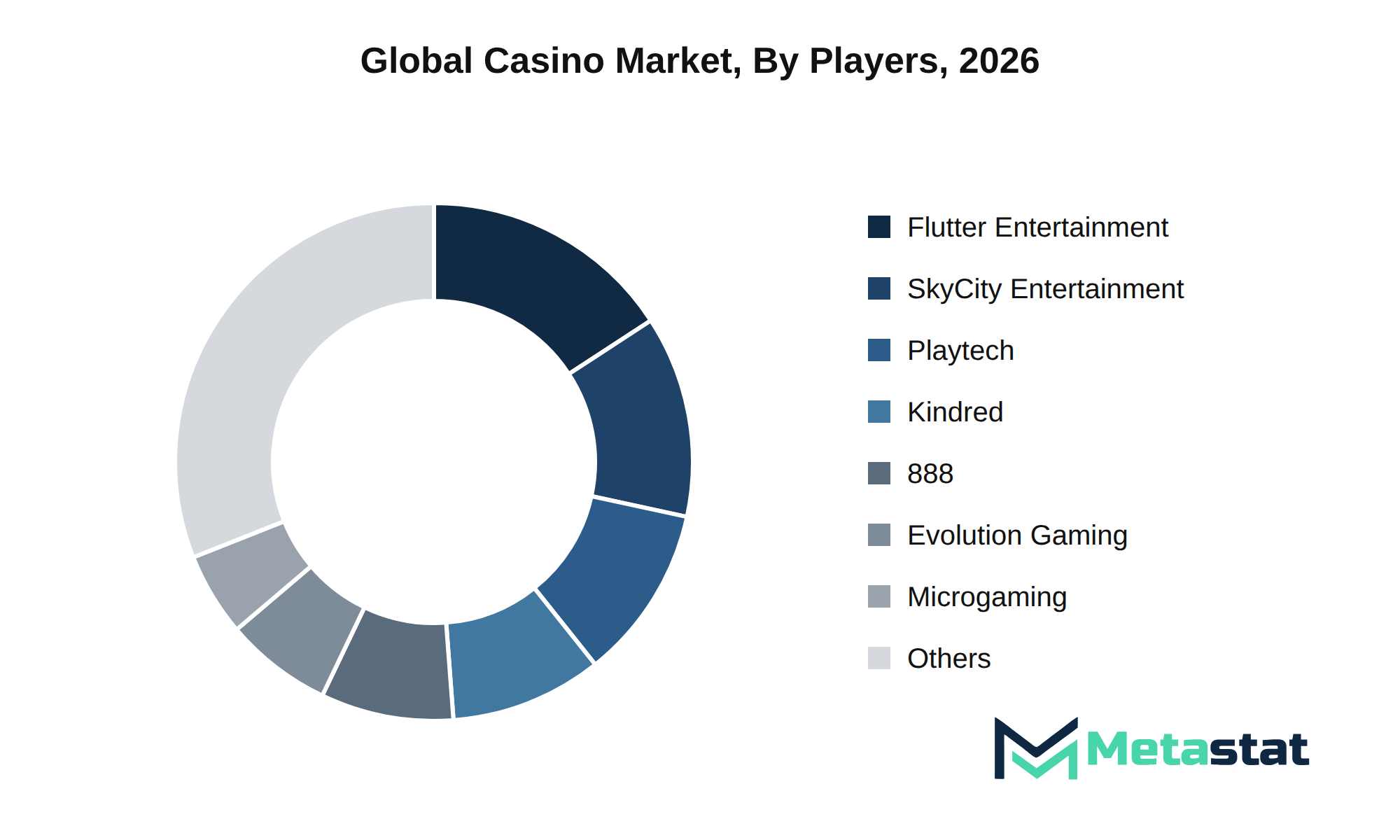
Key players in the Casino market include Playtech PLC, SkyCity Entertainment Group Limited, Kindred Group plc, 888 Holdings, Evolution Gaming Limited, Flutter Entertainment plc, and MGM Resorts International.
Embedded Finance Solutions market size is valued at USD 139.9 billion in 2025 and projected to reach USD 989.8 billion by 2033, growing at a CAGR of 27.7%.
Australia Parametric Insurance Market Size, Share, Trends, 2033
Australia Parametric Insurance market size is valued at USD 286.4 million in 2025 and is projected to reach USD 720.9 million in 2033, at a CAGR of 12.2% from 2026 to 2033.
Australia Parametric Insurance Market, Australia Parametric Insurance Market Size, Australia Parametric Insurance Market Share, Australia Parametric Insurance Market Analysis, Australia Parametric Insurance Market Growth, Australia Parametric Insurance Market Trends, Australia Parametric Insurance Market Research Report, Australia Parametric Insurance Market Forecast, Australia Parametric Insurance, Australia Parametric Insurance Market Research, Australia Parametric Insurance Industry, Australia Parametric Insurance Industry Report, Australia Parametric Insurance Market Data, Australia Parametric Insurance Statistics, Australia Parametric Insurance Market Statistics, Australia Parametric Insurance Industry Trends, Australia Parametric Insurance Market Report, Australia Parametric Insurance Market Trends, Australia Parametric Insurance Market News, Australia Parametric Insurance Forecasts, Australia Parametric Insurance Market Intelligence Report
Merchant Banking Services market size is valued at USD 68.3 billion in 2025 and is projected to reach USD 260.7 billion in 2033, at a CAGR of 18.3% from 2026 to 2033.
Global Debt Management Solutions market size is valued at USD 41.8 billion in 2025 and is projected to reach USD 72.8 billion in 2033, at a CAGR of 7.2% from 2026 to 2033