Global Antibiotic-Free Pork Market Size, Share, By Primal Cuts (Belly, Loin, Sparerib, Butt, Picnic, and Others), By Type (Fresh Cuts, Processed Pork, Frozen Pork, RTC, RTE, and Others), By End User (Households Consumers, Foodservice Operators, Institutional Buyers, Food Manufacturers, Beverage Manufacturers, and Others), Industry Analysis, Growth, Trends, and Forecast, 2026-2033
Report ID
MSI-4749
Published
May 20, 2026
Pages
315 Pages
Format
Report Details
Comprehensive Market Analysis And Insights
Market Overview
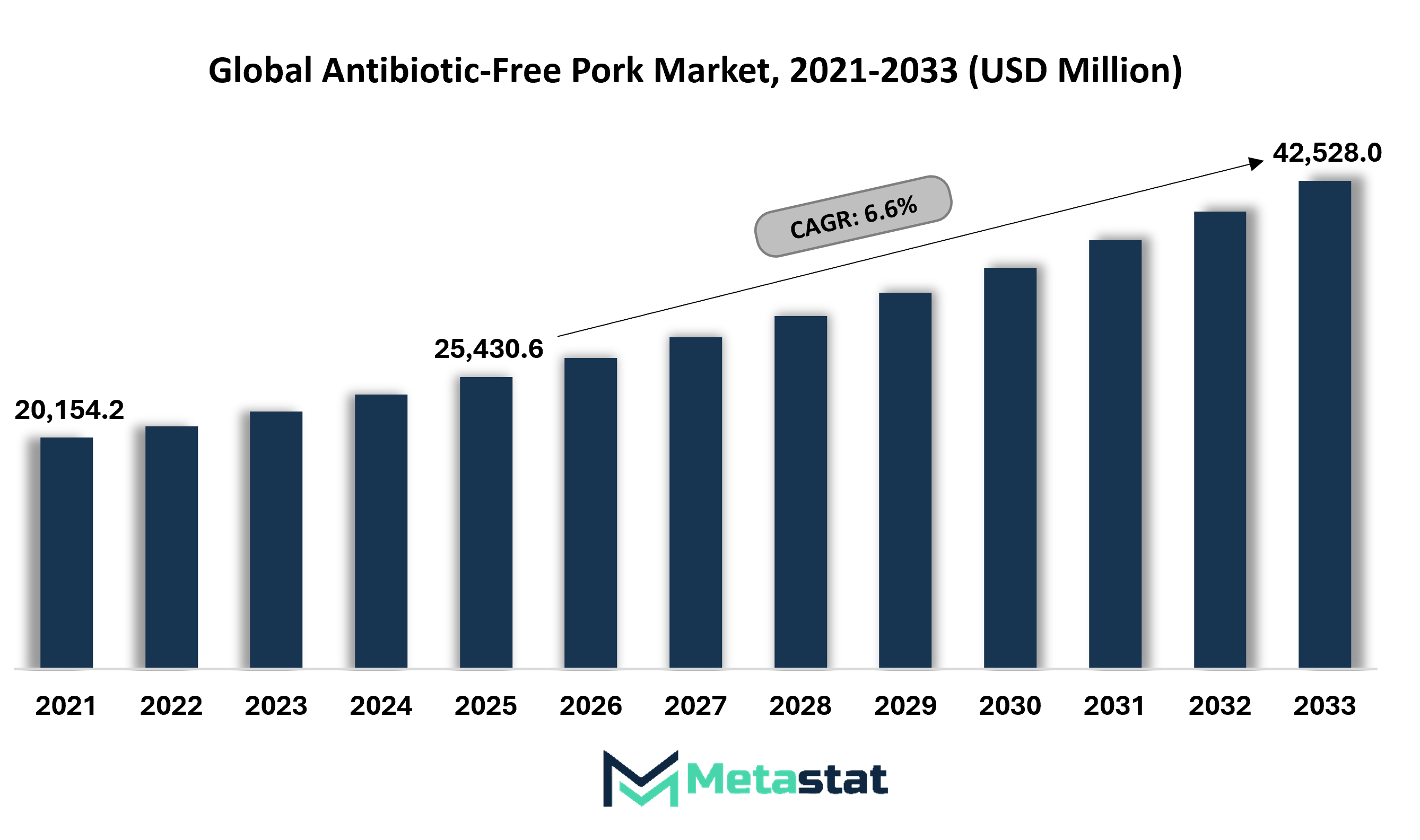
Global Antibiotic-Free Pork market size is valued at USD 25,430.6 million in 2025 and projected to grow at a CAGR of 6.6% during the forecast period, reaching USD 42,528 million by 2033.
Global Antibiotic-Free Pork Market: Comprehensive Data-Driven Market Analysis and Strategic Outlook
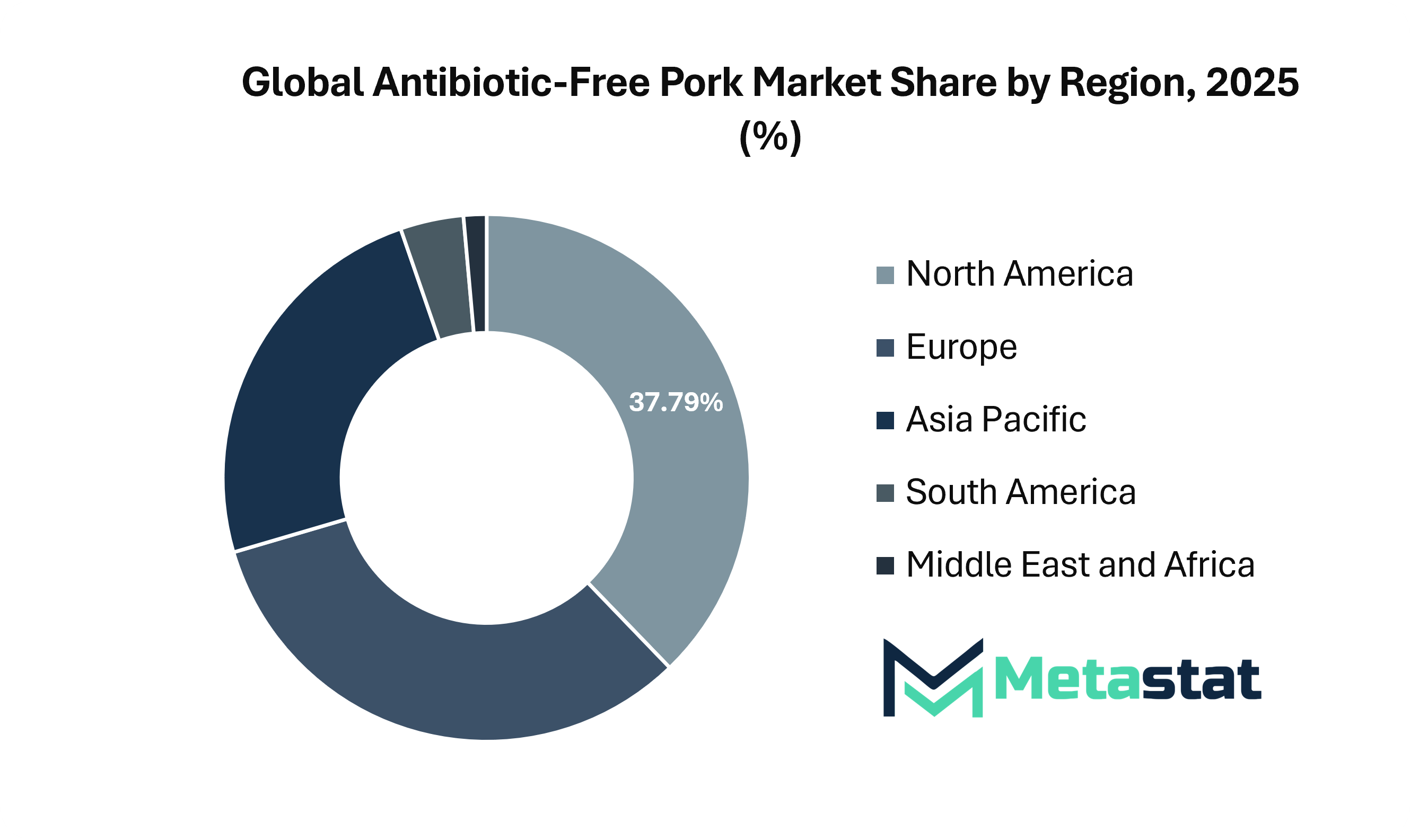
North America held 37.8% market share in 2025, with the U.S. remaining the leading country-level market.
The Belly segment accounted for a market share of 27.1% in 2025.
Key trends driving growth: Strong preference for clean-label meat products is encouraging purchases of antibiotic-free pork and stricter livestock regulations in several countries are supporting reduced antibiotic use in pig farming.
Opportunities include growing demand in Asia-Pacific and emerging markets offers strong room for antibiotic-free pork brands to expand premium product lines.
Key insight: Rising consumer concern over food safety and animal welfare is accelerating demand for antibiotic-free pork across retail and foodservice channels.
The Global Antibiotic-Free Pork Market is expanding steadily as consumers increasingly prefer meat products produced without routine antibiotic use. Demand is rising across supermarkets, butcher shops, foodservice outlets, and online grocery platforms, where shoppers value food safety, animal welfare standards, and transparent sourcing information.
Producers and processors are investing in controlled farm management, improved biosecurity systems, specialized feed programs, and branded packaging that highlights no-antibiotic practices. Premium meat positioning and rising awareness of antimicrobial resistance will support long-term growth of the Global Antibiotic-Free Pork Market.
Market Dynamics
Growth Drivers
Rising consumer concern over antibiotic resistance and food safety is increasing demand for antibiotic-free pork across retail and foodservice channels.
Growing awareness regarding antibiotic resistance, residue risks, and food hygiene is shaping meat purchasing behavior. Supermarkets, specialty stores, restaurants, and hotel kitchens are expanding cleaner protein options. Certification labels, transparent sourcing records, and health-focused marketing campaigns will strengthen category demand in the coming years.
Expansion of premium meat categories and stronger traceability labeling are encouraging producers to invest in antibiotic-free pork supply chains.
Premium meat shelves are gaining wider space across urban retail networks. Clear traceability labels covering farm origin, feed quality, and handling standards are improving buyer confidence. Producers will expand breeding improvements, cold-chain systems, and branded packaging to secure stronger margins and long-term market positioning.
Market Restraints
Higher production costs linked to stricter animal health management and slower growth rates are keeping antibiotic-free pork prices elevated.
Stricter hygiene controls, advanced nutrition programs, regular veterinary monitoring, and longer growth cycles are raising farm expenditure. Processing and storage costs are adding further pressure. Elevated shelf pricing will restrict volume movement in price-sensitive regions, slowing penetration across mass retail channels during the near term.
Disease control challenges in intensive pig farming can limit large-scale adoption of no-antibiotic production systems.
Dense farming environments often face contamination risks, biosecurity pressure, and herd management complexity. Without routine antibiotic support, outbreak prevention requires stronger sanitation systems, ventilation improvements, vaccination planning, and skilled labor. Large-scale operators will postpone conversion plans until stable disease-control models become commercially reliable.
Opportunities
Growing demand in Asia-Pacific and emerging markets offers strong room for antibiotic-free pork brands to expand premium product lines.
Rising incomes, expanding modern retail chains, and greater food-quality awareness across Asia-Pacific, Latin America, and selected African economies are opening fresh demand channels. Premium sausages, chilled cuts, prepared meals, and export-focused branded packs will create profitable growth paths for producers.
Market Segmentation Analysis
The Global Antibiotic-Free Pork market is classified based on Primal Cuts, Type, and End User.
By Primal Cuts, the market is further segmented into:
Belly
Belly segment is valued at USD 7,333.9 million in 2026 and is projected to reach USD 11,962.8 million by 2033, at a CAGR of 7.2% during the forecast period.
Belly demand will rise through premium bacon lines, gourmet dining menus, and curated retail packs. Rich flavor, versatile cooking applications, and growing interest in smoked products will support future sales. Automated cutting, portion control, and branded packaging will enhance shelf appeal across modern retailers.
Loin
Loin segment is valued at USD 5,887.9 million in 2026 and is projected to reach USD 9,407.0 million by 2033, at a CAGR of 6.9% during the forecast period.
Loin sales will grow through lean protein preference, family meal planning, and health-focused purchasing behavior. Uniform texture supports grilling, roasting, and quick preparation. Advanced cold-chain handling, premium marination programs, and value-added retail packs will enhance market presence in the coming years.
Sparerib
Sparerib segment is valued at USD 2,092.8 million in 2026 and is projected to reach USD 3,138.2 million by 2033, at a CAGR of 6% during the forecast period.
Sparerib demand will benefit from barbecue culture, festive dining trends, and restaurant menu innovation. Slow-cook popularity creates strong appeal among premium meat consumers. Flavor-focused sauces, ready-to-cook packs, and frozen convenience formats will widen reach across urban markets and export channels.
Butt
Butt segment is valued at USD 4,478.8 million in 2026 and is projected to reach USD 6,946.9 million by 2033, at a CAGR of 6.5% during the forecast period.
Butt segment will expand through pulled pork recipes, smoked preparations, and foodservice demand. High marbling supports tenderness after long cooking cycles. Bulk packaging, wholesale contracts, and recipe-led branding will create strong growth across caterers, casual dining chains, and specialty meat stores.
Picnic
Picnic segment is valued at USD 2,869.7 million in 2026 and is projected to reach USD 4,479.8 million by 2033, at a CAGR of 6.6% during the forecast period.
Picnic cuts will gain interest through value pricing, stew applications, and processed meat usage. Cost-conscious buyers often seek flavorful alternatives with broad cooking flexibility. Improved trimming standards, portion packs, and local recipe promotion will support stronger movement across mainstream retail channels.
Others
Others segment is valued at USD 4,443.4 million in 2026 and is projected to reach USD 6,593.4 million by 2033, at a CAGR of 5.8% during the forecast period.
Other cuts will include specialty selections, bones, trimmings, and niche culinary portions. Demand will rise through nose-to-tail consumption trends and waste-reduction goals. Craft butchers, ethnic cuisine outlets, and pet food processors will create fresh revenue opportunities for suppliers.
By Type, the market is divided into:
Fresh Cuts
Fresh Cuts segment is projected to reach USD 22,199.5 million by 2033, at a CAGR of 6.6% during the forecast period.
Fresh cuts will remain crucial owing to preference for natural appearance, daily cooking habits, and premium butcher counters. Transparent sourcing labels, hygienic handling systems, and shorter delivery cycles will build buyer confidence. Chilled logistics upgrades will support broader distribution efficiency.
Processed Pork
Processed Pork segment is projected to reach USD 9,171.3 million by 2033, at a CAGR of 7.1% during the forecast period.
Processed pork will grow through sausages, cured meats, deli ranges, and seasoned formats. Busy lifestyles increase demand for convenient meal options. Cleaner labels, reduced-additive formulations, and premium taste profiles will help producers capture better margins in retail spaces.
Frozen Pork
Frozen Pork segment is projected to reach USD 5,071.9 million by 2033, at a CAGR of 6.8% during the forecast period.
Frozen Pork demand will rise with long storage needs, e-commerce grocery expansion, and bulk household purchases. Quality preservation technology supports texture retention during extended storage periods. Export movement, institutional procurement, and modern freezer infrastructure will strengthen future category performance.
RTC/RTE
RTC/RTE segment is projected to reach USD 4,128.7 million by 2033, at a CAGR of 6.5% during the forecast period.
RTC/RTE products will expand through time-saving meal habits and urban workforce schedules. Marinated trays, microwave meals, and pre-cooked packs appeal to convenience-led spending. Smart packaging, flavor variety, and nutrition-focused launches will drive faster adoption across modern retail shelves.
Others
Others segment is projected to reach USD 1,956.7 million by 2033, at a CAGR of 5.2% during the forecast period.
Other product types will include snack meats, specialty cured lines, seasonal offerings, and experimental formats. Innovation pipelines will create differentiated shelf space. Premium gifting packs, regional recipes, and limited-edition launches will add momentum for category diversification.
By End User, the market is further divided into:
Households Consumers
Households Consumers segment is projected to reach USD 17,315.4 million by 2033.
Household consumers will remain a primary demand base through weekly grocery purchases and home meal preparation. Interest in safe protein sources supports repeat buying. Smaller packs, loyalty pricing, and recipe-led promotions will encourage broader category penetration across urban markets.
Foodservice Operators
Foodservice Operators segment is projected to reach USD 12,064.0 million by 2033.
Foodservice operators will increase purchases for burgers, breakfast menus, barbeque platters, and fusion dishes. Menu innovation calls for regular supply and standardized cuts. Long-term sourcing contracts, bulk packs, and reliable cold logistics will continue to be important growth drivers.
Institutional Buyers
Institutional Buyers segment is projected to reach USD 2,949.2 million by 2033.
Institutional buyers will include resorts, hospitals, hostels, and corporate dining units. Volume purchasing favors predictable quality, hygiene compliance, and budget control. Tender structures, certified sourcing, and efficient transport networks will shape procurement decisions during the forecast period.
Food & Beverage Manufacturers
Food & Beverage Manufacturers segment is projected to reach USD 8,037.8 million by 2033.
Food manufacturers will use pork inputs for snacks, frozen meals, fillings, processed meat products, and protein blends. Stable raw material quality supports large-scale production planning. Co-development partnerships, ingredient customization, and traceability systems will increase business demand steadily.
Others
Others segment is projected to reach USD 2,161.7 million by 2033.
Other end users will include specialty retailers, online meat platforms, community kitchens, and event caterers. Flexible ordering patterns create space for niche suppliers. Direct delivery models, premium storytelling, and customized packs will unlock additional market potential.
By Region:
Based on geography, the Global Antibiotic-Free Pork market is divided into North America, Europe, Asia-Pacific, South America, Middle East, and Africa.
Strong demand for premium meat products and advanced retail cold-chain systems continue to drive North America market growth.
Europe represents a mature and quality-focused market for antibiotic-free pork, supported by strong food safety regulations, consumer concern over antimicrobial resistance, and established retail traceability systems.
Asia-Pacific offers strong opportunities through rising middle-class spending, premium grocery expansion, and growing awareness of food quality.
China, Japan, South Korea, Singapore, and Australia remain important markets owing to retail modernization and demand for imported premium pork products.
Across South America, selected Middle East markets, and Africa, demand is supported by modern retail growth, niche premium meat segments, tourism-linked hospitality demand, and improving cold storage networks.
Competitive Landscape and Strategic Insights
The Global Antibiotic-Free Pork Market is gaining steady attention as consumers look for meat raised through transparent farming practices and reduced antibiotic use. Many households now review labels, compare sourcing details, and assess product origin before purchase. Retailers are responding by adding cleaner meat options across physical stores and online grocery platforms. Demand will remain steady as health awareness, food safety concerns, and animal welfare expectations continue to influence protein purchasing decisions across major regions.
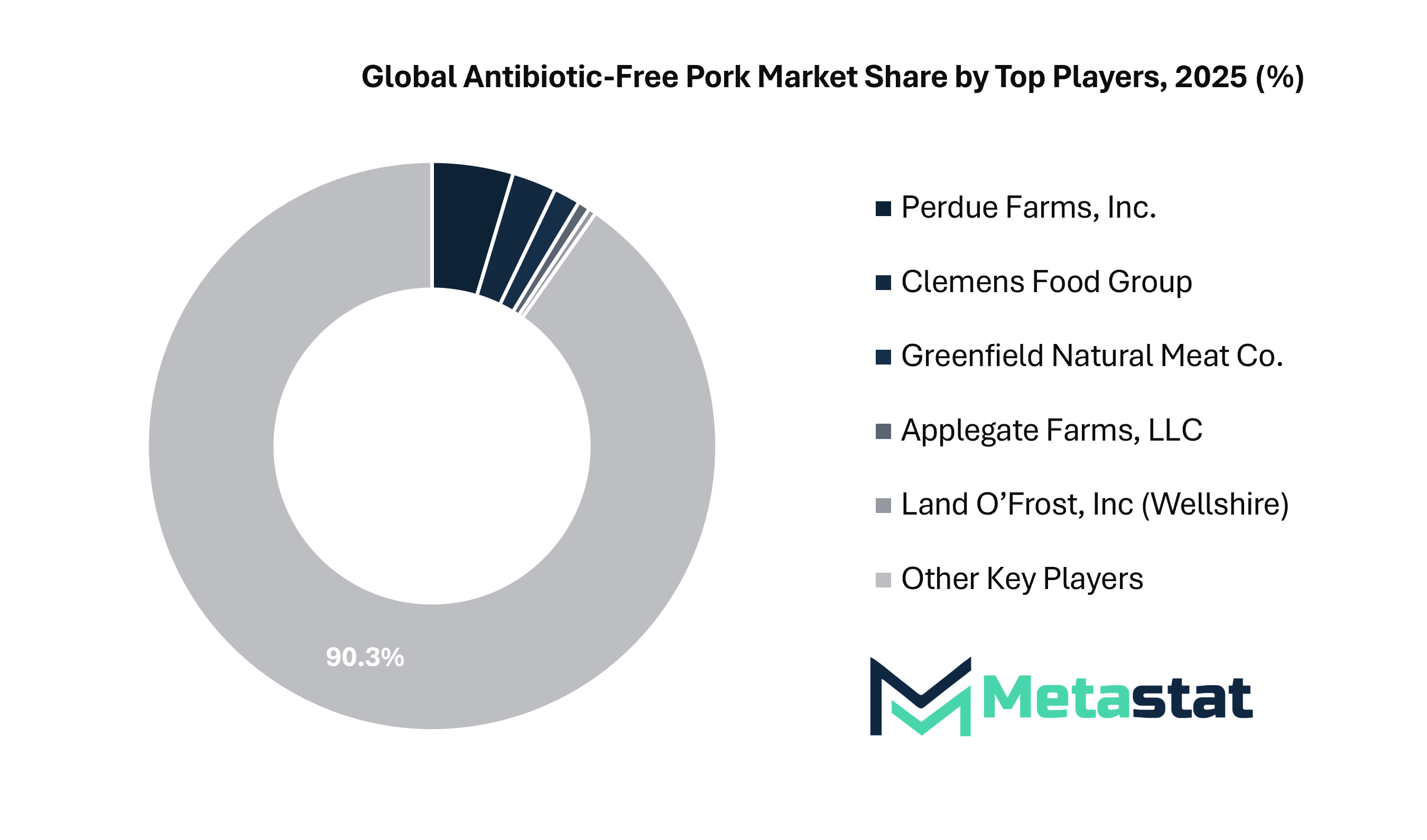
Leading companies are shaping market progress through controlled sourcing, broader product ranges, and stronger brand trust. Perdue Farms, Inc., Applegate Farms, LLC, Greenfield Natural Meat Co., duBreton Inc., and Beelers, Inc. are recognized for antibiotic-free and responsibly raised pork offerings. Pederson’s Natural Farms Inc., Meyer Natural Foods LLC, Tender Belly LLC, Land O’Frost, Inc. Wellshire, True Story Foods, Organic Valley, Clemens Food Group, Jones Dairy Farm, Heritage Foods Inc., and Vande Rose Farms will keep competition active through packaging improvements, wider retail reach, and customer education programs.
Price remains a crucial factor, as cleaner production systems can raise feed, labor, housing, and animal health management costs. Many consumers are willing to pay modest premiums when they trust product quality, safety, and flavor. Retailers that explain farming practices clearly often generate stronger repeat sales and customer loyalty. Restaurants will also add antibiotic-free pork options to menus as diners increasingly ask for transparent sourcing and responsibly raised meat.
Future success will come from practical improvements rather than unsupported claims. Better breeding, cleaner barns, water management, and animal comfort can improve production outcomes while protecting consumer trust. Digital monitoring will help brands show where animals were raised, processed, packed, and shipped. Export demand will rise where standards match buyer expectations in overseas markets. Companies that track changing diets, maintain fair pricing, and ensure steady supply chains will secure stronger positions over time.
Forecast and Future Outlook
Market size is forecast to rise from USD 25,430.6 million in 2025 to over USD 42,528 million by 2033.
The Global Antibiotic-Free Pork Market is expected to benefit from premium protein demand, stronger food labeling standards, and rising consumer focus on responsible farming practices. Future demand is likely to favor value-added cuts, ready-to-cook formats, subscription meat delivery, export-grade certified pork, and enhanced farm-to-fork transparency systems.
Antibiotic-Free Pork Market Key Segments:
By Primal Cuts:
Belly
Loin
Sparerib
Butt
Picnic
Others
By Type:
Fresh Cuts
Processed Pork
Frozen Pork
RTC/RTE
Others
By End User:
Households Consumers
Foodservice Operators
Institutional Buyers
Food & Beverage Manufacturers
Others
Key Global Antibiotic-Free Pork Industry Players
Perdue Farms, Inc.
Applegate Farms, LLC
Greenfield Natural Meat Co.
duBreton Inc.
Beelers, Inc.
Pederson’s Natural Farms Inc.
Meyer Natural Foods LLC
Tender Belly LLC
Land O’Frost, Inc (Wellshire)
True Story Foods
Organic Valley
Clemens Food Group
Jones Dairy Farm
Heritage Foods Inc.
Vande Rose Farms
Report Coverage
This research report categorizes the Antibiotic-Free Pork market based on key segments and regions, forecasts revenue growth, and analyses trends in each submarket. The report analyses the key growth drivers, opportunities, and challenges influencing the Antibiotic-Free Pork market. Recent market developments and competitive strategies such as expansion, product launch, partnership, merger, and acquisition have been included to draw the competitive landscape in the market.
The report strategically identifies and profiles the key market players and analyses their core competencies in each sub-segment of the Antibiotic-Free Pork market.
Report Attributes
Details
Study Period
2021-2033
Base Year
2025
Estimated Year
2026
Forecast Period
2026-2033
Historical Period
2021-2025
Growth Rate
CAGR 6.6% from 2026 to 2033
Revenue Unit
USD million
Sales Volume Unit
Kilotons
Segmentation
By Primal Cuts, Type, End User, and Region
By Region
North America (By Primal Cuts, Type, End User, and Country)
United States
Canada
Mexico
Europe (By Primal Cuts, Type, End User, and Country)
Germany
France
UK
Italy
Spain
Russia
Rest of Europe
Asia Pacific (By Primal Cuts, Type, End User, and Country)
China
Japan
India
South Korea
Australia
Southeast Asia
Rest of Asia Pacific
South America (By Primal Cuts, Type, End User, and Country)
Brazil
Argentina
Rest of South America
Middle East and Africa (By Primal Cuts, Type, End User, and Country)
Saudi Arabia
UAE
South Africa
Rest of Middle East and Africa
WHAT REPORT PROVIDES
Key Company Market Share, Revenue, and Position/Ranking
Key Market Leaders
Full In-Depth Analysis of the Parent Industry
Industry Statistics
Important Changes in Market and Its Dynamics
Segmentation Details of the Market
Historical, On-Going, and Projected Market Analysis
Assessment of Niche Industry Developments
Market Share Analysis
Key Strategies of Major Players
Company Profiles of Key Players
Unique Selling Propositions of Leading Market Players
Kazakhstan Frozen Potato Products market size is valued at USD 26.4 million in 2025 and is projected to reach USD 53.0 million in 2033, at a CAGR of 9.0% from 2026 to 2033.
Switzerland Poke Food market size is valued at USD 29.2 million in 2025 and is projected to reach USD 44.5 million in 2033, at a CAGR of 5.5% from 2026 to 2033.
Netherlands Food and Beverages QA, QC, and Compliance Software Solutions Market Size, Share, Trends, 2033
Netherlands F&B QA, QC, and Compliance Software Solutions market size is valued at USD 272.5 million in 2025 and is projected to reach USD 421.3 million in 2033, at a CAGR of 5.6% from 2026 to 2033.
Netherlands F&B QA, QC, and Compliance Software Solutions Market, Netherlands F&B QA, QC, and Compliance Software Solutions Market Size, Netherlands F&B QA, QC, and Compliance Software Solutions Market Share, Netherlands F&B QA, QC, and Compliance Software Solutions Market Analysis, Netherlands F&B QA, QC, and Compliance Software Solutions Market Growth, Netherlands F&B QA, QC, and Compliance Software Solutions Market Trends, Netherlands F&B QA, QC, and Compliance Software Solutions Market Research Report, Netherlands F&B QA, QC, and Compliance Software Solutions Market Forecast, Netherlands F&B QA, QC, and Compliance Software Solutions, Netherlands F&B QA, QC, and Compliance Software Solutions Market Research, Netherlands F&B QA, QC, and Compliance Software Solutions Industry, Netherlands F&B QA, QC, and Compliance Software Solutions Industry Report, Netherlands F&B QA, QC, and Compliance Software Solutions Market Data, Netherlands F&B QA, QC, and Compliance Software Solutions Statistics, Netherlands F&B QA, QC, and Compliance Software Solutions Market Statistics, Netherlands F&B QA, QC, and Compliance Software Solutions Industry Trends, Netherlands F&B QA, QC, and Compliance Software Solutions Market Report, Netherlands F&B QA, QC, and Compliance Software Solutions Market Trends, Netherlands F&B QA, QC, and Compliance Software Solutions Market News, Netherlands F&B QA, QC, and Compliance Software Solutions Forecasts, Netherlands F&B QA, QC, and Compliance Software Solutions Market Intelligence Report
Global Probiotics market size is valued at USD 117.7 billion in 2025 and is projected to reach USD 343.6 billion in 2033, at a CAGR of 14.3% from 2026 to 2033