Global RTD High Strength Premixes Market Size, Share, By Product (Spirit-based RTD, Wine-based RTD, Malt-based RTD, and Others), By Packaging (Cans, Bottles, and Others), By Processing Type (Compound and Blended), By Sales Channel (Modern Trade, Specialty Stores, Online Retail, and Duty-Free Stores), Industry Analysis, Growth, Trends, and Forecast, 2026-2033
Report ID
MSI-4722
Published
May 5, 2026
Pages
316 Pages
Format
Report Details
Comprehensive Market Analysis And Insights
Market Overview
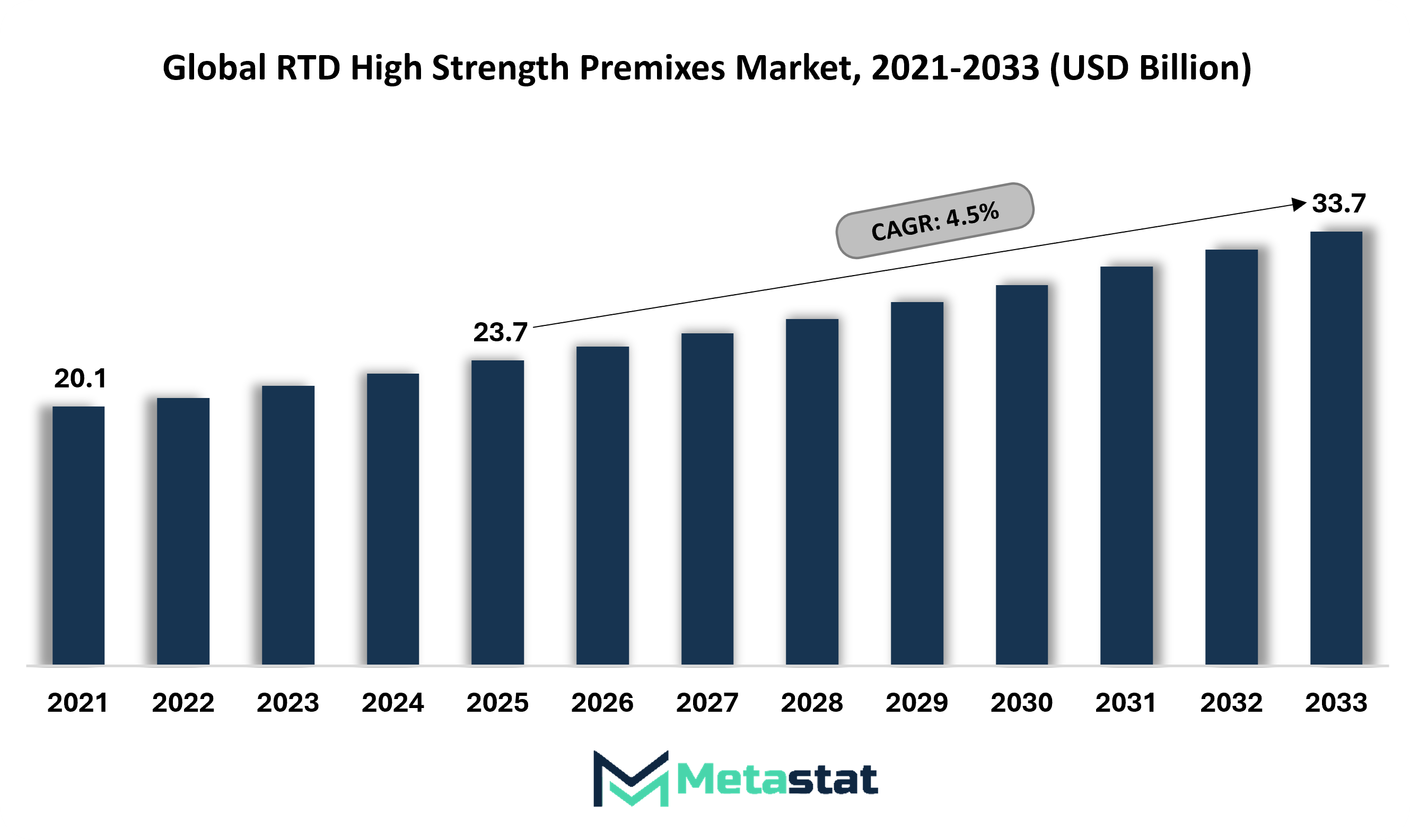
Global RTD High Strength Premixes market size is valued at USD 23.7 billion in 2025 and projected to grow at a CAGR of 4.5% during the forecast period, reaching USD 33.7 billion by 2033.
Global RTD High Strength Premixes Market: Comprehensive Data-Driven Market Analysis and Strategic Outlook
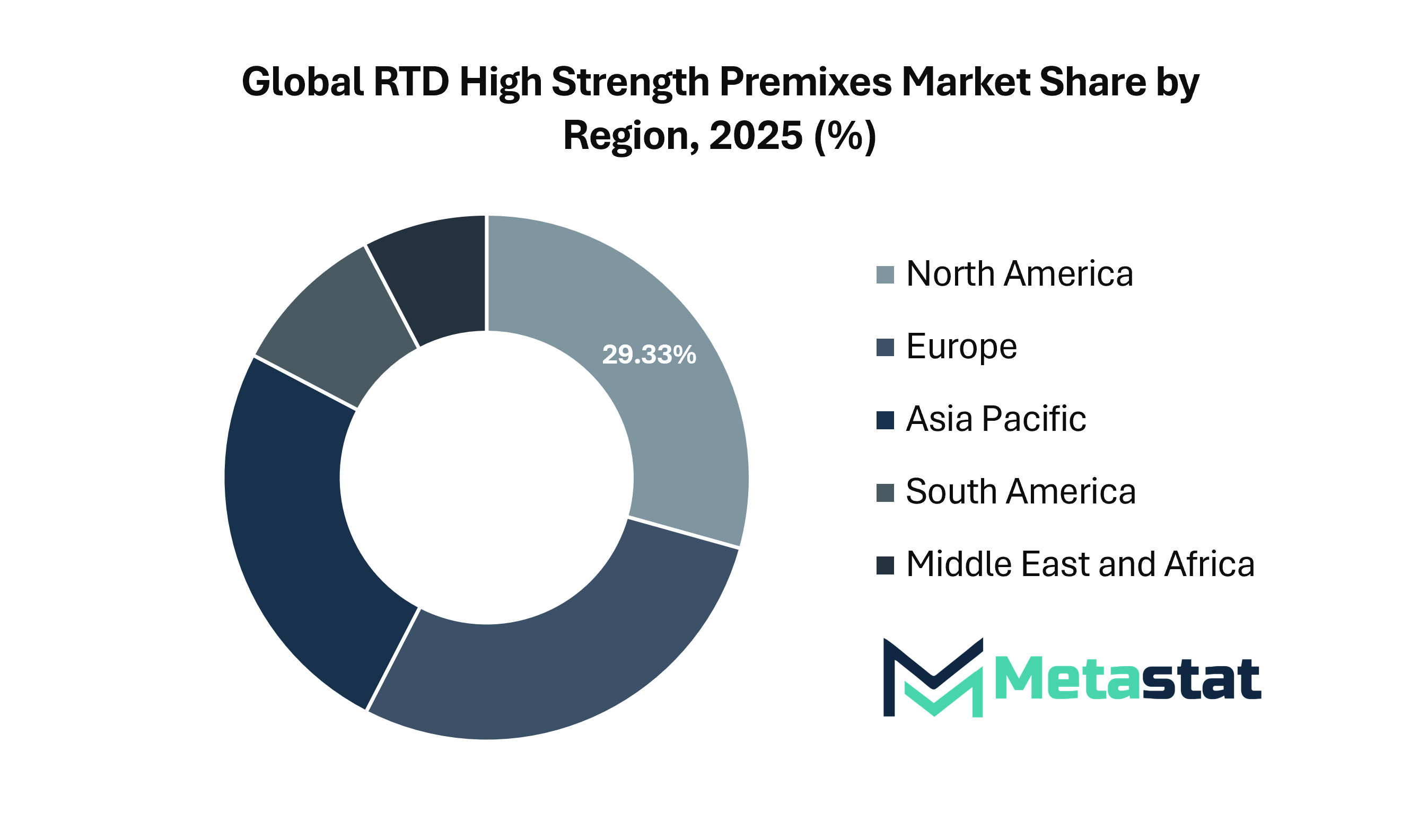
North America holds 29.3% in 2025 with US leading the market share in 2026.
Spirit-based RTD segment account for a market share of 47.1% in 2025.
Key trends driving growth: Rising preference for convenient, ready-to-consume alcoholic beverages among urban consumers, along with increasing demand for stronger alcohol content with flavored profiles among younger demographics.
Opportunities include product innovation in premium, craft, and functional alcoholic premixes targeting niche consumer segments.
Key insight: The Global RTD High Strength Premixes market is gaining momentum owing to convenience-led drinking habits, premiumization trends, product experimentation, and wider retail availability.
The Global RTD High-Strength Premixes Market within the alcoholic beverages industry is evolving into a strong convenience-driven category, with consumers seeking ready-to-drink options that combine portability, flavor variety, and higher alcohol strength. Manufacturers are investing in branding, packaging design, and differentiated flavor profiles to appeal to younger legal-drinking-age consumers and occasion-based buyers.
Over the coming years, product innovation will continue shifting toward cleaner ingredients, lower-sugar formulations, tropical flavors, and limited-edition variants. The Global RTD High-Strength Premixes Market is projected to benefit from e-commerce growth, cold-chain retailing, and broader acceptance of premium premixed drinks across mature and developing markets.
Market Dynamics
Growth Drivers:
Rising preference for convenient, ready-to-consume alcoholic beverages among urban consumers.
Fast-paced urban routines, longer work schedules, and active nightlife culture continue supporting demand for portable beverage formats. Ready-to-drink packs reduce preparation time and support quick social consumption occasions. Retail chains, online alcohol delivery platforms, and chilled shelf placement will strengthen purchase frequency across metro populations.
Increasing demand for stronger alcohol content with flavored profiles among younger demographics
Younger legal-drinking-age consumers are seeking bold taste, higher alcohol strength, and new flavor combinations during gatherings and celebrations. Fruit blends, spice notes, and seasonal editions are creating stronger interest across retail shelves. Premium packaging and limited-edition launches will encourage repeat trials and expand category visibility.
Restraints and Challenges:
Stringent alcohol regulations and taxation policies impacting product availability and pricing
Licensing barriers, state-level tax changes, labeling rules, and distribution controls often limit smooth market expansion. Higher duties raise shelf prices and reduce impulse purchase potential. Delayed approvals will slow product launches, creating uneven growth patterns across several regional markets.
Health concerns and shifting consumer focus toward low-alcohol or non-alcoholic alternatives
Health consciousness, calorie tracking, and wellness trends are influencing beverage choices across several age groups. Rising preference for lighter beverages will reduce interest in stronger premixes. Public campaigns linked to responsible consumption will pressure sales volumes during future planning cycles.
Opportunities:
Product innovation in premium, craft, and functional alcoholic premixes targeting niche consumer segments
Premium blends using botanical extracts, naturally sourced ingredients, exotic fruits, or energy-support positioning will unlock fresh demand pockets. Craft positioning with small-batch identity will support higher margins. Personalized flavors, festival editions, and luxury gifting packs will create strong expansion opportunities.
Market Segmentation Analysis
The Global RTD High Strength Premixes market is classified based on Product, Packaging, Processing Type, and Sales Channel.
Spirit-based RTD segment is valued at USD 11.6 billion in 2026 and is projected to reach USD 16.9 billion by 2033, at a CAGR of 5.5% during the forecast period.
Spirit-based RTD adoption will rise through premium taste profiles, higher alcohol content, and convenience-led urban consumption. Innovation in natural flavors, low-sugar recipes, and stylish branding will appeal to mature consumers. Festival demand, travel retail expansion, and ready-to-chill formats will support long-term volume growth across several regions.
Wine-based RTD segment is valued at USD 4.5 billion in 2026 and is projected to reach USD 5.7 billion by 2033, at a CAGR of 3.3% during the forecast period.
Wine-based RTD sales will gain momentum through lighter taste notes, fruit blends, and approachable pricing. Younger legal-drinking-age consumers often seek casual beverage formats with balanced alcohol strength. Compact packs, sparkling variants, and seasonal launches will widen shelf presence across supermarkets, lounges, and lifestyle retail networks.
Malt-based totally RTD
Malt-based RTD segment is valued at USD 6.5 billion in 2026 and is projected to reach USD 8.0 billion by 2033, at a CAGR of 3.1% during the forecast period.
The malt-based RTD category will expand through affordable pricing, familiar flavor recognition, and wider retail access. Stronger premix formats using malt bases will serve value-focused consumers. New packaging designs, improved shelf life, and flavored combinations will create broader appeal in developing economies.
Others
Others segment is valued at USD 2.1 billion in 2026 and is projected to reach USD 3.1 billion by 2033, at a CAGR of 5.8% during the forecast period.
Other product formats will include hybrid blends, botanical mixes, craft recipes, and experimental flavor combinations. Niche adoption often begins in metro markets before wider commercial rollout. Limited variants, local ingredient sourcing, and premium storytelling will create fresh revenue pockets for manufacturers seeking differentiation.
Cans segment is projected to reach USD 19.1 billion by 2033, at a CAGR of 5.2% during the forecast period.
Cans will lead packaging growth owing to portability, rapid chilling, durability, and recycling advantages. Outdoor gatherings, live events, and convenience stores frequently support canned beverage sales. Slim-can designs, premium printing, and multipack offerings will enhance shelf visibility while supporting efficient logistics and storage management.
Bottles
Bottles segment is projected to reach USD 11.6 billion by 2033, at a CAGR of 3.3% during the forecast period.
Bottles will sustain demand through premium presentation, reusable value, and gifting suitability. Glass formats frequently enhance shelf appeal across restaurants and premium retail counters. Smaller bottle sizes, resealable caps, and decorative labeling will improve consumer preference in higher-margin channels.
Others
Others segment is projected to reach USD 2.9 billion by 2033, at a CAGR of 5% during the forecast period.
Other packaging formats will include cartons, pouches, and sustainable paper-based solutions. Emerging formats address portability, lower breakage risk, and eco-conscious buying preferences. Trial packs, travel-friendly sizes, and smart packaging with freshness indicators will create future opportunities for manufacturers and retailers.
By Processing Type, the market is further divided into:
Compound
Compound segment is projected to reach USD 18.1 billion by 2033.
Compound processing will support scaled production through consistent formulation, stable taste delivery, and faster batch cycles. Large manufacturers often prefer standardized systems for cost control. Improved ingredient integration, quality automation, and shelf-life enhancement will raise adoption across expanding beverage manufacturing facilities.
Blended
Blended segment is projected to reach USD 15.6 billion by 2033.
Blended processing will gain value through layered flavor creation, premium positioning, and recipe flexibility. Producers will combine spirits, fruits, herbs, and sweetening systems to develop signature offerings. Craft-focused demand, regional taste adaptation, and premium launches will keep blended formats commercially attractive.
By Sales Channel, the Global RTD High Strength Premixes market is divided as:
Modern Trade
Modern Trade segment is projected to grow at a CAGR of 4% during the forecast period.
Modern trade will remain crucial owing to organized shelves, promotional campaigns, and strong product visibility. Hypermarkets and supermarkets often support bulk purchase behavior. Data-led stocking, premium aisles, and chilled display zones will improve category growth during upcoming retail modernization cycles.
Specialty Stores
Specialty Stores segment is projected to grow at a CAGR of 3.1% during the forecast period.
Specialty stores will attract consumers looking for curated beverage options, imported labels, and premium recommendation-led shopping. Knowledgeable staff and focused merchandising will improve conversion rates. Exclusive launches, tasting events, and collector editions will improve revenue contribution from urban premium retail districts.
Online Retail
Online Retail segment is projected to grow at a CAGR of 8% during the forecast period.
Online retail will accelerate through doorstep delivery, wide assortment access, and targeted digital promotions. Age-gated platforms and secure payment systems will strengthen consumer trust. Subscription packs, personalized recommendations, and festive bundle offers will support repeat demand across digitally engaged consumer groups.
Duty-Free Stores
Duty-Free Stores segment is projected to grow at a CAGR of 3.2% during the forecast period.
Duty-free stores will generate steady premium demand from travelers seeking branded alcohol products and gift-ready packs. International passenger traffic growth will expand category reach. Travel-exclusive variants, compact packaging, and airport promotions will create strong margins for premium premix suppliers.
By Region:
Based on geography, the RTD High Strength Premixes market is divided into North America, Europe, Asia-Pacific, South America, Middle East, and Africa.
North America is witnessing rising RTD High-Strength Premixes adoption owing to premium canned cocktail demand and strong convenience retail penetration.
In North America, RTD High-Strength Premixes Market growth is gaining momentum from flavor innovation, celebrity-backed launches, and active social drinking culture.
Europe represents a mature yet innovation-led region in the RTD High-Strength Premixes Market, supported by premium cocktail culture, strong supermarket penetration, and growing acceptance of convenient alcoholic beverage formats.
Asia-Pacific provides significant opportunities for the RTD High-Strength Premixes Market through rising disposable income and increasing acceptance of Western-style beverage formats.
Across the Middle East, Africa, and South America, the RTD High-Strength Premixes Market is progressing through selective urban demand, tourism-driven sales, and rising organized retail presence in countries where regulations permit alcoholic beverage sales.
Competitive Landscape and Strategic Insights
The Global RTD High-Strength Premixes Market is gaining consistent attention as consumers seek quick drink options with bold taste, convenience, and ready-to-serve formats. Busy urban routines, home gatherings, and casual social occasions are supporting demand across key regions. Brands are improving cans, bottles, and flavor mixes to strengthen premium appeal and shelf differentiation. Retail shelves now carry wider product choices, while online alcohol delivery expands reach. Younger legal-drinking-age consumers often seek variety, and limited-edition packs create trial interest. Broad price points support both value-focused consumers and premium shoppers entering the category with confidence.
Large beverage groups are shaping competition through scale, marketing strength, and route-to-market capabilities. Diageo plc, Pernod Ricard SA, Suntory Global Spirits Inc., Brown-Forman Corporation, and Anheuser-Busch InBev SA/NV will use recognized labels to attract repeat consumers. Molson Coors Beverage Company and The Boston Beer Company, Inc. add shelf strength across retail channels. Davide Campari-Milano N.V., Kirin Holdings Company, Limited, and Asahi Group Holdings, Ltd. support growth across Asia and Europe. Bacardi Limited and Lucas Bols N.V. bring strong cocktail heritage, supporting consumer trust and product trial in new launches.
Smaller firms are adding competitive intensity by focusing on flavor, brand storytelling, and niche consumer audiences. Mark Anthony Group Inc., Sazerac Company, Inc., Geloso Beverage Group LLC, and Florida Ice & Farm Company, S.A. use local consumer insights to build loyalty. MOTH Drinks Limited, Served Drinks Limited, Tip Top Cocktails, LLC, and Post Meridiem Spirit Company target premium ready-to-serve cocktails. House of Monaco, NIO Cocktails UK Ltd, and Avenue 8 Cocktails use stylish packaging to strengthen shelf appeal. Social Harbor, Proof Cocktail Co., and Golden Rule Spirits continue supporting innovation for consumers seeking fresh RTD cocktail options across retail channels.
Future sales will rely on smart pricing, clear labeling, and wider flavor choice. Buyers are increasingly reviewing sugar levels, calorie counts, and alcohol strength before purchase, making transparent packaging important. Retailers will allocate more shelf space to brands with fast turnover and reliable supply. Digital campaigns, sports tie-ups, and festival packs will improve visibility when timed effectively. Some markets will tighten advertising rules or tax policies, yet convenience-led consumption will remain firm. With consistent innovation and wider distribution, the segment will maintain steady growth across major regions over the coming years.
Forecast and Future Outlook
Market size is forecast to rise from USD 23.7 billion in 2025 to over USD 33.7 billion by 2033.
The Global RTD High-Strength Premixes Market is expected to benefit from premium ready-to-drink trends, flavor experimentation, and expanding cold-chain distribution. Consumers will prefer brands offering convenience, taste consistency, transparent labeling, and modern packaging.
RTD High Strength Premixes Market Key Segments:
By Product:
Spirit-based RTD
Wine-based RTD
Malt-based RTD
Others
By Packaging:
Cans
Bottles
Others
By Processing Type:
Compound
Blended
By Sales Channel:
Modern Trade
Specialty Stores
Online Retail
Duty-Free Stores
Key Global RTD High Strength Premixes Industry Players
Diageo plc
Pernod Ricard SA
Suntory Global Spirits Inc.
Brown-Forman Corporation
Anheuser-Busch InBev SA/NV
Molson Coors Beverage Company
The Boston Beer Company, Inc.
Mark Anthony Group Inc.
Sazerac Company, Inc.
Geloso Beverage Group LLC
Florida Ice & Farm Company, S.A.
Davide Campari-Milano N.V.
Henkell & Co. Sektkellerei KG
Kirin Holdings Company, Limited
Asahi Group Holdings, Ltd.
SHS Drinks Limited
Global Brands Limited
MOTH Drinks Limited
Served Drinks Limited
Tip Top Cocktails, LLC
Post Meridiem Spirit Company
House of Monaco
NIO Cocktails UK Ltd
Lucas Bols N.V.
Bacardi Limited
MPL Brands NV, Inc.
The Cooper Spirits Company
Black Fly Beverage Company Inc.
Golden Rule Spirits
Avenue 8 Cocktails
Social Harbor (Social Hour Cocktails)
Proof Cocktail Co.
Report Coverage
This research report categorizes the RTD High Strength Premixes market based on key segments and regions, forecasts revenue growth, and analyses trends in each submarket. The report analyses the key growth drivers, opportunities, and challenges influencing the RTD High Strength Premixes market. Recent market developments and competitive strategies such as expansion, product launch, partnership, merger, and acquisition have been included to draw the competitive landscape in the market.
The report strategically identifies and profiles the key market players and analyses their core competencies in each sub-segment of the RTD High Strength Premixes market.
Report Attributes
Details
Study Period
2021-2033
Base Year
2025
Estimated Year
2026
Forecast Period
2026-2033
Historical Period
2021-2025
Growth Rate
CAGR 4.5% from 2026 to 2033
Revenue Unit
USD billion
Sales Volume Unit
Million Liters
Segmentation
By Product, Packaging, Processing Type, Sales Channel, and Region
By Region
North America (By Product, Packaging, Processing Type, Sales Channel, and Country)
United States
Canada
Mexico
Europe (By Product, Packaging, Processing Type, Sales Channel, and Country)
Germany
France
UK
Italy
Spain
Russia
Rest of Europe
Asia Pacific (By Product, Packaging, Processing Type, Sales Channel, and Country)
China
Japan
India
South Korea
Australia
Southeast Asia
Rest of Asia Pacific
South America (By Product, Packaging, Processing Type, Sales Channel, and Country)
Brazil
Argentina
Rest of South America
Middle East and Africa (By Product, Packaging, Processing Type, Sales Channel, and Country)
Saudi Arabia
UAE
South Africa
Rest of Middle East and Africa
WHAT REPORT PROVIDES
Key Company Market Share, Revenue, and Position/Ranking
Key Market Leaders
Full In-Depth Analysis of the Parent Industry
Industry Statistics
Important Changes in Market and Its Dynamics
Segmentation Details of the Market
Historical, On-Going, and Projected Market Analysis
Assessment of Niche Industry Developments
Market Share Analysis
Key Strategies of Major Players
Company Profiles of Key Players
Unique Selling Prepositions of Leading Market Players
Emerging Segments and Regional Growth Potential
Key Strategic Recommendations
Competitive Benchmarking
Import Export Trade Statistics
End of Report Overview
Frequently Asked Questions
Find answers to common questions about this report
Global RTD High Strength Premixes market is estimated to reach USD 33.7 billion by 2033.
Rising preference for convenient, ready-to-consume alcoholic beverages among urban consumers and Increasing demand for stronger alcohol content with flavored profiles among younger demographics are key driving factors, boosting the market.
The Metastat Insights analysis shows that the North America RTD High Strength Premixes market size is estimated to be USD 9.4 billion by 2033.
North America region dominates the market.
Top players operating in the RTD High Strength Premixes industry include Diageo plc, Pernod Ricard SA, Suntory Global Spirits Inc., Brown-Forman Corporation, and Anheuser-Busch InBev SA/NV.
The Compound is the leading type segment in the Global market.
The Global RTD High Strength Premixes market is expected to grow at a CAGR of 4.5% over the forecast period (2026-2033).
The Metastat Insights study shows that the Global RTD High Strength Premixes market size was USD 23.7 billion in 2025.
Energy Drinks market size is valued at USD 85.7 billion in 2025 and projected to reach USD 159.9 billion by 2033, growing at a CAGR of 8.1% from 2026 to 2033.
Energy Drinks market, Energy Drinks Market Size, Energy Drinks Market Share, Energy Drinks Market Analysis, Energy Drinks Market Growth, Energy Drinks Market Trends, Energy Drinks Market Research Report, Energy Drinks Market Forecast, Energy Drinks, Energy Drinks Market Research, Energy Drinks Industry, Energy Drinks Industry Report, Energy Drinks Market Data, Energy Drinks Statistics, Energy Drinks Market Statistics, Energy Drinks Industry Trends, Energy Drinks Market Report, Energy Drinks Market Trends, Energy Drinks Market News, Energy Drinks Forecasts, Energy Drinks Market Intelligence Report, Energy Drinks market 2033, Energy Drinks market outlook, Energy Drinks market segmentation, Energy Drinks market drivers, Energy Drinks market restraints, Energy Drinks market opportunities, Energy Drinks market CAGR, Energy Drinks suppliers, Energy Drinks manufacturers, Energy Drinks market by region, North America Energy Drinks market, Asia Pacific Energy Drinks market, Europe Energy Drinks market, Energy Drinks market competitive landscape, Energy Drinks market key players, Standard-Serve Carbonated Ready-to-Drink Energy Drinks market, Low-Sugar Energy Drinks market, E-commerce Energy Drinks market, Powdered Energy Drink Mixes market.
Reduced Sugar Food & Beverages market size is valued at USD 793.9 billion in 2025 and projected to reach USD 1,447.9 billion by 2033, growing at a CAGR of 7.8%.
Kazakhstan Frozen Potato Products market size is valued at USD 26.4 million in 2025 and is projected to reach USD 53.0 million in 2033, at a CAGR of 9.0% from 2026 to 2033.
Switzerland Poke Food market size is valued at USD 29.2 million in 2025 and is projected to reach USD 44.5 million in 2033, at a CAGR of 5.5% from 2026 to 2033.