Global Vapor Degreasing Solvent Market Size, Share, By Solvent Chemistry (Chlorinated Solvents, Brominated Solvents, Fluorinated Solvents, Hydrocarbon Solvents, Modified Alcohol, and Hydrocarbon Solvents), By Application (Industrial Equipment Cleaning, Electronics Cleaning, Aerospace Cleaning, Automotive Component Cleaning, and Medical Device Cleaning), By End-Use Industry (Manufacturing, Automotive, Aerospace & Defense, Electronics, and Healthcare), By Cleaning Process (Open-Top Vapor Degreasing, Closed-Loop and Vacuum Vapor Degreasing, Co-Solvent and Bi-Solvent Degreasing, and Ultrasonic Vapor Degreasing), Industry Analysis, Growth, Trends, and Forecast, 2026-2033
Report ID
MSI-4812
Published
July 25, 2026
Pages
311 Pages
Format
Report Details
Comprehensive Market Analysis And Insights
Market Overview
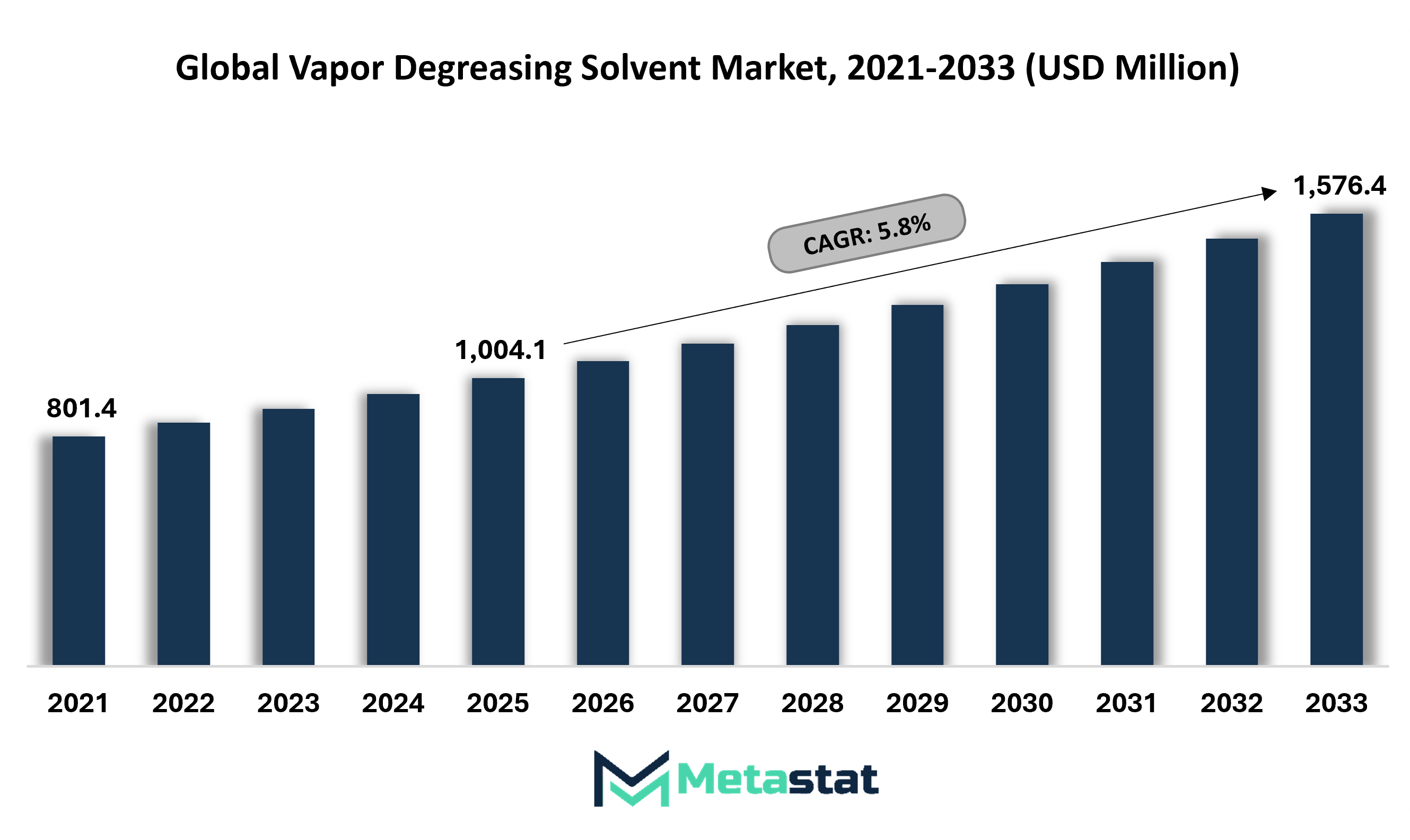
The global Vapor Degreasing Solvent market was valued at USD 1,004.1 million in 2025 and is projected to grow at a CAGR of 5.8% during the forecast period, reaching USD 1,576.4 million by 2033.
Market overview of the global Vapor Degreasing Solvent Market
The global Vapor Degreasing Solvent market is poised for significant growth, with a base value of USD 1,004.1 million in 2025. This market is projected to reach USD 1,576.4 million by 2033, reflecting a compound annual growth rate (CAGR) of 5.8%. The market's progression from USD 801.4 million in 2021 to the anticipated figure highlights ongoing advancements and increasing demand across various sectors.
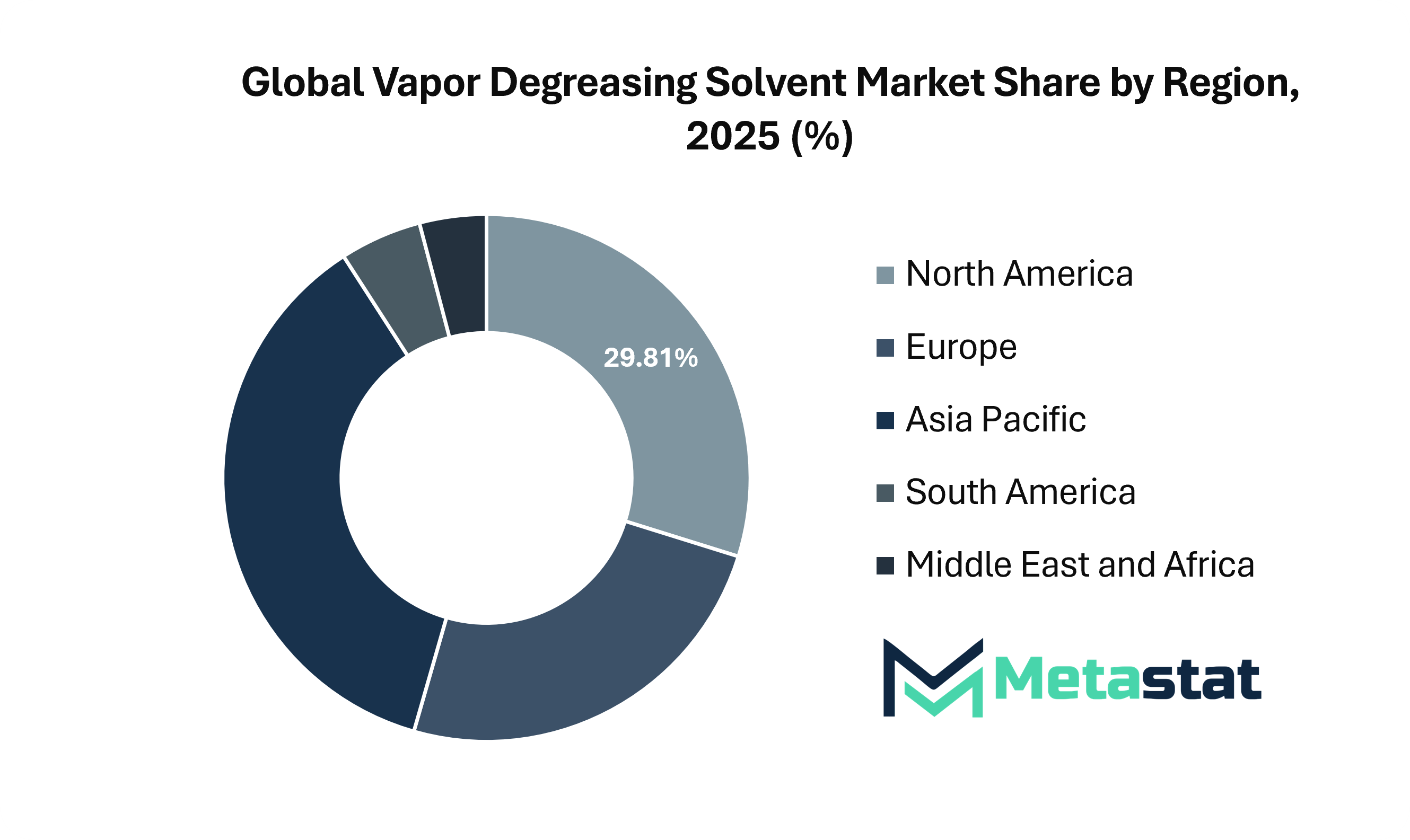
In terms of regional distribution, North America holds a substantial share, accounting for 29.8% of the market in 2025. The United States is expected to lead the market share in 2026, indicating its important role in the Vapor Degreasing Solvent landscape. Following North America, the Asia Pacific region demonstrates a significant demand for vapor degreasing solutions, particularly in manufacturing and electronics. Europe also remains a key player, driven by stringent cleaning standards and technological advancements in solvent formulations.
The growth in demand for vapor degreasing solvents is closely tied to various regulatory frameworks that emphasize compliance with environmental standards. This focus on regulatory compliance affects not only the selection of solvents but also the overall operational strategies of companies within the sector. Industries such as aerospace, automotive, and healthcare are particularly influenced by these regulations, which necessitate the use of effective and environmentally friendly cleaning solutions.
Research and development (R&D) activities are important in shaping the future of the Vapor Degreasing Solvent market. Companies are investing in innovative formulations to enhance cleaning efficiency while minimizing environmental impact. This emphasis on next-generation innovation is crucial as businesses strive to meet both regulatory requirements and customer expectations for sustainable solutions.
Supply chain resilience is another critical aspect as companies navigate the complexities of sourcing materials and managing logistics in an increasingly globalized market. Recent disruptions have underscored the importance of robust supply chain strategies, allowing firms to adapt to changes and maintain consistent product availability. Companies are focusing on the procurement of high-quality solvents to ensure their cleaning processes are both effective and compliant with industry standards.
Market fragmentation is evident, with numerous players contributing to the competitive landscape. Key manufacturers include The Chemours Company, Solstice Advanced Materials, and AGC Chemicals, among others. This diversification fosters innovation as companies strive to differentiate their products and secure a larger market share. The competitive dynamics encourage continuous improvement in product offerings, particularly in solvent chemistry and application methods.
As the market evolves, capital allocation towards infrastructure investments is becoming increasingly vital. Companies are reassessing their capital expenditure (CapEx) and operational expenditure (OpEx) strategies to enhance operational efficiency and respond to market demands effectively. Such financial strategies are essential for sustaining growth in a competitive environment where innovation and compliance are important.
The value chain for the vapor degreasing solvent market is characterized by a complex relationship of various stakeholders, including raw material suppliers, manufacturers, distributors, and end-users. Each participant plays a crucial role in ensuring the smooth flow of products from production to consumption. The procurement vectors are primarily focused on securing high-quality solvents that comply with environmental regulations. This is particularly important as manufacturers seek to optimize their processes while adhering to stringent compliance standards. The customer journey often involves a thorough evaluation of solvent efficiency and environmental impact, significantly influencing purchasing decisions.
Digital transformation and industry integration
Digitalization is increasingly becoming a focal point in the vapor degreasing solvent market. Companies are integrating smart operations and Industry 4.0 technologies to enhance productivity and streamline processes. Automation and data analytics are being leveraged to monitor solvent usage, reduce waste, and improve operational efficiency. This shift towards digital operations not only improves resource management but also aligns with broader sustainability goals in manufacturing practices. As digital tools become more prevalent, companies can expect improved traceability and accountability in their supply chains.
Investment in infrastructure remains a critical factor for companies in this market. Capital allocation strategies are focused on upgrading facilities and implementing advanced technologies to promote innovation. The capital expenditure (CapEx) required for these enhancements can be substantial, yet the operational expenditure (OpEx) benefits realized through improved efficiency and reduced waste can justify these investments. Companies are increasingly recognizing the long-term value of investing in modern infrastructure that supports sustainable practices.
Economic factors impacting the market
The vapor degreasing solvent market is not immune to macroeconomic headwinds, including inflationary pressures and currency volatility. These factors can affect the cost of raw materials and the pricing strategies of manufacturers. Fluctuations in exchange rates can pose additional challenges, particularly for companies engaged in international trade. As a result, companies must adopt flexible pricing models and risk management strategies to navigate these economic uncertainties effectively. The ability to adapt to changing economic conditions will be crucial for maintaining competitive advantage.
In summary, the vapor degreasing solvent market is influenced by a combination of value chain dynamics, digital transformation, investment strategies, and economic factors. The relationship between these elements shapes the competitive landscape and dictates the operational imperatives for companies within the sector. Understanding these dynamics is vital for stakeholders aiming to leverage opportunities and mitigate risks in this evolving market environment.
Market Dynamics
Growth Drivers
Solvent emission limits are pulling buyers toward closed-loop systems
Recent changes in environmental regulations are prompting industries to adopt closed-loop vapor degreasing systems. These systems effectively reduce solvent emissions, addressing growing concerns about air quality and environmental impact. As companies face stricter regulations, the need for compliant cleaning solutions is driving demand for vapor degreasing solvents that meet these new standards. The implementation of these systems not only helps companies comply with regulations but also enhances operational efficiency by reclaiming solvents for reuse, thus lowering overall costs and waste.
The pressure to adopt closed-loop systems is most significant in regions with stringent environmental policies, particularly in North America and Europe. In North America, where the market share is approximately 29.81%, companies are increasingly investing in technologies that minimize emissions while maximizing cleaning effectiveness. This trend is particularly evident in the manufacturing and automotive sectors, where large-scale production processes often lead to high solvent usage and waste generation. Conversely, the Asia Pacific region, accounting for 36.45% of the market, is experiencing a different dynamic, as it balances rapid industrial growth with the need for sustainable practices. Here, the demand for effective vapor degreasing solutions is also on the rise, driven by both regulatory pressures and consumer expectations for environmental responsibility.
For suppliers, this shift toward closed-loop systems represents both a challenge and an opportunity. Companies that can innovate and provide efficient, compliant products are likely to capture a larger share of the market. Suppliers must focus on developing advanced vapor degreasing solutions that align with regulatory requirements while also addressing the operational needs of various industries. The competitive landscape will increasingly favor those who can offer sustainable and cost-effective solutions that not only meet current regulations but also anticipate future environmental standards.
The shift towards automation and digital transformation is reshaping the vapor degreasing solvent market. As industries strive to enhance operational efficiency and reduce costs, the adoption of advanced technologies like automation and artificial intelligence (AI) becomes critical. Companies are increasingly digitizing legacy processes to streamline operations, which directly influences the demand for effective cleaning solvents. Vapor degreasing solvents, known for their efficiency in cleaning industrial equipment, are gaining traction as they align with the goals of modern manufacturing environments that prioritize productivity and precision.
This trend is particularly pronounced in regions with strong manufacturing sectors, such as Asia Pacific and North America. In Asia Pacific, countries like China and India are witnessing rapid industrialization and technological adoption, driving demand for vapor degreasing solvents. North America, with its focus on technological advancements and automation, also represents a significant market for these solvents. Industries such as aerospace and automotive rely on high-precision cleaning for their components and equipment.
For suppliers of vapor degreasing solvents, the ongoing digital transformation presents both challenges and opportunities. Companies must innovate their product offerings to meet the evolving needs of automated systems and digitized manufacturing processes. This may involve developing new formulations that cater to automated cleaning technologies or enhancing product performance for use in high-technology applications. Suppliers that can adapt to these trends will likely secure a competitive advantage in the growing market, positioning themselves to address the demands of modern manufacturing environments.
Market Restraints and Challenges
High capital investment requirements and escalating operating costs
The Vapor Degreasing Solvent market faces significant restraints due to high capital investment requirements and escalating operating costs. These challenges primarily stem from the need for advanced equipment and technology to meet stringent environmental regulations and maintain efficient operations. As companies strive to comply with evolving legal mandates surrounding solvent emissions and waste management, the initial capital outlay for advanced vapor degreasing systems can be substantial. This financial burden can deter smaller players from entering the market or expanding their operations, limiting overall market growth.
Regions such as North America and Europe, which contribute significantly to the market with shares of 29.81% and 24.63% respectively, absorb the most damage from these constraints. The high costs associated with upgrading or maintaining equipment to comply with regulatory standards can disproportionately affect manufacturers in these areas. For instance, the initial investment for transitioning to closed-loop systems or advanced vapor degreasing solutions can be a barrier for companies operating with tighter profit margins, particularly in the automotive and electronics sectors where cost pressures are already intense.
In response to these financial challenges, some companies in the Vapor Degreasing Solvent market are seeking to streamline their operations through technology upgrades and process optimization. However, these workarounds often fall short of fully addressing the constraints. While new technologies can improve efficiency and reduce operating costs over time, the upfront capital required for these upgrades remains a significant hurdle. Reliance on alternative cleaning methods or solvents may not fully meet the performance standards required for high-precision applications, further complicating the landscape. As a result, while companies attempt to navigate these financial pressures, the overall impact on market growth remains limited.
Solvent pricing pressures are challenging margins and profitability
The Vapor Degreasing Solvent market is currently facing significant challenges related to pricing pressures, which directly impact profit margins for firms. As the costs associated with raw materials and production continue to fluctuate, companies must navigate these increasing input costs while maintaining competitive pricing for their products. This operational friction is exacerbated by economic conditions and supply chain disruptions, which contribute to volatility in solvent pricing. The result is a difficult landscape for firms trying to balance cost management with market demand.
This issue is particularly pronounced in specific regions, with Asia Pacific exhibiting a high concentration of manufacturing activity that amplifies the effects of pricing volatility. Firms in this region may struggle to maintain profitability as they face both elevated input costs and stringent competition. North America and Europe also experience pressures, particularly in industries where solvent usage is critical, such as aerospace and automotive cleaning. These sectors are often more sensitive to changes in pricing due to their reliance on high-quality, consistent cleaning solutions.
In response to these challenges, firms are increasingly adopting strategies to mitigate pricing pressures. This includes investing in research and development to create more cost-effective cleaning solutions and enhancing operational efficiencies to reduce overall expenditures. However, these initiatives come at a cost, requiring substantial investment and time. As companies strive to address these challenges, the financial burden can strain their resources, impacting overall profitability. The ongoing struggle with pricing compression requires constant vigilance and adaptation to changing market conditions.
Opportunities
Emerging regional demands are driving market growth
The Vapor Degreasing Solvent market is experiencing growing interest due to emerging regional demands, particularly in the Asia Pacific and North American regions. The market is projected to reach USD 1,576.4 million by 2033, reflecting a compound annual growth rate (CAGR) of 5.8%. This growth is largely attributed to increased industrial activities, infrastructure modernization, and a rising need for cleaning solvents that comply with stricter environmental regulations. Industries are now prioritizing cleaning processes that align with sustainability imperatives, prompting a shift in purchasing behaviors toward eco-friendly alternatives.
Key players positioned to capture this opportunity include manufacturers that specialize in chlorinated, brominated, and fluorinated solvents, as well as those providing closed-loop and vacuum vapor degreasing technologies. Companies will need to enhance their capabilities in green chemistry and process optimization to meet evolving customer demands. Engaging in research and development for next-generation cleaning solutions will also be crucial. The ability to effectively market these innovations is important. The competitive landscape is likely to intensify as organizations pursue strategic partnerships and technological advancements to differentiate their offerings.
The timing for these opportunities is critical, as the market may face challenges related to regulatory changes and competitive pressures. Companies that can swiftly adapt to new eco-friendly compliance requirements could gain a significant advantage. However, those that delay in aligning their products with sustainability trends risk losing market share to more agile competitors. As global standards continue to evolve, businesses must remain vigilant and responsive to ensure their success in this dynamic environment.
Market Segmentation Analysis
The Global Vapor Degreasing Solvent market is segmented based on Solvent Chemistry, Application, End-Use Industry, and Cleaning Process.
By Solvent Chemistry, the market is further segmented into:
Chlorinated Solvents
Brominated Solvents
Fluorinated Solvents
Hydrocarbon Solvents
Modified Alcohol and Hydrocarbon Solvents
Others
Chlorinated Solvents
Valued at USD 216.6 million in 2026, the Chlorinated Solvents segment is projected to reach USD 250.5 million by 2033, reflecting a compound annual growth rate (CAGR) of 2.1% during the forecast period. This growth is driven by the continued adoption of chlorinated solvents across various end-use industries, particularly in manufacturing and electronics cleaning applications.
Technological maturation in vapor degreasing processes has enhanced efficiency and effectiveness, making chlorinated solvents a reliable choice for high-precision cleaning tasks. Manufacturers increasingly seek solvents that can effectively remove oils and contaminants while maintaining the integrity of sensitive components. Consequently, chlorinated solvents are favored for their strong cleaning properties and compatibility with advanced manufacturing techniques.
Regulatory compliance standards are evolving, creating challenges and opportunities for the chlorinated solvents market. As industries adapt to stricter environmental regulations, the demand for compliant products that meet these standards is rising. This will influence manufacturers to innovate and develop next-generation chlorinated solvents that align with sustainability goals.
Cost structures within this segment will also be impacted by raw material sourcing and pricing volatility. Fluctuations in the availability of key raw materials may lead to increased production costs, affecting overall market dynamics. As such, companies may need to develop resilient supply chains to mitigate these challenges while capitalizing on the strategic opportunity windows presented by growing demand for effective cleaning solutions.
Brominated Solvents
Brominated Solvents segment is valued at USD 117.6 million in 2026 and is projected to reach USD 152.6 million by 2033, at a CAGR of 3.8% during the forecast period.
Brominated solvents have gained traction in various industrial applications due to their efficiency in cleaning and degreasing processes. Their versatility allows use across multiple sectors, including automotive, aerospace, and electronics. Industries strive for optimal performance in cleaning operations, and brominated solvents present a reliable option for high-precision tasks. These solvents effectively remove contaminants without damaging sensitive components.
Regulatory compliance remains a critical factor for the brominated solvents segment. As environmental standards tighten globally, manufacturers must adhere to stringent guidelines governing the use and disposal of chemical substances. This necessity drives ongoing investment in research and development to formulate alternatives that meet regulatory requirements while maintaining performance standards. The push for greener chemicals prompts innovation, leading to the evolution of brominated solvent formulations that align with sustainability goals.
Supply chain resilience plays a vital role in managing the sourcing of raw materials for brominated solvents. Key suppliers navigate logistical challenges and fluctuating availability of specific chemicals, impacting production timelines and costs. As the market evolves, strategic partnerships and investments in supply chain optimization will be essential for consistent access to high-quality raw materials.
Fluorinated Solvents
Fluorinated Solvents segment is valued at USD 418.6 million in 2026 and is projected to reach USD 705 million by 2033, at a CAGR of 7.7% during the forecast period.
Fluorinated solvents are gaining traction due to their robust cleaning capabilities and the increasing demand for effective degreasing solutions across various industries. These solvents are particularly valued in high-precision applications, such as electronics and aerospace cleaning, where purity and precision are critical. The growing complexity of components in these sectors drives the need for solvents that can adequately remove contaminants without leaving residues.
The regulatory landscape is also influencing the adoption of fluorinated solvents. As industries face stricter environmental regulations, the need for compliant cleaning agents that meet safety standards without compromising performance becomes essential. Fluorinated solvents often fulfill these criteria, making them a suitable choice for companies aiming to align with sustainability goals while maintaining operational efficiency.
Supply chain resilience is a critical factor for this sub-segment. The sourcing of raw materials for fluorinated solvents can encounter vulnerabilities due to geopolitical issues and market fluctuations. As manufacturers seek to mitigate risks, they are exploring alternative suppliers and raw material sources to ensure steady availability and price stability.
Finally, the potential for technological advancements plays a significant role in the future of fluorinated solvents. Innovations in formulation and application techniques are likely to enhance their efficiency and broaden their utilization across various cleaning processes, solidifying their importance in the vapor degreasing solvent market.
Hydrocarbon Solvents
Hydrocarbon solvents are increasingly adopted in various cleaning applications due to their effective degreasing properties. These solvents are popular in sectors such as manufacturing and automotive, where precision cleaning is crucial. Their use is driven by the need for high-performance cleaning solutions that can effectively remove oils, greases, and other contaminants from surfaces. Growing awareness about environmental compliance influences the adoption of hydrocarbon solvents, as many formulations are designed to minimize harmful emissions and meet regulatory standards.
Technological maturation in the formulation of hydrocarbon solvents introduces next-generation cleaning products that improve efficiency and safety. These advancements include the development of low-toxicity alternatives that maintain performance without compromising user safety. This evolution in product design responds to the increasing demand for sustainable cleaning solutions that do not adversely affect health or the environment.
Supply chain resilience plays a significant role in the availability and pricing of hydrocarbon solvents. Raw material sourcing challenges can affect production costs, leading to pricing volatility in the market. Fluctuations in the availability of petroleum-based feedstocks, essential for hydrocarbon solvent production, can impact the overall cost structure and margins for manufacturers.
As industries continue to seek efficient cleaning solutions, hydrocarbon solvents may face competition from alternative cleaning technologies. However, their established effectiveness in various applications supports their ongoing relevance in the market. Companies focusing on innovation and compliance with evolving regulations are likely to find strategic opportunities in the hydrocarbon solvent segment.
Modified Alcohol and Hydrocarbon Solvents
Modified alcohol and hydrocarbon solvents are increasingly essential in various industries due to their effectiveness in cleaning and degreasing applications. These solvents are often favored for their ability to remove contaminants without leaving residues, a critical requirement in sectors such as aerospace, automotive, and electronics. The versatility of modified alcohols, coupled with hydrocarbons, enhances their utility across multiple cleaning processes, including open-top vapor degreasing and ultrasonic vapor degreasing.
Regulatory compliance is a significant driver for the adoption of modified alcohol and hydrocarbon solvents. These solvents often align better with stringent environmental laws compared to their chlorinated counterparts, making them a preferable choice for companies looking to meet evolving regulatory standards. Niche certifications related to safety and environmental impact play a critical role in influencing purchasing decisions in this segment.
Cost structures and pricing volatility are crucial factors impacting the modified alcohol and hydrocarbon solvents segment. Fluctuations in raw material costs can affect pricing strategies, creating challenges for manufacturers aiming to maintain competitive margins. Continuous innovation and product evolution in solvent formulations help mitigate these pressures, allowing companies to offer enhanced performance while managing costs effectively.
Supply chain resilience is becoming increasingly important, particularly in the context of raw material sourcing and logistics. Disruptions in supply chains can lead to delays and increased costs, pushing companies to diversify their supplier networks. Such strategic adjustments are vital for ensuring a steady flow of modified alcohol and hydrocarbon solvents to meet market demands.
Others
This sub-segment aggregates various solvent types that do not fit neatly into the primary categories of chlorinated, brominated, or fluorinated solvents. These solvents often cater to specialized applications and may have limited market presence or adoption due to niche requirements. The residual nature of this category can be attributed to fluctuating demand in specific industries, where alternative cleaning agents may dominate. Regulatory pressures and evolving compliance standards impact the use of these solvents, leading to a cautious approach among manufacturers and users.
By Application, the market is further segmented into:
Industrial Equipment Cleaning
Electronics Cleaning
Aerospace Cleaning
Automotive Component Cleaning
Medical Device Cleaning
Others
Industrial Equipment Cleaning
Demand for vapor degreasing solvents in industrial equipment cleaning is driven by the need for effective removal of oils, greases, and contaminants that can affect machinery performance. As industries strive for higher efficiency and operational reliability, the significance of maintaining clean equipment cannot be overstated. This sector is particularly influenced by advances in solvent technology, which enable the development of more effective and environmentally friendly cleaning solutions.
Adoption rates within this segment are largely shaped by stringent regulatory compliance standards, pushing manufacturers to seek solvents that meet environmental and safety requirements. Companies are increasingly investing in solutions that not only comply with these standards but also improve cleaning efficiency and reduce waste. The focus on sustainability has led to greater interest in next-generation solvents, which may offer lower toxicity and higher efficacy.
Supply chain resilience is another critical factor impacting this sub-segment. With raw material sourcing and logistics being integral to solvent availability, any disruptions can pose challenges to consistent supply. As a response, many companies are exploring alternative sourcing strategies to mitigate risks associated with supply chain vulnerabilities.
In addition, the industrial equipment cleaning market faces substitution risks from alternative cleaning technologies. Companies must weigh the benefits of traditional vapor degreasing methods against emerging disruptive alternatives that may offer less environmental impact or lower costs. This dynamic environment encourages continuous innovation within the sector, fostering opportunities for growth and development.
Electronics Cleaning
Rapid advancements in technology are driving the demand for vapor degreasing solvents in electronics cleaning. The increasing complexity of electronic components necessitates the use of highly effective cleaning solvents that can ensure the removal of contaminants without damaging sensitive parts. As electronic products evolve, manufacturers are keen on upgrading their cleaning processes to maintain product integrity and reliability.
Compliance with stringent regulatory standards plays a crucial role in the adoption of vapor degreasing solvents in this sector. Manufacturers must adhere to environmental regulations that promote the use of safer, less toxic cleaning agents. This move towards regulatory compliance not only ensures a reduction in harmful emissions but also aligns with industry trends toward sustainable practices.
The dynamics of end-use applications further influence the adoption of vapor degreasing solvents for electronics. With the rise of smart technologies and miniaturization of components, there is a continuous need for efficient cleaning solutions that can cater to these evolving demands. Customers are increasingly looking for solvents that offer both effectiveness and safety.
The electronics cleaning sector faces specific cost pressures related to pricing volatility and margin constraints. As raw material costs fluctuate, manufacturers need to strategically manage their procurement processes and consider alternative sourcing options to sustain profitability while meeting quality benchmarks.
Aerospace Cleaning
Aerospace Cleaning segment is projected to reach USD 243.6 million by 2033, at a CAGR of 6.1% during the forecast period.
Aerospace applications place a premium on cleanliness and precision, driving substantial demand for vapor degreasing solvents. Technological maturation in aerospace cleaning processes leads to the continuous evolution of solvent formulations, ensuring that they meet the stringent requirements of this sector. As manufacturers seek to improve operational efficiency, next-generation cleaning solutions are being developed that enhance the effectiveness and environmental compatibility of solvents.
Regulatory compliance remains a critical factor influencing the selection of vapor degreasing solvents. The aerospace industry must adhere to rigorous standards and certifications, which often dictate the types of solvents that can be used. This compliance not only ensures safety and performance but also impacts the overall acceptance of new cleaning technologies within the market.
Logistics vulnerabilities can affect the availability of key raw materials used in solvent production. The aerospace sector is sensitive to fluctuations in supply chains, which can disrupt the procurement of essential components. As a result, firms are increasingly focused on developing resilient supply chains to mitigate these risks and maintain steady production levels.
There are increasing concerns regarding substitution risks. The emergence of alternative cleaning technologies poses a significant threat to traditional vapor degreasing solvents. As industries explore greener cleaning solutions, the ability of conventional solvents to adapt to new requirements will be crucial for sustaining their market position.
Automotive Component Cleaning
In automotive component cleaning, the role of vapor degreasing solvents is significant due to the stringent cleanliness standards in this sector. Manufacturers aim for increased efficiency and precision, making the adoption of advanced cleaning technologies essential. Vapor degreasing effectively removes contamination from metal parts, ensuring optimal performance and longevity. This demand aligns with the trend towards cleaner production methods and eco-friendly solvents, reflecting the industry's ongoing shift toward sustainability.
Regulatory compliance remains a driving factor, as automotive manufacturers must adhere to various environmental standards and certifications. These regulations push companies to seek solvents that meet cleaning requirements while minimizing environmental impact. As a result, innovations in solvent chemistry are emerging, focusing on developing safer alternatives that do not compromise cleaning efficacy.
Cost structures in the automotive sector can influence the choice of cleaning solvents. Fluctuations in raw material prices may lead manufacturers to evaluate their cleaning processes critically, seeking cost-effective solutions that maintain quality while controlling expenses. This situation creates opportunities for suppliers to introduce competitive products that can meet the demands of performance and affordability.
As technology evolves, so do the methodologies for automotive component cleaning. The advancement of cleaning equipment and processes enhances operational efficiency, further integrating vapor degreasing into the automotive manufacturing workflow. This evolution helps in meeting current cleaning needs while preparing manufacturers for future challenges in component cleanliness and performance standards.
Medical Device Cleaning
Cleaning medical devices requires strict adherence to regulatory compliance standards due to the critical nature of the applications involved. The need for high levels of hygiene and the elimination of contaminants drives the adoption of vapor degreasing solvents in this sector. As technologies advance, many manufacturers are upgrading their cleaning processes, emphasizing the importance of using solvents that meet the latest industry standards.
The evolution of medical devices themselves, with a trend toward more complex and sensitive instruments, necessitates the use of effective cleaning solutions. This complexity often presents challenges in ensuring that all surfaces are adequately cleaned without damaging sensitive components. As a result, manufacturers are exploring next-generation cleaning solvents that can effectively meet these needs.
Market dynamics in the medical device sector also reflect shifts in consumption patterns. Increasing demand for minimally invasive surgical instruments and implantable devices has led to a higher requirement for stringent cleaning protocols. These shifts influence supply chain resilience, as manufacturers seek reliable sources for high-quality solvents to maintain compliance and product integrity.
Cost structures are another significant factor in this sub-segment. Fluctuations in raw material prices can impact the overall cost of cleaning processes, affecting margins for manufacturers. Businesses are aware of both regulatory demands and economic pressures, driving them to seek innovative and cost-effective cleaning solutions while adhering to standards.
Others
This category encompasses various applications that do not neatly fall into the established sub-segments, reflecting niche usage of vapor degreasing solvents. These applications may include specialized cleaning tasks and unique industry requirements, which often results in lower visibility and demand. Such applications are often influenced by specific regulatory compliance standards and niche certifications, contributing to their classification as "Others." As the market evolves, the need for tailored solutions may present strategic opportunity windows, but current consumption shifts limit the potential for significant growth within this residual bucket.
By End-Use Industry, the market is further segmented into:
Manufacturing
Automotive
Aerospace & Defense
Electronics
Healthcare
Others
Manufacturing
In the manufacturing sector, the adoption of vapor degreasing solvents is driven by the need for high levels of cleanliness in various production processes. These solvents play a crucial role in removing contaminants from components used in machinery and equipment, enhancing overall operational efficiency. As manufacturing processes become increasingly automated, the demand for solvents that can maintain cleanliness without adversely affecting sensitive components has grown. This trend emphasizes the importance of selecting appropriate solvent chemistries that meet industry standards.
Regulatory compliance remains a significant consideration for manufacturers. Compliance with stringent environmental regulations and safety standards influences the choice of vapor degreasing solvents. Manufacturers are compelled to adopt solutions that not only meet cleaning requirements but also adhere to regulations regarding volatile organic compounds (VOCs) and other environmental concerns. This has led to a shift towards environmentally friendly alternatives, such as low-VOC and non-toxic solvents.
As technology progresses, manufacturers are increasingly interested in next-generation vapor degreasing solutions. These advancements often include the integration of automation and improved solvent formulations, which enhance cleaning efficiency while reducing operational costs. Such innovations allow manufacturers to streamline their cleaning processes, ultimately leading to improved product quality and profitability.
Supply chain resilience also plays a vital role in the manufacturing sector's adoption of vapor degreasing solvents. Challenges related to raw material sourcing, logistics, and cost fluctuations can impact the availability and pricing of these solvents, making a robust supply chain essential for maintaining operations. As manufacturers seek to mitigate risks associated with these vulnerabilities, strategic partnerships and local sourcing initiatives are becoming increasingly common.
Automotive
In the automotive industry, vapor degreasing solvents play a vital role in ensuring the cleanliness of components before assembly and maintenance. The demand in this sector is primarily driven by the need for high precision and quality, which is crucial for vehicle performance and safety. As manufacturers strive for greater efficiency and compliance with stringent quality standards, the adoption of advanced cleaning methods is becoming increasingly significant.
Regulatory compliance remains a critical factor in shaping the use of vapor degreasing solvents. Automotive manufacturers are facing pressure to adhere to environmental regulations and sustainability initiatives, which influences their choice of cleaning technologies. This compliance often leads to the adoption of solvents that meet specific standards and certifications, ensuring that the cleaning processes used do not adversely affect the environment or human health.
The automotive market also experiences ongoing pressure related to cost structures and pricing volatility. Manufacturers must navigate rising raw material costs while maintaining competitive pricing for their vehicles. This situation creates challenges in managing margins, influencing decisions regarding the types of solvents utilized in cleaning processes.
Supply chain resilience is becoming increasingly important, particularly in the context of recent global disruptions. Automotive companies are focusing on securing reliable sources of vapor degreasing solvents to minimize production interruptions. The evolving dynamics in this industry showcase the critical intersection of cleanliness, regulatory compliance, and economic factors that shape the use of vapor degreasing solvents in automotive applications.
Aerospace & Defense
The aerospace and defense sector demands stringent cleaning protocols to maintain the performance and reliability of components. Vapor degreasing solvents are essential in ensuring parts meet the high standards required for safety and functionality in this industry. Advanced manufacturing techniques, including additive manufacturing and precision machining, are increasingly employed, necessitating upgraded cleaning solutions that vapor degreasing provides. As technology matures, the evolution of solvents is aligned with the rigorous specifications of aerospace applications.
Regulatory compliance plays a critical role in the adoption of vapor degreasing solvents. Manufacturers must adhere to various safety and environmental standards, which guide their choices in cleaning agents. Innovative solvents are developed to meet these regulations while also enhancing performance. This is increasingly important in a sector where the cost of non-compliance can be substantial.
Supply chain dynamics are also a significant concern, as the availability of raw materials can directly impact production timelines and costs. Manufacturers are focused on securing resilient supply chains to mitigate potential vulnerabilities. The pursuit of cost efficiency remains a driving force, with companies exploring new formulations that reduce cleaning times while maintaining effectiveness.
As the aerospace and defense industries continue to innovate, vapor degreasing solvents must adapt to emerging needs, including shifts in materials used in manufacturing. This ongoing evolution will likely dictate future trends and demands within the sector.
Electronics
Electronics segment is projected to reach USD 446.6 million by 2033.
In the electronics sector, the demand for vapor degreasing solvents is driven by the increasing complexity of electronic components and the stringent cleanliness standards required for their production. As devices become smaller and more intricate, effective cleaning methods are essential to remove contaminants without damaging sensitive parts. The evolution of electronics, particularly in sectors like consumer electronics and telecommunications, necessitates advanced cleaning technologies that vapor degreasing solvents can provide.
Adoption rates for these solvents are influenced by technological maturation and the continuous need for upgrading existing cleaning processes. Manufacturers in the electronics industry increasingly focus on next-generation upgrades to enhance operational efficiency. Consequently, there is a rising trend toward utilizing specialized solvents that offer superior performance in cleaning applications.
Regulatory compliance standards play a significant role in shaping the landscape of vapor degreasing solvents used in electronics. As environmental regulations become more stringent, companies are compelled to adopt eco-friendly cleaning solutions. This shift prompts manufacturers to explore new formulations that comply with these regulations while still meeting performance expectations.
The electronics sector also faces challenges related to supply chain resilience and raw material sourcing. Fluctuations in the availability and pricing of raw materials can impact cost structures within this sub-segment. This situation highlights the importance of strategic sourcing and logistical planning to mitigate potential disruptions.
Healthcare
Demand for vapor degreasing solvents in the healthcare sector is driven largely by the stringent regulatory compliance standards that govern the cleaning of medical devices. These regulations necessitate effective cleaning methods to ensure that devices are free from contaminants and safe for patient use. As a result, there is a consistent push for advanced cleaning solutions that meet these regulatory demands.
Technological maturation in the vapor degreasing sector has led to the development of next-generation cleaning solvents that provide improved efficacy while minimizing environmental impact. This innovation is particularly relevant in healthcare, where precision in cleaning is essential. New formulations are being introduced that enhance performance without compromising safety or regulatory compliance.
Another critical factor is the resilience of the supply chain related to the healthcare segment. The sourcing of raw materials for vapor degreasing solvents must align with both quality standards and the increasing demand for sustainable practices. Logistics vulnerabilities may arise from disruptions, which can impact the availability of necessary materials. This necessitates strategic planning from manufacturers.
Ongoing shifts in downstream applications highlight the growing importance of vapor degreasing solvents within the healthcare industry. As medical technology evolves, so too does the need for effective cleaning solutions that can cater to increasingly complex medical devices and components. This advancing landscape presents strategic opportunity windows for manufacturers to innovate and invest in developing new solutions tailored to the healthcare sector's needs.
Others
This aggregation encompasses various niche applications that are not categorized within major industries such as manufacturing or automotive. The residual nature of this segment arises from its limited adoption across specialized sectors, where the demand for vapor degreasing solvents is not as pronounced. Regulatory compliance standards and specific industry certifications may further restrict expansion in these areas. Cost structures and pricing volatility may deter potential users, causing them to seek alternative cleaning methods. As a result, this sub-segment remains comparatively small, reflecting diverse end-use dynamics that do not fit into the larger market categories.
By Cleaning Process, the market is further segmented into:
Open-Top Vapor Degreasing
Closed-Loop and Vacuum Vapor Degreasing
Co-Solvent and Bi-Solvent Degreasing
Ultrasonic Vapor Degreasing
Others
Open-Top Vapor Degreasing
Open-top vapor degreasing is characterized by its ability to handle larger components, making it suitable for various industrial cleaning applications. This process is particularly advantageous in sectors that require significant surface area exposure for effective solvent action. The simplicity of setup and operation enhances its appeal in manufacturing environments where efficiency is crucial.
The downstream application matrix reveals that open-top vapor degreasing is essential in automotive component cleaning, as well as in the electronics sector. These industries demand precision cleanliness for optimal performance and reliability. The solvent effectively removes oils, greases, and particulate contaminants, contributing to a stable operational environment in these high-stakes applications.
Regulatory compliance plays a significant role in shaping the operational dynamics of open-top vapor degreasing. As regulations around solvent use tighten, operators face increasing pressure to adopt compliant technologies. This has led to innovations in solvent formulations and equipment design, promoting a shift towards greener alternatives without compromising cleaning efficiency.
Cost structures associated with open-top vapor degreasing are influenced by raw material sourcing and logistics vulnerabilities. Maintaining a reliable supply chain is critical for keeping operational costs manageable and ensuring consistent solvent availability. As the market evolves, identifying strategic opportunities for investment will be essential for adapting to the changing landscape.
Closed-Loop and Vacuum Vapor Degreasing
Closed-Loop and Vacuum Vapor Degreasing segment is projected to grow at a CAGR of 8.2% during the forecast period.
Closed-loop and vacuum vapor degreasing processes are gaining traction due to their efficiency and environmental compliance. These methods reduce solvent emissions and enhance worker safety, making them appealing in sectors with stringent regulations. The technological maturation of these processes has led to advancements in solvent recovery systems, which allow for the reuse of solvents, thereby lowering operational costs and minimizing waste.
Adoption rates are particularly notable in industries such as aerospace and electronics, where precision and cleanliness are critical. The ability to remove contaminants without damaging sensitive components aligns with the demands of these high-tech applications. Consequently, end-use dynamics show a marked preference for closed-loop systems that provide consistent cleaning results while adhering to evolving regulatory standards.
Regulatory compliance continues to be a significant driver, as manufacturers seek solutions that meet or exceed guidelines set by environmental and health authorities. This focus on compliance shapes consumption shifts, with companies increasingly investing in technologies that sustain operational integrity while mitigating the impact on the environment.
Challenges remain, particularly regarding cost structures and pricing volatility. The need for advanced materials and equipment can lead to higher initial investments, but the long-term benefits, including reduced waste disposal costs and solvent replenishment, often justify these expenses. As the market evolves, strategic opportunities are emerging for players that can innovate within this framework while addressing potential substitution risks posed by alternative cleaning technologies.
Co-Solvent and Bi-Solvent Degreasing
Innovation in cleaning processes drives the adoption of co-solvent and bi-solvent degreasing techniques. These methods leverage the unique properties of multiple solvents to enhance cleaning efficiency, particularly in challenging applications. Industries seek to improve cleanliness standards, and the integration of co-solvents often results in superior performance compared to single-solvent options. This hybrid approach addresses the need for effective cleaning agents that can tackle a range of contaminants found on various substrates.
Regulatory compliance plays a significant role in shaping the landscape for co-solvent and bi-solvent degreasing. As environmental concerns mount, manufacturers are compelled to adopt solvents that meet stringent regulatory standards. This trend pushes innovation in solvent chemistry and creates demand for niche certifications that verify compliance with environmental regulations. This drives manufacturers to invest in next-generation solvents that are less harmful to both the environment and human health.
Supply chain resilience remains crucial to the sustainability of co-solvent and bi-solvent degreasing practices. Raw material sourcing for these solvents can be complex, often depending on global supply chains that are susceptible to various disruptions. Ensuring steady access to these materials is vital for manufacturers looking to maintain consistent production levels while meeting market demand.
Strategic opportunities for investment in this segment are emerging as industries become more aware of the benefits of co-solvent and bi-solvent systems. As technological advancements continue to evolve, the market is likely to see increased capital investment focused on optimizing these cleaning processes, which will further drive the segment's expansion.
Ultrasonic Vapor Degreasing
Innovations in ultrasonic vapor degreasing are driven by technological advancements and the need for improved cleaning efficiency across various sectors. This method leverages ultrasonic waves to enhance solvent penetration and cleaning effectiveness, making it particularly beneficial for intricate geometries and delicate components. As industries increasingly prioritize precision cleaning, ultrasonic vapor degreasing is becoming a preferred choice in applications such as electronics and medical devices.
Regulatory compliance is a critical factor influencing the adoption of ultrasonic vapor degreasing. Many manufacturers must adhere to stringent environmental and safety regulations, which drive the need for cleaning solutions that not only meet performance standards but also minimize harmful emissions. As these regulations evolve, the pressure to adopt compliant technologies will likely boost the demand for ultrasonic vapor degreasing systems.
Cost structures and pricing dynamics specific to ultrasonic vapor degreasing are also noteworthy. While initial investments in ultrasonic technology may be higher than traditional methods, the long-term operational savings and efficiency gains can offset these costs. As manufacturers seek to streamline operations, the overall appeal of ultrasonic vapor degreasing continues to grow.
Lastly, supply chain resilience plays a significant role in the ultrasonic vapor degreasing market. The procurement of raw materials needed for these advanced cleaning processes can be subject to volatility. Companies that focus on securing reliable supply chains and diversifying their sources are better positioned to mitigate risks associated with fluctuations in availability and pricing.
Others
This sub-segment aggregates various unconventional cleaning methods that do not align with the primary categories of vapor degreasing. Such methods may include specialized techniques tailored for niche applications in diverse industries. Their residual status stems from limited market adoption, driven by specific requirements that do not fit typical cleaning processes. The demand in this area is often influenced by unique regulatory compliance standards that vary by region, which can hinder broader acceptance. The intricacies associated with raw material sourcing and logistics may limit the viability of these methods in mainstream applications.
By Region
Based on geography, the Global Vapor Degreasing Solvent market is divided into North America, Europe, Asia-Pacific, South America, Middle East, and Africa.
North America
North America is experiencing a notable shift in the vapor degreasing solvent market, characterized by a compound annual growth rate (CAGR) of 5.8% during the forecast period. By the end of 2033, the market size in this region is projected to reach USD 438.9 million. The United States, Canada, and Mexico represent the primary countries contributing to this growth, with the U.S. holding a significant share of the market.
The regional adoption of vapor degreasing solvents is driven by various factors, including modernization in industrial processes and a focus on high-precision manufacturing. As manufacturers seek to enhance efficiency, the demand for effective cleaning solutions becomes critical. This trend is particularly evident in sectors such as aerospace, automotive, and electronics, where stringent cleaning standards are essential.
Infrastructure modernization plays a critical role in expanding the market, as aging facilities are upgraded to meet contemporary cleaning requirements. This transition supports the adoption of advanced cleaning technologies, thereby creating an opportunity for vapor degreasing solvents to penetrate underdeveloped territories within the region.
High-value replacement cycles further contribute to market dynamics in North America. As older cleaning systems are phased out, companies are increasingly investing in more efficient, environmentally friendly vapor degreasing solutions. This transition is vital for industries aiming to maintain compliance with evolving regulations and to optimize operational costs.
The North American market is also influenced by localized manufacturing densities and nearshoring initiatives. These trends facilitate supply chain regionalization, allowing companies to streamline operations and reduce lead times. As domestic production increases, the demand for vapor degreasing solvents is expected to rise, driven by localized procurement dynamics and regional B2B buying behaviors.
Europe
Europe captures a significant share of the global vapor degreasing solvent market, accounting for 24.63% in 2025. This region demonstrates mature market dynamics, characterized by high-value replacement cycles and incremental growth vectors. As industries increasingly prioritize efficient cleaning processes, the demand for vapor degreasing solvents is expected to rise steadily.
Germany and the UK are notable leaders in the adoption of vapor degreasing technologies, driven by their robust manufacturing sectors. In these countries, the focus on precision cleaning is crucial, particularly in aerospace and automotive applications. France and Italy are also key markets, with investment in infrastructure modernization that facilitates the use of advanced cleaning technologies.
Localized manufacturing densities play a critical role in shaping procurement dynamics in Europe. The presence of established suppliers and manufacturers enhances the accessibility of vapor degreasing solvents. This regional supply chain regionalization, coupled with nearshoring initiatives, supports a resilient supply framework, thereby fostering growth opportunities.
Emerging market front-runners such as Spain and Russia are expanding their market presence through increased regulatory compliance and local production initiatives. These countries are modernizing their industrial processes to meet European standards, creating a conducive environment for the adoption of vapor degreasing solvents.
As the competitive landscape evolves, vendor consolidation trends are becoming prominent. Domestic market leaders are positioning themselves strategically to leverage local compliance mandates and geographical advantages. This trend highlights the importance of understanding regional regulations and adapting offerings accordingly to remain competitive.
Asia-Pacific
Asia-Pacific is projected to dominate the global Vapor Degreasing Solvent market, holding a substantial share in 2025. This region is characterized by a growing emphasis on infrastructure modernization across several leading countries, which is expected to drive the demand for efficient cleaning solutions. Countries like China, Japan, and India are leading the charge in upgrading manufacturing facilities. This effort enhances the adoption rates of vapor degreasing solvents.
The presence of underpenetrated territories within Southeast Asia and the Rest of Asia Pacific also provides significant opportunities for market expansion. As industries evolve, the need for advanced cleaning processes in sectors such as automotive, aerospace, and electronics is becoming increasingly critical. The deployment of vapor degreasing solvents in these sectors is expected to grow, driven by their effectiveness in achieving high cleanliness standards.
In addition to modernization efforts, the region is seeing a rise in supply chain regionalization and nearshoring initiatives. These trends are fostering localized manufacturing densities, which can lead to more streamlined operations and reduced transportation costs. As companies in Asia-Pacific adapt to these changes, the demand for vapor degreasing solvents is anticipated to increase, supporting the implementation of localized procurement dynamics.
Market participants are also focusing on the competitive landscape, with domestic leaders and multinational players vying for market share. Increased foreign direct investment (FDI) flows into the region are facilitating the establishment of manufacturing hubs, which augments the availability of vapor degreasing solvents. This consolidation of resources is essential for meeting the rising demand and supporting further growth in the coming years.
South America
South America accounts for a notable share of the global vapor degreasing solvent market, projected at 5.02% in 2025. Brazil and Argentina are the primary contributors to this regional market, driven by various industrial applications. As these countries modernize their manufacturing infrastructures, there is an increasing adoption of advanced cleaning technologies, creating demand for effective vapor degreasing solutions.
The industrial equipment cleaning and automotive sectors are significant areas where vapor degreasing solvents are utilized. In Brazil, the automotive industry is experiencing robust growth, leading to heightened demand for effective cleaning solutions that meet strict regulatory requirements. Argentina, while smaller in market size, is witnessing growth vectors spurred by similar industrial developments.
Localized manufacturing densities in major urban centers further support regional growth. As companies seek to streamline operations, nearshoring initiatives are fostering closer connections between suppliers and manufacturers. This trend enhances the supply chain dynamics, allowing for more efficient procurement processes and reduced lead times for vapor degreasing solvent delivery.
Competitive landscapes in South America show a mix of established global players and emerging local suppliers. Vendor consolidation trends are observable, as domestic market leaders seek strategic partnerships to expand their product offerings and improve market penetration. This collaboration can lead to enhanced service delivery and innovation in cleaning processes.
Regulatory frameworks in Brazil and Argentina are evolving, with local compliance mandates increasingly prioritizing environmentally friendly solutions. The adoption of chlorinated solvents, although prevalent, is being scrutinized in favor of more sustainable alternatives. This shift may influence the types of products available in the market, catering to environmentally conscious consumers and industries.
Middle East and Africa
The Middle East and Africa region is expected to capture a share of 4.10% of the global vapor degreasing solvent market in 2025. This market segment is influenced by several key factors, including the demand for innovative cleaning solutions across various industries. Saudi Arabia and the UAE are emerging as front-runners in the adoption of vapor degreasing technologies, largely driven by their ongoing infrastructure modernization and industrial expansion initiatives.
Infrastructure modernization is critical in the region, particularly as countries strive to enhance their manufacturing capabilities. The UAE has committed to diversifying its economy, which has led to increased investments in high-precision manufacturing sectors. Similarly, Saudi Arabia’s Vision 2030 is driving technological advancements in manufacturing processes, thus boosting the demand for effective cleaning solvents like vapor degreasers.
South Africa, while facing unique challenges, is also experiencing growth in the vapor degreasing solvent market. The country's efforts to modernize its manufacturing base and improve compliance with international standards are expected to lead to increased adoption. This modernization aligns with global trends toward more environmentally friendly and efficient cleaning methods, providing an avenue for growth in the region.
Localized manufacturing densities are contributing to the market dynamics in the Middle East and Africa. Companies are increasingly seeking to establish production facilities closer to key markets to streamline their operations and reduce logistics costs. This trend is evident in both the UAE and Saudi Arabia, where local manufacturing initiatives are supported by favorable regulatory frameworks.
The region's procurement dynamics highlight a shift towards localized sourcing, allowing businesses to adapt to cultural nuances and regional B2B buying behaviors. These factors are significant in shaping the competitive landscape, as domestic leaders and international vendors consolidate their positions in the market. Overall, the vapor degreasing solvent market in the Middle East and Africa stands at the intersection of innovation, modernization, and evolving market demands.
Competitive Landscape and Strategic Insights
Mergers, acquisitions (M&A), strategic consolidation, and industry restructuring
The vapor degreasing solvent market exhibits a notable trend toward consolidation, with several significant players focusing on strengthening their market positions through mergers and acquisitions. These strategic moves aim to enhance product portfolios, expand geographical reach, and leverage synergies in R&D and supply chain operations. Major companies, including The Chemours Company and Daikin Industries, are actively pursuing strategies that allow them to integrate vertically or horizontally, thereby reinforcing their competitive edge within the industry.
Go-to-market (GTM) strategies, commercial models, and pricing architectures
Companies in this market adopt diverse go-to-market strategies that incorporate both direct sales and distribution partnerships. For instance, specialty formulators like Enviro Tech International, Inc. and MicroCare, LLC may rely on established distribution channels to gain access to various end-use industries. Pricing architectures are influenced by factors such as product differentiation, regional demand, and raw material costs. The competitive landscape reflects varying pricing strategies, which include premium pricing for technologically advanced solvents and more competitive rates for standard products.
Product differentiation plays a crucial role in market positioning. Key players leverage proprietary technologies and unique formulations to cater to specific cleaning applications across sectors such as aerospace, automotive, and healthcare. Companies like Miller-Stephenson Chemical Company and Vantage Specialty Chemicals are prominent in developing tailored solutions that meet stringent industry standards, enhancing their appeal to customers. R&D pipelines are critical for maintaining a competitive advantage, allowing firms to innovate and respond to emerging market demands.
Strategic alliances and partnerships also characterize the competitive dynamics, with companies exploring joint ventures or cross-industry collaborations to expand their capabilities. For instance, cooperative efforts between solvent manufacturers and equipment suppliers can facilitate integrated solutions that enhance cleaning efficiency. The presence of these partnerships can affect market entry barriers, as established players often have the resources and networks to mitigate the challenges faced by new entrants.
The threat of new entrants remains a consideration, particularly in light of technological advancements that may enable startups to enter the market with innovative solutions. However, significant barriers to entry exist, including the need for substantial capital investment, regulatory compliance, and established brand equity. Firms like AGC Chemicals and Chemtex Speciality Limited benefit from their long-standing reputations, creating a high threshold for new competitors to overcome.
Value chain integration also plays a significant role in shaping competitive strategies. Companies that control multiple stages of the supply chain often gain procurement leverage, influencing raw material costs and production efficiencies. This vertical integration allows players such as KYZEN Corporation and Westlake Corporation to optimize their operations and respond more swiftly to market fluctuations.
In terms of customer retention strategies, businesses are focusing on building brand loyalty through enhanced service offerings and quality assurance. High switching costs associated with changing solvent suppliers create a stable customer base for major players, while also incentivizing continuous improvement in product quality and customer satisfaction.
Intellectual property (IP) positioning is critical in maintaining technological defensibility in the vapor degreasing solvent market. Companies invest heavily in developing patent portfolios that protect their innovations, providing a competitive advantage in product development and market positioning. The ability to safeguard proprietary technologies further underlines the importance of R&D in sustaining long-term growth.
Looking ahead, the future competitive outlook for the vapor degreasing solvent market appears robust. With a forecasted market value of USD 1,576.4 million by 2033 and a compound annual growth rate (CAGR) of 5.8% from 2026 to 2033, strategic growth vectors will likely focus on enhancing product offerings, expanding regional footprints, and strengthening customer relationships. As the industry evolves, defensive imperatives will also shape competitive strategies, with companies continuously adapting to shifts in regulations, environmental standards, and customer preferences.
Forecast and Future Outlook
The global vapor degreasing solvent market is projected to experience significant growth in the coming years. Market size is forecast to rise from USD 1,004.1 million in 2025 to over USD 1,576.4 million by 2033, reflecting a compound annual growth rate (CAGR) of 5.8%. This growth is driven by increasing demand across various industries, including manufacturing and electronics, as companies seek to improve cleaning processes and meet stringent regulatory requirements.
In the base case scenario, the market will benefit from downstream demand transformations, as industries mature and evolve in response to technological advancements. Key applications, such as industrial equipment cleaning and electronics cleaning, are expected to see heightened demand, leading to increased sales of vapor degreasing solvents. The integration of next-generation technologies and the commercialization of research and development initiatives will play a crucial role in enhancing product efficiency, driving innovation, and meeting evolving customer needs.
The bull case scenario envisions an even more accelerated growth trajectory, fueled by rapid advancements in solvent chemistry and cleaning processes. If companies can successfully innovate and deliver performance improvements, the adoption of vapor degreasing solvents may surge beyond current expectations. Enhanced capabilities in applications such as aerospace cleaning and medical device cleaning could further expand the market, opening up new revenue streams and fostering strategic partnerships among key players.
Conversely, the bear case scenario highlights potential challenges that could impede growth. Regulatory evolution presents a significant factor; if compliance milestones are not met or if new regulations emerge with stringent enforcement timelines, the market may face disruptions. Economic cycles can also impact capital allocation, leading to reduced investments in vapor degreasing solutions. A downturn in key industries, such as automotive and aerospace, could result in decreased demand for cleaning solvents, affecting overall market performance.
As the vapor degreasing solvent market evolves, companies must focus on strategic capital allocation to navigate uncertainties. Investing in infrastructure commitments and capital expenditures will be essential for meeting increasing demand while maintaining operational efficiency. Qualifying alternative suppliers outside the current concentration regions can also mitigate risks associated with supply chain disruptions, especially in the context of geopolitical realignments and evolving trade corridors.
Emerging white-space opportunities present additional avenues for growth. Identifying unmet enterprise needs in niche segments could facilitate entry into high-growth pockets, allowing companies to broaden their market reach. By developing tailored solutions for specific industries, firms can enhance their competitiveness and secure long-term market share.
For the base case to hold, industry players must effectively address regulatory challenges and continue investing in research and development. Maintaining compliance with evolving regulations while integrating next-generation technologies will be critical. Ensuring that the supply chain remains resilient amidst geopolitical shifts and trade dynamics will also be necessary to sustain growth in the vapor degreasing solvent market.
Vapor Degreasing Solvent Market Key Segments
By Solvent Chemistry:
Chlorinated Solvents
Brominated Solvents
Fluorinated Solvents
Hydrocarbon Solvents
Modified Alcohol and Hydrocarbon Solvents
Others
By Application:
Industrial Equipment Cleaning
Electronics Cleaning
Aerospace Cleaning
Automotive Component Cleaning
Medical Device Cleaning
Others
By End-Use Industry:
Manufacturing
Automotive
Aerospace & Defense
Electronics
Healthcare
Others
By Cleaning Process:
Open-Top Vapor Degreasing
Closed-Loop and Vacuum Vapor Degreasing
Co-Solvent and Bi-Solvent Degreasing
Ultrasonic Vapor Degreasing
Others
By Region:
North America
Europe
Asia-Pacific
South America
Middle East and Africa
Key Global Vapor Degreasing Solvent Industry Players
This research report categorizes the Vapor Degreasing Solvent market based on key segments and regions, forecasts revenue growth, and analyses trends in each submarket. The report analyses the key growth drivers, opportunities, and challenges influencing the Vapor Degreasing Solvent market. Recent market developments and competitive strategies such as expansion, product launch, partnership, merger, and acquisition have been included to draw the competitive landscape in the market.
The report strategically identifies and profiles the key market players and analyses their core competencies in each sub-segment of the Vapor Degreasing Solvent market.
Report Attributes
Details
Study Period
2021-2033
Base Year
2025
Estimated Year
2026
Forecast Period
2026-2033
Historical Period
2021-2025
Growth Rate
CAGR 5.8% from 2026 to 2033
Revenue Unit
USD million
Sales Volume Unit
Kilotons
Segmentation
By Solvent Chemistry, Application, End-Use Industry, Cleaning Process, and Region
By Region
North America (By Solvent Chemistry, Application, End-Use Industry, Cleaning Process, and Country)
United States
Canada
Mexico
Europe (By Solvent Chemistry, Application, End-Use Industry, Cleaning Process, and Country)
Germany
France
UK
Italy
Spain
Russia
Rest of the Europe
Asia Pacific (By Solvent Chemistry, Application, End-Use Industry, Cleaning Process, and Country)
China
Japan
India
South Korea
Australia
Southeast Asia
Rest of Asia Pacific
South America (By Solvent Chemistry, Application, End-Use Industry, Cleaning Process, and Country)
Brazil
Argentina
Rest of South America
Middle East and Africa (By Solvent Chemistry, Application, End-Use Industry, Cleaning Process, and Country)
Saudi Arabia
UAE
South Africa
Rest of Middle East and Africa
WHAT REPORT PROVIDES
Key Vapor Degreasing Solvent market share, revenue, and position/ranking
Key Vapor Degreasing Solvent market leaders
Full in-depth analysis of the Vapor Degreasing Solvent market
Vapor Degreasing Solvent industry statistics
Important changes in the Vapor Degreasing Solvent market dynamics
Segmentation details of the Vapor Degreasing Solvent market
Historical, ongoing, and projected Vapor Degreasing Solvent market analysis
Assessment of niche Vapor Degreasing Solvent industry developments
Vapor Degreasing Solvent market share analysis
Key strategies of major Vapor Degreasing Solvent players
Company profiles of key Vapor Degreasing Solvent players
Unique selling propositions of leading Vapor Degreasing Solvent players
Emerging segments and regional growth potential in Vapor Degreasing Solvent
Key strategic recommendations for the Vapor Degreasing Solvent market
Competitive benchmarking of the Vapor Degreasing Solvent market
Import-export trade statistics for the Vapor Degreasing Solvent market
Bangladesh Flavours and Fragrances Market Size, Share, Trends, 2033
Bangladesh Flavours and Fragrances market size is valued at USD 793.9 million in 2025 and is projected to reach USD 1,447.9 million in 2033, at a CAGR of 7.8% from 2026 to 2033
Bangladesh Flavours and Fragrances Market, Bangladesh Flavours and Fragrances Market Size, Bangladesh Flavours and Fragrances Market Share, Bangladesh Flavours and Fragrances Market Analysis, Bangladesh Flavours and Fragrances Market Growth, Bangladesh Flavours and Fragrances Market Trends, Bangladesh Flavours and Fragrances Market Research Report, Bangladesh Flavours and Fragrances Market Forecast, Bangladesh Flavours and Fragrances, Bangladesh Flavours and Fragrances Market Research, Bangladesh Flavours and Fragrances Industry, Bangladesh Flavours and Fragrances Industry Report, Bangladesh Flavours and Fragrances Market Data, Bangladesh Flavours and Fragrances Statistics, Bangladesh Flavours and Fragrances Market Statistics, Bangladesh Flavours and Fragrances Industry Trends, Bangladesh Flavours and Fragrances Market Report, Bangladesh Flavours and Fragrances Market Trends, Bangladesh Flavours and Fragrances Market News, Bangladesh Flavours and Fragrances Forecasts, Bangladesh Flavours and Fragrances Market Intelligence Report
Biocatalysis and Enzyme Biocatalysts Market Size, Share, Trends, 2033
Biocatalysis and Enzyme Biocatalysts market size is valued at USD 737.8 million in 2025 and is projected to reach USD 1,221.0 million in 2033, at a CAGR of 6.5% from 2026 to 2033.
Biocatalysis and Enzyme Biocatalysts Market, Biocatalysis and Enzyme Biocatalysts Market Size, Biocatalysis and Enzyme Biocatalysts Market Share, Biocatalysis and Enzyme Biocatalysts Market Analysis, Biocatalysis and Enzyme Biocatalysts Market Growth, Biocatalysis and Enzyme Biocatalysts Market Trends, Biocatalysis and Enzyme Biocatalysts Market Research Report, Biocatalysis and Enzyme Biocatalysts Market Forecast, Biocatalysis and Enzyme Biocatalysts, Biocatalysis and Enzyme Biocatalysts Market Research, Biocatalysis and Enzyme Biocatalysts Industry, Biocatalysis and Enzyme Biocatalysts Industry Report, Biocatalysis and Enzyme Biocatalysts Market Data, Biocatalysis and Enzyme Biocatalysts Statistics, Biocatalysis and Enzyme Biocatalysts Market Statistics, Biocatalysis and Enzyme Biocatalysts Industry Trends, Biocatalysis and Enzyme Biocatalysts Market Report, Biocatalysis and Enzyme Biocatalysts Market Trends, Biocatalysis and Enzyme Biocatalysts Market News, Biocatalysis and Enzyme Biocatalysts Forecasts, Biocatalysis and Enzyme Biocatalysts Market Intelligence Report
Malaysia Tyre Pyrolysis Products Market Size, Share, Trends, 2033
Malaysia Tyre Pyrolysis Products market size is valued at USD 205.9 million in 2025 and is projected to reach USD 421.8 million in 2033, at a CAGR of 9.3% from 2026 to 2033.
Malaysia Tyre Pyrolysis Products Market, Malaysia Tyre Pyrolysis Products Market Size, Malaysia Tyre Pyrolysis Products Market Share, Malaysia Tyre Pyrolysis Products Market Analysis, Malaysia Tyre Pyrolysis Products Market Growth, Malaysia Tyre Pyrolysis Products Market Trends, Malaysia Tyre Pyrolysis Products Market Research Report, Malaysia Tyre Pyrolysis Products Market Forecast, Malaysia Tyre Pyrolysis Products, Malaysia Tyre Pyrolysis Products Market Research, Malaysia Tyre Pyrolysis Products Industry, Malaysia Tyre Pyrolysis Products Industry Report, Malaysia Tyre Pyrolysis Products Market Data, Malaysia Tyre Pyrolysis Products Statistics, Malaysia Tyre Pyrolysis Products Market Statistics, Malaysia Tyre Pyrolysis Products Industry Trends, Malaysia Tyre Pyrolysis Products Market Report, Malaysia Tyre Pyrolysis Products Market Trends, Malaysia Tyre Pyrolysis Products Market News, Malaysia Tyre Pyrolysis Products Forecasts, Malaysia Tyre Pyrolysis Products Market Intelligence Report
Near Infrared (NIR) Analyzer Market Size, Share, Trends, 2033
Near Infrared (NIR) Analyzer market size is valued at USD 855.3 million in 2025 and is projected to reach USD 1,813.6 million in 2033, at a CAGR of 9.9% from 2026 to 2033.
Near Infrared (NIR) Analyzer Market, Near Infrared (NIR) Analyzer Market Size, Near Infrared (NIR) Analyzer Market Share, Near Infrared (NIR) Analyzer Market Analysis, Near Infrared (NIR) Analyzer Market Growth, Near Infrared (NIR) Analyzer Market Trends, Near Infrared (NIR) Analyzer Market Research Report, Near Infrared (NIR) Analyzer Market Forecast, Near Infrared (NIR) Analyzer, Near Infrared (NIR) Analyzer Market Research, Near Infrared (NIR) Analyzer Industry, Near Infrared (NIR) Analyzer Industry Report, Near Infrared (NIR) Analyzer Market Data, Near Infrared (NIR) Analyzer Statistics, Near Infrared (NIR) Analyzer Market Statistics, Near Infrared (NIR) Analyzer Industry Trends, Near Infrared (NIR) Analyzer Market Report, Near Infrared (NIR) Analyzer Market Trends, Near Infrared (NIR) Analyzer Market News, Near Infrared (NIR) Analyzer Forecasts, Near Infrared (NIR) Analyzer Market Intelligence Report