Global Seamless Apparel Market Size, Share, By Product Type (Seamless Underwear and Intimate Apparel, Seamless Activewear and Sportswear, Seamless Shapewear and Compression Garments, Seamless Base Layers and Thermal Wear), By Manufacturing Technology (Circular Seamless Knitting, Seamless Bonding and Heat-Sealing, Whole-Garment Flat Knitting, Warp-Knit Seamless Construction), By Material (Polyamide/Nylon Blends, Polyester Blends, Cotton Blends, Modal, Viscose and Other Cellulosic Blends), By End User (Women, Men, Children), Industry Analysis, Growth, Trends, and Forecast, 2026-2033
Report ID
MSI-4833
Published
July 31, 2026
Pages
256 Pages
Format
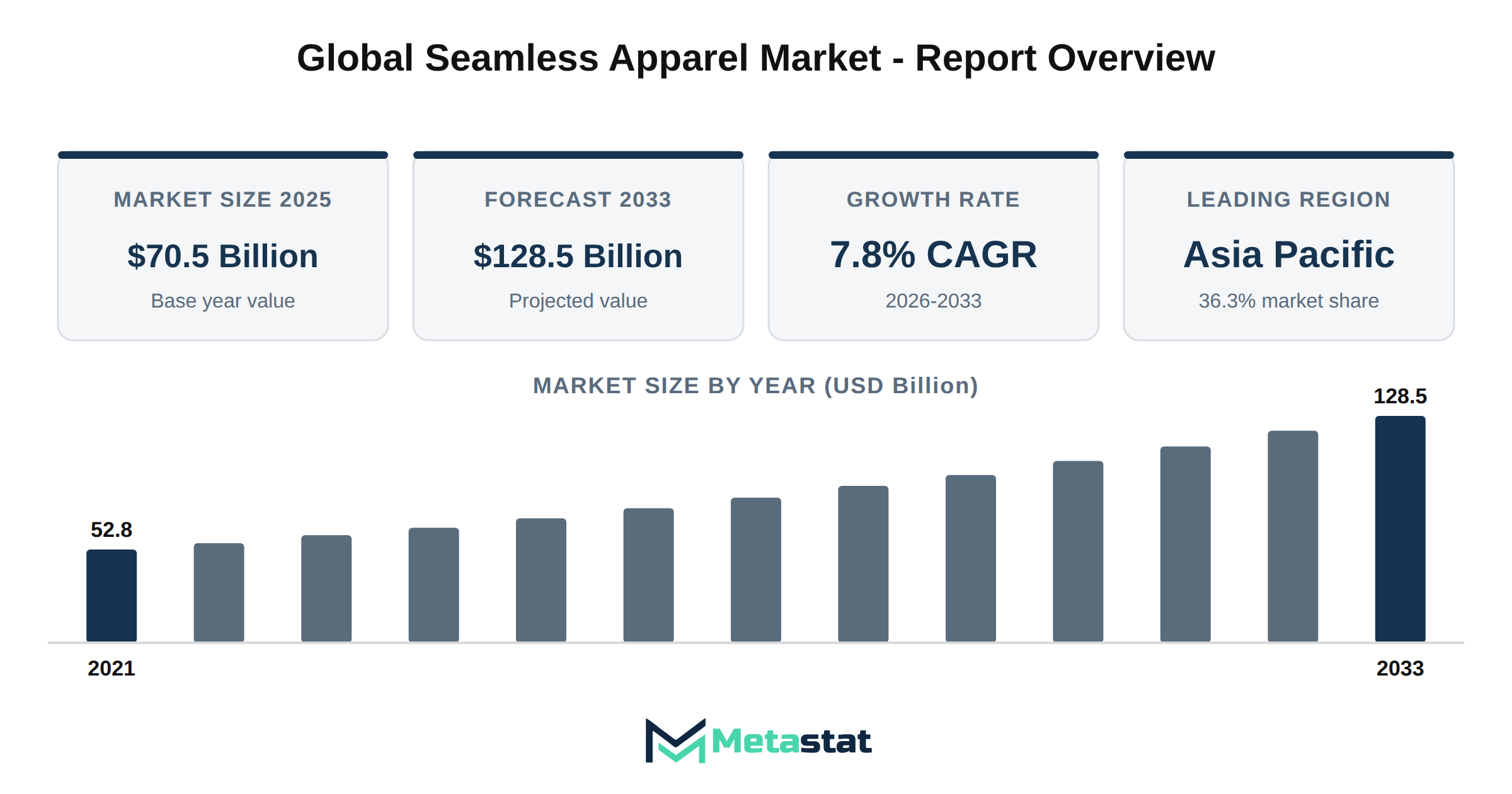
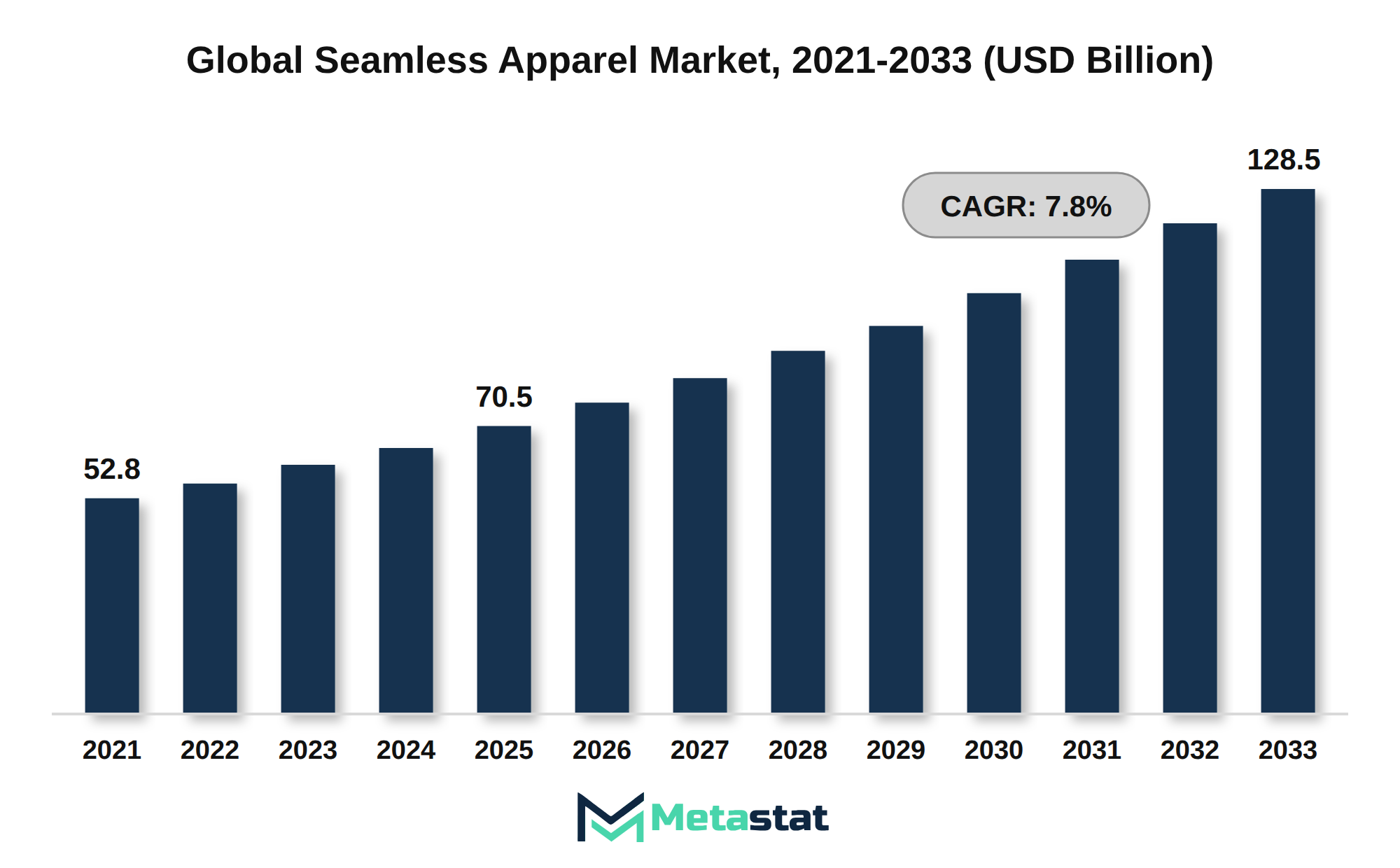
Market Size 2021
USD 52.8 Billion
Historical
Market Size 2025
USD 70.5 Billion
Base year
Market Size 2033
USD 128.5 Billion
Forecast
CAGR 2025-2033
7.8%
Forecast period
Report Details
Comprehensive Market Analysis And Insights
Market Overview
The global Seamless Apparel market was valued at USD 70.5 billion in 2025 and is projected to reach USD 128.5 billion by 2033, growing at a CAGR of 7.8% over the forecast period.
Market dynamics and trends in the Seamless Apparel Market
Apparel Market Insights and Trends
In 2025, the Apparel market is valued at USD 70.5 billion, with a projected growth trajectory leading to USD 128.5 billion by 2033. This growth represents a compound annual growth rate (CAGR) of 7.8% during the forecast period of 2026 to 2033. North America holds a significant share of 27.8% in 2025, with the United States expected to lead the market share in 2026. The market's expansion is supported by increasing consumer demand for comfortable and versatile clothing options, driving innovation and investment in manufacturing technologies.
The market dynamics are influenced by various factors, including regulatory compliance, evolving standards, and geopolitical risk frameworks. The apparel sector faces disruptions that necessitate agile adaptations. Research and development trajectories focus on next-generation innovations, sustainable transformations, and the principles of decarbonization and circular economy dynamics. The supply chain remains critical, with logistics architecture and sourcing strategies evolving to meet changing market demands.
Market Dynamics and Innovation in Apparel
The Apparel market experiences significant momentum driven by advancements in manufacturing technology and shifting consumer preferences toward comfort and functionality. Regulatory compliance and adherence to industry standards are critical as producers navigate the complexities of international markets. Geopolitical risk frameworks influence sourcing strategies, particularly in regions with heightened trade tensions.
Research and development trajectories indicate a strong focus on next-generation innovations that promote sustainability. This includes decarbonization initiatives and the adoption of circular economy dynamics, which are becoming critical for brand positioning and consumer trust. Companies are increasingly investing in sustainable materials and production methods to meet environmental standards and consumer expectations.
The supply chain continues to evolve, with a shift towards more localized sourcing and logistics architecture aimed at enhancing efficiency. Strategic capital allocation and infrastructure investments are essential for maintaining competitive advantage, especially amid macroeconomic headwinds such as inflationary pressures and currency volatility. These factors necessitate a keen understanding of operational realities, including CapEx and OpEx management. Future strategic outlooks for the Apparel market emphasize the importance of corporate imperatives in aligning business operations with emerging consumer trends. High-value recommendations for industry players focus on enhancing customer journey dynamics through personalized marketing strategies and product innovations. Competitive benchmarking against leading market players informs strategic decisions and positions companies for sustained growth in this dynamic market environment.
Market Dynamics
Shifting consumer preferences toward comfort and sustainability
The apparel market experiences growth driven by shifting consumer preferences that increasingly prioritize comfort and sustainability. Modern consumers exhibit a strong inclination towards clothing that offers both functional benefits and environmental accountability. This trend aligns with lifestyle changes characterized by a greater emphasis on wellness and self-care, leading to heightened demand for activewear and intimate apparel.
As consumers seek versatile and comfortable clothing options, the market for activewear is projected to grow significantly, achieving a compound annual growth rate of 9.2% through 2033. This segment's expansion reflects an evolving interest in apparel that accommodates various activities while ensuring comfort. In addition, the shapewear and compression garments category is set for notable growth, driven by consumer interest in products that enhance body confidence without sacrificing comfort.
Sustainability remains a critical driver, as the growing awareness of environmental issues encourages consumers to select brands that demonstrate commitment to ethical practices. Apparel, often produced with less material waste and energy consumption compared to traditional garment manufacturing, appeals to eco-conscious consumers. This shift is anticipated to enhance market opportunities for players dedicated to sustainable production methods.
Overall, the combination of comfort, versatility, and sustainability in apparel aligns with contemporary consumer behaviors, establishing a solid foundation for the market's growth. The apparel market is positioned to capitalize on these trends while meeting the evolving preferences of the modern wearer.
Consumer behavior shifts toward health and wellness
The apparel market experiences growth driven by an increasing focus on health and wellness among consumers. This trend is evident as individuals seek apparel that not only offers comfort and promotes an active lifestyle. The demand for activewear and sportswear is gaining traction, with projected growth reaching USD 0.045 billion by 2033, reflecting a compound annual growth rate (CAGR) of 9.2%. This segment's rise is supported by a broader demographic that prioritizes fitness and well-being, leading to higher consumption of performance-oriented apparel.
Urbanization and lifestyle changes are further influencing consumer preferences, as more individuals reside in metropolitan areas where health and fitness options are abundantly available. The aging population is a significant factor, as older consumers increasingly prioritize mobility and ease of wear, driving demand for underwear and intimate apparel, expected to grow from USD 0.0254 billion in 2026 to USD 0.0399 billion by 2033, with a CAGR of 6.6%. This demographic shift reinforces the importance of designs that cater to comfort while accommodating various body types.
Overall, the emphasis on health, fitness, and comfort positions the apparel market as a key player in the evolving landscape of consumer goods, aligning with the values and lifestyles of contemporary buyers. The market's expansion reflects the ongoing adaptation to consumer-driven demands, which ensures sustained growth during the forecast period from 2026 to 2033.
Inflationary pressures are hindering market expansion
Inflationary pressures significantly impact the apparel market, leading to increased costs for materials, production, and distribution. Rising prices of raw materials, coupled with heightened operational expenses, create hurdles for manufacturers aiming to maintain competitive pricing. As a result, producers will face challenges in passing these costs onto consumers, potentially affecting demand.
The inflationary environment will restrains consumer spending power, leading to cautious purchasing decisions. This trend particularly influences lower-priced segments within the market, as budget-conscious consumers prioritize essential items over premium apparel products. Such dynamics contribute to a slowing growth trajectory amid rising production costs and fluctuating consumer demand.
Additionally, inflation can lead to uncertainty in the supply chain, causing delays and disruptions that further complicate market operations. Manufacturers will encounter difficulties in sourcing materials at consistent prices, which can create inefficiencies and impact overall market performance. Addressing these inflationary challenges is essential for sustaining growth within the apparel market.
Geopolitical fragmentation and trade deficits challenge growth
Geopolitical fragmentation significantly impacts the apparel market, disrupting supply chains and increasing operational uncertainties. Trade deficits further complicate sourcing, hindering manufacturers' ability to procure materials efficiently and driving up costs. Tariff friction between nations constrains market access, prompting producers to navigate a complex web of regulations that can inhibit expansion efforts.
Technological disruptions is emerged as a challenge, as advancements in production techniques require continuous adaptation. Companies face pressures related to interoperability among different manufacturing technologies, which can lead to integration difficulties. The volatility of feedstock and component availability exacerbates these issues, forcing firms to contend with fluctuating input costs.
Logistical disruptions continue to affect the market, particularly in the wake of recent global events that have highlighted vulnerabilities in transportation networks. Supply chain instability complicates inventory management and fulfillment processes, further straining operational capacities. These challenges are compounded by tightening global regulatory standards and compliance overhead, which increase the complexity of product development and market entry.
Pricing compression acts as another barrier to growth, as manufacturers struggle to maintain profit margins amid rising input costs. Workforce skill gaps and talent retention pressures create additional hurdles, affecting the ability to implement advanced manufacturing processes effectively. Environmental lifecycle footprints and sustainability demands are increasingly prominent, requiring companies to invest in eco-friendly practices without compromising productivity.
Infrastructure gaps and retrofitting barriers present significant challenges for businesses aiming to modernize operations. Implementation bottlenecks arise during the transition to more sustainable production methods, causing delays and increasing costs. Intellectual property protection deficits and cybersecurity risks pose ongoing threats, heightening vulnerabilities in a competitive environment. These factors collectively shape the market dynamics, highlighting the complexities faced by industry participants in the apparel market.
The apparel market is poised for substantial growth, largely fueled by emerging regional demands that prioritize comfort and functionality. In the Asia Pacific region, increasing disposable incomes and changing lifestyles contribute to a heightened demand for apparel, particularly among younger consumers who value both style and performance in their clothing.
Infrastructure modernization efforts in various countries enhance the production capabilities of apparel manufacturers, allowing for more efficient and cost-effective production methods. This modernization supports the market's ability to meet rising consumer expectations regarding quality and sustainability.
Technological disruptions play a significant role in shaping the market landscape. Innovations in manufacturing techniques, such as circular knitting and bonding, improve product performance while reducing waste, aligning with sustainability imperatives. The push for eco-friendly practices is further reinforced by ESG-driven alignments, prompting brands to adopt greener solutions in their production processes.
Digital transformation trends are reshaping the purchasing landscape, as more consumers engage in digital procurement shifts, favoring online platforms for their apparel needs. This trend is coupled with evolving buying behaviors that prioritize convenience and accessibility, ultimately benefiting the apparel market.
Strategic consolidation through cross-industry mergers and acquisitions offers significant opportunities for market players. These initiatives enable companies to expand their product offerings and reach new customer segments, further diversifying the market landscape.
As the apparel market continues to evolve, asset life-cycle extensions, maintenance upgrades, and retrofitting dynamics become crucial for organizations looking to optimize their operations. Value-chain optimization strategies will enhance operational yield maximization, positioning firms to capitalize on the growing demand for products. With a projected market value of USD 128.5 billion by 2033, the apparel sector presents significant opportunities for growth and innovation.
Market Segmentation Analysis
The Global Seamless Apparel market is segmented based on Product Type, Manufacturing Technology, Material, and End User.
By Product Type, the market is further segmented into:
Seamless Underwear and Intimate Apparel
Seamless Activewear and Sportswear
Seamless Shapewear and Compression Garments
Seamless Base Layers and Thermal Wear
Others
Seamless Underwear and Intimate Apparel
Valued at USD 25.4 billion in 2026, the underwear and intimate apparel segment is expected to reach USD 39.9 billion by 2033, representing a compound annual growth rate (CAGR) of 6.6% during the forecast period. This growth stems from several primary demand drivers, including the increasing preference for comfort and functionality in intimate apparel, which aligns with evolving consumer lifestyle needs. Adoption rates benefit from innovative designs and the integration of advanced materials that enhance fit and feel.
Segment expansion is driven by technological maturation in manufacturing techniques, allowing for improved production efficiency and product quality. Next-gen upgrades, such as moisture-wicking fabrics and eco-friendly materials, continue to attract environmentally conscious consumers. The evolution of underwear and intimate apparel reflects changing end-use dynamics, with rising demand among women and increasing acceptance of similar products among men.
Consumption shifts towards more casual and comfortable clothing, accelerated by the global pandemic, significantly influence market trends. Regulatory compliance standards and certifications, focusing on safety and material quality, play a crucial role in maintaining consumer trust. Cost structures are impacted by raw material sourcing challenges and pricing volatility, influencing margins and overall profitability in the market.
Supply chain resilience remains vital for ensuring the availability of materials and timely delivery to consumers. Substitution risks arise from alternative intimate apparel options, but the unique benefits of these products mitigate this threat. Disruptive alternatives continue to emerge, prompting manufacturers to innovate and differentiate their offerings. Strategic opportunity windows exist, particularly in untapped markets and segments, providing avenues for investment and growth.
Overall, the underwear and intimate apparel segment is well-positioned for sustainable growth within the broader apparel market, supported by ongoing consumer demand and a focus on technological advancements.
Seamless Activewear and Sportswear
Growth in the Activewear and Sportswear segment is driven by increasing consumer awareness regarding fitness and health. This trend leads to a higher demand for activewear that combines comfort, functionality, and style. The segment is estimated to reach USD 45 billion by 2033, at a CAGR of 9.2% during the forecast period.
Technological advancements enhance product performance, with innovations such as moisture-wicking fabrics and advanced construction techniques improving comfort for users. The adoption of sustainable materials further supports segment growth, appealing to environmentally conscious consumers. Product evolution focuses on versatility, catering to various end-use applications, including gym workouts and casual outings.
Consumer consumption patterns shift towards athleisure, where activewear is worn outside of traditional workout settings. This trend increases demand across demographics, particularly among younger generations who value style and functionality. Regulatory compliance and certifications related to textile safety and environmental impact shape product offerings in the market.
Margin pressures arise from rising raw material costs and pricing volatility, which can impact profitability.
Navigating industry challenges requires businesses to maintain competitive pricing. Directing strategic investments into R&D and marketing campaigns secures greater market share. This proactive approach perfectly aligns with evolving consumer preferences in highly competitive markets. The market remains resilient despite potential supply chain vulnerabilities. Companies are encouraged to strengthen their supply chains and focus on sustainability to mitigate risks associated with raw material sourcing. The activewear segment is well-positioned for significant growth as lifestyle shifts continue to favor comfortable and stylish clothing.
Seamless Shapewear and Compression Garments
Shapewear and compression garments are increasing in popularity due to rising consumer awareness regarding health and fitness. This segment focuses on products designed to enhance physical appearance and provide support during physical activities. The growing trend of athleisure has further increased the adoption of shapewear, making these products essential items in modern wardrobes.
Technological advancements play a significant role in segment expansion. Innovations in manufacturing processes, such as circular knitting and bonding, have improved garment fit and comfort while reducing production costs. The development of next-generation fabrics that offer moisture-wicking, breathability, and durability aligns with consumer demand for high-performance apparel.
Market dynamics reflect a shift in consumer preferences toward multifunctional apparel, driving significant demand for shapewear and compression garments. The segment is expected to reach USD 23.8 billion by 2033, indicating a strong growth trajectory. Increased participation in fitness activities, coupled with a rise in body positivity movements, contributes to heightened consumption of these garments.
Regulatory compliance standards and certifications related to fabric safety and environmental sustainability are becoming increasingly important. Brands are investing in sustainable practices to align their products with consumer values, enhancing their market positioning and brand loyalty. Margins will experience pressure due to fluctuations in raw material pricing, necessitating strategic pricing strategies to maintain profitability.
The apparel market reflects a strong capital investment outlook, as companies seek opportunities to innovate and expand their product lines. Brands that effectively leverage emerging trends and consumer preferences are likely to capture significant market share, creating strategic opportunities for growth.
Seamless Base Layers and Thermal Wear
Growth in base layers and thermal wear aligns with the increasing demand for functional apparel that provides comfort and warmth across various climates. This segment is projected to grow at a CAGR of 6.6% during the forecast period. Consumer preferences shift towards multipurpose garments that cater to both active and leisurely lifestyles, driving the need for enhanced thermal wear that offers moisture-wicking and insulation properties.
Technological advancements in fabric development contribute to the segment's expansion. Innovations in material science, particularly the use of advanced synthetic blends, improve performance characteristics such as breathability and durability. The integration of next-generation technologies, such as bonding techniques, enhances the fit and minimizes chafing, appealing to fitness enthusiasts and outdoor adventurers alike.
Regulatory compliance standards, including certifications for environmental sustainability and safety, influence product offerings in the market. As consumers become more conscious of eco-friendly choices, brands adopting sustainable practices gain a competitive edge. The market adapts to these changes by incorporating recycled materials and eco-friendly production methods, which appeal well to environmentally aware consumers.
Price volatility in raw materials, particularly petroleum-based products, poses challenges for manufacturers. Fluctuations in cost structures impact pricing strategies and profit margins. To mitigate these pressures, companies within the apparel market are optimizing their supply chains and exploring alternative sourcing strategies, ensuring resilience against market fluctuations.
Strategic opportunity windows arise as brands capitalize on the growing trend of athleisure wear, which blurs the lines between active and casual apparel. This shift promotes the adoption of base layers and thermal wear, appealing to a broader consumer base seeking versatility in their wardrobes. Increased investments in marketing and product development further enhance the segment's growth trajectory within the apparel market.
Others
Demand for products in the Others sub-segment of the apparel market is influenced by a diverse range of factors. Trends in consumer preferences highlight a growing interest in unique and innovative designs, pushing manufacturers to diversify their offerings beyond traditional categories. This segment often caters to niche markets, where specialized products can command a premium due to their distinct features and functionalities.
Technological advancements play a crucial role in segment expansion, enabling the introduction of new materials and manufacturing processes that appeal to consumers seeking high-quality, performance-oriented apparel. Increased awareness of sustainability issues drives demand for eco-friendly materials and ethical production practices within this sub-segment.
End-use dynamics indicate a shift in consumer behavior, with a growing number of individuals seeking versatile, stylish options suitable for various occasions. This trend enhances the relevance of the Others sub-segment, as brands focus on creating multifunctional apparel that meets the evolving needs of modern consumers.
Regulatory compliance and certification requirements are critical, as brands navigate challenges related to sustainability and quality assurance. Companies that prioritize compliance will find themselves better positioned to capture market share within the Others sub-segment.
Overall, the Others sub-segment reflects a changing environment within the apparel market, characterized by innovation, shifting consumer preferences, and a strong focus on quality and sustainability. The continued evolution of this segment will likely present strategic opportunities for brands willing to adapt to emerging trends and consumer demands.
By Manufacturing Technology, the market is further segmented into:
Circular Seamless Knitting
Seamless Bonding and Heat-Sealing
Whole-Garment Flat Knitting
Warp-Knit Seamless Construction
Others
Circular Seamless Knitting
Circular Knitting is a crucial manufacturing technology in the Apparel market, contributing significantly to market growth. Valued at USD 34.6 billion in 2026, the segment is projected to reach USD 55.3 billion by 2033, reflecting a compound annual growth rate (CAGR) of 6.9%. This growth stems from primary demand drivers such as increasing consumer preference for comfort and functionality in clothing. The segment's expansion is fueled by advancements in knitting technology that enhance production efficiency and product quality.
Technological maturation has led to next-generation upgrades in machinery and materials, which result in innovative product designs and improved performance characteristics. The evolution of products, particularly in activewear and athleisure, supports downstream applications across various demographics. Changing consumption patterns indicate a shift towards performance-oriented apparel, further increasing demand for circular knitted products.
Regulatory compliance standards and certifications play a role in shaping production processes and material sourcing strategies. Cost structures within the segment remain influenced by pricing volatility of raw materials, which can affect profit margins. Continuous investment in research and development is essential to address substitution risks posed by alternative manufacturing techniques and materials.
Strategic opportunity windows arise from rising consumer awareness regarding sustainable fashion, prompting manufacturers to invest in eco-friendly materials and production methods. The capital investment outlook for this segment remains positive, as companies seek to leverage innovation to gain competitive advantages in the market.
Seamless Bonding and Heat-Sealing
Market growth within the Bonding and Heat-Sealing segment is driven by the increasing demand for lightweight and high-performance apparel. Consumers are shifting towards designs that offer both comfort and style while ensuring durability and flexibility. The segment is projected to reach USD 28.9 billion by 2033, at a CAGR of 9.8% during the forecast period.
Technological advancements play a crucial role in driving adoption rates, with manufacturers increasingly implementing innovative bonding techniques to enhance product quality. This segment benefits from the ongoing evolution in manufacturing processes, leading to improved efficiency and reduced waste. As brands focus on sustainability and eco-friendly practices, the demand for bonding methods will likely increase, further driving market expansion.
Product evolution within this segment includes the introduction of new textiles and adhesives that improve performance characteristics. The bond and heat-sealing technologies contribute to the creation of garments that maintain shape and structure while providing a second-skin feel. This appeals to consumers looking for both functionality and aesthetic appeal. End-use dynamics reflect a growing interest in apparel for diverse applications, including activewear, undergarments, and casual wear.
Compliance with regulatory standards and certifications is integral to the segment's success. Brands are required to adhere to quality and safety regulations, impacting cost structures and pricing strategies. Margins will face pressure due to fluctuating raw material costs. However, investment in high-quality materials can mitigate risks associated with pricing volatility.
Strategic opportunities for industry players include exploring white-space analysis within niche segments, allowing them to capitalize on emerging trends and consumer preferences. The apparel market continues to evolve, positioning itself as a key area for capital investment and growth, especially in light of the rising interest in sustainable fashion.
Whole-Garment Flat Knitting
Investment in Whole-Garment Flat Knitting technology continues to grow, with the segment expected to reach USD 21.9 billion by 2033. Demand drivers for this segment include the increasing preference for designs without traditional seams among consumers, which leads to enhanced comfort and improved fit. Adoption rates are rising as manufacturers seek to differentiate their products through innovative design and production techniques. Factors such as technological maturation and next-gen upgrades play a significant role in propelling this segment forward, with advancements leading to greater efficiency and reduced production costs.
Product evolution within the Whole-Garment Flat Knitting segment emphasizes versatility and functionality, enabling applications across various end-use dynamics. As the apparel market experiences shifts in consumption patterns, manufacturers are responding with products that cater to both performance and aesthetic preferences. Regulatory compliance standards related to sustainability and material usage increasingly influence production practices, prompting manufacturers to align with eco-friendly initiatives.
Cost structures in this segment face pressures from raw material sourcing and pricing volatility, which can impact margins. Supply chain resilience remains vital, particularly as manufacturers navigate potential disruptions and substitution risks. The emergence of disruptive alternatives presents both challenges and strategic opportunity windows for companies investing in Whole-Garment Flat Knitting. Capital investment outlook remains optimistic as stakeholders recognize the potential for substantial growth within this segment of the market.
Warp-Knit Seamless Construction
Anticipated growth in the Warp-Knit Construction segment indicates a promising trajectory, projected to expand at a CAGR of 6.7% during the forecast period. This growth stems from increasing consumer demand for innovative apparel solutions that prioritize comfort and functionality. As knit technology matures, enhancements in fabric technology and design capabilities fuel the segment's expansion, allowing manufacturers to deliver higher-quality, aesthetically appealing products.
Technological advancements play a crucial role in this segment, enabling next-generation upgrades that improve production efficiency and product performance. Downstream applications increasingly align with athletic and leisurewear, reflecting shifts in consumer preferences toward versatile clothing suitable for both exercise and everyday wear. Regulatory compliance standards and certifications around sustainable materials further drive market growth, as brands seek to meet consumer expectations for eco-friendly products.
Cost structures within warp-knit construction benefit from innovations in raw material sourcing and manufacturing processes, potentially mitigating pricing volatility and margin pressures. Supply chain resilience remains critical as producers navigate potential disruptions in logistics and raw material availability. Emerging substitute materials and competitive alternatives, while present, have not significantly hindered the growth of warp-knit technologies, which continue to evolve and adapt to market demands.
Strategic opportunity windows exist for brands to capitalize on consumer trends favoring knit apparel, enhancing their positioning within the broader Apparel market. Investment in research and development will likely yield significant returns, driving product evolution and ensuring market players remain competitive in an increasingly dynamic environment.
Others
Demand factors for the Others sub-segment of the Seamless Apparel market remain influenced by evolving consumer preferences and lifestyle changes. The segment is characterized by innovation and diversification, driven by niche applications that appeal to specific consumer needs. Adoption of this sub-segment is fueled by the increasing trend of personalized and customized apparel, which caters to individual tastes and promotes brand loyalty.
Segment expansion is supported by advancements in manufacturing technologies, allowing for greater flexibility and efficiency in production. This adaptability enhances the incorporation of unique designs and materials, further improving product offerings within the segment. Regulatory compliance and certifications play a role in ensuring quality and safety standards are met, which is crucial for maintaining consumer trust and confidence.
Consumption shifts towards casual and athleisure wear will benefit this sub-segment, as consumers seek versatile options suitable for various activities. Cost structures remain a critical consideration, with pricing volatility impacting profitability amid rising raw material costs. Margin pressures are evident as brands strive to offer competitive pricing while maintaining quality.
Strategic opportunity windows emerge for new entrants and established players looking to innovate within the Others sub-segment. The relationship between traditional manufacturing methods and emerging technologies continues to shape the market, providing avenues for growth and differentiation. Evaluating these dynamics will be essential for stakeholders aiming to capitalize on market trends and consumer demands in the Seamless Apparel market.
By Material, the market is further segmented into:
Polyamide/Nylon Blends
Polyester Blends
Cotton Blends
Modal, Viscose and Other Cellulosic Blends
Others
Polyamide/Nylon Blends
Valued at USD 27.9 billion in 2026, the Polyamide/Nylon Blends segment is projected to reach USD 45.1 billion by 2033, exhibiting a compound annual growth rate (CAGR) of 7.1% during the forecast period. Primary demand drivers for polyamide and nylon blends include their superior durability, elasticity, and lightweight properties, making them ideal for apparel applications. Increased consumer preference for comfortable and flexible clothing further stimulates market growth.
Technological maturation and adoption of advanced manufacturing methods contribute significantly to segment expansion. Enhanced production techniques enable manufacturers to create innovative designs that cater to diverse consumer needs. Next-generation upgrades and product evolution, such as moisture-wicking and breathable fabrics, have increased the appeal of polyamide and nylon blends in performance-oriented activewear.
End-use dynamics indicate a strong preference for polyamide and nylon blends among both men and women, particularly in the activewear and sportswear segments. Shifts in consumer behavior towards health and fitness drive demand for functional apparel, which significantly influences the segment's growth trajectory. Regulatory compliance standards regarding material safety and environmental impact further shape market dynamics, encouraging the use of sustainable polyamide sourcing practices.
Cost structures within the segment remain sensitive to pricing volatility in raw materials, which can affect profit margins. Strong supply chain resilience and strategic partnerships with raw material suppliers mitigate potential disruptions. The ongoing focus on sustainability leads to substitution risks, where brands will explore alternative materials to meet eco-conscious consumer demands.
With a capital investment outlook aligned with technological advancements, market players are strategically positioned to capitalize on white-space analysis and identify emerging trends. The Polyamide/Nylon Blends segment in the apparel market demonstrates significant growth potential driven by innovation, consumer preferences, and strategic investment, affirming its critical role in the overall market.
Polyester Blends
Robust demand for polyester blends in the apparel market is driven by their versatility and performance characteristics. These materials exhibit excellent moisture-wicking properties, durability, and resistance to wrinkling, which enhance consumer appeal across multiple applications. As lifestyle trends shift towards athleisure and casual wear, the adoption of polyester blends has accelerated, reflecting a growing preference among consumers for functional yet stylish clothing.
Segment expansion is supported by advancements in textile technology, which have improved the quality and sustainability of polyester blends. Innovations such as recycled polyester options provide eco-conscious consumers with viable choices, aligning with the industry's shift towards sustainable practices. The market for polyester blends is estimated to reach USD 40.5 billion by 2033, at a CAGR of 8.8% during the forecast period.
End-use dynamics indicate strong demand from the activewear and sportswear sectors, where polyester blends are increasingly used for their lightweight and breathable qualities. Competitive pricing and availability of raw materials further support this segment's growth, as manufacturers explore cost-effective production methods without sacrificing quality. The trend towards customized and personalized apparel solutions will enhances the appeal of polyester blends, making them a preferred choice for brands aiming to differentiate themselves in a crowded market.
Cotton Blends
Increasing consumer preference for natural fibers drives the growth of the Cotton Blends segment within the apparel market. The demand for comfortable and breathable clothing aligns with lifestyle trends emphasizing casual wear. This trend is particularly prominent among consumers seeking versatility in their wardrobes, as cotton blends offer both durability and comfort. Product innovation focused on enhancing moisture-wicking properties and soft textures has propelled adoption rates, making these fabrics favorable for various applications.
Technological advancements in manufacturing processes contribute to segment expansion by improving the quality and performance of cotton blends. Enhanced knitting technologies allow for the creation of garments that provide better fit and comfort while reducing fabric waste. Sustainability concerns heighten the appeal of cotton blends, as consumers gravitate towards eco-friendly materials. This growing awareness emphasizes the importance of sourcing practices and certifications that promote responsible production methods.
Market estimates suggest that the Cotton Blends segment is expected to reach USD 19.9 billion by 2033. Pricing volatility remains a concern, influenced by fluctuations in raw material costs and global supply chain dynamics. These factors will exert pressure on margins, compelling manufacturers to adopt strategies that optimize production efficiency without compromising quality.
Ongoing shifts in consumer preferences highlight the significance of adapting product offerings to meet changing demands. The end-use dynamics reflect a diverse range of applications, including activewear, casual wear, and intimate apparel, each with unique characteristics that appeal to specific consumer segments. By capitalizing on strategic opportunity windows, companies can better position themselves to leverage growth potential in the Cotton Blends segment of the market.
Modal, Viscose and Other Cellulosic Blends
Growth in the Modal, Viscose and Other Cellulosic Blends segment is supported by increasing consumer preferences for sustainable and comfortable fabrics. The eco-friendly nature of cellulosic blends appeals to environmentally conscious buyers, driving adoption across various clothing categories in the apparel market. This segment is projected to grow at a CAGR of 8.9% during the forecast period, reflecting a strong shift towards sustainable materials.
Technological advancements facilitate the production of high-quality blends that combine the benefits of modal and viscose with other materials, enhancing performance characteristics such as softness, breathability, and moisture-wicking properties. Consequently, brands are increasingly incorporating these blends into their product lines to meet consumer demands.
Shifts in consumption patterns, with a growing focus on athleisure and casual wear, underpin the rise in demand for apparel made from modal, viscose, and other cellulosic blends. The segment's alignment with current fashion trends positions it favorably for future growth.
Regulatory compliance regarding sustainable materials further fuels this segment's expansion, as manufacturers aim to meet standards and certifications that promote environmental responsibility. Consequently, brands that leverage these materials can enhance their market positioning within the apparel market.
Others
Market demands for the Others sub-segment within the apparel market are influenced by various factors, including changing consumer preferences and the need for innovative fabric technologies. Adoption of sustainable materials and eco-friendly production processes has become significant, as consumers increasingly prioritize environmentally responsible products.
Technological maturation presents opportunities for the Others segment, with advancements in materials enhancing performance characteristics such as breathability, moisture-wicking, and durability. This evolution has led to the introduction of niche products that cater to specific consumer needs, broadening the market's appeal.
Downstream applications in active and leisure wear have expanded, resulting in increased consumption across diverse demographics. Younger consumers are particularly enthusiastic about fitness and fashion. Regulatory compliance standards regarding textile production continue to shape product development, compelling manufacturers to invest in certifications that meet consumer and industry expectations.
Cost structures and pricing volatility remain critical considerations as raw material sourcing fluctuates. Manufacturers face margin pressures due to rising costs associated with sustainable practices and advanced manufacturing technologies. Strategic opportunity windows exist for players that can effectively balance these cost dynamics while delivering high-quality products.
Substitution risks associated with alternative materials are relevant to this segment, as competing textile technologies evolve. Maintaining a competitive edge necessitates ongoing capital investment in research and development, enabling companies to stay ahead of disruptive alternatives. This landscape of constant innovation and consumer-driven shifts positions the Others segment as a vital component of the apparel market.
By End User, the market is further segmented into:
Women
Men
Children
Women
Valued at USD 46.1 billion in 2026, the Women segment of the apparel market is projected to reach USD 75.2 billion by 2033, reflecting a CAGR of 7.3% during the forecast period. Primary demand drivers for women's apparel comprise evolving fashion trends, increased health awareness, and the rising popularity of athleisure wear. The blend of comfort and style in these garments appeals to modern consumers, enhancing product adoption.
Segment expansion catalysts include technological maturation in manufacturing processes, such as circular knitting and bonding technologies. These advancements facilitate the creation of lightweight, breathable fabrics that meet the diverse needs of women across various activities, from casual wear to high-performance sportswear. The growing trend of personalized and customized apparel presents strategic opportunity windows for brands targeting female consumers.
Consumption shifts are visible as women become more conscious of their clothing choices, seeking versatile, durable, and stylish options. This inclination aligns with increased spending on premium products as consumers prioritize quality over quantity. Regulatory compliance standards and certifications related to sustainability to impact purchasing decisions, prompting brands to adopt eco-friendly practices in production.
Cost structures and pricing volatility are important considerations in this segment, with manufacturers facing margin pressures due to rising raw material costs. Strategic investments in technology and supply chain resilience aim to mitigate these challenges. The Women segment's evolution appears strong, reflecting a growing commitment to innovation and consumer-centric approaches, positioning it favorably for sustained growth in the apparel market.
Men
Anticipated growth in the Men segment of the Apparel market reflects increasing consumer preferences for versatile and comfortable clothing options. This segment is projected to reach USD 42.4 billion by 2033, at a CAGR of 8.5% during the forecast period. Key demand drivers include a rise in health consciousness, leading to greater adoption of activewear and sportswear among men. Innovations in fabric technologies, such as moisture-wicking and stretchable materials, enhance product performance and comfort, further stimulating market expansion.
Segment expansion is influenced by societal shifts toward casual and athleisure styles, which have gained popularity across various demographics. Next-generation upgrades in knitting technology enable manufacturers to create garments with improved fit and durability. Product evolution focuses on integrated functionalities, including compression and support features, appealing to fitness enthusiasts and everyday consumers alike.
Consumption shifts towards eco-friendly materials also shape the market, as consumers become more environmentally conscious. Regulatory compliance related to textile safety and sustainability standards drives manufacturers to innovate and adapt their offerings. Cost structures in the apparel sector are affected by fluctuating raw material prices, particularly for synthetic blends, necessitating strategic pricing to maintain margins.
Market players are actively seeking strategic opportunity windows through collaborations and partnerships to enhance their product portfolios and market reach. A robust supply chain resilience framework is essential to mitigate risks associated with raw material sourcing and production disruptions. Overall, the Men segment of the Apparel market is positioned for substantial growth, driven by evolving consumer preferences and technological advancements.
Children
Increasing demand for comfortable and functional clothing drives growth in the children segment of the apparel market. Parents prioritize high-quality, durable materials that withstand wear and provide comfort for active children. As awareness of sustainable practices rises, the use of eco-friendly materials in children's apparel is gaining momentum, attracting environmentally conscious consumers. Companies are innovating with new designs and technologies to enhance the appeal of children's apparel, contributing to segment expansion.
The expected market value for the children segment is USD 10.9 billion by 2033, reflecting a growing interest in options that offer both style and practicality. Advancements in manufacturing technologies, such as circular knitting, lead to increased production efficiencies and better product quality. This evolution not only meets the evolving tastes of consumers and allows brands to cater to the specific needs of children, reinforcing the importance of this segment within the broader apparel market.
By Region
Based on geography, the Global Seamless Apparel market is divided into North America, Europe, Asia-Pacific, South America, Middle East, and Africa.
North America
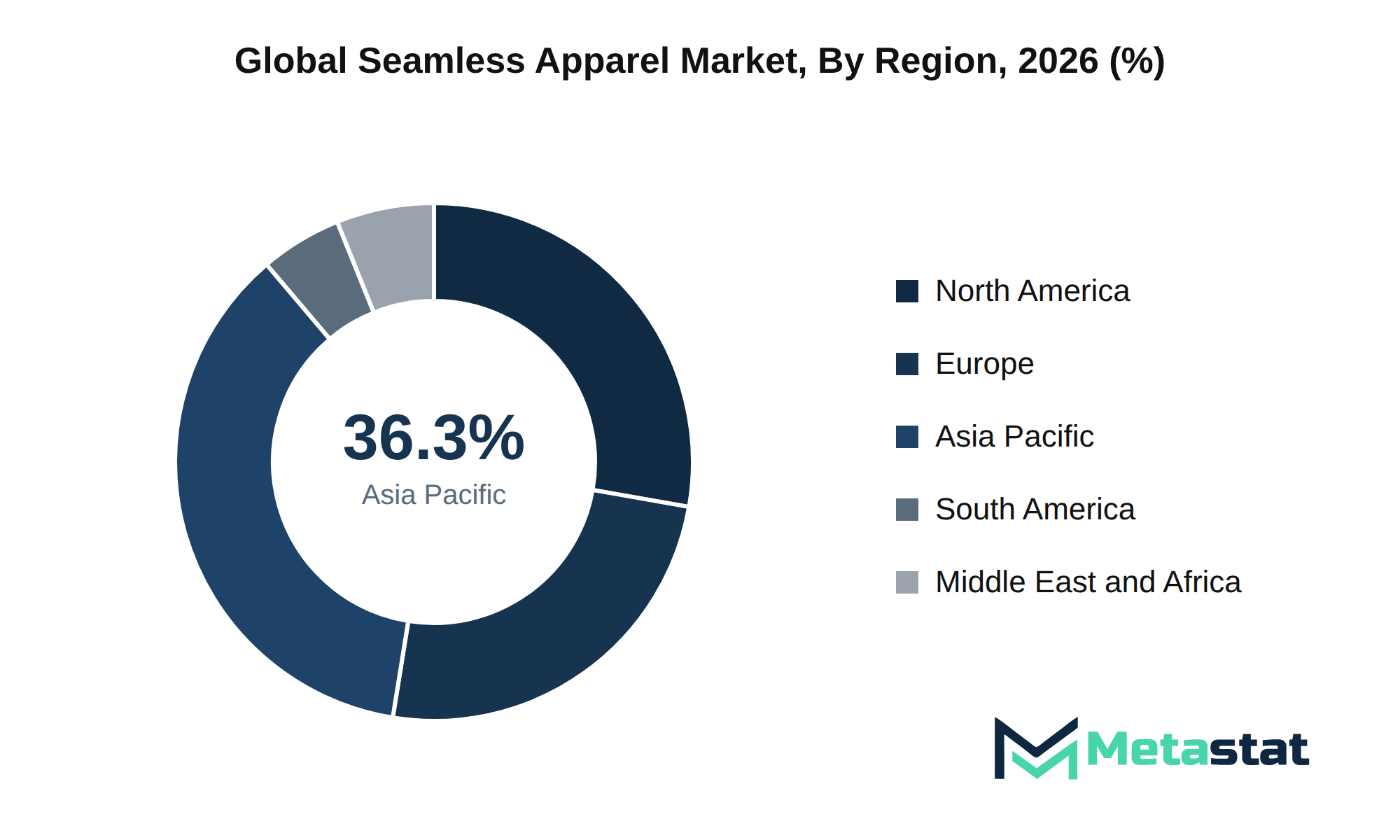
North America is positioned as a significant player in the apparel market, accounting for 27.8% of the global market share in 2025. This region is projected to expand at a CAGR of 7.8% throughout the forecast period, aiming for a total market size of USD 33.4 billion by the end of 2033.
Key drivers for market growth include increasing consumer demand for comfortable and functional clothing, particularly in the United States, Canada, and Mexico. The trend toward athleisure and activewear has gained momentum, leading to higher adoption rates of activewear and sportswear. Emerging market front-runners in this sector are establishing localized manufacturing facilities to meet the growing demand efficiently.
Regional dynamics reflect a mature market characterized by high-value replacement cycles. Consumers demonstrate a preference for underwear and intimate apparel, which is expected to show steady growth. The presence of established domestic market leaders enhances competitive landscapes, facilitating the expansion of innovative product offerings.
The region's supply chain regionalization and nearshoring initiatives have contributed to localized manufacturing densities, streamlining production processes. This strategic approach enables brands to respond swiftly to market trends and consumer demands, strengthening their positions within the market.
North America's apparel market will continue to evolve, driven by a combination of cultural nuances, regional procurement dynamics, and a focus on sustainability. As brands adapt to changing consumer preferences, the market will likely experience further segmentation and diversification, reinforcing its importance in the global apparel sector.
Europe
Europe holds a significant share of the global apparel market. Germany, France, the UK, Italy, and Spain represent key players in the regional market, driving demand through various segments such as underwear and activewear.
The region benefits from strong consumer preferences for comfort and functionality in apparel, which fuels the growth of these offerings. Infrastructure modernization and increasing investments in localized manufacturing have enhanced production capabilities, catering to the rising demand for apparel. Countries like Germany and the UK lead in adopting innovative technologies, with a notable focus on high-quality materials and innovative designs.
Emerging market front-runners within Europe, particularly in the apparel sector, highlight the importance of regional dynamics. Domestic market leaders, including well-established brands, are creating competitive landscapes through vendor consolidation trends and strategic partnerships. Compliance with local regulations and cultural nuances in the B2B buying behavior also play a crucial role in shaping market growth and resource allocation.
As the market evolves, incremental growth vectors driven by high-value replacement cycles and expanding consumer awareness are expected to contribute to the overall expansion. The region's competitive environment will likely see intensified activity as companies adapt to changing consumer preferences and technological advancements within the apparel sector.
Asia-Pacific
The Asia-Pacific region commands a significant share of the global market, estimated at 36.3% in 2025. This substantial market presence is driven by increasing demand for form-fitting apparel across various segments, particularly in countries such as China, Japan, India, South Korea, and Australia.
China remains the front-runner in the form-fitting apparel market, propelled by its robust manufacturing capabilities and a growing consumer base that favors innovative apparel solutions. Japan's advanced textile technology contributes to a strong demand for high-quality form-fitting garments. India's expanding middle class shifts towards more functional and comfortable clothing options.
South Korea exhibits a trend towards activewear and sportswear, reflecting the country's dynamic lifestyle and fitness culture. The Southeast Asia region is witnessing a rise in disposable income, facilitating greater investment in form-fitting apparel. The Rest of Asia Pacific is characterized by underpenetrated markets, presenting opportunities for growth through targeted marketing and localized manufacturing strategies.
Emerging market front-runners focus on infrastructure modernization and localized manufacturing densities, which enhance supply chain efficiency. The region's competitive environment features both domestic market leaders and global brands, with an emphasis on vendor consolidation trends to maximize market share.
Strategic entry barriers and favorable foreign direct investment flows further support the expansion of the form-fitting apparel sector in Asia-Pacific. Regional resource availability and energy grid resiliency play crucial roles in supporting manufacturing processes, ensuring that the market can meet growing consumer demand effectively.
South America
The South America region is experiencing a growing interest in seamless clothing among consumers. Brazil and Argentina lead the market, driven by rising urbanization and an increasing preference for comfort and functionality in clothing. Emerging market front-runners like Brazil demonstrate significant adoption rates, supported by a growing middle class seeking modern apparel solutions.
Infrastructure modernization is essential, facilitating the expansion of retail channels and improving distribution networks. The market benefits from localized manufacturing densities, which cater to regional preferences and help reduce lead times. Cultural nuances influence B2B buying behaviors, with domestic market leaders adapting offerings to connect with local consumers.
Regional competitive landscapes show a mix of established brands and newer entrants, encouraging healthy competition and innovation. Companies are increasingly focusing on strategic entry barriers and foreign direct investment flows to enhance their market positions. The seamless clothing market in South America is poised for incremental growth, driven by domestic demand and the appeal of innovative manufacturing techniques.
Middle East and Africa
The apparel market in the Middle East and Africa is poised for growth, with a projected share of the global market in 2025. The region benefits from increasing demand driven by evolving consumer preferences for comfortable and functional clothing. Countries like Saudi Arabia and the UAE are emerging as front-runners, supported by infrastructure modernization and a growing middle class that is more inclined to invest in high-quality apparel.
In South Africa, a shift towards localized manufacturing is taking shape, enhancing the supply chain and reducing dependency on imports. This trend enables quicker turnaround times for retailers and manufacturers, thus increasing competitiveness in the market. Emerging brands in the Rest of Middle East and Africa are also contributing to the market dynamics by catering to local tastes and preferences, thereby expanding segment opportunities.
Adoption rates for apparel are expected to rise, particularly in activewear and sportswear segments. This increase correlates with a greater emphasis on health and fitness within consumer lifestyles. Manufacturers are likely to capitalize on this trend by focusing on innovative materials and eco-friendly production methods, aligning with broader sustainability goals.
Regional competitive landscapes indicate a consolidation trend, where domestic players are seeking strategic partnerships with global brands to enhance their market position. This collaboration is expected to enable knowledge transfer and best practices, ultimately benefiting the apparel market in the region.
Competitive Landscape and Strategic Insights
Competitive Landscape and Strategic Insights
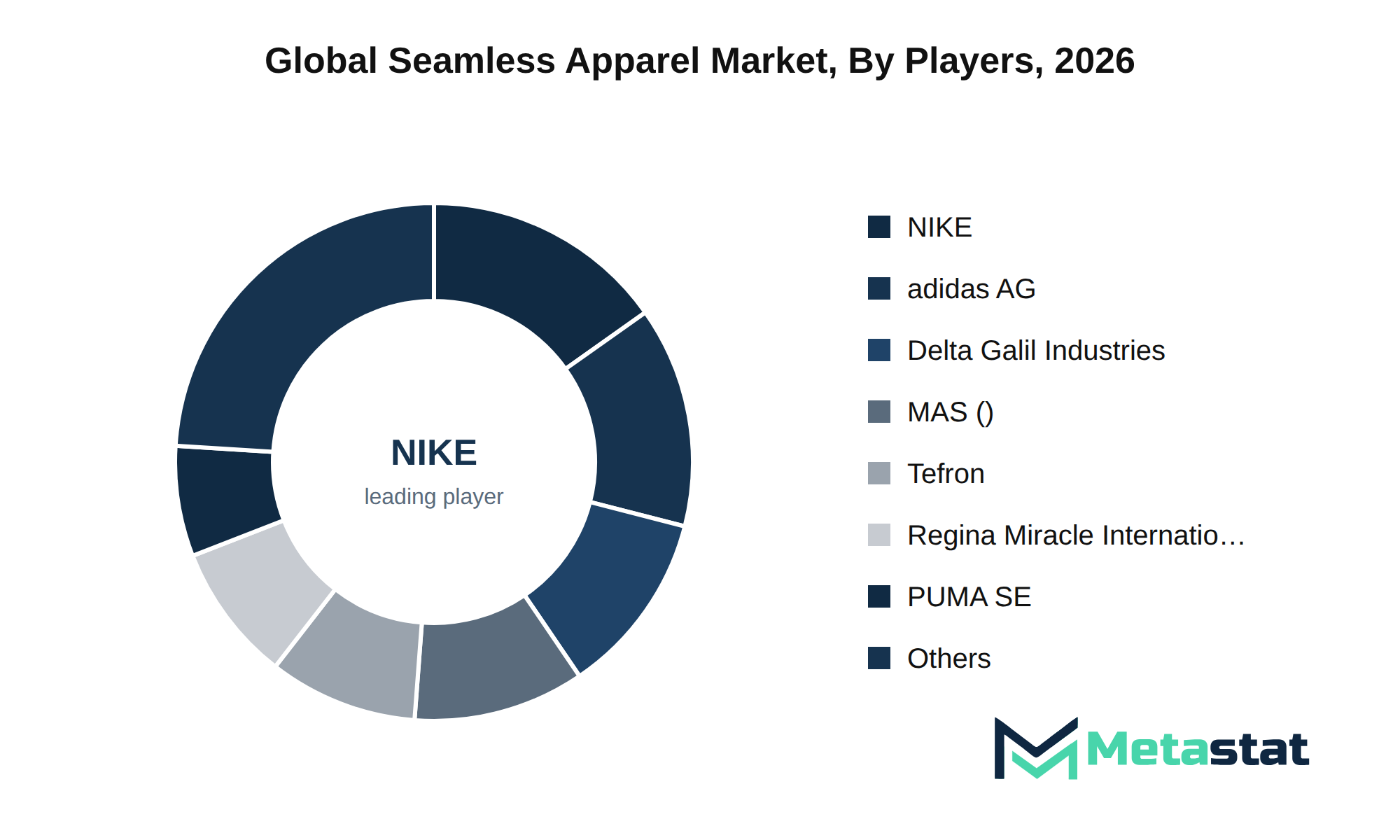
The apparel market exhibits various strategic dynamics among key players that influence competitive positioning and growth trajectories. Major companies engage in strategic consolidation through mergers and acquisitions, which facilitate expanded market share and enhanced technological capabilities. Market leaders such as NIKE, Inc., adidas AG, and Under Armour, Inc. leverage their established brand equity to maintain customer retention and adapt to changing consumer preferences.
Product differentiation remains crucial, with firms focusing their R&D pipelines on innovative manufacturing technologies such as bonding and heat-sealing. This technological advancement contributes to superior product offerings in categories like activewear and sportswear. Furthermore, apparel producers are forming strategic alliances and partnerships to fortify their market presence and integrate value chains effectively.
Future Competitive Outlook
In the evolving landscape of the apparel market, barriers to entry and the threat of new entrants play significant roles in shaping market dynamics. Established players, including Tefron Ltd. and MAS Holdings (Pvt) Ltd., draw on their extensive experience and intellectual property portfolios to create technological moats, thereby enhancing their competitive defensibility. The future outlook indicates a continuous focus on innovation in product development, supply chain dominance, and strategic growth vectors as companies navigate the complexities of market expansion and consumer demands.
Forecast and Future Outlook
The Seamless Apparel market is projected to experience significant growth, with the market size forecast to rise from USD 70.5 billion in 2025 to over USD 128.5 billion by 2033, reflecting a compound annual growth rate (CAGR) of 7.8%. This growth trajectory indicates strong demand driven by evolving consumer preferences and advancements in manufacturing technologies.
In the base case, the market will achieve steady expansion, supported by a strong focus on sustainability and innovation in product offerings. The bull case suggests even higher growth potential, driven by breakthroughs in next-generation technologies and significant investment in research and development. The bear case highlights risks stemming from economic downturns or significant shifts in regulatory frameworks that could impede growth.
Key factors influencing this outlook include macroeconomic conditions, downstream demand fluctuations, and emerging consumption trends. Geopolitical realignments and evolving trade corridors are expected to shape the market landscape, creating new business opportunities. Strategic capital allocation and infrastructure investments will further enhance market resilience and adaptability.
The environment of the Seamless Apparel market will continue to evolve as companies adapt to consumer needs and market dynamics. Future growth recommendations emphasize the importance of innovation, compliance with regulatory changes, and agility in responding to market demands. Companies that strategically navigate these developments will position themselves favorably in the competitive environment.
The report strategically identifies and profiles the key market players and analyses their core competencies in each sub-segment of the Seamless Apparel market.
Report Attributes
Details
Study Period
2021-2033
Base Year
2025
Estimated Year
2026
Forecast Period
2026-2033
Historical Period
2021-2025
Growth Rate
CAGR 7.8% from 2026 to 2033
Revenue Unit
USD billion
Sales Volume Unit
Thousand Units
Segmentation
By Product Type, Manufacturing Technology, Material, End User, and Region
By Region
North America (By Product Type, Manufacturing Technology, Material, End User, and Country)
United States
Canada
Mexico
Europe (By Product Type, Manufacturing Technology, Material, End User, and Country)
Germany
France
UK
Italy
Spain
Russia
Rest of the Europe
Asia Pacific (By Product Type, Manufacturing Technology, Material, End User, and Country)
China
Japan
India
South Korea
Australia
Southeast Asia
Rest of Asia Pacific
South America (By Product Type, Manufacturing Technology, Material, End User, and Country)
Brazil
Argentina
Rest of South America
Middle East and Africa (By Product Type, Manufacturing Technology, Material, End User, and Country)
Find answers to common questions about this report
The Metastat Insights study indicates that the Seamless Apparel market size was valued at USD 70.5 billion in 2025.
The Seamless Apparel market is projected to grow at a CAGR of 7.8% during the forecast period from 2026 to 2033.
According to Metastat Insights analysis, the North America Seamless Apparel market size is projected to reach USD 33.4 billion by 2033.
The Activewear and Sportswear segment leads the Seamless Apparel market, projected to reach USD 45 billion by 2033. This segment exhibits the highest growth potential within the market.
Key drivers for the Seamless Apparel market include shifting consumer preferences towards comfort and sustainability, along with a growing focus on health and wellness. Increased demand for seamless activewear and intimate apparel reflects these trends, supported by urbanization and an aging population prioritizing mobility and ease of wear.
Inflationary pressures and geopolitical fragmentation significantly restrain the Seamless Apparel market growth. Rising material and operational costs challenge manufacturers in maintaining competitive pricing, while supply chain disruptions complicate sourcing and inventory management. These factors lead to cautious consumer spending and hinder market expansion.
The Seamless Apparel market benefits from shifting consumer preferences prioritizing comfort and sustainability. Increased demand for seamless activewear and intimate apparel reflects a focus on wellness, versatility, and eco-conscious production methods, driving growth in this sector.
The Seamless Apparel market is estimated to reach a valuation of USD 128.5 billion by 2033.
Key players in the Seamless Apparel market include Tefron Ltd., Delta Galil Industries Ltd., Regina Miracle International (Holdings) Limited, MAS Holdings (Pvt) Ltd., NIKE, Inc., adidas AG, PUMA SE, and lululemon athletica inc.
The demand for seamless activewear is driven by a growing focus on health and wellness, with consumers seeking comfortable and versatile clothing options that support an active lifestyle.
Australia Cat Litter Market Size, Share, Trends, 2033
Australia Cat Litter market size is valued at USD 361.1 million in 2025 and is projected to reach USD 671.8 million in 2033, at a CAGR of 7.3% from 2026 to 2033
Australia Cat Litter Market, Australia Cat Litter Market Size, Australia Cat Litter Market Share, Australia Cat Litter Market Analysis, Australia Cat Litter Market Growth, Australia Cat Litter Market Trends, Australia Cat Litter Market Research Report, Australia Cat Litter Market Forecast, Australia Cat Litter, Australia Cat Litter Market Research, Australia Cat Litter Industry, Australia Cat Litter Industry Report, Australia Cat Litter Market Data, Australia Cat Litter Statistics, Australia Cat Litter Market Statistics, Australia Cat Litter Industry Trends, Australia Cat Litter Market Report, Australia Cat Litter Market Trends, Australia Cat Litter Market News, Australia Cat Litter Forecasts, Australia Cat Litter Market Intelligence Report
India Naruto Merchandise Market Size, Share, Trends, 2033
India Naruto Merchandise market size is valued at USD 25.3 million in 2025 and is projected to reach USD 61.8 million in 2033, at a CAGR of 11.8% from 2026 to 2033.
India Naruto Merchandise Market, India Naruto Merchandise Market Size, India Naruto Merchandise Market Share, India Naruto Merchandise Market Analysis, India Naruto Merchandise Market Growth, India Naruto Merchandise Market Trends, India Naruto Merchandise Market Research Report, India Naruto Merchandise Market Forecast, India Naruto Merchandise, India Naruto Merchandise Market Research, India Naruto Merchandise Industry, India Naruto Merchandise Industry Report, India Naruto Merchandise Market Data, India Naruto Merchandise Statistics, India Naruto Merchandise Market Statistics, India Naruto Merchandise Industry Trends, India Naruto Merchandise Market Report, India Naruto Merchandise Market Trends, India Naruto Merchandise Market News, India Naruto Merchandise Forecasts, India Naruto Merchandise Market Intelligence Report
UK Pilates Reformer Market Size, Share, Trends, 2033
UK Pilates Reformer market size is valued at USD 141.1 million in 2025 and is projected to reach USD 260.3 million in 2033, at a CAGR of 7.5% from 2026 to 2033.
UK Pilates Reformer Market, UK Pilates Reformer Market Size, UK Pilates Reformer Market Share, UK Pilates Reformer Market Analysis, UK Pilates Reformer Market Growth, UK Pilates Reformer Market Trends, UK Pilates Reformer Market Research Report, UK Pilates Reformer Market Forecast, UK Pilates Reformer, UK Pilates Reformer Market Research, UK Pilates Reformer Industry, UK Pilates Reformer Industry Report, UK Pilates Reformer Market Data, UK Pilates Reformer Statistics, UK Pilates Reformer Market Statistics, UK Pilates Reformer Industry Trends, UK Pilates Reformer Market Report, UK Pilates Reformer Market Trends, UK Pilates Reformer Market News, UK Pilates Reformer Forecasts, UK Pilates Reformer Market Intelligence Report
Global Lab-Grown Diamond Jewelry market size is valued at USD 14.01 billion in 2025 and is projected to reach USD 34.68 billion in 2033, at a CAGR of 12.0% from 2026 to 2033
Global Lab-Grown Diamond Jewelry Market, Global Lab-Grown Diamond Jewelry Market Size, Global Lab-Grown Diamond Jewelry Market Share, Global Lab-Grown Diamond Jewelry Market Analysis, Global Lab-Grown Diamond Jewelry Market Growth, Global Lab-Grown Diamond Jewelry Market Trends, Global Lab-Grown Diamond Jewelry Market Research Report, Global Lab-Grown Diamond Jewelry Market Forecast, Global Lab-Grown Diamond Jewelry, Global Lab-Grown Diamond Jewelry Market Research, Global Lab-Grown Diamond Jewelry Industry, Global Lab-Grown Diamond Jewelry Industry Report, Global Lab-Grown Diamond Jewelry Market Data, Global Lab-Grown Diamond Jewelry Statistics, Global Lab-Grown Diamond Jewelry Market Statistics, Global Lab-Grown Diamond Jewelry Industry Trends, Global Lab-Grown Diamond Jewelry Market Report, Global Lab-Grown Diamond Jewelry Market Trends, Global Lab-Grown Diamond Jewelry Market News, Global Lab-Grown Diamond Jewelry Forecasts, Global Lab-Grown Diamond Jewelry Market Intelligence Report