Global Fluid Management Systems Market Size, Share, By Product (Fluid Management Systems, Disposables and Consumables), By Application (Arthroscopy, Laparoscopy, Urology and Nephrology, Cardiology, Gynecology/Obstetrics, Gastroenterology, Others), By End-Users (Hospitals, Dialysis Centers, Ambulatory Surgical Centers and Other End Users), Industry Analysis, Growth, Trends, and Forecast, 2026-2033
Report ID
MSI-4882
Published
August 8, 2026
Pages
263 Pages
Format
Market Size 2021
USD 8.4 Billion
Historical
Market Size 2025
USD 13.5 Billion
Base year
Market Size 2033
USD 35.9 Billion
Forecast
CAGR 2025-2033
13.0%
Forecast period
Report Details
Comprehensive Market Analysis And Insights
Market Overview
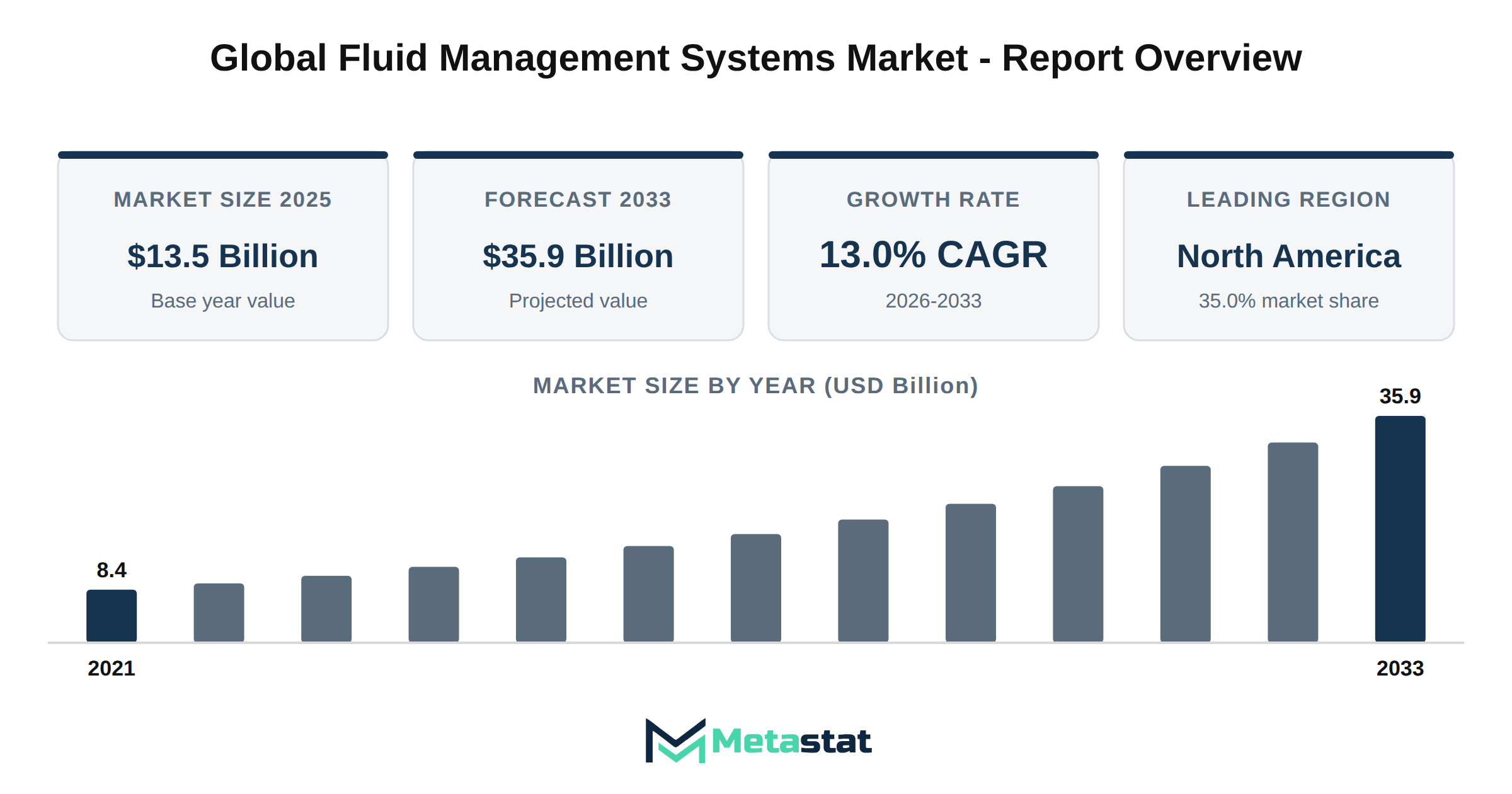
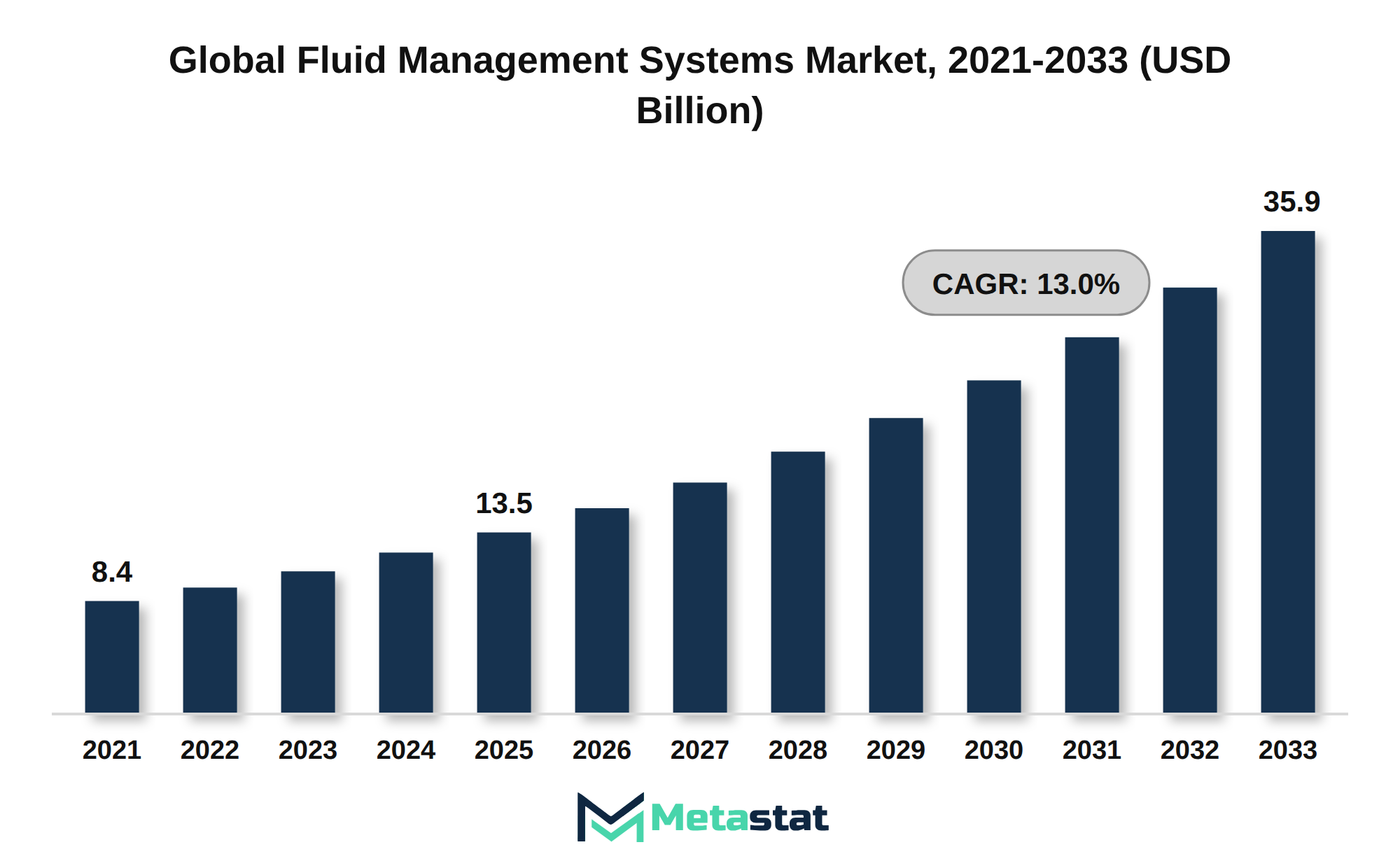
The global Fluid Management Systems market was valued at USD 13.5 billion in 2025 and is projected to reach USD 35.9 billion by 2033, growing at a CAGR of 13.0% over the forecast period.
The Fluid Management Systems market is positioned for significant growth, evolving from USD 13.5 billion in 2025 to an anticipated USD 35.9 billion by 2033. This trajectory reflects a compound annual growth rate (CAGR) of 13%. Historical data indicates a steady increase in market value, beginning at USD 8.4 billion in 2021 and reaching USD 12 billion by 2024, establishing a robust foundation for future expansion.
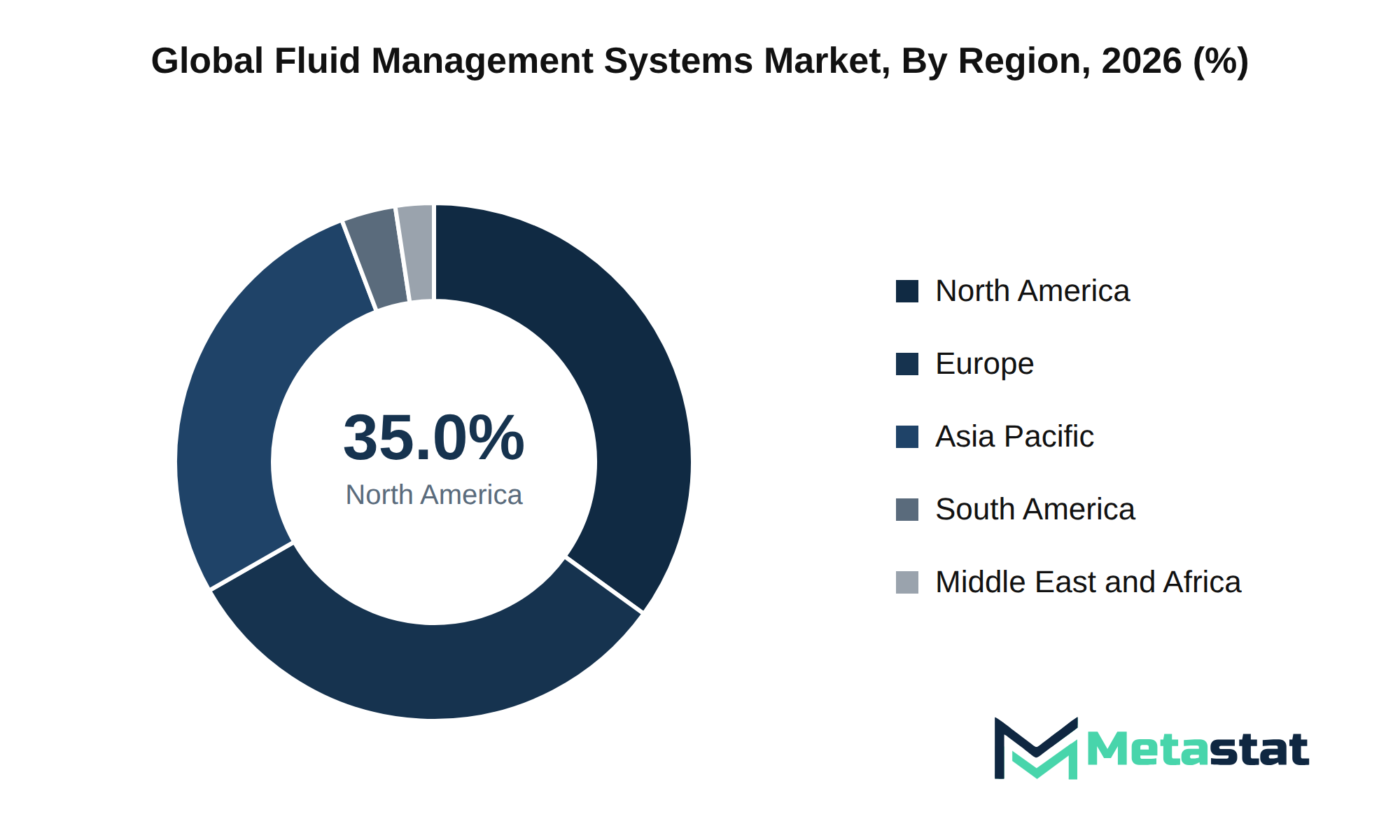
Regional dynamics exhibit varied contributions, with North America holding the largest share at 35%. Europe follows closely, accounting for 31.8% of the market, while the Asia Pacific region represents 27.5%. Smaller shares from South America and the Middle East and Africa stand at 3.4% and 2.4%, respectively. Projections for 2033 indicate North America maintains its leading position, with a market value of USD 12.7 billion and a CAGR of 13% throughout the forecast period.
The Fluid Management Systems market undergoes significant transformation driven by various factors, including regulatory compliance, evolving standards, and geopolitical risks. These elements influence product development and market strategies, compelling companies to adapt to changing requirements. Regulatory frameworks increasingly focus on safety and efficacy, impacting the design and manufacturing processes across multiple segments.
Investment in research and development (R&D) has accelerated, with organizations prioritizing next-generation innovations. This trend enhances operational efficiency and product performance, aligning with customer expectations in sectors including healthcare and manufacturing. The growing emphasis on sustainable transformation and decarbonization further shapes the competitive landscape, prompting firms to integrate environmentally friendly practices into their operations.
Supply chain dynamics remain a critical area of focus, with logistical architecture and sourcing strategies evolving to meet demand fluctuations and geopolitical challenges. Companies adopt diversified sourcing strategies to mitigate risks associated with supply chain disruptions. These shifts facilitate greater resilience and flexibility within the market.
Market fragmentation presents both challenges and opportunities, driven by numerous players vying for market share. M&A dynamics contribute to consolidation, enhancing competitiveness and innovation capabilities. Value chain optimization becomes essential for maximizing efficiency, enabling organizations to streamline operations and reduce costs.
Capital allocation reflects a strategic approach to infrastructure investments, emphasizing the importance of balancing capital expenditures (CapEx) and operational expenditures (OpEx). This dual focus supports long-term growth objectives while addressing macroeconomic headwinds, inflationary pressures, and currency volatility that impact profitability.
The future strategic outlook of the Fluid Management Systems market highlights the necessity for companies to remain agile and responsive to market changes. Corporate imperatives center on innovation, compliance, and sustainability, guiding decision-making processes that shape the trajectory of the industry. High-value recommendations emphasize proactive strategies to enhance market positioning and capitalize on emerging trends.
Market Dynamics
Economic conditions drive fluid management systems growth
Increasing focus on economic factors significantly influences the Fluid Management Systems market. Economic growth, characterized by rising GDPs in various regions, stimulates capital investments across multiple sectors, including healthcare. Higher public-private spending power leads to increased demand for efficient fluid management solutions to optimize operational productivity and cost efficiency.
Digital transformation and technological integration further enhance market dynamics. Adoption of automation, artificial intelligence, and software solutions improves legacy processes, increasing the efficiency of fluid management systems. These advancements appeal to various end-users, including hospitals and surgical centers, enhancing patient care and operational effectiveness.
Shifting demographic patterns significantly impact market demand. An aging population and evolving consumer behaviors create a sustained need for advanced fluid management solutions, particularly in medical applications including urology and cardiology. The healthcare sector's emphasis on improving patient outcomes drives investment in innovative fluid management technologies.
Overall, these macro-economic factors, combined with technological advancements and demographic shifts, position the Fluid Management Systems market for significant expansion through 2033, with a projected value of USD 35.9 billion. This growth trajectory indicates strong opportunities for stakeholders across the industry.
Infrastructure development drives increased demand
Investment in infrastructure development significantly influences the Fluid Management Systems market. Upgrading physical and digital capabilities across healthcare facilities enhances operational efficiency and patient care quality. Governments and private sectors prioritize infrastructure initiatives, resulting in increased public and private spending on medical facilities and technologies.
The focus on modernizing healthcare assets encourages the adoption of advanced fluid management systems. These systems contribute to better resource management, compliance with safety standards, and improved patient outcomes. Key sectors benefiting from these developments include hospitals, dialysis centers, and ambulatory surgical centers, which rely on efficient fluid management for surgical and medical procedures.
While investments continue, the market is projected to grow from USD 13.5 billion in 2025 to USD 35.9 billion by 2033, reflecting a compound annual growth rate of 13 percent. This growth results from increased capacity and modernization initiatives, which drive demand for innovative fluid management solutions.
Regulatory challenges hinder fluid management systems
Regulatory tightening presents significant challenges for the Fluid Management Systems market. Stricter compliance requirements impose additional burdens on manufacturers, leading to increased operational costs and potential delays in product development. These stringent measures necessitate extensive documentation and testing, deterring new entrants and slowing innovation within the market.
Macroeconomic headwinds play a considerable role in constraining market growth. Factors including inflationary pressures and global supply chain disruptions escalate costs for manufacturers, impacting pricing strategies and profitability. These challenges particularly affect smaller companies with limited resources, hindering their ability to compete effectively.
Rising capital investment requirements present a significant restraint. The need for advanced technologies and infrastructure upgrades requires substantial financial commitments, deterring investment in the market. Companies operating in the Fluid Management Systems sector struggle to allocate resources for both innovation and compliance, resulting in slower adoption of new solutions.
Market fragmentation complicates competitive dynamics. Numerous players offer various products, establishing a strong market position becomes increasingly difficult. This fragmentation leads to intense competition, suppressing profitability and discouraging investment in research and development.
Finally, skilled labor shortages present an ongoing challenge. The complexity of fluid management systems requires highly trained personnel, and gaps in available talent limit operational efficiency and stifle growth. Companies in the market navigate these workforce challenges while striving to maintain high standards of quality and service.
Geopolitical fragmentation impacts supply chains
Geopolitical fragmentation presents significant challenges for the Fluid Management Systems market, affecting supply chain stability and increasing operational costs. Trade uncertainties and tariff friction among nations contribute to difficulties in securing reliable sources for critical components and raw materials, leading to increased volatility in pricing. Fluctuations in feedstock availability further complicate the supply landscape, influencing production timelines for manufacturers.
Technological disruptions, including rapid advancements in automation and digital transformation, create gaps in workforce skills necessary for adapting to new systems. Talent retention pressures compound the issue, resulting from skilled labor scarcity attributed to competition among industry players. Organizations face mounting operational overheads associated with compliance and evolving legal liabilities, which further constrain financial resources available for investment in innovation.
Environmental lifecycle footprints and decarbonization mandates drive heightened scrutiny on manufacturing processes, requiring significant adjustments in operational frameworks. Companies in the market navigate these stringent requirements while balancing the demands of sustainability and efficiency. Implementation bottlenecks related to infrastructure gaps hinder the ability to adopt new technologies, which slows the market's growth trajectory.
Finally, changing downstream demands and market saturation exert additional pressure on companies operating within the Fluid Management Systems market. Suppliers confront substitution pressures from alternative solutions, compelling them to innovate continuously to maintain competitive positioning. These factors collectively shape a complex market where strategic agility and resilience become essential for capturing growth opportunities.
Emerging technologies drive fluid management systems growth
The Fluid Management Systems market experiences significant opportunities due to emerging technologies that enhance efficiency and effectiveness across various applications. Technological disruptions, particularly in automation and data analytics, facilitate the optimization of fluid management processes, leading to improved operational yields. Industries including healthcare and manufacturing increasingly adopt these systems, resulting in heightened demand for advanced solutions.
Geographical expansion contributes to market growth, with regions including Asia Pacific and South America showing increasing investments in healthcare infrastructure. This trend reflects a broader shift towards modernizing facilities and adopting innovative fluid management solutions. Consequently, stakeholders in these regions benefit from enhanced service delivery and operational efficiency.
Sustainability imperatives drive the market towards eco-friendly solutions, emphasizing the importance of green transformations in product development. Manufacturers align their offerings with environmental, social, and governance (ESG) objectives, leading to products that not only fulfill operational needs but minimize environmental impact. This alignment attracts various end-users, including hospitals and surgical centers, that prioritize sustainability in their procurement processes.
The fluid management systems market sees growth through strategic consolidation and cross-industry mergers, which enhance product integration and diversified service offerings. These strategic shifts create a more robust competitive landscape, enabling firms to respond effectively to evolving customer demands and preferences.
Digital transformation significantly influences buying behaviors, driven by procurement shifts towards online platforms and automated solutions. This evolution supports efficiency in purchasing processes, allowing buyers to access a wider range of products and services tailored to their needs. Market participants experience increased sales opportunities and streamlined operations.
Market Segmentation Analysis
The Global Fluid Management Systems market is segmented based on Product, Application, and End-Users.
By Product, the market is further segmented into:
Fluid Management Systems
Disposables and Consumables
Fluid Management Systems
Valued at USD 9.4 billion in 2026, the Fluid Management Systems segment is projected to reach USD 21.7 billion by 2033, reflecting a CAGR of 12.6% during the forecast period. Key demand drivers include the rise in surgical procedures and advancements in minimally invasive techniques, leading to increased adoption of fluid management systems across various medical applications. Growth in healthcare infrastructure, particularly in emerging markets, supports the expansion of this segment owing to hospitals and surgical centers investing in modern equipment to enhance patient outcomes.
The technological maturation of fluid management systems contributes substantially to market dynamics. Innovations including integrated systems that combine fluid management with monitoring capabilities enhance operational efficiency and improve patient safety. Regulatory compliance standards continue to influence product development, pushing manufacturers to meet stringent requirements and invest in certifications that ensure quality and safety. These factors lead to increased costs but create opportunities for suppliers to differentiate their products in a competitive market.
End-use dynamics indicate a significant shift towards outpatient settings, including ambulatory surgical centers, where fluid management systems become essential for efficient patient care. The consumption patterns show a strong preference for equipment that enhances usability and integrates seamlessly with existing medical systems. Strategic opportunity windows arise from ongoing capital investments in healthcare technology, prompting companies to focus on next-generation upgrades that align with evolving clinical needs.
Supply chain resilience is crucial in maintaining the stability of the market. Fluctuations in raw material sourcing and logistics vulnerabilities impact production costs, requiring manufacturers to develop alternative sourcing strategies. Substitution risks from emerging technologies and disruptive alternatives challenge traditional fluid management solutions, compelling companies to innovate continuously. Such dynamics create a competitive landscape where established players and new entrants vie for market share in the evolving Fluid Management Systems market.
Disposables and Consumables
Growth in the Disposables and Consumables segment reflects rising demand from various healthcare applications. Factors driving this demand include an increasing patient population, advancements in medical technologies, and a heightened focus on patient safety and infection control. The segment is projected to reach USD 14.2 billion by 2033, at a CAGR of 13.6% during the forecast period. End-users including hospitals and ambulatory surgical centers rely heavily on these products for efficient fluid management, further contributing to market expansion.
Technological maturation supports the introduction of next-generation disposable products, enhancing performance and safety features. Regulatory compliance standards shape product development, ensuring that disposables and consumables meet the necessary health and safety requirements. Cost structures influence pricing strategies, with manufacturers seeking to balance quality and affordability amid pricing volatility. The segment's resilience against supply chain vulnerabilities highlights the importance of securing reliable raw material sources.
Strategic opportunity windows emerge from the ongoing evolution of products tailored to specific medical fields including urology, cardiology, and gastroenterology. Disruptive alternatives and substitution risks necessitate continuous innovation, prompting manufacturers to invest in research and development. Overall, the Disposables and Consumables segment is poised for growth within the Fluid Management Systems market, driven by robust demand and evolving healthcare needs.
By Application, the market is further segmented into:
Arthroscopy
Laparoscopy
Urology and Nephrology
Cardiology
Gynecology/Obstetrics
Gastroenterology
Others
Arthroscopy
Significant growth in the arthroscopy segment stems from the increasing incidence of joint disorders and the rising elderly population. Enhanced surgical outcomes and reduced recovery times associated with arthroscopic procedures drive this demand. Medical professionals increasingly prefer minimally invasive techniques, leading to greater adoption of fluid management systems in arthroscopy. Technological advancements, including improved visualization and instrumentation, support these shifts, enhancing procedural efficiency and patient safety.
Regulatory standards continue to influence product development, with compliance driving innovation within the market. Manufacturers prioritize creating systems that meet stringent safety regulations while advancing fluid management technologies for arthroscopic applications. These dynamics highlight strategic opportunities for companies to invest in next-generation upgrades that align with clinical needs and regulatory expectations.
Cost structures play a crucial role in shaping the market landscape, with hospitals and surgical centers evaluating expenses associated with fluid management systems. Pricing volatility impacts procurement decisions, emphasizing the need for suppliers to maintain competitive pricing strategies. Margins fluctuate based on the evolving landscape of reimbursement policies and cost-effectiveness analyses, ultimately affecting adoption rates in end-user facilities.
Supply chain resilience remains vital for the arthroscopy segment, with disruptions in raw material sourcing posing challenges for manufacturers. Ensuring reliable logistics and minimizing vulnerabilities within supply chains enhances operational efficiency in delivering fluid management systems. Companies increasingly focus on strategic partnerships to strengthen supply chain integrity, mitigating risks associated with market fluctuations.
Disruptive alternatives present challenges and opportunities within the market. Emerging technologies and innovations in fluid management systems create a competitive environment, encouraging companies to invest in research and development. The landscape of arthroscopy continues to evolve, with a growing emphasis on patient-centered solutions and enhanced procedural outcomes, reinforcing the overall growth trajectory in the Fluid Management Systems market.
Laparoscopy
Strong demand for laparoscopic procedures drives growth within the Fluid Management Systems market. Increased adoption of minimally invasive surgical techniques significantly enhances patient recovery times, leading to a preference among healthcare providers. The shift towards outpatient care models further accelerates the need for efficient fluid management systems in laparoscopic applications.
Technological maturation supports expansion in this segment. Advancements in surgical instruments and visualization technologies contribute to improved surgical outcomes, attracting more healthcare facilities to invest in laparoscopic procedures. Continuous innovations in fluid management solutions enhance procedural efficiency and patient safety, emphasizing their importance in surgical settings.
Product evolution remains essential for meeting the diverse requirements of laparoscopic surgeries. Manufacturers focus on developing advanced products tailored to specific surgical applications, which drives market growth. The integration of smart technologies into fluid management systems enhances operational capabilities and aligns with the industry's push for greater automation in surgical environments.
Regulatory compliance standards and certifications influence product adoption in this segment. Adherence to stringent safety and quality guidelines ensures that fluid management systems meet the requirements of healthcare facilities, thereby facilitating market entry for new products. Continuous evaluation and updates of regulatory frameworks impact manufacturers' strategies, driving them to innovate and enhance product offerings.
Cost structures and pricing volatility pose challenges for market participants. Fluctuations in raw material prices affect the overall cost of manufacturing fluid management systems, impacting profit margins. This situation compels manufacturers to optimize production processes and seek cost-effective sourcing strategies while maintaining high-quality standards.
The laparoscopic segment of the Fluid Management Systems market benefits from strong demand drivers, technological advancements, and product evolution. Regulatory compliance and cost considerations shape the competitive environment, presenting significant opportunities for growth and innovation in this field.
Urology and Nephrology
Growth in the Urology and Nephrology application segment stems from the increasing prevalence of urological disorders and chronic kidney diseases. Rising awareness regarding early diagnosis and treatment drives demand for advanced fluid management systems. Technological maturation in urological and nephrological practices enhances the integration of fluid management systems, leading to improved patient outcomes. Adoption of next-generation upgrades, including automated monitoring and data analytics capabilities, supports streamlined workflows and efficient resource management in healthcare settings.
End-use dynamics indicate a shift towards outpatient care settings, including dialysis centers and ambulatory surgical centers, which increases the utilization of portable and efficient fluid management solutions. Regulatory compliance standards influence product development, necessitating adherence to safety and efficacy requirements. Competitive pressures prompt manufacturers to focus on cost-effective product evolution, addressing pricing volatility and margin pressures, which ultimately affects the market landscape.
Strategic opportunity windows arise from ongoing capital investment in healthcare infrastructure, particularly in developing regions, which expands access to fluid management technologies. Supply chain resilience and effective raw material sourcing enhance the reliability of product delivery, while potential substitution risks from alternative therapies remain a consideration for stakeholders. Continuous improvements in technology combat obsolescence, ensuring that the Urology and Nephrology application segment contributes significantly to the overall growth of the Fluid Management Systems market.
Cardiology
Demand for fluid management systems in cardiology stems from the increasing prevalence of cardiovascular diseases globally. Factors including an aging population, urbanization, and lifestyle changes contribute to higher incidence rates. Hospitals and cardiac care centers prioritize advanced fluid management solutions to enhance patient outcomes, improve procedural efficiency, and reduce complication rates. Technological maturation facilitates the integration of sophisticated fluid management devices that help clinicians monitor and manage fluid balance effectively during cardiac procedures.
Segment expansion in cardiology is supported by next-generation upgrades and product evolution within fluid management systems. Innovations in sensors and smart technology enhance real-time data collection and analysis, contributing to better decision-making in patient care. Regulatory compliance standards for medical devices drive manufacturers to invest in research and development. This commitment ensures products meet safety and efficacy requirements, further building trust and adoption among healthcare providers.
Consumption shifts toward minimally invasive procedures influence the demand for fluid management systems in cardiology. Patients increasingly prefer less invasive interventions, prompting healthcare providers to adapt their practices. This trend increases the volume of procedures, creating additional opportunities for fluid management solutions in the market. Strategic opportunity windows emerge owing to companies focusing on developing tailored products for specific cardiovascular applications, promoting market growth.
Supply chain resilience remains essential for manufacturers in the cardiology segment. Challenges including raw material sourcing and logistics vulnerabilities impact production timelines and costs. Companies actively address these issues by diversifying supplier networks and implementing risk management strategies. Simultaneously, pricing volatility and margin pressures necessitate efficient operational practices to maintain competitive positioning. The cardiology segment of the fluid management systems market is poised for sustained growth driven by technological advancements and evolving healthcare demands.
Gynecology/Obstetrics
Increasing attention towards women's health significantly drives demand for fluid management systems in gynecology and obstetrics. Factors including growing awareness of women's health issues and an increase in gynecological procedures contribute to this trend. Adoption of advanced technologies in surgical procedures enhances the effectiveness of fluid management systems, ensuring better patient outcomes. The expansion of healthcare infrastructure, particularly in developing regions, presents significant opportunities for growth in this segment.
Technological maturation enhances the capabilities of fluid management systems. Innovations including automated fluid management devices streamline surgical processes, improving efficiency and precision. The evolution of products tailored for gynecology and obstetrics continues, with next-generation upgrades incorporating features that cater to specific procedural requirements. Regulatory compliance standards drive manufacturers to pursue certifications that ensure safety and efficacy, which influences purchasing decisions among healthcare providers.
End-use dynamics reflect a shift towards outpatient procedures, reducing the length of hospital stays and increasing the preference for minimally invasive techniques, which rely on effective fluid management systems. Consumption shifts towards disposable and consumable products within this segment highlight the need for practices to maintain hygiene and prevent infections. These trends result in pricing volatility and margin pressures, compelling manufacturers to optimize cost structures while maintaining quality.
Supply chain resilience becomes critical owing to fluctuations in raw material sourcing that impact the availability of fluid management systems. Logistics vulnerabilities arise from disruptions in the global supply chain, influencing product availability and delivery timelines. Strategic opportunity windows emerge for companies that innovate and adapt to changing market conditions, ensuring sustained growth in the fluid management systems market.
Gastroenterology
Growth within the gastroenterology application segment reflects increasing prevalence of gastrointestinal disorders, which drives demand for effective fluid management solutions. Advances in minimally invasive surgical techniques enhance the adoption of fluid management systems in endoscopic procedures. These innovations improve patient outcomes and reduce recovery times, attracting healthcare providers seeking operational efficiencies.
Technological maturation in fluid management devices supports the segment's expansion. Enhanced precision and reliability in equipment minimize complications during procedures, appealing to both hospitals and outpatient facilities. Evolving regulatory compliance standards prompt manufacturers to innovate and adapt products for gastroenterological applications. This dynamic spurs investment in research and development, creating a competitive market landscape.
End-use dynamics further influence product evolution in the gastroenterology segment. Shifts toward outpatient care and same-day discharge protocols enhance demand for efficient fluid management systems. Healthcare providers increasingly recognize the importance of effective fluid management in optimizing surgical outcomes while managing costs efficiently. These trends position the gastroenterology application to capitalize on upcoming market opportunities.
Regulatory compliance remains a critical factor shaping the market. Stricter guidelines regarding patient safety necessitate advancements in fluid management technology, ensuring products meet established standards. Successful navigation of these regulations provides companies a strategic opportunity to strengthen their market position. Investment in robust quality assurance processes enhances product credibility, enabling suppliers to capture a larger share of the gastroenterology segment.
Pricing volatility presents challenges, impacting profitability and strategic planning. Manufacturers continuously seek to optimize cost structures while maintaining quality standards, balancing operational expenses with market pricing pressures. Effective management of these factors will determine competitive positioning within the gastroenterology application of the fluid management systems market.
Others
Growth in the Others application segment within the Fluid Management Systems market stems from diverse fluid management requirements across various medical and industrial applications. Increasing complexity in procedures, alongside advancements in healthcare technologies, drives rising demand for efficient fluid management solutions. Adoption across non-traditional medical applications enhances market dynamics, influencing product development and innovation.
Technological maturation plays a critical role, enabling the introduction of next-generation upgrades that enhance operational efficiency and safety. Users in sectors including diagnostics and specialty therapies recognize the advantages of adopting advanced fluid management systems, which improve patient outcomes and operational efficiencies.
Consumption shifts towards more integrated and automated solutions drive the expansion of this segment. Regulatory compliance standards present a significant factor influencing product development, prompting manufacturers to innovate while adhering to stringent guidelines. An enhanced focus on certifications ensures products meet safety and quality requirements, impacting buyer confidence and market penetration.
Cost structures and pricing volatility remain key considerations, affecting margins and development strategies. Suppliers invest in optimizing supply chain resilience and raw material sourcing, addressing logistics vulnerabilities that impact market stability. Increasing competition within the Others segment encourages strategic opportunity windows, pushing firms to explore disruptive alternatives and adapt to evolving market demands.
Capital investment outlook remains positive. Stakeholders identify potential growth areas within this segment. The influx of funding supports product evolution and enhances overall market competitiveness, positioning the Fluid Management Systems market favorably for future expansion.
By End-Users, the market is further segmented into:
Hospitals
Dialysis Centers
Ambulatory Surgical Centers
Other End Users
Hospitals
Rising demand for fluid management systems in hospitals stems from the increasing number of surgical procedures and growing patient volumes. Healthcare providers prioritize efficient fluid management during surgeries to enhance patient outcomes and optimize operational efficiency. Adoption of advanced fluid management technologies in hospitals reflects a transition towards minimally invasive procedures that require precise fluid control.
Technological maturation significantly influences the expansion of fluid management systems in hospitals. The integration of next-generation systems equipped with advanced monitoring and automation features enables healthcare professionals to manage fluids more effectively during surgical interventions. This capability reduces the risk of complications and improves recovery times for patients.
Regulatory compliance standards significantly influence the fluid management systems market. Hospitals adhere to stringent guidelines regarding patient safety and the use of medical devices. Compliance builds trust in fluid management systems, driving hospitals to invest in certified and reliable solutions. Ongoing pressure to enhance quality of care and reduce operational costs encourages hospitals to upgrade their fluid management technologies.
Pricing volatility in the market affects hospitals' purchasing decisions. Budget constraints lead to reluctance in adopting new technologies. However, the long-term benefits of improved patient outcomes and reduced complications justify the investment in advanced fluid management systems. Strategic opportunity windows arise due to hospitals evaluating cost-effective solutions that align with their operational goals.
Supply chain resilience remains a priority for hospitals when sourcing fluid management systems. Disruptive alternatives, including single-use devices, challenge traditional supply chains, prompting hospitals to reassess their supplier relationships. Ensuring a dependable flow of raw materials and finished products is vital to maintaining uninterrupted patient care.
Strategic investment in fluid management systems represents a key focus for hospitals while navigating the evolving healthcare landscape. Continuous advancements in technology, combined with the necessity for adherence to regulatory standards, positions hospitals to leverage fluid management systems effectively, enhancing both operational efficiencies and patient care quality.
Dialysis Centers
Increasing prevalence of chronic kidney diseases significantly drives demand for dialysis centers, fueling the need for advanced fluid management systems. Patients requiring regular dialysis treatments necessitate efficient fluid management to maintain optimal health outcomes. Growing awareness of the importance of dialysis in managing renal failure reinforces the adoption of fluid management systems within these centers.
Technological advancements in fluid management devices enhance the capabilities of dialysis centers, allowing for improved patient monitoring and treatment efficacy. Innovations, including automation and real-time data tracking, contribute to the acceptance of these systems. Enhanced functionalities lead to operational efficiencies and better resource utilization, creating a favorable environment for investment in modern fluid management solutions.
Regulatory compliance plays a significant role in shaping the landscape for dialysis centers. Adherence to stringent health standards and guidelines necessitates the integration of advanced fluid management systems, ensuring patient safety and effective treatment delivery. Certification requirements enhance the credibility of dialysis centers, making them more attractive to patients and healthcare providers.
Cost structures impact the operational framework of dialysis centers, influencing their choice of fluid management systems. Balancing equipment investment with patient care quality presents challenges. Strategic capital investments in fluid management technologies offset long-term operational costs by enhancing treatment efficiency and patient satisfaction.
Market dynamics reflect the ongoing evolution of fluid management systems, with increasing competition prompting centers to adopt advanced solutions. This competitive environment drives innovation and shapes customer preferences, leading to a shift towards more sophisticated fluid management technologies. Such advancements not only meet current demands but set the foundation for future growth in the fluid management systems market.
Ambulatory Surgical Centers
Ambulatory surgical centers prioritize efficiency and patient throughput, driving the demand for fluid management systems. The growing trend toward outpatient procedures leads to an increase in minimally invasive surgeries, which require advanced fluid management solutions. Improved patient outcomes and reduced recovery times enhance the appeal of these systems in ambulatory settings.
Technological advancements boost the performance and reliability of fluid management systems, making them vital for the effective operation of ambulatory surgical centers. Integration with electronic health records and real-time monitoring capabilities streamlines workflows, contributing to enhanced operational efficiency. This integration attracts investment in next-generation fluid management technologies, further reinforcing their role in outpatient care.
Regulatory compliance standards shape the operational landscape for ambulatory surgical centers, influencing the adoption of fluid management systems. Meeting stringent safety and quality regulations necessitates the use of reliable and efficient systems. This regulatory pressure encourages centers to invest in top-tier fluid management solutions, driving overall market growth.
Cost structures within ambulatory surgical centers influence financial decisions regarding fluid management system investments. Balancing quality with cost-effectiveness is essential for maintaining profitability in a competitive healthcare environment. Strategies focusing on optimizing resource utilization and minimizing waste enhance the financial viability of adopting advanced fluid management systems.
Supply chain resilience plays a critical role in the availability of fluid management systems for ambulatory surgical centers. Disruptive alternatives, including cost-effective disposables and consumables, impact purchasing decisions and drive innovation within the market. Centers increasingly evaluate their suppliers based on reliability, quality, and responsiveness, ensuring they obtain the necessary systems to meet patient care demands.
Strategic opportunity windows arise from shifts in patient demographics and treatment preferences. A growing elderly population and an increase in chronic conditions create heightened demand for outpatient services, further driving the adoption of fluid management systems in ambulatory surgical centers. Capital investment outlook remains positive, with stakeholders recognizing the potential for growth in this segment of the fluid management systems market.
Other End Users
Demand dynamics within the Fluid Management Systems market reflect significant shifts driven by diverse end-user needs. The category encompassing Other End Users includes specialized applications across various industries, highlighting an evolving landscape where fluid management systems play a critical role in healthcare delivery and operational efficiency.
Adoption of fluid management solutions among these end users arises from the necessity for precise fluid control in diverse environments. Industries including research laboratories, veterinary medicine, and specialty clinics experience increased focus on advanced fluid management technologies to optimize patient outcomes and streamline workflows. Technological maturation within fluid management systems builds confidence among these end users, driving them toward modern solutions that enhance efficiency and safety.
Challenges including high costs and the need for compliance with regulatory standards influence purchasing decisions. End users face pressures related to pricing volatility, which impacts budget allocations for fluid management products. Strategic opportunity windows exist for manufacturers to introduce custom solutions that align with the specific needs of these users, enhancing market penetration and establishing long-term relationships.
Consumption shifts in this segment highlight a growing preference for advanced fluid management technologies capable of integrating with existing systems. End users increasingly seek solutions that offer scalability and adaptability to diverse operational requirements. Innovations in product evolution, including next-generation upgrades, cater to the specific needs of these specialized applications, positioning the market for continued expansion.
Investments in capital projects related to fluid management systems signal optimism within the Other End Users segment. Such commitments reinforce the market's potential for growth, highlighting the importance of maintaining supply chain resilience and addressing raw material sourcing challenges. The emphasis on efficiency and safety in fluid management ultimately drives demand, emphasizing the critical role of these systems across multiple end-user categories.
By Region
Based on geography, the Global Fluid Management Systems market is divided into North America, Europe, Asia-Pacific, South America, Middle East, and Africa.
North America
North America represents a significant portion of the Fluid Management Systems market, holding a 35.00% share of the global market in 2025. The region expands at a CAGR of 13.0% within the forecast period, reaching a market size of USD 12.7 billion by the end of 2033.
Several factors drive demand within North America, including advancements in healthcare infrastructure and increasing procedural volumes in hospitals and surgical centers. The adoption of innovative fluid management solutions enhances operational efficiency, appealing to various end-users, particularly in the United States, Canada, and Mexico. These advancements contribute to heightened competition among local suppliers and multinational manufacturers.
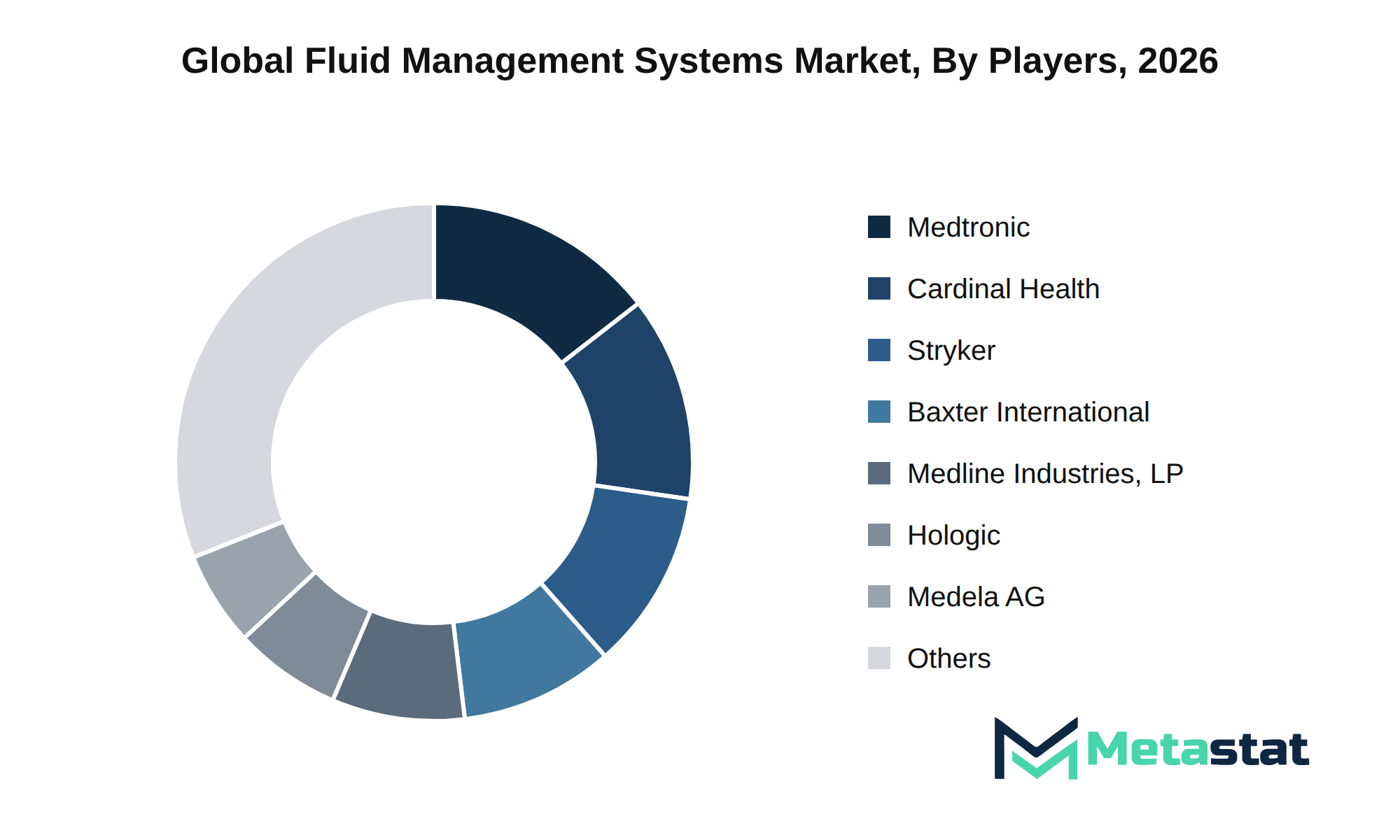
Emerging market front-runners within the region prioritize localized manufacturing and nearshoring initiatives to strengthen supply chains. These strategies reduce reliance on overseas production, enhancing response times and cost-effectiveness. The competitive landscape involves key players including Medline Industries, LP., Cardinal Health Inc., and Baxter International Inc. who continuously innovate to meet evolving market demands.
Infrastructure modernization projects across North America stimulate market growth, driven by healthcare facilities upgrading their capabilities to handle increasing patient volumes. High-value replacement cycles for outdated equipment drive incremental growth, ensuring firms maintain their competitive edge. Regional resource availability and energy grid resiliency support the expansion of fluid management systems, aligned with strategic entry barriers and foreign direct investment flows.
Europe
The Fluid Management Systems market in Europe holds a substantial share of the global market in 2025. Key drivers for market growth include the rising prevalence of chronic diseases and increasing demand for minimally invasive surgical procedures across Germany, France, the UK, Italy, and Spain. Investment in healthcare infrastructure modernization, coupled with the need for advanced medical technologies, increases the adoption of fluid management systems within hospitals and ambulatory surgical centers.
Local market dynamics reflect a blend of mature and emerging territories. Countries like Germany and the UK demonstrate high penetration rates due to established healthcare systems and increasing healthcare expenditure. Conversely, Italy and Spain present opportunities for growth owing to healthcare providers modernizing their fluid management capabilities. The demand for disposables and consumables within the segment is expected to grow, driven by a focus on infection control and patient safety.
Geopolitical factors, including cross-border trade corridors, influence the competitive landscape in Europe. Regional players including Medline Industries, LP. and Cardinal Health Inc. contribute to a robust supply chain, facilitating localized manufacturing and procurement strategies. The market anticipates further consolidation among vendors, enhancing competition and driving innovation in fluid management solutions.
Italy, France, and Spain exhibit an increasing trend toward nearshoring manufacturing practices, which supports the development of localized supply chains. This shift not only addresses supply chain vulnerabilities but enhances responsiveness to market demands. The regional focus on compliance with local regulatory frameworks and standards further supports the growth of the Fluid Management Systems market.
Asia-Pacific
Asia-Pacific accounts for 27.5% of the global Fluid Management Systems market in 2025. Rising demand for fluid management systems in this region stems from increasing investments in healthcare infrastructure and the growing prevalence of chronic diseases. Countries including China and India experience rapid urbanization, leading to an expanding middle class that drives healthcare spending. Initiatives for infrastructure modernization across Southeast Asia and Australia enhance the adoption of advanced medical technologies, including fluid management systems.
Japan and South Korea exhibit mature market dynamics, characterized by high-value replacement cycles and the presence of established domestic players. These countries prioritize innovation and efficiency, prompting ongoing investments in new product development and advanced manufacturing capabilities. Vendor consolidation trends in Australia and other regions within Asia-Pacific create competitive advantages for leading suppliers, enabling them to optimize their distribution networks and reduce operational costs.
Cultural nuances and regional B2B buying behaviors influence procurement dynamics throughout the region, with buyers increasingly seeking value-added solutions that improve patient outcomes. Strategic entry barriers, including regulatory compliance and local mandates, affect market access for foreign players, highlighting the importance of understanding geographic regulatory frameworks.
Geopolitical factors and trade policy shifts impact cross-border trade corridors, affecting supply chain regionalization and localized manufacturing densities. Despite these challenges, foreign direct investment flows into promising markets including India and Southeast Asia present opportunities for growth within the Fluid Management Systems market.
South America
Brazil and Argentina represent key markets within the South American Fluid Management Systems market. Increased healthcare spending in Brazil drives demand for advanced medical technologies, including fluid management systems. The presence of a growing number of healthcare facilities and an expanding patient population in Argentina further supports market growth. Regulatory frameworks in both countries emphasize the need for modern healthcare solutions, encouraging hospitals to invest in innovative fluid management systems to enhance operational efficiencies.
Infrastructure modernization plays a critical role, with initiatives aimed at upgrading healthcare facilities to meet international standards. These developments create a conducive environment for the adoption of fluid management systems, particularly in urban areas. Growing awareness of the importance of infection control and patient safety among healthcare providers supports the demand for disposables and consumables associated with fluid management systems.
Domestic market participants including Medline Industries, LP., Cardinal Health Inc., and Fresenius Medical Care AG actively engage in competitive strategies, including localized procurement and partnerships with regional healthcare providers. These strategies enhance their market presence and adaptability to local buying behaviors. The market is characterized by continuous innovation and the introduction of advanced products designed to cater to the specific needs of South America's healthcare sector.
Middle East and Africa
The Fluid Management Systems market in the Middle East and Africa is poised for notable growth, driven by increasing healthcare investments and rising demand for advanced medical technologies. Countries including Saudi Arabia and the UAE are implementing significant healthcare infrastructure projects, enhancing access to quality medical services. South Africa's focus on improving healthcare delivery systems supports the adoption of innovative fluid management solutions.
Emerging trends in the region include modernization efforts and increased adoption of disposable and consumable products. The market presents an opportunity for local manufacturers and suppliers to strengthen their positions. Local compliance mandates and regulatory frameworks influence procurement dynamics, requiring adherence to specific standards in medical practice.
Competition among domestic players intensifies owing to multinational corporations expanding their reach in the Middle East and Africa. Market participants including Medline Industries, LP., and Cardinal Health Inc. adapt their strategies to meet local demands and establish partnerships with regional healthcare providers. This collaborative approach enhances product availability and accelerates market growth.
Investment in healthcare infrastructure significantly impacts market growth, with a focus on enhancing energy grid resiliency and local infrastructure readiness. The fluid management systems market is expected to benefit from increased foreign direct investment (FDI) flows and gradual geographic expansion windows. This strategic positioning enables companies to capture untapped territories and address the needs of diverse customer segments.
Competitive Landscape and Strategic Insights
The Fluid Management Systems market experiences a dynamic competitive environment driven by strategic mergers, acquisitions, and partnerships among key players. Companies seek to enhance their market positions and expand product offerings through collaboration and investment in research and development. This strategic consolidation enables players to create proprietary technology moats, improving competitive advantages.
Market participants implement various go-to-market strategies, focusing on product differentiation and pricing architectures to attract diverse customer segments. Notable players include Medline Industries, LP., Cardinal Health Inc., and Fresenius Medical Care AG, each leveraging strengths to establish a strong market presence. Strategic alliances and joint ventures facilitate access to new markets and technologies, further enhancing the competitive environment.
Barriers to entry in the Fluid Management Systems market are substantial, deterring new entrants and creating an environment where established players maintain market share. Companies invest in building brand equity and customer retention strategies, which contribute to high switching costs for end-users. The future competitive outlook is expected to depend on technological advancements, regulatory changes, and evolving customer demands.
Forecast and Future Outlook
Market size is forecast to rise from USD 13.5 billion in 2025 to over USD 35.9 billion by 2033, reflecting a robust compound annual growth rate (CAGR) of 13.0%. The Fluid Management Systems market will experience significant growth driven by increasing adoption of advanced technologies and rising demand across various applications, including arthroscopy, laparoscopy, and cardiology.
In the bull case scenario, heightened investment in research and development could accelerate market expansion, leading to an even stronger performance. Conversely, in a bear case scenario, economic downturns or regulatory challenges could constrain growth rates. Overall, the market trajectory points toward enhanced operational efficiency and improvements in patient outcomes, reinforcing the strategic importance of fluid management systems within healthcare infrastructure.
Fluid Management Systems Market Key Segments
By Product:
Fluid Management Systems
Disposables and Consumables
By Application:
Arthroscopy
Laparoscopy
Urology and Nephrology
Cardiology
Gynecology/Obstetrics
Gastroenterology
Others
By End-Users:
Hospitals
Dialysis Centers
Ambulatory Surgical Centers
Other End Users
By Region:
North America
Europe
Asia-Pacific
South America
Middle East and Africa
Key Global Fluid Management Systems Industry Players
The report strategically identifies and profiles the key market players and analyses their core competencies in each sub-segment of the Fluid Management Systems market.
Report Attributes
Details
Study Period
2021-2033
Base Year
2025
Estimated Year
2026
Forecast Period
2026-2033
Historical Period
2021-2025
Growth Rate
CAGR 13.0% from 2026 to 2033
Revenue Unit
USD billion
Segmentation
By Product, Application, End-Users, and Region
By Region
North America (By Product, Application, End-Users, and Country)
United States
Canada
Mexico
Europe (By Product, Application, End-Users, and Country)
Germany
France
UK
Italy
Spain
Russia
Rest of the Europe
Asia Pacific (By Product, Application, End-Users, and Country)
China
Japan
India
South Korea
Australia
Southeast Asia
Rest of Asia Pacific
South America (By Product, Application, End-Users, and Country)
Brazil
Argentina
Rest of South America
Middle East and Africa (By Product, Application, End-Users, and Country)
Saudi Arabia
UAE
South Africa
Rest of Middle East and Africa
WHAT REPORT PROVIDES
Company Market Share, Revenue and Ranking for the Fluid Management Systems Market
Key Market Leaders in the Fluid Management Systems Industry
Full In-Depth Analysis of the Parent Industry
Industry Statistics and Important Changes in Market Dynamics
Segmentation Details of the Fluid Management Systems Market
Historical, Ongoing, and Projected Market Analysis
Assessment of Niche Industry Developments
Key Strategies of Major Players in the Market
End of Report Overview
Frequently Asked Questions
Find answers to common questions about this report
The Fluid Management Systems market size was valued at USD 13.5 billion in 2025.
The Fluid Management Systems market is projected to grow at a CAGR of 13.0% during the forecast period from 2026 to 2033.
The North America Fluid Management Systems market size is estimated to reach USD 12.7 billion by 2033.
The segment "Fluid Management Systems" leads the market with a value of USD 21.7 billion in 2033, compared to USD 14.2 billion for "Disposables and Consumables" in the same year.
Key drivers for the Fluid Management Systems market include increasing economic factors, technological integration, and demographic shifts. Economic growth stimulates capital investments, while advancements in automation and AI enhance operational efficiency in healthcare settings. an aging population and rising consumer demands for improved patient outcomes drive the need for innovative fluid management solutions.
North America holds the dominant share of the Fluid Management Systems market, with a projected value of USD 12.7 billion in 2033, representing 35 percent of the total market.
Regulatory tightening imposes significant challenges for the Fluid Management Systems market, increasing operational costs and delaying product development. Macroeconomic headwinds, including inflation and supply chain disruptions, escalate costs for manufacturers, particularly affecting smaller companies. skilled labor shortages limit operational efficiency and hinder growth within the sector.
Increasing economic growth and rising public-private spending power favor product adoption in the Fluid Management Systems market. Technological advancements, particularly in automation and digital transformation, enhance operational efficiency, appealing to sectors like healthcare that prioritize improved patient outcomes.
The Fluid Management Systems market is estimated to reach a valuation of USD 35.9 billion by 2033.
Key players in the Fluid Management Systems market include Medline Industries, LP., Cardinal Health Inc., Serres OY, Medela AG, DeRoyal Industries, Inc., and VacSax Ltd.
Global Nanorobotics market size reached USD 8.3 billion in 2025 and is forecast to hit USD 15.5 billion by 2033 at a 8.2% CAGR. Segment and regional data.
Ga 68 DOTATOC market size is valued at USD 100.9 million in 2025 and projected to reach USD 235.9 million by 2033, growing at a CAGR of 11.2%.
Ga 68 DOTATOC market, Ga 68 DOTATOC Market Size, Ga 68 DOTATOC Market Share, Ga 68 DOTATOC Market Analysis, Ga 68 DOTATOC Market Growth, Ga 68 DOTATOC Market Trends, Ga 68 DOTATOC Market Research Report, Ga 68 DOTATOC Market Forecast, Ga 68 DOTATOC, Ga 68 DOTATOC Market Research, Ga 68 DOTATOC Industry, Ga 68 DOTATOC Industry Report, Ga 68 DOTATOC Market Data, Ga 68 DOTATOC Statistics, Ga 68 DOTATOC Market Statistics, Ga 68 DOTATOC Industry Trends, Ga 68 DOTATOC Market Report, Ga 68 DOTATOC Market Trends, Ga 68 DOTATOC Market News, Ga 68 DOTATOC Forecasts, Ga 68 DOTATOC Market Intelligence Report, Ga 68 DOTATOC Market Outlook, Ga 68 DOTATOC Market Segmentation, Ga 68 DOTATOC Market Drivers, Ga 68 DOTATOC Market Restraints, Ga 68 DOTATOC Market Opportunities, Ga 68 DOTATOC Market CAGR, Ga 68 DOTATOC Suppliers, Ga 68 DOTATOC Manufacturers, Ga 68 DOTATOC Market by Region, North America Ga 68 DOTATOC Market, Asia Pacific Ga 68 DOTATOC Market, Europe Ga 68 DOTATOC Market, Ga 68 DOTATOC Market Competitive Landscape, Ga 68 DOTATOC Market Key Players, Ga-68 DOTATOC Ready-to-Use Market, Ga-68 DOTATOC Radiolabeling Kits Market, Gastrointestinal Neuroendocrine Tumor Market, Pancreatic Neuroendocrine Tumor Market, Lung Neuroendocrine Tumor Market, Hospitals and Academic Medical Centers Market, Specialty Nuclear Medicine Centers Market, Diagnostic Imaging Centers Market, Radiopharmacies Market, Oncology Centers Market
Skin Cancer Diagnostics Market Size, Share, Trends, 2033
Skin Cancer Diagnostics market size is valued at USD 9.92 billion in 2025 and projected to reach USD 16.03 billion by 2033, growing at a CAGR of 6.2%.
Skin Cancer Diagnostics market, Skin Cancer Diagnostics Market Size, Skin Cancer Diagnostics Market Share, Skin Cancer Diagnostics Market Analysis, Skin Cancer Diagnostics Market Growth, Skin Cancer Diagnostics Market Trends, Skin Cancer Diagnostics Market Research Report, Skin Cancer Diagnostics Market Forecast, Skin Cancer Diagnostics, Skin Cancer Diagnostics Market Research, Skin Cancer Diagnostics Industry, Skin Cancer Diagnostics Industry Report, Skin Cancer Diagnostics Market Data, Skin Cancer Diagnostics Statistics, Skin Cancer Diagnostics Market Statistics, Skin Cancer Diagnostics Industry Trends, Skin Cancer Diagnostics Market Report, Skin Cancer Diagnostics Market Trends, Skin Cancer Diagnostics Market News, Skin Cancer Diagnostics Forecasts, Skin Cancer Diagnostics Market Intelligence Report, Skin Cancer Diagnostics market 2033, Skin Cancer Diagnostics market outlook, Skin Cancer Diagnostics market segmentation, Skin Cancer Diagnostics market drivers, Skin Cancer Diagnostics market restraints, Skin Cancer Diagnostics market opportunities, Skin Cancer Diagnostics market CAGR, Skin Cancer Diagnostics suppliers, Skin Cancer Diagnostics manufacturers, Skin Cancer Diagnostics market by region, North America Skin Cancer Diagnostics market, Asia Pacific Skin Cancer Diagnostics market, Europe Skin Cancer Diagnostics market, Skin Cancer Diagnostics market competitive landscape, Skin Cancer Diagnostics market key players, Melanoma Detection and Monitoring market, Non-Melanoma Skin Cancer Detection market, Basal Cell Carcinoma Diagnosis market, Squamous Cell Carcinoma Diagnosis market, Skin Lesion Monitoring and Surveillance market, Dermatology Clinics Skin Cancer Diagnostics, Hospitals and Specialty Cancer Centers Skin Cancer Diagnostics.
Bone Graft Substitutes Market Size, Share, Trends, 2033
Bone Graft Substitutes market to hit $5,275.6M by 2033, growing from $1,004.1M in 2025 at a 6.0% CAGR. Explore top industry trends & insights.
Bone Graft Substitutes market, Bone Graft Substitutes Market Size, Bone Graft Substitutes Market Share, Bone Graft Substitutes Market Analysis, Bone Graft Substitutes Market Growth, Bone Graft Substitutes Market Trends, Bone Graft Substitutes Market Research Report, Bone Graft Substitutes Market Forecast, Bone Graft Substitutes, Bone Graft Substitutes Market Research, Bone Graft Substitutes Industry, Bone Graft Substitutes Industry Report, Bone Graft Substitutes Market Data, Bone Graft Substitutes Statistics, Bone Graft Substitutes Market Statistics, Bone Graft Substitutes Industry Trends, Bone Graft Substitutes Market Report, Bone Graft Substitutes Market Trends, Bone Graft Substitutes Market News, Bone Graft Substitutes Forecasts, Bone Graft Substitutes Market Intelligence Report, Bone Graft Substitutes Market 2033, Bone Graft Substitutes Market Outlook, Bone Graft Substitutes Market Segmentation, Bone Graft Substitutes Market Drivers, Bone Graft Substitutes Market Restraints, Bone Graft Substitutes Market Opportunities, Bone Graft Substitutes Market CAGR, Bone Graft Substitutes Suppliers, Bone Graft Substitutes Manufacturers, Bone Graft Substitutes Market by Region, North America Bone Graft Substitutes Market, Asia Pacific Bone Graft Substitutes Market, Europe Bone Graft Substitutes Market, Bone Graft Substitutes Market Competitive Landscape, Bone Graft Substitutes Market Key Players, Mineralized Bone Allografts Market, Demineralized Bone Matrix Market, Cellular Bone Matrices Market, Synthetic Bone Graft Substitutes Market, Bone Morphogenetic Protein-Based Grafts Market, Spinal Fusion Bone Graft Substitutes, Trauma and Long-Bone Repair Bone Graft Substitutes, Joint Reconstruction Bone Graft Substitutes, Dental Bone Grafting Market.