
Explore the driving forces behind the Connected Car market's rapid growth and the challenges it faces in evolving consumer preferences and regulatory frameworks.
The Connected Car market is set for substantial expansion, with projections indicating an increase from USD 119.7 billion in 2025 to USD 481.4 billion by 2033. This escalation signifies a compound annual growth rate (CAGR) of 19.0%. Analyzing the current trends reveals critical factors propelling this market forward.
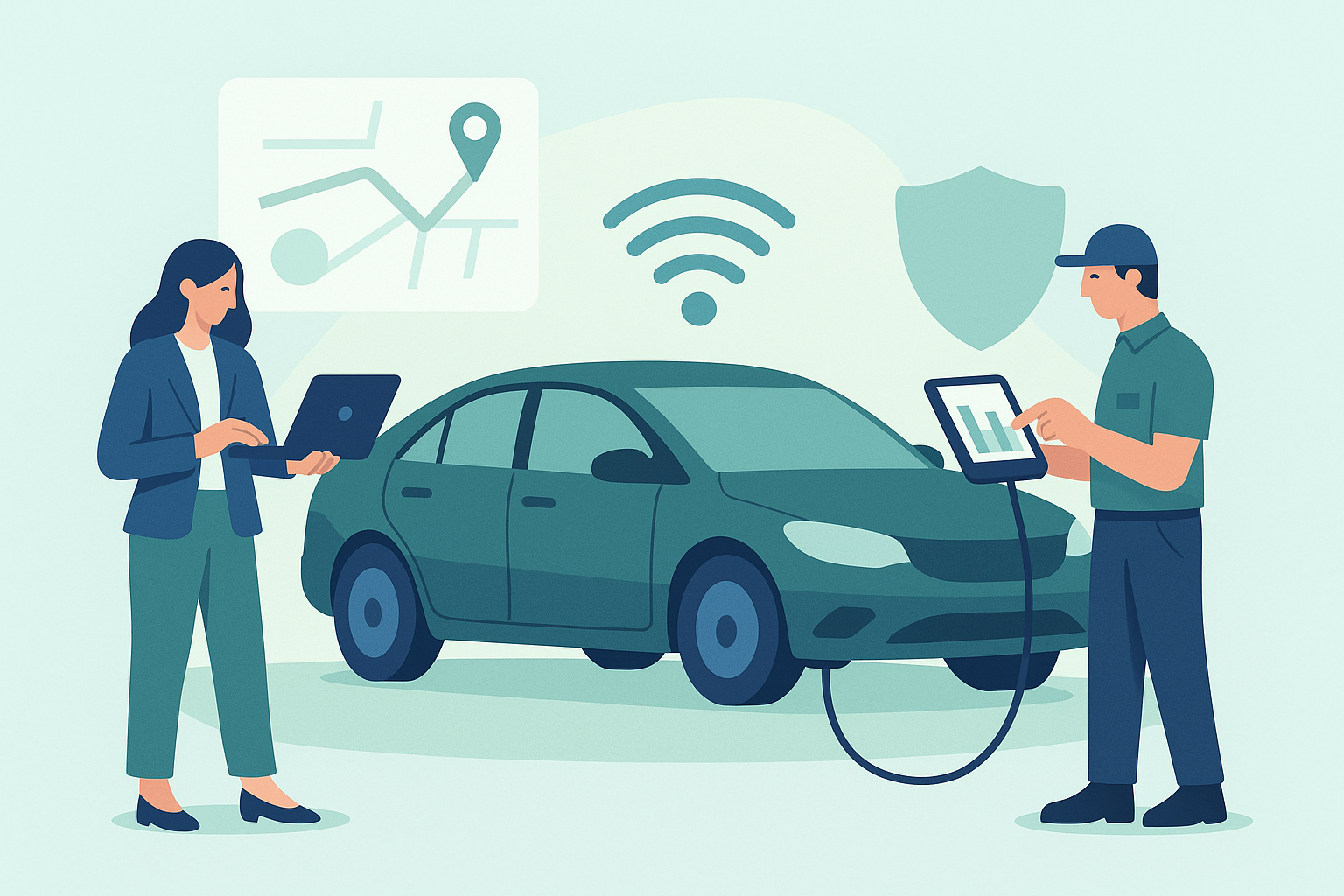
What factors are driving the growth of embedded connectivity?
Embedded connectivity emerges because a crucial segment within the Connected Car market, anticipated to grow from USD 66.3 billion in 2026 to USD 228.7 billion by 2033, demonstrating a compelling CAGR of 19.3%. This trend arises from technological advancements and heightened consumer expectations for enhanced vehicle functions.
Innovations including 5G connectivity are instrumental in this transformation, delivering faster data transmission rates and reduced latency essential for functionalities like real-time traffic management and advanced driver assistance systems (ADAS). The rising consumer preference for vehicles equipped with advanced connectivity features is driving manufacturers to allocate resources toward research and development to enhance embedded connectivity solutions.
How are consumer preferences shaping the Connected Car market?
Consumer preferences are shifting significantly, especially towards features focused on safety and convenience. Increasing concerns about sustainability play a pivotal role in purchase decisions, because consumers lean towards vehicles that adopt eco-friendly technologies. Automakers are responding by incorporating connectivity features that enhance fuel efficiency and minimize emissions.
North America and Europe lead in this shift, reflecting a heightened consumer demand for environmentally compliant connected vehicles. By 2033, Europe is projected to account for 27.7% of the Connected Car market due to regulatory frameworks prioritizing sustainability. Manufacturers are not only adapting their offerings but focusing on creating products that satisfy growing consumer expectations for both connectivity and sustainability.
What role does regulatory compliance play in market dynamics?
Regulatory compliance significantly influences the development and deployment of technologies within the Connected Car market. Specific regions enforce distinct safety, cybersecurity, and emissions regulations that manufacturers comply with to access these markets. Compliance necessitates innovation, compelling manufacturers to invest in research and development, which leads to enhanced product offerings aligned with stringent regulatory standards.
North America and Europe exhibit particularly robust regulatory landscapes. Manufacturers confront challenges regarding data privacy and vehicle safety standards, which directly impact the design and operational capabilities of connected car technologies. Addressing these compliance obligations while maintaining competitive advantages is vital for achieving long-term success in the market.
What challenges are hindering market growth?
Despite its rapid development, the Connected Car market encounters significant obstacles attributed to high capital investment requirements and rising operational costs. The complexity of developing advanced connected vehicle features requires substantial upfront financial commitments, limiting smaller firms' ability to enter the market or expand operations. Compliance costs associated with evolving regulatory standards further contribute to these financial hurdles.
Regions including North America and Europe, where these expenses are especially pronounced, experience a more tempered growth trajectory relative to emerging markets like Asia Pacific. Strategic partnerships and collaborations emerge because a common strategy to alleviate these financial constraints, enabling companies to share resources and innovation risks. Nonetheless, the ongoing need for investment in technology and infrastructure remains critical, presenting challenges to achieving rapid innovation and maintaining market agility.
What does the future hold for the Connected Car market?
The future of the Connected Car market appears promising, with sustained demand for innovative technologies driving growth. Investments in infrastructure, particularly in advanced connectivity networks like 5G, are essential for supporting the deployment of connected vehicle technologies. Manufacturers are optimizing capital allocation to enhance network capabilities, ensuring effective communication between vehicles and infrastructure systems.
While the market evolves, firms that effectively adapt to changing consumer preferences while navigating regulatory complexities are likely to emerge because leaders. The integration of digital technologies is transforming consumer interactions with vehicles, creating opportunities for manufacturers to tap into new market segments. With an anticipated market valuation of USD 481.4 billion by 2033, companies act swiftly and strategically to seize the numerous opportunities within the Connected Car ecosystem.
For further insights into the dynamics of the Connected Car market and detailed analyses, access the Global Connected Car Market.
Tags